Okay, fellow tapeheads, settle into your beanbag chair, maybe crack open a soda, because today we're revisiting a late-90s gem that offers a surprisingly sunny look back at a divided world: Leander Haußmann's Sonnenallee (1999). Forget the usual Cold War espionage thrillers; this one trades trench coats for denim jackets and hushed conspiracies for the desperate quest for a smuggled Rolling Stones album. It’s a vibrant, funny, and often poignant trip back to East Berlin in the late 1970s, seen through the eyes of teenagers living life right up against the infamous Wall.
### Life at the Shorter End of the Street
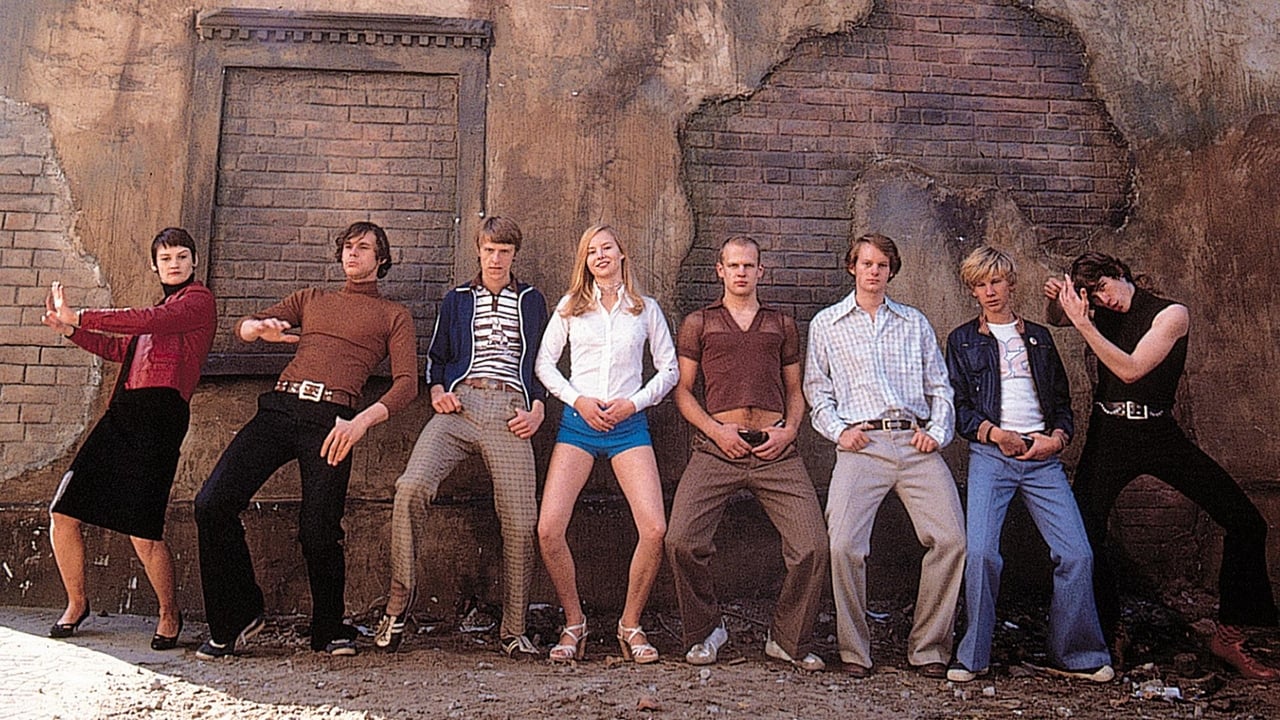
Imagine your entire world crammed onto one side of a single street, the other half tantalizingly visible but politically worlds away. That’s the reality for Micha Kuppisch (Alexander Scheer, in a star-making turn) and his mates living on the Sonnenallee, a real Berlin street famously sliced in two by the Wall. Their end, the "shorter end," is in the GDR, and life is a blend of typical teenage angst – chasing girls (especially the unattainable Miriam, played with cool allure), obsessing over music, dodging authority – and the uniquely surreal challenges of life under the watchful eye of the state.
Directed by Leander Haußmann, who himself grew up in the GDR and co-wrote the screenplay with novelist Thomas Brussig, Sonnenallee pulses with an infectious energy. It captures that universal feeling of being young and believing anything is possible, even when "anything" involves outsmarting border guards or trying to convince your parents that your forbidden Western music isn't decadent propaganda. There's a warmth here, a focus on the friendships, the family dynamics (featuring the wonderful Katharina Thalbach as Micha’s perpetually exasperated mother), and the sheer resilience of finding joy and absurdity in everyday restrictions.
### Rock 'n' Roll Will Never Die (Even Behind the Wall)
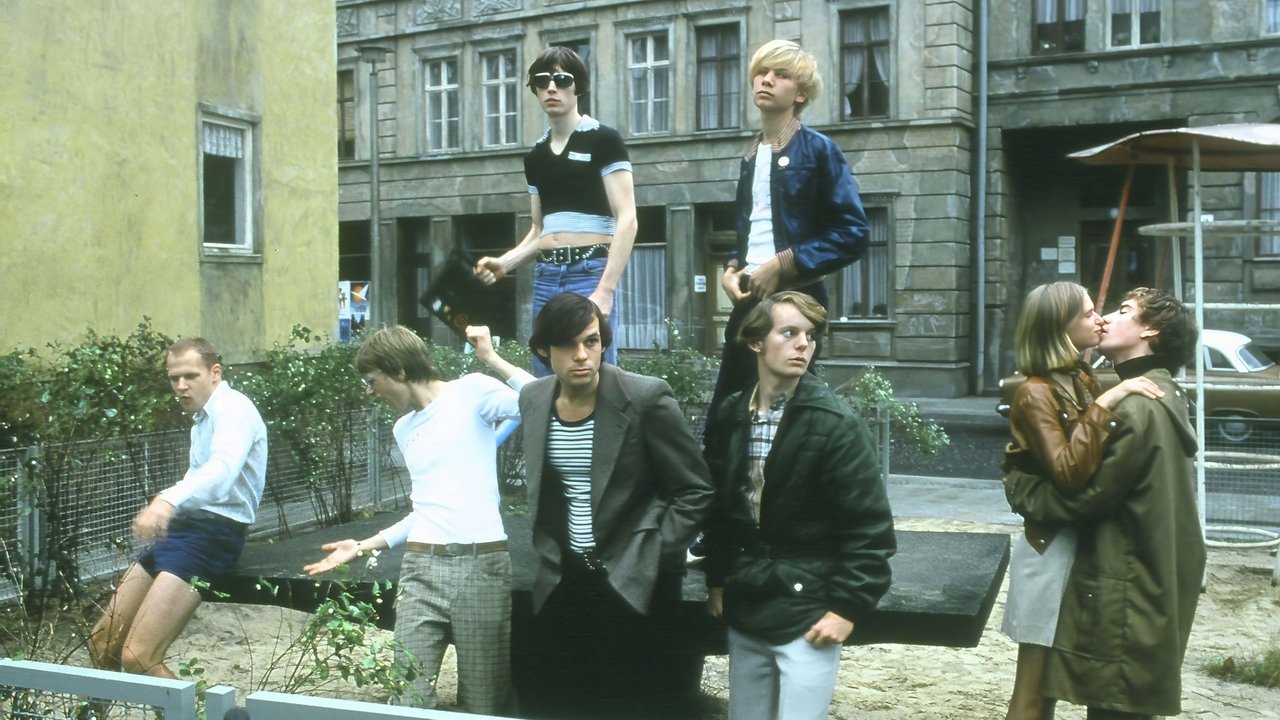
Music isn't just a soundtrack in Sonnenallee; it's practically a character in itself. The film brilliantly portrays how vital Western rock and pop were to the youth of East Berlin – symbols of freedom, rebellion, and connection to a world beyond their borders. Micha's desperate attempts to acquire a specific Rolling Stones album, Exile on Main St., become a running gag and a potent symbol of youthful desire clashing with state control. The soundtrack itself is a killer mix of 70s rock anthems, perfectly capturing the era and the characters' aspirations. Hearing Hendrix or T. Rex blast out in this setting feels both incongruous and perfectly right.
One fascinating bit of trivia is that the film actually came out before the novel it's closely associated with, Thomas Brussig's "Am kürzeren Ende der Sonnenallee" (At the Shorter End of Sonnenallee). Brussig developed both simultaneously, a rather unusual approach that perhaps explains the film's strong narrative drive and sharp characterizations – it wasn’t just adapting a book; it was telling a story conceived with cinema in mind from early on.
### Laughing Through the Cracks
What makes Sonnenallee so memorable, and perhaps controversial for some at the time, is its generous use of humour. This isn't a grim, grey depiction of the GDR. Instead, Haußmann finds comedy in the system's absurdities: the neighbour who moonlights as a Stasi informant but is mostly just nosy, the border guards who are sometimes more bored than menacing, the elaborate schemes hatched to get hands on Western goods. It’s a perspective that emphasizes the human element, the ways people adapted and carved out pockets of normalcy and joy within an oppressive system.
This light touch sparked considerable debate in Germany upon its release. Some critics felt it downplayed the harsh realities of the GDR dictatorship. However, the film was a massive hit, pulling in over 2.6 million viewers domestically. Perhaps audiences responded to its affectionate, human portrayal – not denying the regime's darkness, but choosing to celebrate the spirit of those who lived through it. It tapped into the burgeoning "Ostalgie" – a complex nostalgia for certain aspects of East German life – but did so with a wink and a groove rather than overt sentimentality. The production cleverly recreated the specific textures of late-70s East Berlin, from the Trabant cars to the fashion, making the setting feel authentic despite the often fantastical comedic situations. Filming took place partly on the actual Sonnenallee, adding another layer of reality to this affectionate look back.
### Enduring Charm
Watching Sonnenallee today, perhaps on a format far removed from the VHS tapes that might have circulated samizdat copies of Western music back then, its charm holds up remarkably well. Alexander Scheer is utterly captivating as Micha, full of nervous energy and youthful yearning. Alexander Beyer as his best friend Mario provides excellent comedic support, and the entire ensemble cast feels perfectly pitched. Haußmann, who would go on to direct other successful German films, shows a real flair for balancing tone, weaving moments of genuine tension (like encounters with the authorities) seamlessly into the predominantly lighthearted narrative.
It’s a film that reminds us that even in divided cities and restrictive times, teenagers will be teenagers. They’ll fall in love, dream big, rebel against their parents, and find ways to listen to the music that speaks to them, no matter the risk. It doesn’t offer easy answers about the past, but it does offer a heartfelt, funny, and deeply human glimpse into a specific time and place, powered by youthful optimism and a fantastic rock soundtrack.
VHS Heaven Rating: 9/10
Sonnenallee earns this high score for its unique blend of humour, heart, and history. It's brilliantly acted, directed with infectious energy, and features a killer soundtrack. While its lighthearted take on GDR life isn't without its critics, the film succeeds wonderfully as an affectionate, nostalgic celebration of youth surviving – and thriving – against the odds. It finds universal truths in a very specific setting, making it a standout German comedy with enduring appeal.