There's a certain kind of stillness that hangs heavy in the air on a humid night, the kind punctuated only by the buzz of fluorescent lights and the distant rumble of unseen traffic. That's the feeling that permeates Richard Linklater's SubUrbia (1997), a film less about plot and more about the suffocating atmosphere of aimlessness. It doesn't just depict a group of suburban young adults stuck in neutral; it makes you feel the weight of their inertia, the sticky heat of their frustration rising off the asphalt of that convenience store parking lot where most of the film unfolds. Watching it again after all these years, that sense of being trapped alongside them is perhaps its most potent, and unsettling, achievement.
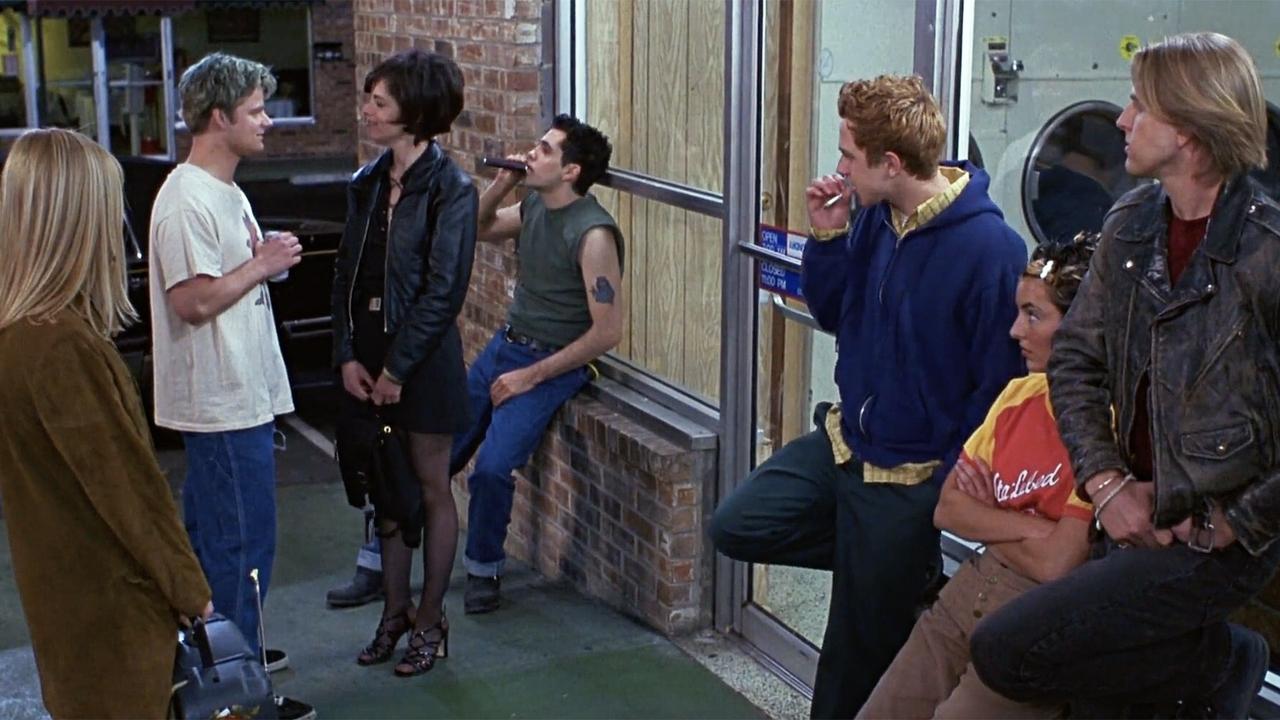
Nowhere To Go, Nothing To Do
The setup is deceptively simple: a handful of friends, recent high school grads or dropouts, loiter outside their local "Circle A" minimart in the fictional Burnfield. Their listless routine is disrupted by the return of Pony (Jayce Bartok), a former bandmate who escaped their suburban confines to achieve minor rock stardom. His arrival, with his slick publicist Erica (Parker Posey), acts as a catalyst, forcing the group to confront their own stalled ambitions, simmering resentments, and the gnawing fear that maybe, just maybe, this is all there is. It’s a pressure cooker scenario, played out almost entirely in real-time over one long, increasingly tense night.
An Ensemble of Raw Nerves

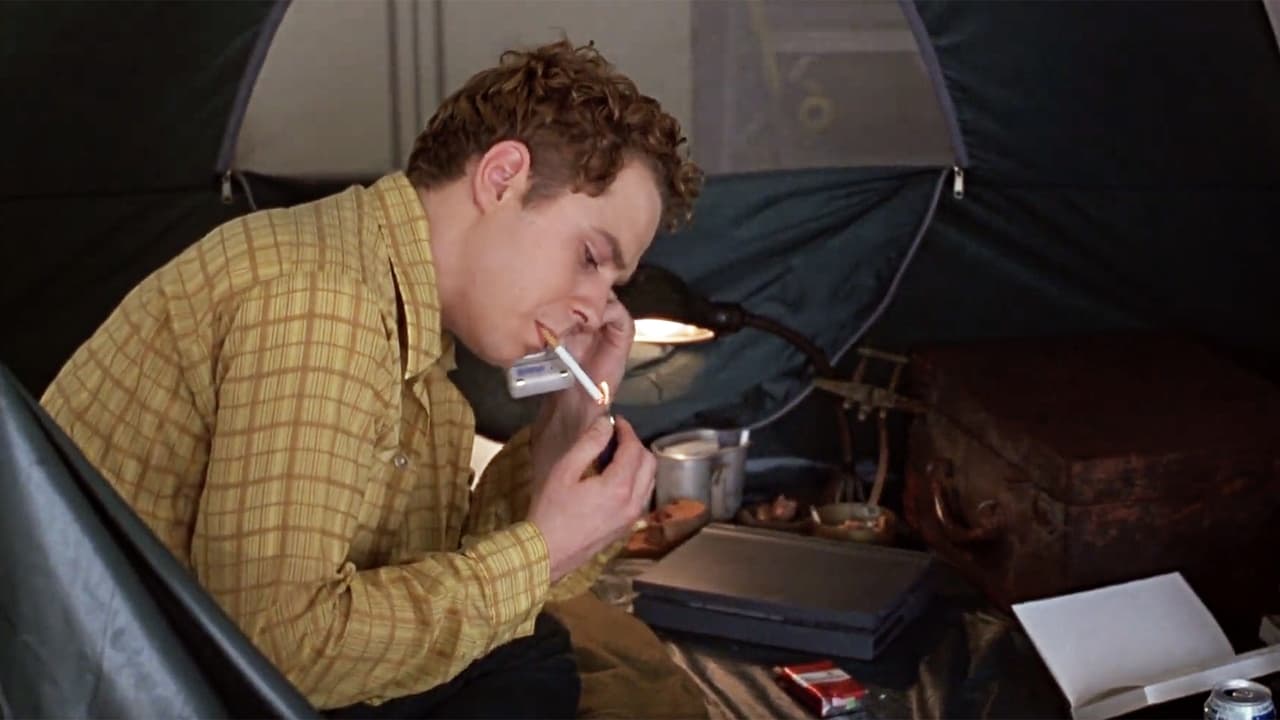
What elevates SubUrbia beyond a simple hangout movie gone sour is the electrifying ensemble cast, crackling with authentic, often uncomfortable energy. Giovanni Ribisi, as Jeff, is the film's anguished core. His performance is a masterclass in contained rage and intellectual frustration, a young man smart enough to see the trap he's in but paralyzed by indecision and cynicism. You see the potential flicker in his eyes, quickly extinguished by a wave of self-sabotage. Watching him verbally spar, particularly with Parker Posey’s sharp, pragmatic Erica, is like watching exposed wires spark. Posey, already a 90s indie queen, brings a necessary outside perspective, embodying the ambition and compromise the others vaguely aspire to or actively reject.
Then there's Steve Zahn as Buff, providing manic, often inappropriate comic relief that barely masks a deeper desperation. Zahn's physicality and energy are kinetic, a whirlwind of nervous gestures and pronouncements trying to fill the void. His performance perfectly captures that friend who uses humor as both shield and weapon, often to deflect from his own insecurities. The chemistry between these actors, and the wider ensemble including Amie Carey as the sensitive Sooze and Dina Spybey as the troubled Bee-Bee, feels startlingly real. You believe their shared history, the ingrained dynamics of friendship curdling into familiarity and contempt.
From Stage to Strip Mall
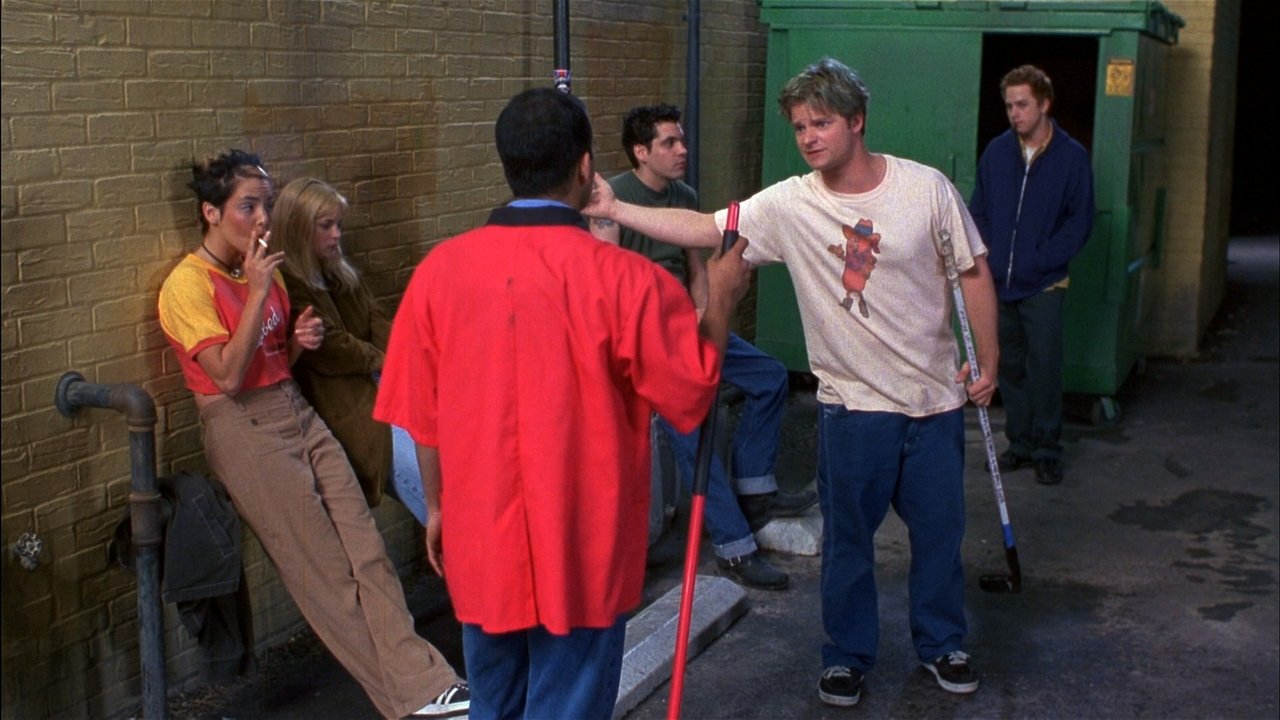
Much of the film's confrontational power stems from its source material: the 1994 stage play by Eric Bogosian (known for his intense monologues and Talk Radio). Bogosian adapted his own work for the screen, retaining the sharp, often brutal dialogue and the claustrophobic focus. This theatrical origin is palpable; the single location, the emphasis on dialogue over action, the slow build of tension. It’s a challenging transition, but Richard Linklater, fresh off the more sprawling and optimistic Dazed and Confused, handles it with understated skill. He uses the camera not just to observe, but to draw us into the characters' cramped emotional spaces, making the parking lot feel both like a refuge and a prison cell.
Retro Fun Facts: Behind the Burnfield Blues
- Bogosian's Blueprint: The film sticks remarkably close to Eric Bogosian's original stage play, which premiered at Lincoln Center. Bogosian felt film could explore the characters' inner lives and the setting's atmosphere in ways the stage couldn't fully capture.
- Linklater's Departure: Taking on SubUrbia was a conscious choice for Linklater to tackle something different. He was drawn to the challenge of adapting a play and working within its inherent constraints, a marked contrast to the looser, more episodic structures of Slacker or Dazed.
- Casting Authenticity: The casting process was key. The filmmakers sought actors who could embody the specific anxieties and attitudes of mid-90s youth culture, focusing on creating a believable group dynamic rather than just star power. The chemistry feels earned because it was apparently a priority from day one.
- Budget Blues: Made for a modest $2.5 million (around $4.7 million today), SubUrbia embodies the spirit of 90s independent filmmaking – doing a lot with limited resources, focusing on character and dialogue over spectacle.
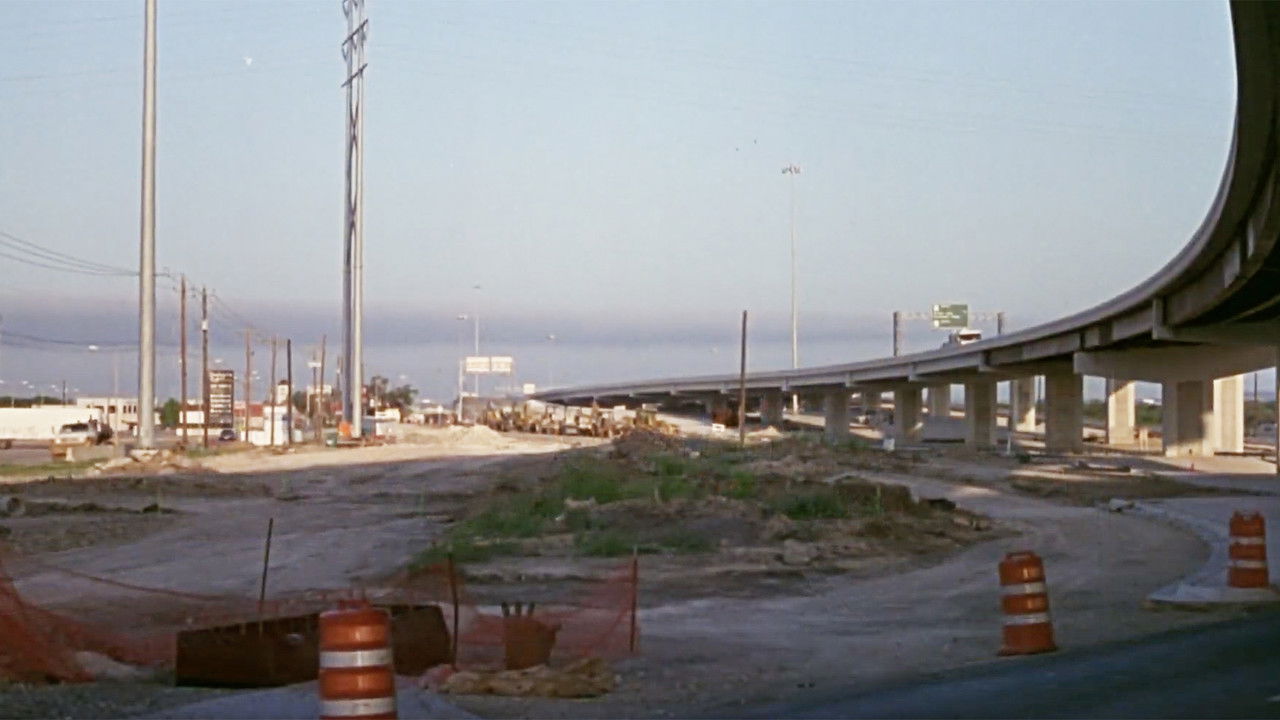
- Austin Does Burnfield: While Burnfield is meant to be a generic American suburb, the film was primarily shot in Austin, Texas, a city Linklater is deeply associated with. They skillfully transformed local spots to create that ubiquitous strip-mall feel.
The Lingering Echo of Disillusionment
Does SubUrbia feel dated? In some ways, inevitably. The specific cultural references, the fashion, the particular brand of Gen X ennui definitely place it firmly in the mid-90s, a time capsule of post-grunge disillusionment before the full onset of the internet age reshaped youth culture. Yet, the core themes – the fear of being left behind, the tension between ambition and apathy, the struggle to find meaning in seemingly mundane surroundings, the way friendships can sour under the weight of divergent paths – remain strikingly relevant. Doesn't that feeling of staring out at the limited horizon of your hometown resonate across generations? What happens when the person who 'got out' comes back – does it inspire, or just highlight your own inertia?
The film doesn't offer easy answers or neat resolutions. It leaves you, much like its characters, lingering in that parking lot, contemplating the choices made and not made, under the unflinching glare of the convenience store lights. It's not always a comfortable watch; its bleakness can be oppressive. But its honesty, powered by those raw performances and Bogosian's unflinching script, makes it linger.
VHS Heaven Rating: 8/10
SubUrbia earns a strong 8 out of 10. The rating is anchored by the absolutely stellar ensemble cast, particularly Ribisi, Zahn, and Posey, who deliver performances brimming with authentic angst and complex vulnerability. Linklater's direction masterfully translates the claustrophobia of Bogosian's play to the screen, creating an unforgettable atmosphere of suburban stagnation. The dialogue is sharp, insightful, and often uncomfortably true. While its pervasive bleakness and deliberately slow pace might not appeal to everyone, and some secondary characters feel less fleshed out, its power as a snapshot of a specific time and a timeless sense of youthful searching is undeniable. It avoids easy sentimentality, presenting its characters flaws and all, which ultimately makes its portrait more resonant and earns its place as a significant, if often overlooked, piece of 90s indie cinema.
What stays with you long after the credits roll isn't a specific plot point, but the cumulative weight of those wasted hours, unspoken dreams, and the suffocating feeling that the future might just be another night hanging out at the Circle A.