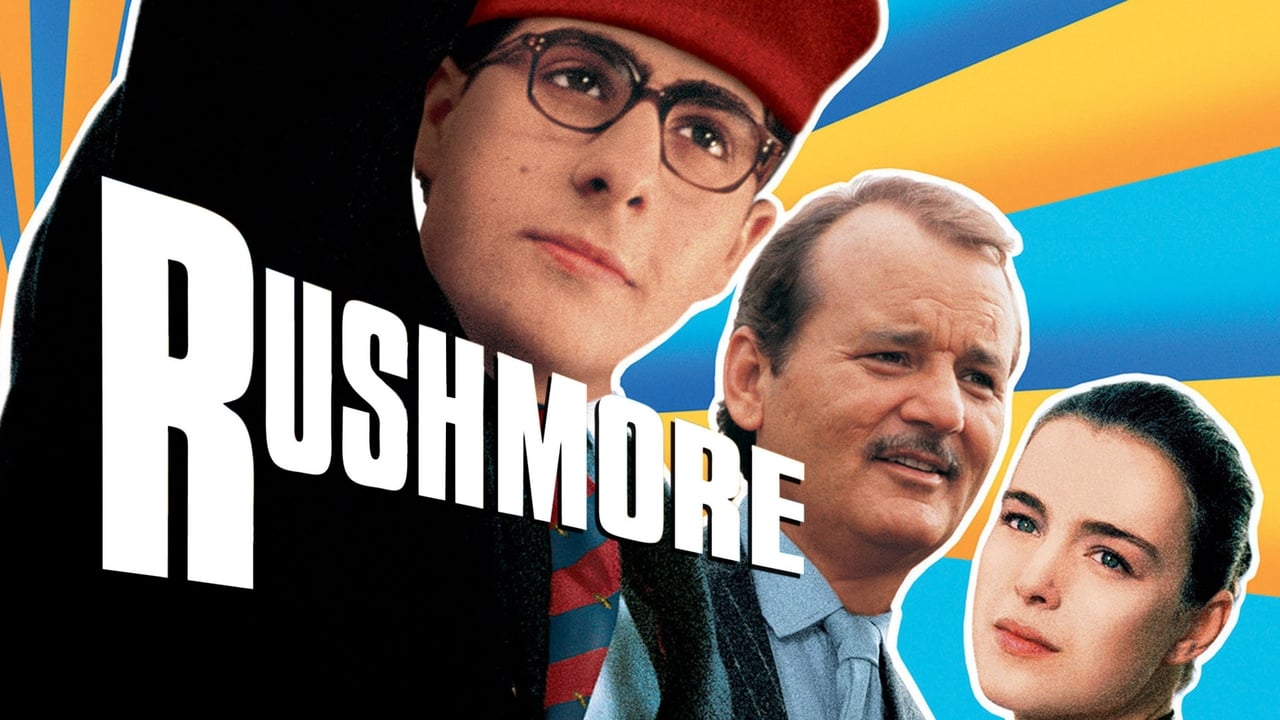
Here we go, sliding another tape into the VCR, the satisfying clunk echoing a familiar comfort. This time, it’s a film that arrived just as the indie wave was cresting into the mainstream rental aisles, a picture that felt instantly, knowingly different: Wes Anderson's 1998 melancholic comedy, Rushmore. What strikes you first, even now, isn't just a plot point or a gag, but the meticulously crafted world itself, and the utterly singular young man at its center – Max Fischer. Is there a more relentlessly ambitious, tragically overreaching, yet somehow endearing teenage protagonist in 90s cinema?
### O, Rushmore! My Rushmore!
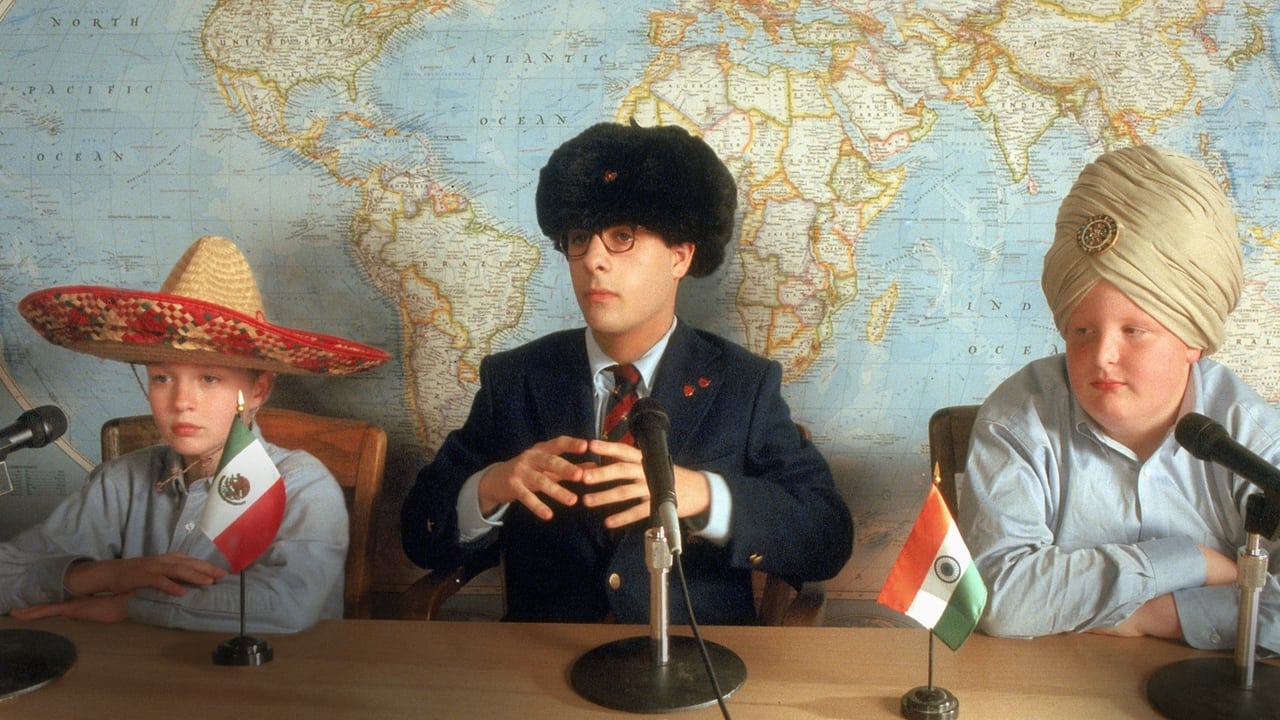
Played with astonishing confidence in his debut by Jason Schwartzman, Max is the heart, soul, and perhaps the slightly unhinged brain of Rushmore Academy. He's the president of seemingly every extracurricular club (from the Debating Society to the Beekeepers), a budding playwright of questionable talent but undeniable enthusiasm, and, unfortunately, one of the worst students academically. Rushmore doesn't just introduce Max; it immerses us in his highly curated reality, a world built on grand pronouncements, elaborate schemes, and a desperate need for validation. The film finds its axis when Max develops an intense crush on the widowed elementary school teacher, Rosemary Cross (Olivia Williams), and simultaneously strikes up an unlikely, complex friendship with Herman Blume (Bill Murray), a disillusioned industrialist millionaire who is also captivated by Miss Cross. What follows is a bizarre love triangle fueled by adolescent angst, mid-life crisis, and Anderson's unique blend of deadpan humor and surprising emotional depth.
### The Anderson Aesthetic Takes Root
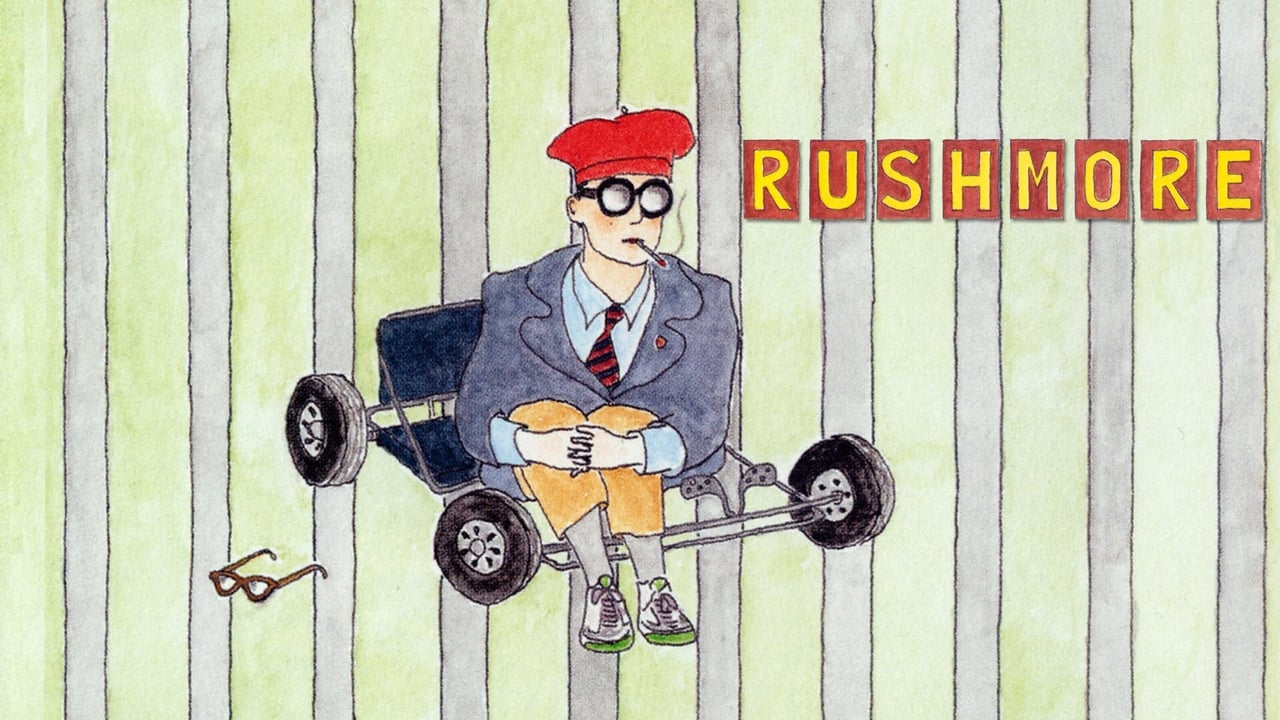
Watching Rushmore today feels like witnessing the meticulous construction of a signature style. While Anderson's debut, Bottle Rocket (1996), hinted at his sensibilities, Rushmore is where the blueprint truly solidified. The symmetrical compositions, the carefully chosen colour palettes, the obsessive attention to detail in production design (every prop feels considered, every set dressed just so), the chapter headings, the pitch-perfect use of a British Invasion soundtrack (The Kinks, The Who, Cat Stevens) – it all coalesces here. Cinematographer Robert Yeoman captures this world with a deliberate, often static frame that enhances the feeling of observing a meticulously arranged diorama. Filming took place primarily at St. John's School in Houston, Texas – Anderson's own alma mater – lending an air of lived-in authenticity beneath the stylization. Anderson and co-writer Owen Wilson weren't just creating quirky characters; they were building a universe with its own internal logic and distinct visual language, reportedly storyboarding the entire film with painstaking detail before shooting began.
### Actors Finding Their Frequency
The performances are absolutely key to Rushmore's enduring charm. Jason Schwartzman, discovered after a nationwide casting call, is a revelation. He perfectly embodies Max's contradictions – the outward arrogance masking deep insecurity, the precocious intellect warring with emotional immaturity. He’s infuriating one moment, strangely sympathetic the next. You believe utterly in his misguided passions.

Then there's Bill Murray. This film marked a significant turning point in his career, showcasing a capacity for weariness and vulnerability often hidden beneath his comedic persona. His Herman Blume is a man adrift, finding a strange kindred spirit in Max's boundless (if misplaced) energy. The quiet sadness in Murray's eyes, the slumped posture, the flashes of childish pique – it’s a masterful performance, foreshadowing the more dramatic roles that would follow. It's a testament to his belief in the project that Murray famously worked for SAG scale minimum (around $9,000 at the time) and, according to legend, even wrote Anderson a personal check for $25,000 to cover a helicopter shot the studio, Touchstone Pictures (a Disney label!), wouldn't fund (Anderson apparently never cashed it). Olivia Williams provides the essential grounding force as Rosemary Cross, conveying warmth, intelligence, and a profound sense of grief that prevents the film from tipping entirely into farce. She’s the calm center around which Max and Herman’s chaotic orbits revolve.
### Beyond the Quirks: Ambition, Failure, and Finding Your Place
For all its stylistic flourishes and eccentric humor, Rushmore resonates because it taps into something deeply human. It’s a film about the intensity of adolescent ambition and the crushing weight of failure. Max wants desperately to be extraordinary, to leave his mark, but his efforts often lead to expulsion, heartbreak, and alienation. It’s also about the strange ways friendships form and fracture, particularly the odd mentorship-turned-rivalry between Max and Herman. Both are profoundly lonely figures seeking connection, finding it, and then nearly destroying it through jealousy and immaturity (albeit at different life stages). The film doesn't shy away from the pain beneath the surface – Max's grief over his mother, Rosemary's loss of her husband, Herman's existential emptiness. Anderson manages a delicate balancing act, allowing genuine emotion to peek through the stylized artifice. Remember the quiet devastation in Max’s face when he learns Blume is seeing Miss Cross? Or the raw anger in their escalating prank war? These moments land with surprising weight.
### A Cult Classic Cemented on Tape
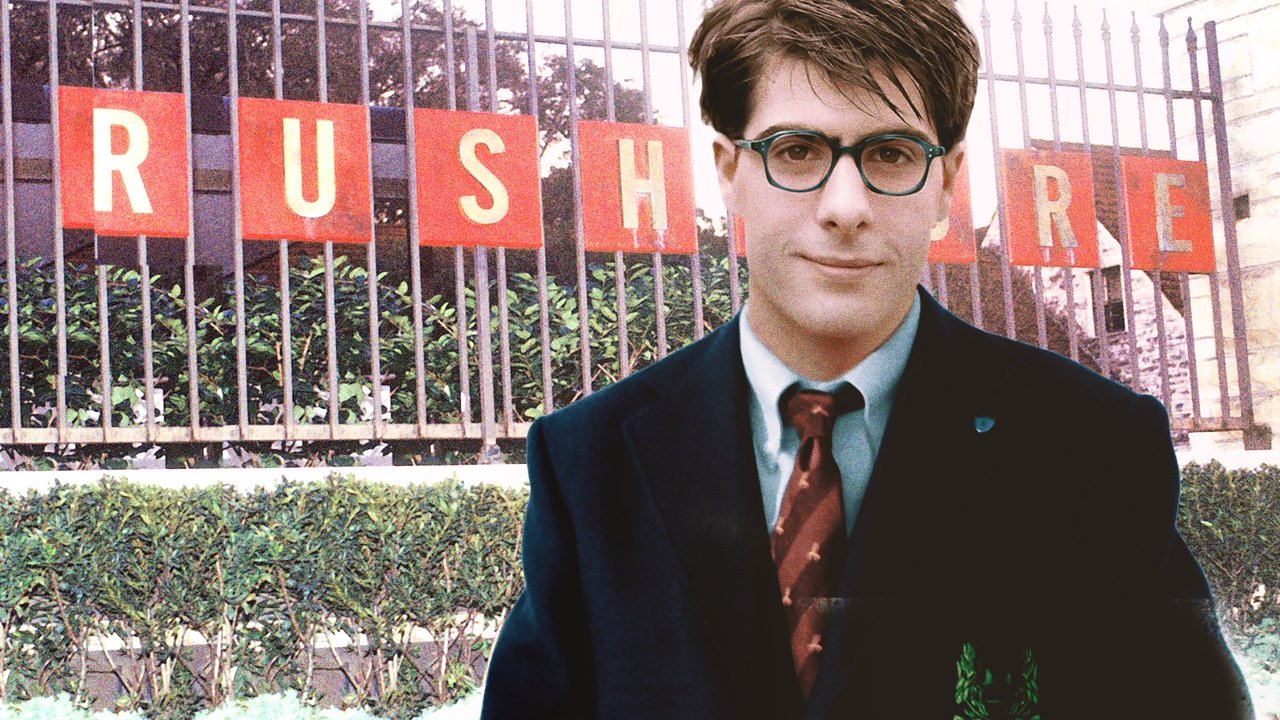
Released in late 1998, Rushmore wasn't a massive box office hit (grossing around $17 million domestically against a $10 million budget), but it garnered significant critical acclaim and quickly found its devoted audience, especially on home video. Renting Rushmore often felt like discovering a secret handshake, a film that spoke a slightly different language than the mainstream comedies surrounding it on the shelf. It cemented Wes Anderson as a director with a unique vision and helped launch Jason Schwartzman's career while giving Bill Murray a creative resurgence. Its influence on a generation of indie filmmakers is undeniable, popularizing a certain type of meticulously designed, melancholic quirk-comedy. It stands as a perfect little time capsule – not just of late 90s indie spirit, but of that feeling of discovering something truly original just by taking a chance on a curious-looking VHS cover.
Rating: 9/10
This score reflects Rushmore's near-perfect execution of its unique vision. It's witty, visually inventive, surprisingly moving, and features career-defining performances. While its deliberate pace and specific brand of quirk might not connect with absolutely everyone, its craft, heart, and originality make it a standout achievement of its era. It’s more than just a comedy; it's a poignant exploration of ambition, loneliness, and the messy business of growing up (at any age), leaving you with a bittersweet ache and a quiet admiration long after the tape rewinds. What other film captures that specific pang of adolescent yearning quite like it?