It doesn't hit you like a thunderclap, "Crooklyn". It settles over you, warm and thick like the inescapable humidity of a Brooklyn summer in the early 1970s. There’s a specific kind of urban symphony playing – the rhythmic slap of a jump rope on pavement, the distant argument filtering through an open window, the infectious groove of soul music spilling from a radio. Watching it again now, decades after pulling that distinctive VHS box off the rental shelf, feels less like watching a movie and more like accessing a memory – vivid, fragmented, tinged with both sunshine and shadow.
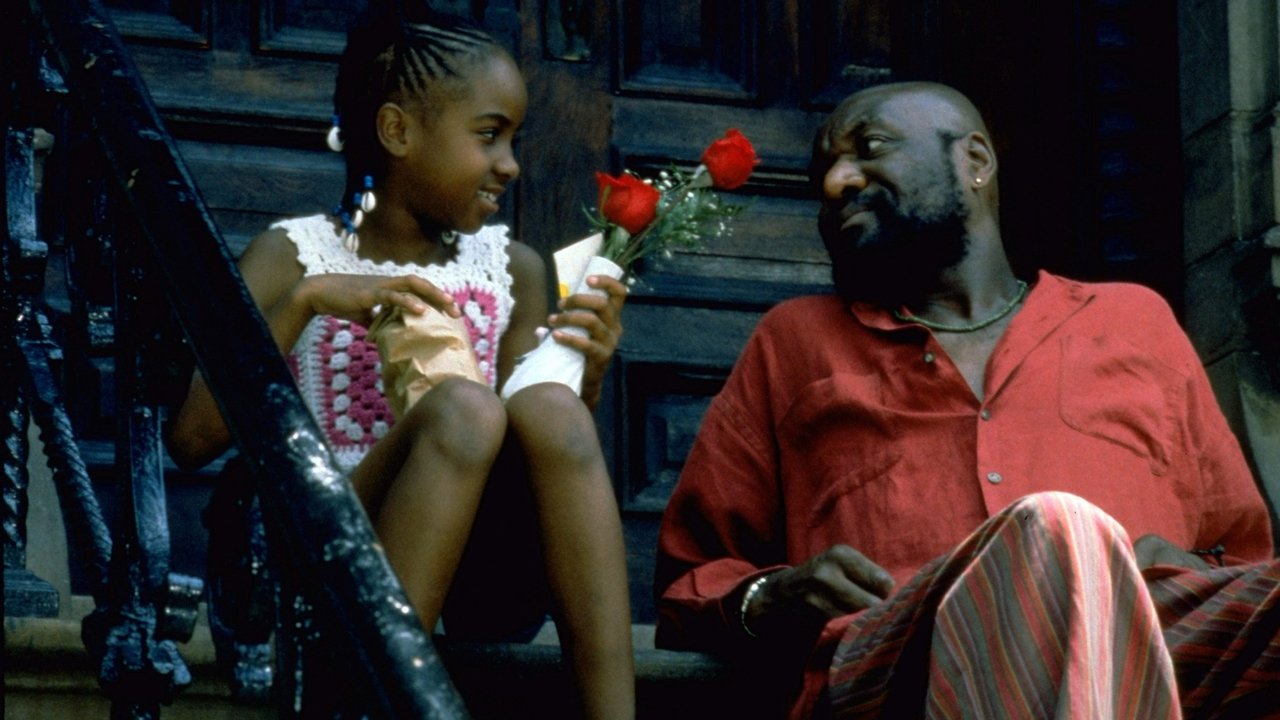
Life on Arlington Place
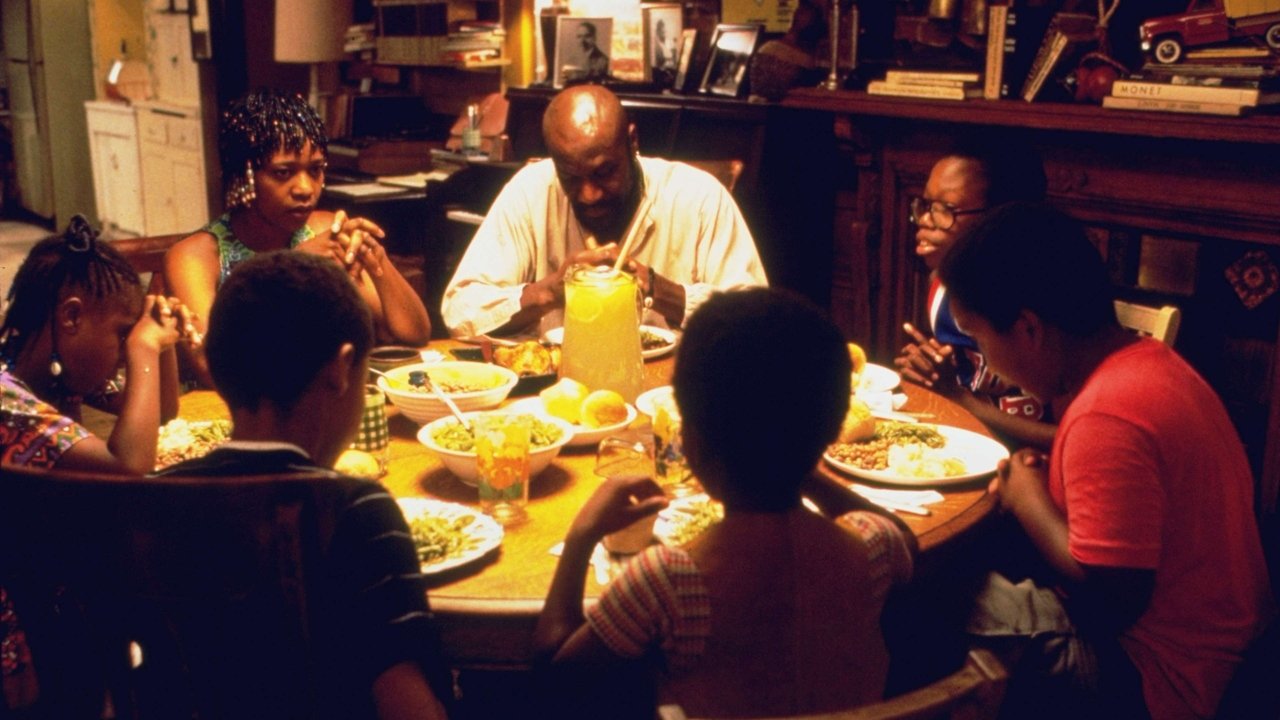
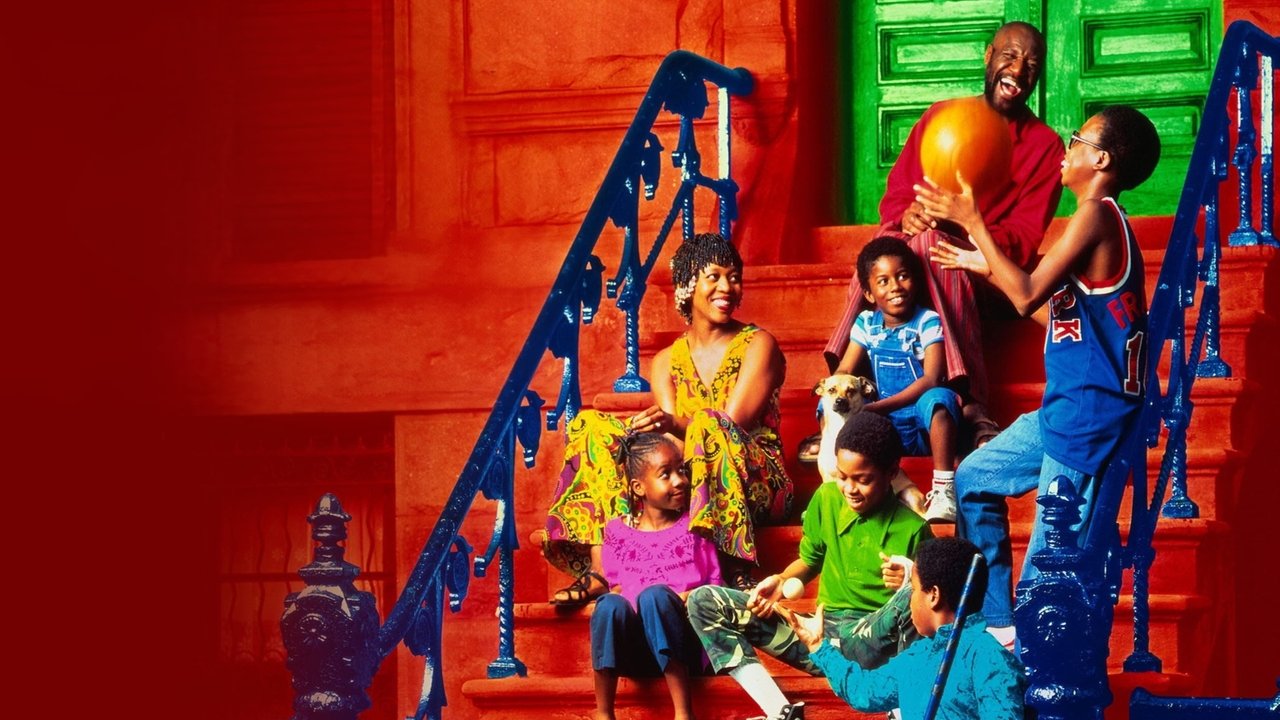
At the heart of this vibrant chaos is the Carmichael family, crammed into their beloved but straining brownstone. Spike Lee, directing from a semi-autobiographical script co-written with his siblings Joie Susannah Lee and Cinqué Lee, doesn’t structure this as a traditional plot-driven narrative. Instead, he offers us a tapestry woven from the everyday moments – squabbles over TV, trips to the corner store, stoop-side discipline, shared meals, and the constant thrum of life in Bedford-Stuyvesant. It’s a choice that imbues the film with a remarkable authenticity. We aren't just watching characters; we feel like we're eavesdropping on a real family, sharing their joys and anxieties. The screenplay itself reportedly started with the siblings just recording conversations about their childhood, a process that surely contributed to the film’s lived-in feel.
Central to this realism are the towering performances of Alfre Woodard as Carolyn, the firm but loving matriarch and schoolteacher, and Delroy Lindo as Woody, the struggling jazz musician father. Their chemistry is palpable – a complex blend of deep affection, artistic frustration (on Woody's part), and the weary pragmatism of keeping a large family afloat. Woodard, in particular, is magnificent. She embodies the resilience and fierce protective instincts of a mother holding things together, her exhaustion warring with her unwavering love. Lindo brings a gentle charisma to Woody, a dreamer whose artistic passions sometimes clash with domestic realities. Their arguments feel painfully real, born not of malice but of pressure and diverging priorities.
Through the Eyes of a Child
While the entire ensemble cast feels authentic, the film truly belongs to young Troy, played with astonishing naturalism by Zelda Harris. Initially, we experience the bustling household through the collective lens of the five Carmichael children, but the narrative subtly pivots to focus on Troy, the only daughter. Harris captures the quiet intensity of a child observer – soaking in the adult world, processing its complexities, joys, and hypocrisies with wide-eyed seriousness. It’s through her perspective that the film finds its emotional anchor. We feel her small triumphs, her confusion, her burgeoning understanding of the sacrifices her parents make. It’s a performance devoid of saccharine Hollywood kid tropes; Troy feels like a genuine child navigating a world she’s only beginning to comprehend. Finding Harris was apparently key; Lee knew the film hinged on the audience connecting with this young protagonist.
A Deliberate Distortion

One of the most discussed – and brilliant – directorial choices comes when Troy is sent down South to stay with relatives for the summer. Spike Lee, working with cinematographer Arthur Jafa, makes a bold technical move. As Troy arrives in the manicured, alien landscape of suburban Virginia, the image on screen is deliberately squeezed by an anamorphic lens, distorting the picture horizontally. It’s a masterful stroke, visually conveying Troy's profound sense of displacement and alienation. Everything looks wrong because, to her Brooklyn-attuned senses, it is wrong. The pristine lawns, the unfamiliar social codes, the passive-aggression – it’s a different planet. Reportedly, Lee wanted the audience to feel as uncomfortable and out-of-sorts as Troy did. When she finally returns to the familiar, vibrant streets of Brooklyn, the image snaps back to its normal ratio, and the sense of relief is almost physical. It’s a rare example of a technical gimmick serving profound thematic purpose.
The Fabric of an Era
Beyond the performances and direction, "Crooklyn" is a triumph of period detail. The costume design, the hairstyles, the clutter in the Carmichael home – it all rings true to the 1970s setting. But perhaps most crucial is the soundtrack. Filled wall-to-wall with soul, funk, and R&B classics from the era (The Staple Singers, Stevie Wonder, The Jackson 5, Curtis Mayfield), the music isn’t just background noise; it’s the film’s lifeblood, shaping the mood, punctuating scenes, and grounding us firmly in the time period. Complementing the pop hits is a tender score by Spike Lee’s own father, the jazz bassist and composer Bill Lee. The combination creates an immersive soundscape that’s as vital as the visuals. This dedication to authenticity helps make the modest $14 million budget feel expansive, creating a world that feels utterly convincing.
A Personal Portrait
Released in 1994, "Crooklyn" marked a shift for Spike Lee, known then for more overtly political and confrontational works like Do the Right Thing (1989) and Malcolm X (1992). This felt quieter, more personal, a warm and affectionate look back painted with shades of melancholy. It avoids easy sentimentality, acknowledging the hardships and heartbreaks alongside the laughter and love. It presents a portrait of Black family life rarely seen on screen at the time – specific, nuanced, and deeply human, free from stereotype or sociological treatise. While perhaps not the commercial success of some of Lee's other films (grossing around $13.6 million domestically), its reputation has only grown, cherished now for its warmth and emotional honesty.
***
Rating: 9/10
"Crooklyn" earns this high mark for its exceptional performances, particularly from Alfre Woodard, Delroy Lindo, and the revelatory Zelda Harris; Spike Lee's sensitive direction and bold visual choices (like the inspired anamorphic squeeze); its deeply authentic portrayal of family life; and its masterful recreation of a specific time and place through meticulous detail and an unforgettable soundtrack. It’s a film that captures the bittersweet nature of memory itself – the way joy and sorrow often intertwine in our recollections of childhood and home.
What lingers most after the credits roll isn't a plot point, but a feeling – the enduring strength of family bonds, the irreplaceable energy of a specific neighborhood, and the quiet wisdom gained by simply watching the world unfold from a child’s height on a Brooklyn stoop. It remains one of Lee’s most heartfelt and resonant works, a true gem from the 90s cinematic landscape.