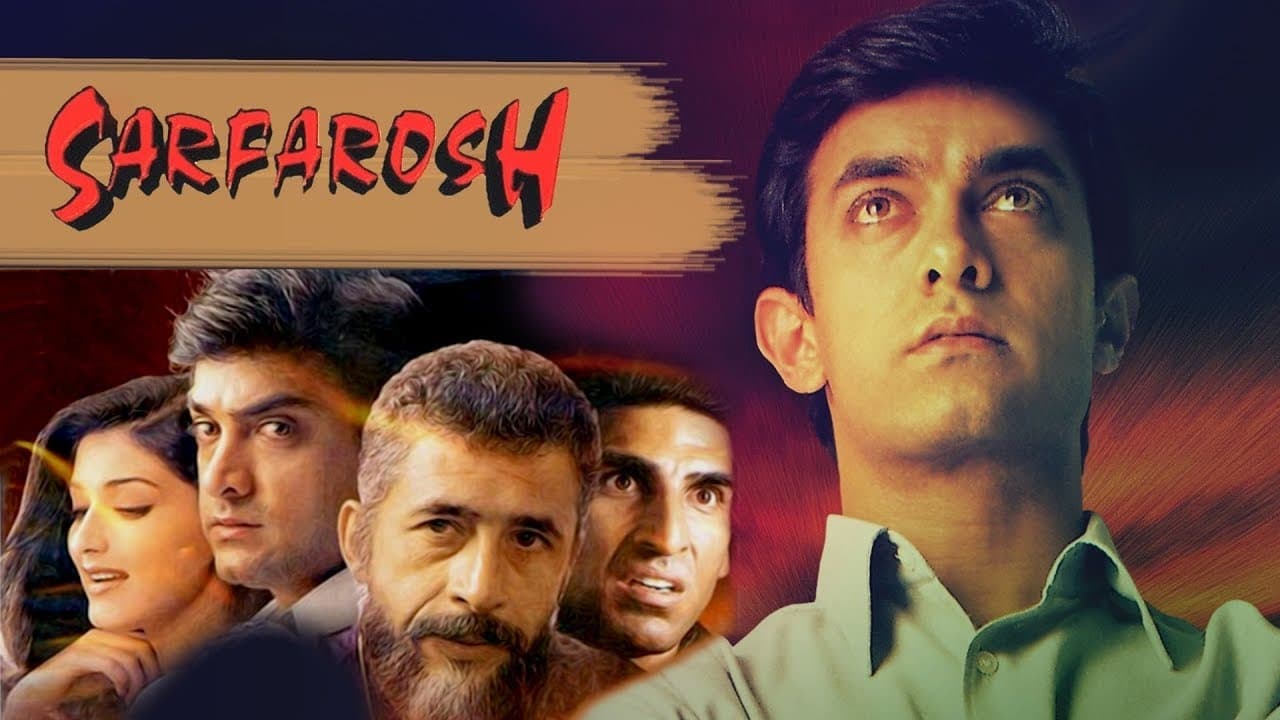
It wasn't often, scrolling through the flickering previews on a freshly rented tape in the late 90s, that a mainstream Indian film promised something genuinely… different. Amidst the usual vibrant song-and-dance extravaganzas and heightened family dramas, the trailer for Sarfarosh (1999) felt like a sharp intake of breath. It hinted at grit, at stakes that felt disturbingly real, a seriousness of purpose that cut through the noise. Pulling that distinctive VHS cover – often featuring Aamir Khan's determined gaze – off the shelf at the local rental spot felt like choosing something substantial, something that might linger long after the VCR clicked off.
A Different Kind of Heroism
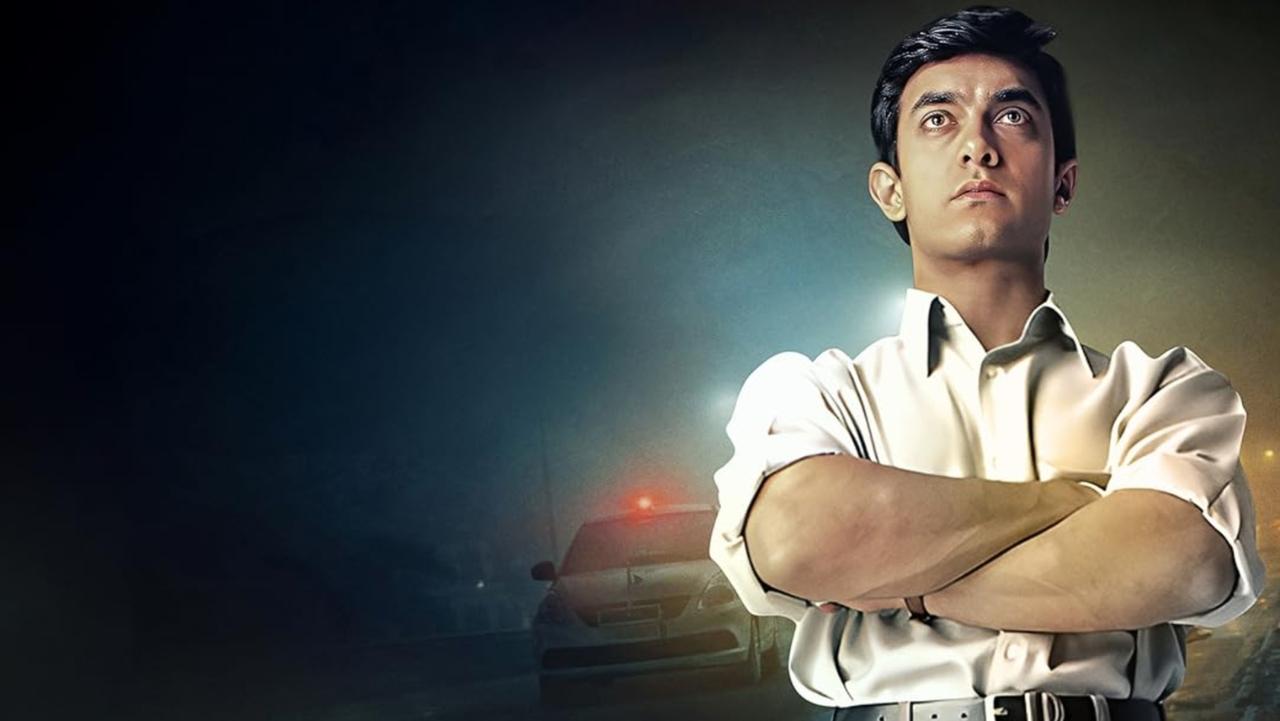
What immediately set Sarfarosh apart, and still does upon revisiting, is its grounded portrayal of duty. This isn't the larger-than-life, physics-defying cop often seen on screen. ACP Ajay Singh Rathod, played with remarkable conviction by Aamir Khan, is intelligent, relentless, but also burdened. We see the bureaucratic hurdles, the personal sacrifices, the constant, grinding pressure of investigating a complex arms smuggling ring with insidious cross-border connections. Khan, then solidifying his reputation for choosing challenging roles, embodies Rathod's quiet intensity. There's a telling anecdote that director John Matthew Matthan, in his incredibly assured debut, spent nearly seven years researching and writing the script. That dedication bleeds onto the screen; the procedures feel researched, the dialogues carry weight, and the stakes feel earned, not manufactured. It's less about flamboyant action (though the film has its moments) and more about the meticulous, often frustrating, process of police work.
Whispers Across the Border
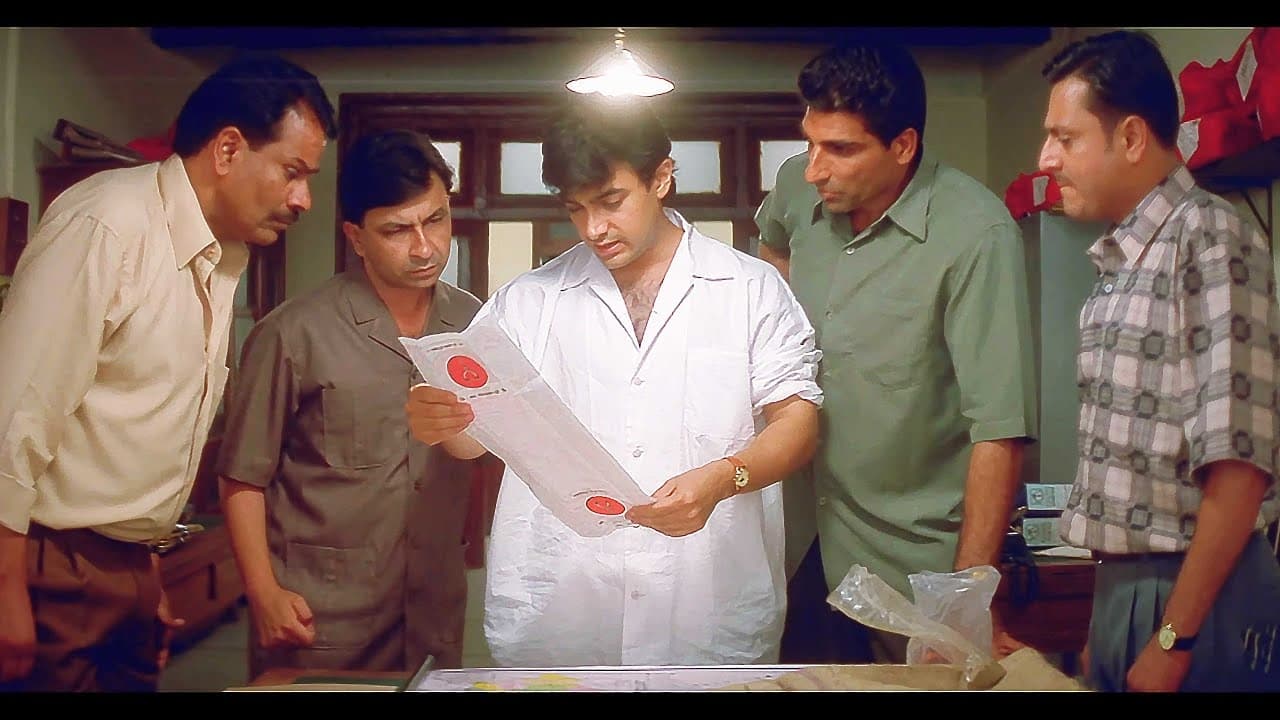
The film tackled the sensitive subject of Pakistan-sponsored terrorism with a nuance rarely seen in commercial Hindi cinema at the time. It avoided easy jingoism, instead focusing on the intricate network of smugglers, corrupt officials, and shadowy figures manipulating events from afar. Remember those tense sequences set in the Rajasthan border regions? Filming in such sensitive areas undoubtedly posed challenges, but it lends an invaluable authenticity to the narrative. The film doesn't shy away from the human cost, the lives disrupted and destroyed by this clandestine war. It forces a confrontation with uncomfortable truths, asking questions about loyalty, identity, and the very definition of patriotism that resonate beyond the confines of the plot. Doesn't that thoughtful exploration feel even more relevant today, in a world still grappling with similar complexities?
The Poet's Shadow
And then there's Gulfam Hassan. Has there ever been a more tragically captivating antagonist in 90s Hindi cinema? Naseeruddin Shah, an actor whose name alone guarantees gravitas (remember him in Masoom (1983) or later works like A Wednesday! (2008)?), delivers a performance of extraordinary depth. Hassan is a renowned Pakistani ghazal singer, seemingly embodying cultural harmony and artistic sensitivity. Yet, beneath the surface lies a chilling resolve, a deep-seated grievance fueling his covert operations. The genius of Shah's portrayal is the ambiguity he maintains for so long. Is he merely a patriot for his own nation, or something far more sinister? His interactions with Rathod crackle with unspoken tension. And who can forget the iconic ghazal, "Hoshwalon Ko Khabar Kya," sung beautifully by the legendary Jagjit Singh? It's more than just a song; it’s a piece of cultural commentary woven into the narrative, highlighting the shared heritage tragically fractured by conflict. Shah was reportedly Matthan's first and only choice for the role, and it’s impossible to imagine anyone else inhabiting it so perfectly.
Crafted with Care
Beyond the stellar lead performances, Sarfarosh benefits immensely from John Matthew Matthan's meticulous direction. He builds suspense gradually, relying on atmosphere and character development rather than cheap thrills. The supporting cast, including Mukesh Rishi as the formidable Inspector Salim and Sonali Bendre as Rathod's love interest Seema, inhabit their roles effectively. While Bendre's character arc adheres more closely to conventional Bollywood norms of the era, providing moments of levity and romance, the film never lets these elements overshadow the core investigative thriller. The lack of forced comedy or extraneous subplots keeps the focus tight. It’s telling that Sarfarosh went on to win the National Film Award for Best Popular Film Providing Wholesome Entertainment – a testament to its ability to be engaging and thought-provoking without sacrificing mainstream appeal. It was both a critical darling and a significant commercial success, proving audiences were ready for more mature storytelling.
The Echo Remains
Watching Sarfarosh today, perhaps on a streaming service rather than a worn-out VHS tape, its power remains remarkably undimmed. Yes, some technology looks dated, and the pacing might feel deliberate compared to modern thrillers, but the core strengths – the intelligent script, the superb performances, the brave handling of complex themes, and the palpable tension – still hold firm. It feels like a film made by people who genuinely believed in the story they were telling. I recall the distinct buzz around its release, the conversations about how different it felt. It wasn't just another movie; it felt like an event, a marker of change in popular Hindi cinema.
Rating: 9/10
This score reflects the film's exceptional quality, particularly within its 90s context. The outstanding performances from Aamir Khan and Naseeruddin Shah, John Matthew Matthan's confident direction in his debut, the tightly woven, intelligent script, and its brave, nuanced exploration of complex themes make it a landmark film. It masterfully balanced commercial sensibilities with artistic integrity. The slight deduction acknowledges that the romantic subplot, while standard for the era, feels less integrated than the core thriller elements.
Sarfarosh remains more than just a nostalgic favourite; it’s a potent reminder that mainstream cinema can be intelligent, challenging, and deeply affecting. What lingers most is perhaps the quiet weight of ACP Rathod's final salute – a moment earned through grit, loss, and an unwavering sense of duty that still resonates powerfully.