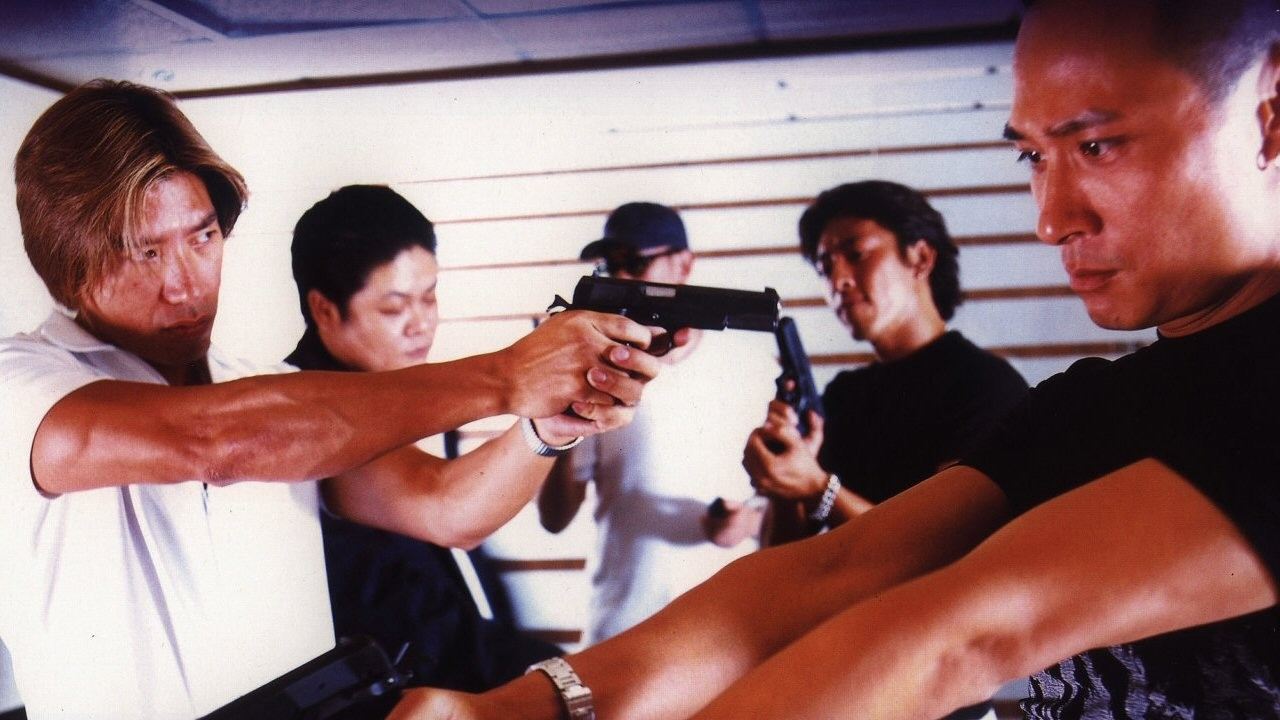
The air hangs thick not with smoke, but anticipation. Five men stand scattered through the frame, perfectly still, waiting. It’s a tableau of coiled lethality, a stark contrast to the explosive kinetics dominating action cinema as the millennium loomed. This isn't about frantic movement; it's about precision, control, and the deafening silence before the storm. This is the essence of Johnnie To's 1999 masterpiece, The Mission (鎗火), a film that rewrote the rules of the gangster thriller with quiet confidence and devastating cool.
### Five Guns, One Job
The setup is classic Hong Kong crime fare: Triad boss Lung (Ko Hung) survives an assassination attempt. Fearing for his life, his right-hand man Frank (Simon Yam, a frequent To collaborator known for films like Election) hires five elite professionals from different corners of the underworld to act as his temporary bodyguards. There’s Curtis (Anthony Wong, unforgettable in Infernal Affairs), the stoic leader and hairdresser; James (Lam Suet, another To regular), the portly gunsmith and surveillance expert; Roy (Francis Ng, who won Best Actor at Taiwan's Golden Horse Awards for this role), the slick pimp with nerves of steel; Shin (Jackie Lui), the quiet younger marksman; and Mike (Roy Cheung), the ice-cool bar owner. Thrown together by circumstance, they must learn to trust each other implicitly, operate as a seamless unit, and keep Lung alive until the threat is neutralized. But the real mission, the one that lingers long after the credits, is navigating the treacherous bonds of brotherhood when loyalty is tested by the very code they live by.
### The Tao of To: Minimalism as Maximum Impact
Forget the shaky cams and rapid-fire editing that were becoming de rigueur. Johnnie To, cementing the signature style of his production company Milkyway Image (which gave us gems like Running Out of Time the same year), crafts The Mission with an almost painterly eye. Static shots dominate, allowing the tension to build within the frame. Characters are often positioned strategically in deep focus, their subtle shifts in posture or guarded glances speaking volumes more than pages of dialogue ever could. To famously shot the film in a mere 18 working days, working from a minimal script outline by his trusted writer Yau Nai-hoi. Much of the film's magic, including its iconic set pieces, was reportedly developed on set, relying heavily on the incredible chemistry and improvisational skills of its veteran cast. This wasn't just filmmaking; it felt like alchemy.
Remember that shopping mall sequence? Pure cinematic genius. The bodyguards, alerted to danger, don't panic. They simply assume positions. Each man finds cover, gun drawn, scanning sightlines with professional calm. The camera holds, letting the geography of potential violence sink in. The ensuing shootout is brief, brutal, and precise – a masterclass in contained chaos. It’s less about the bullets fired and more about the unspoken understanding and flawless execution between the men. It’s moments like these that make The Mission stand out as a truly distinct 90s Hong Kong thriller.
### Kicking Paper and Shifting Loyalties
It's not all deadly serious business, though. The film understands the importance of downtime, of showing these killers as men. The legendary scene where the bored bodyguards start casually kicking a crumpled paper ball around an empty office is justly celebrated. It’s playful, almost mundane, yet it powerfully establishes their growing camaraderie and unspoken communication. It’s a moment of fragile peace before the inevitable complications arise. These aren't just hired guns; they become a unit, a temporary family forged in the crucible of shared danger.
This camaraderie makes the film's latter half, where internal conflict threatens to tear them apart, all the more potent. (Spoiler Alert! for the core conflict, though not the resolution). When it's revealed one of the crew had an affair with the boss's wife, the order comes down: Shin must be eliminated. The professional code demands it, but the bond they've formed rebels against it. The final standoff isn't against external enemies, but amongst themselves, a heartbreaking dilemma played out with the same icy precision and minimal dialogue that defines the film's action sequences. How do you fulfill a contract when the target is your brother-in-arms? The tension is almost unbearable.
### Behind the Cool Exterior
The film’s lean budget (reportedly around HK$2.5 million, incredibly low even then) forced creative solutions, contributing to its stripped-down aesthetic. The actors, many already established stars and frequent collaborators, brought an instant shorthand and authenticity to their roles. Anthony Wong is the anchor, his weary authority grounding the group. Francis Ng radiates unpredictable energy, while Lam Suet provides subtle comic relief and technical prowess. Each performance is perfectly calibrated, contributing to the ensemble's magnetic pull. Discovering this film, perhaps on a late-night channel or a slightly worn import DVD rather than a Blockbuster shelf staple, felt like stumbling onto a secret handshake within the action genre – proof that style could be substance, and silence could be deafening.
### Lasting Impact
The Mission wasn't a massive box office smash initially, but its critical acclaim, particularly Johnnie To's Best Director win at the Hong Kong Film Awards, cemented its status. It became a cornerstone of the Milkyway Image identity and profoundly influenced the neo-noir action thrillers that followed, both in Hong Kong and internationally. Its emphasis on atmosphere, ensemble chemistry, and stylized stillness offered a sophisticated alternative to bombast. Doesn't that blend of effortless cool and underlying menace still feel potent today?
---
Rating: 9/10
The Mission is a masterclass in minimalist filmmaking, proving that tension doesn't need noise and action doesn't require frenzy. Its strength lies in Johnnie To's confident direction, the impeccable ensemble cast breathing life into archetypes, and its masterful control of atmosphere. The fast shoot and skeletal script only heighten the achievement, resulting in a film that feels lean, mean, and devastatingly effective. It's a film where stillness speaks volumes, loyalty has a price, and being cool under fire is an art form. A defining moment for late 90s Hong Kong cinema and a must-watch for any fan of intelligent, stylish thrillers. It remains, quite simply, one of the coolest films ever made.