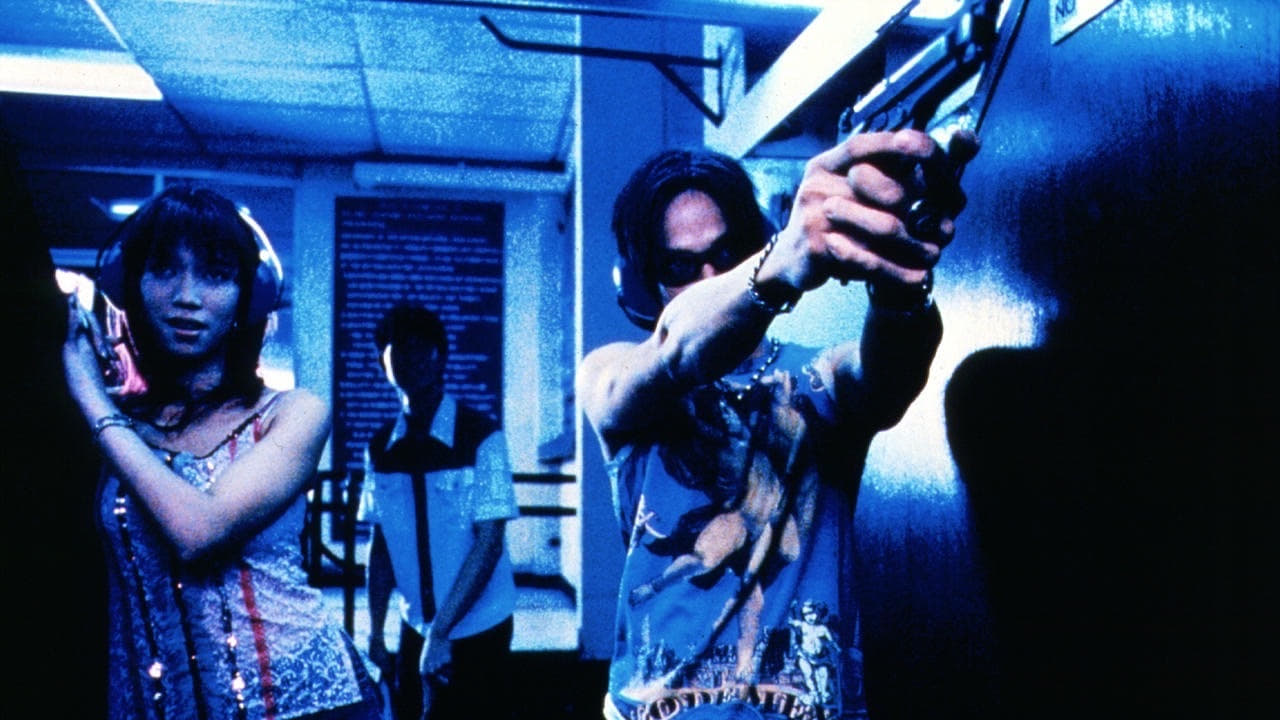
The neon glow reflects off rain-slicked streets, but it offers no warmth, only a sickly fluorescence that highlights the grime. This isn't the Bangkok of postcards. This is the pulsing, dangerous heart depicted in the Pang Brothers' original 2000 vision, Bangkok Dangerous – a film that arrived just as the VHS era was truly fading, yet carries all the grit and atmospheric intensity we crave from that time. Forget the glossier, diluted Hollywood remake that followed eight years later; this is the raw, uncut source, a potent shot of nihilistic style that still hits hard.
City of Shadows, Silent Killer
Our entry point into this underworld is Kong (Pawalit Mongkolpisit), a hitman operating with chilling efficiency. But Kong carries a secret that defines his existence and the film's unique texture: he is deaf and mute. This isn't merely a character quirk; it's the lens through which we experience the narrative. Directors Oxide Pang Chun and Danny Pang Fat, who also penned the script, masterfully use Kong's silence. The world around him buzzes with muffled chaos, punctuated by sharp, visceral sounds – the crack of gunfire, the thud of a body, the rumble of a train – amplifying the isolation and menace. Pawalit Mongkolpisit, in a star-making turn despite limited prior experience, conveys worlds of weariness, loneliness, and lethal focus without uttering a single word. His performance is a masterclass in physical expression, anchoring the film's bleak soul.
Style Forged in Grit
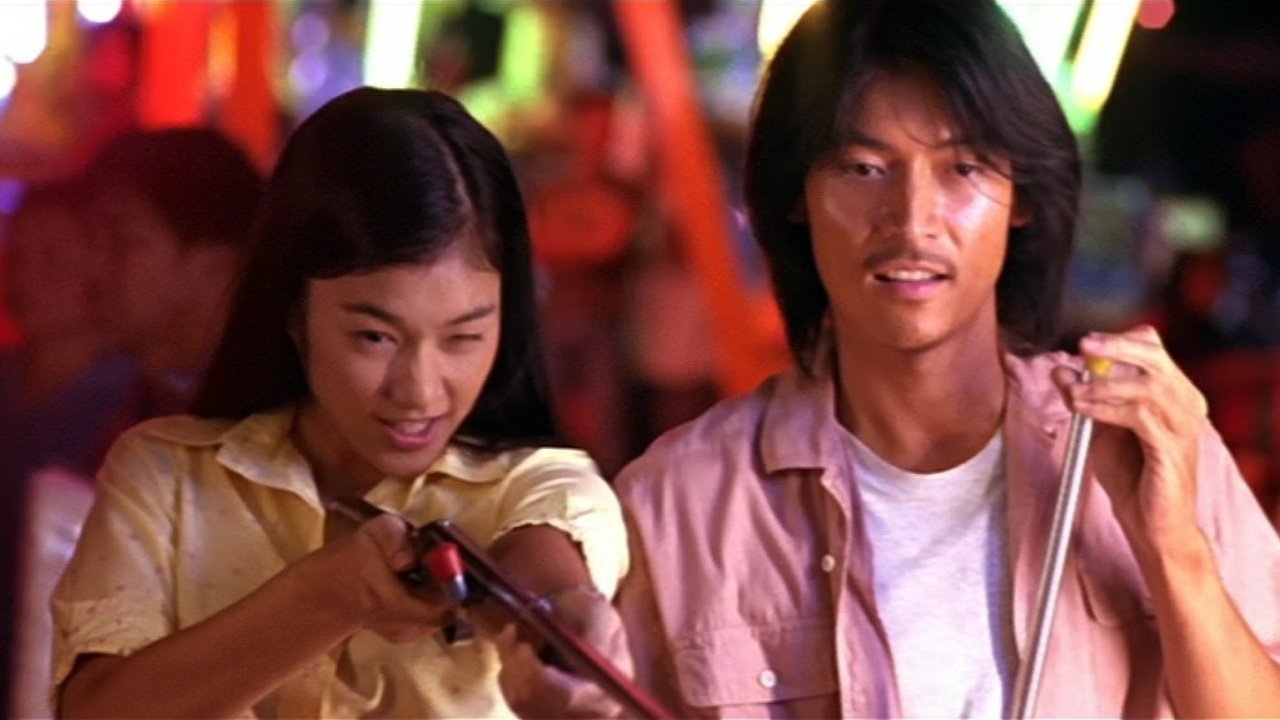
Shot on a relatively modest budget (reportedly around $400,000 USD, a pittance even then), Bangkok Dangerous oozes a style born from necessity and artistic invention. The Pang Brothers employed techniques like bleach bypass processing and stark colour grading, creating a desaturated, high-contrast look that feels simultaneously dreamlike and brutally real. It's a visual signature that perfectly complements the narrative's moral ambiguity. The action sequences, while perhaps lacking the polish of later blockbusters, possess a raw, kinetic energy. They feel grounded and desperate, reflecting Kong's precarious existence rather than indulging in superheroics. Remember the chaotic energy of Hong Kong action cinema bleeding into the late 90s? This feels like its darker, Thai cousin, infused with a palpable sense of dread.
One fascinating tidbit often overlooked is how the Pang Brothers, early in their careers and working with constraints, used innovative, often handheld camerawork to immerse the viewer directly into the chaotic environment. There’s a story about them attaching cameras to unconventional rigs to capture specific, disorienting perspectives during chase scenes, adding to that signature gritty feel without a Hollywood budget for elaborate setups. This wasn't slickness; it was resourceful, impactful filmmaking.
A Glimmer of Light, Doused in Rain
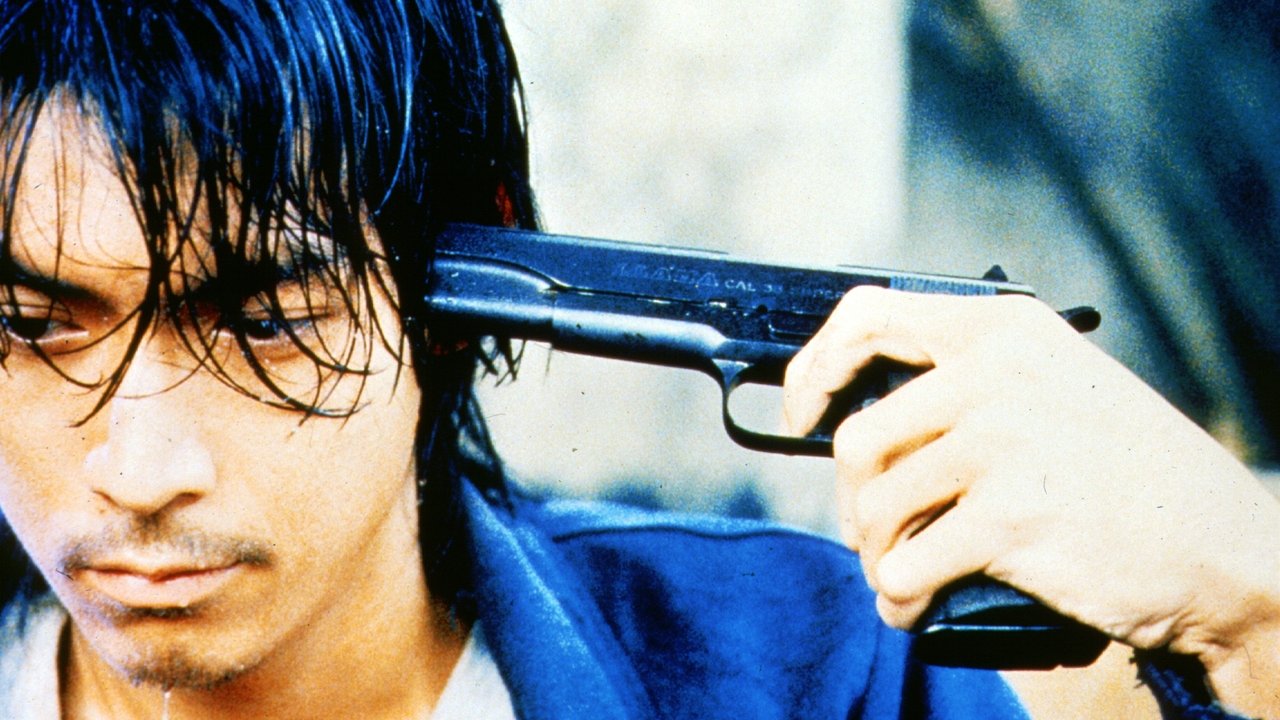
Amidst the contract killings and underworld dealings, Kong finds a tentative connection with Fon (Premsinee Ratanasopha), a gentle pharmacy worker. This subplot offers a fragile counterpoint to the surrounding darkness, a glimpse of potential redemption or escape. Yet, the film never shies away from the inherent danger of Kong's life bleeding into this fragile relationship. There's a constant tension – can someone living by violence ever truly find peace? The casting of Fon was apparently crucial; the Pang Brothers wanted someone who exuded an innate sweetness to contrast sharply with Kong's world, and Premsinee Ratanasopha delivers that perfectly, making their interactions poignant, even amidst the surrounding decay.
The film also features Joe (Patharawarin Timkul), Kong's contact and partner, who provides a more cynical, street-hardened perspective. Her character adds another layer to the complex dynamics of loyalty and betrayal that permeate this nocturnal landscape.
Enduring Echoes of Danger
While the 2008 Nicolas Cage remake (also directed by the Pang Brothers) brought the title to wider international attention, it smoothed many of the original's rough edges, opting for a more conventional action narrative. The original Bangkok Dangerous remains superior precisely because of its rawness. It’s a mood piece as much as an action film, a dive into alienation and the corrosive nature of violence. Its influence can be seen in subsequent gritty crime thrillers that embraced a more stylized, atmospheric approach. It arrived at the turn of the millennium, almost feeling like a final, potent gasp of the kind of unapologetically bleak and stylish genre filmmaking that thrived in the 90s indie and international scenes – the kind of discovery you’d excitedly tell your friends about after finding it tucked away in the 'World Cinema' section of the video store.
Did its bleakness resonate with you back then, or did the unique premise draw you in? For me, finding this gem years ago felt like uncovering a secret – a film operating on its own moody frequency.
Rating: 8/10
This score reflects the film's powerful atmosphere, its unique central conceit, Pawalit Mongkolpisit's compelling silent performance, and the Pang Brothers' striking visual style achieved under constraints. It's docked slightly perhaps for occasional pacing dips inherent in its moodier approach, but its impact is undeniable. It’s a visceral, stylish, and haunting journey into the Bangkok underworld – the real dangerous original.