Okay, let’s dim the lights, maybe pour a glass of something smooth, and settle in. Remember those late 90s video store runs, scanning the shelves past the explosive blockbusters for something… different? Something quieter, maybe a little quirky? That’s often where you’d find a film like Lawrence Kasdan’s Mumford (1999), nestled perhaps between bigger names, waiting with its gentle, peculiar charm. It wasn't the kind of film that shouted from the poster rack, but finding it felt like uncovering a small, well-kept secret.
### The Unexpected Therapist
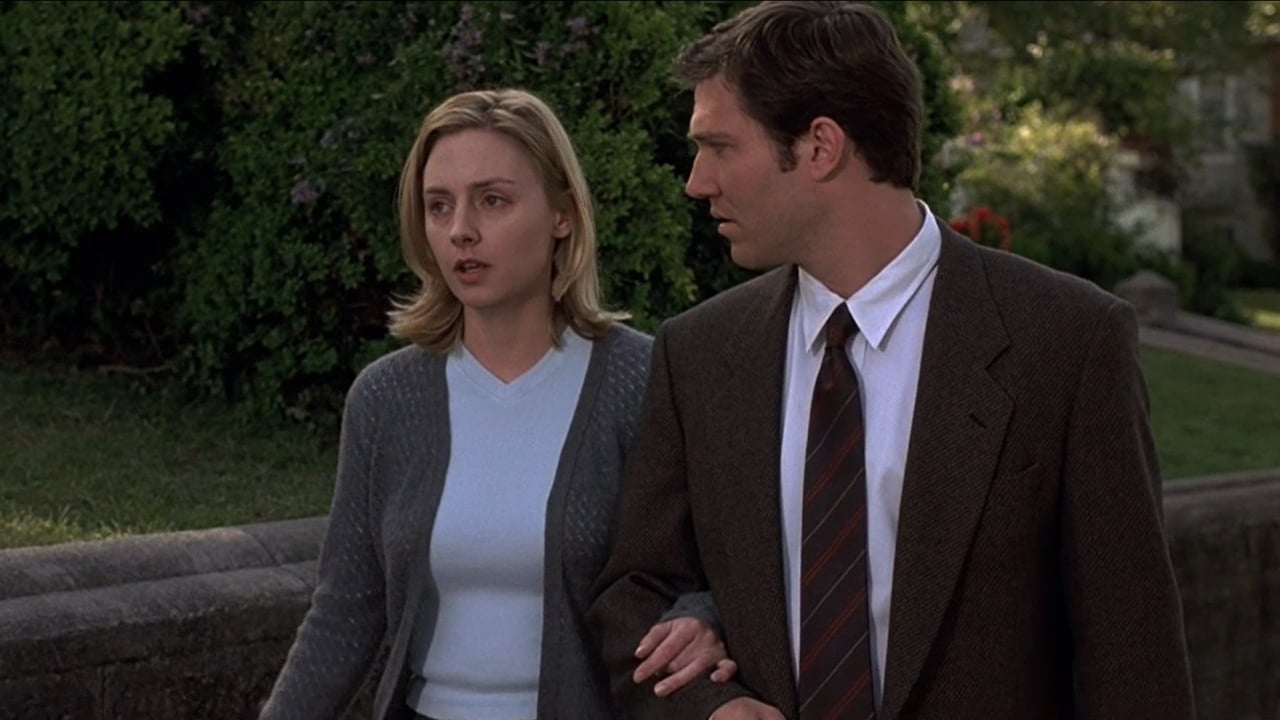
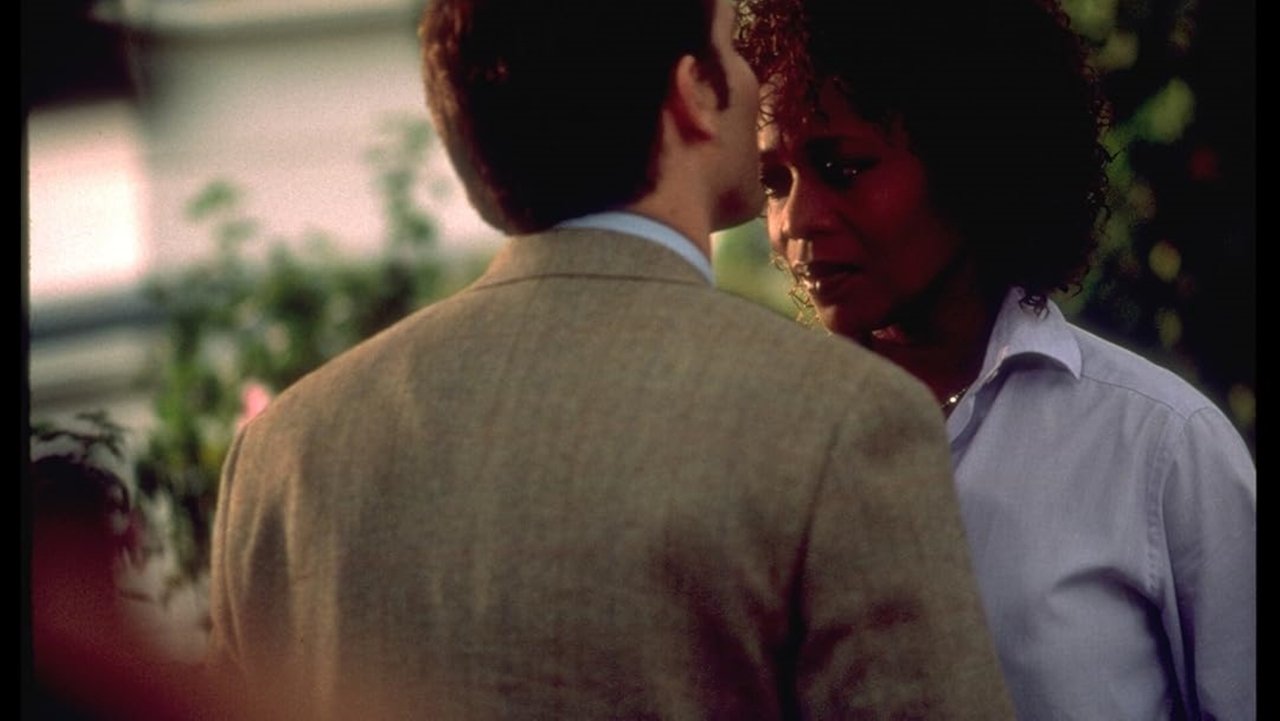
The premise itself is a quiet hook: a psychologist named Dr. Mumford (Loren Dean) arrives in the idyllic, slightly eccentric small town also named Mumford (a coincidence that feels perfectly in keeping with the film's off-kilter reality). He sets up shop and quickly becomes the town's favored confidante. His approach is refreshingly direct, compassionate, and almost unnervingly insightful. He genuinely seems to help people – the lonely housewife Nessa (Mary McDonnell), the compulsive shopper Althea (Alfre Woodard), the awkward electronics whiz Henry (Pruitt Taylor Vince), and the chronically fatigued Sofie (Hope Davis), with whom he develops a tentative connection. Even the town's resident tech billionaire, the perpetually restless Skip Skipperton (Jason Lee), finds himself drawn to Mumford's unconventional methods. But there's a question hanging in the air, as palpable as the summer heat in this too-perfect town: who is this Dr. Mumford, really?
### Kasdan's Gentle Touch
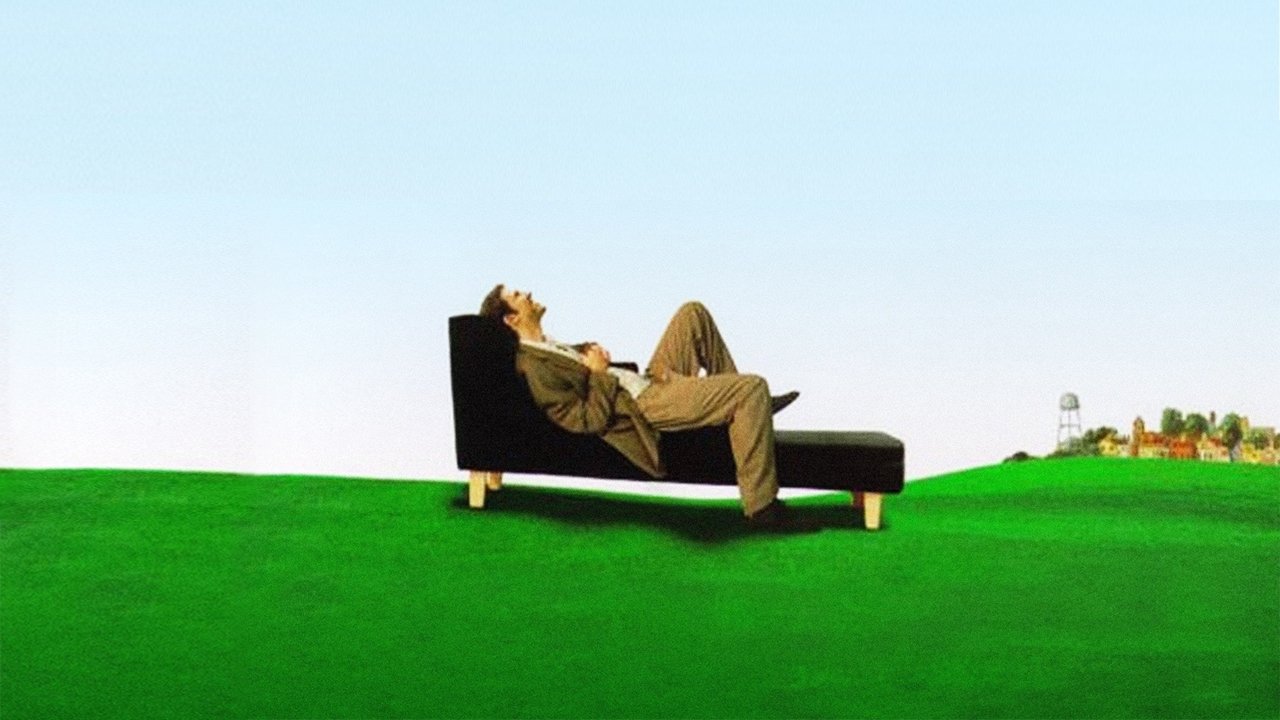
After navigating the sprawling Western landscape of Wyatt Earp (1994), Mumford feels like a deliberate return for writer-director Lawrence Kasdan to the character-driven ensembles he excelled at in films like The Big Chill (1983) and Grand Canyon (1991). Here, the scale is intimate, the focus firmly on the tangled lives and quiet desperations of the townsfolk. Kasdan, who penned the script himself, clearly has an affection for these flawed individuals. He observes them with a warm, non-judgmental eye, allowing their neuroses and vulnerabilities to unfold naturally. There’s a distinct lack of cynicism here; the film genuinely believes in the possibility of connection and healing, even if the path there is unconventional. It was filmed largely in northern California towns like Ferndale and Santa Paula, locations that perfectly embody that slightly sleepy, picture-postcard vibe where secrets might just fester beneath the surface.
### A Cast of Quiet Authenticity
The ensemble cast is key to the film's success. Loren Dean, often a supporting player, steps into the lead with an appealingly understated presence. His Mumford is calm, observant, and radiates a sincerity that makes you understand why everyone opens up to him, even as you sense something hidden beneath his placid exterior. It’s a performance built on listening, on subtle reactions that suggest deeper currents.
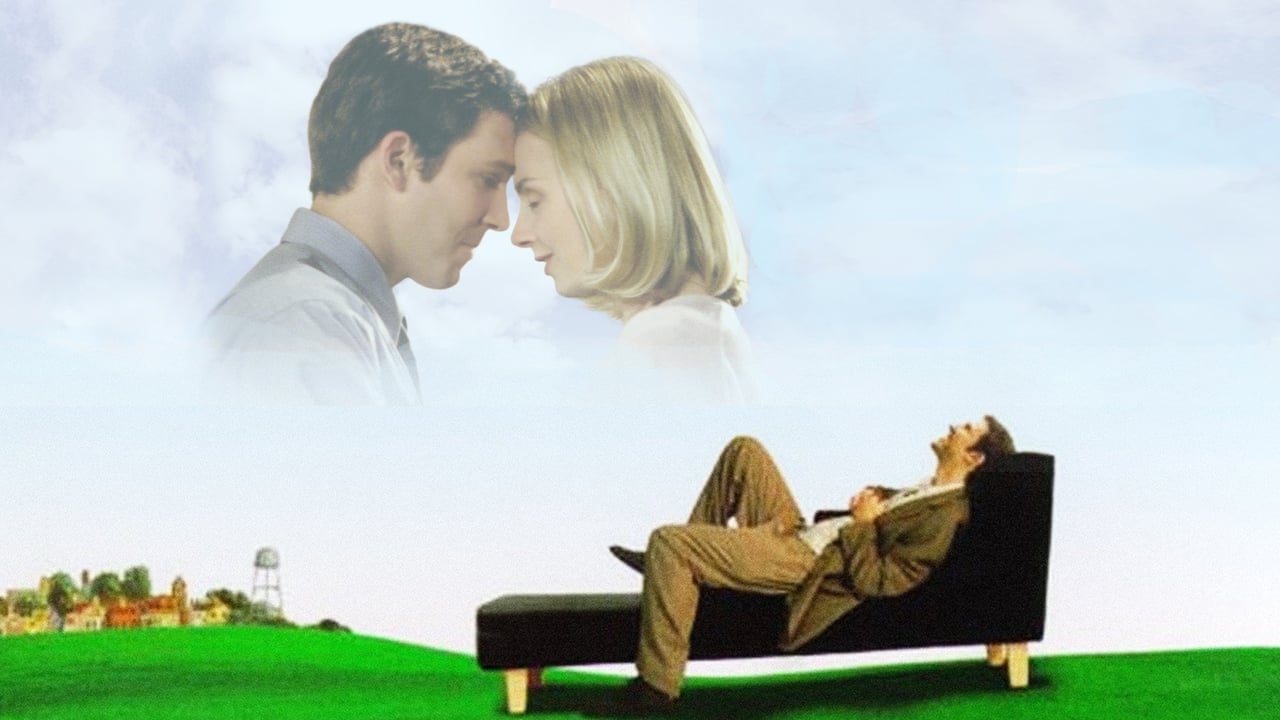
Opposite him, Hope Davis as Sofie is luminous. She captures the weary frustration and buried hope of someone struggling with chronic fatigue syndrome (a condition rarely depicted on screen then, or now) with incredible sensitivity. Her scenes with Dean have a fragile, tentative chemistry that feels utterly real. And then there’s Jason Lee, bringing his signature manic energy to Skip Skipperton, yet finding moments of genuine pathos beneath the billionaire bravado. He’s hilarious, yes, but also touchingly adrift. The supporting cast, including veterans like Ted Danson and Martin Short as fellow therapists (one slick, one neurotic), are all perfectly tuned to Kasdan’s specific wavelength. It feels less like a collection of actors and more like a genuine community.
### Behind the Couch: Quirks and Questions
Interestingly, Mumford wasn't a box office hit. Made for a reported $28 million, it grossed under $5 million domestically. Perhaps its gentle pace and lack of major dramatic fireworks didn't connect with audiences seeking louder fare in 1999. Yet, watching it now, that quietness feels like a strength. It allows the smaller moments to breathe – a shared glance, an awkward confession, a hesitant step towards change. These are the moments that Kasdan seems most interested in.
The film doesn't offer easy answers about therapy or identity. It acknowledges the complexities, the messiness of human lives. Is Mumford's method legitimate if his credentials aren't? Does the outcome justify the means? The film lets these questions linger, inviting reflection rather than providing neat resolutions. Doesn't that feel more true to life, somehow?
### Lasting Impressions
Mumford isn't a film that grabs you by the lapels. It’s more like a pleasant, engaging conversation you drift into and find surprisingly rewarding. It’s warm, witty (in a low-key way), and populated by characters who feel recognizably human, warts and all. It possesses a certain Rockwellian charm, updated with late-90s anxieties. Maybe its initial commercial failure destined it for the "hidden gem" shelf at the video store, but for those of us who appreciate character-focused storytelling and a touch of gentle eccentricity, it remains a delightful discovery or a welcome revisit. It reminds us that sometimes, the most profound journeys happen in the quietest places.
Rating: 7.5/10
Justification: While not revolutionary, Mumford is a skillfully crafted, wonderfully acted, and genuinely heartfelt dramedy. Its strengths lie in Kasdan's empathetic direction, the superb ensemble cast (especially Dean and Davis), and its thoughtful exploration of connection and authenticity. It loses minor points perhaps for a slightly too-tidy wrap-up for some storylines and a pace that might test less patient viewers, but its warmth and intelligence shine through.
Final Thought: It’s a film that leaves you feeling better about people, a gentle reminder that listening – truly listening – might be the most therapeutic act of all.