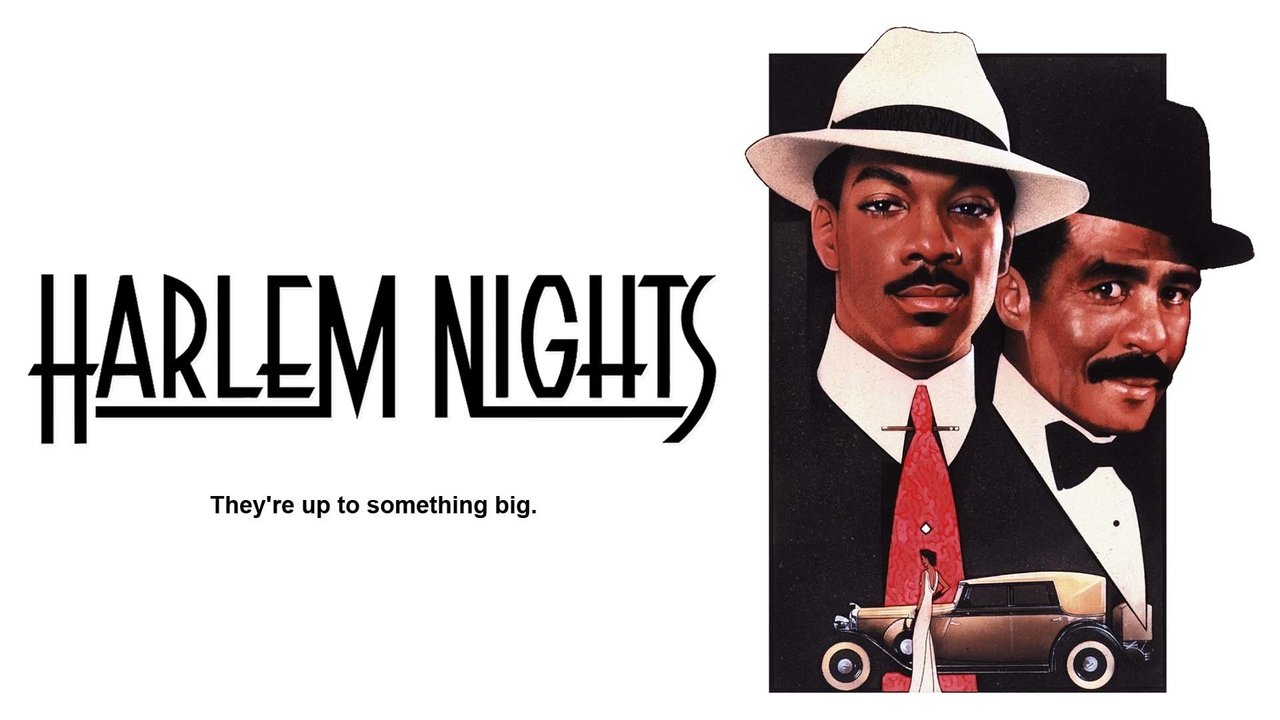
Alright, rewind time. Remember the thrill of spotting that oversized VHS box on the rental shelf? The one promising a triple threat of comedy royalty? I'm talking about Eddie Murphy's ambitious, slick, and maybe slightly uneven directorial debut, 1989's Harlem Nights. Slipping this tape into the VCR felt like accessing something grown-up, maybe even a little dangerous, packed with legends doing what they do best... mostly.
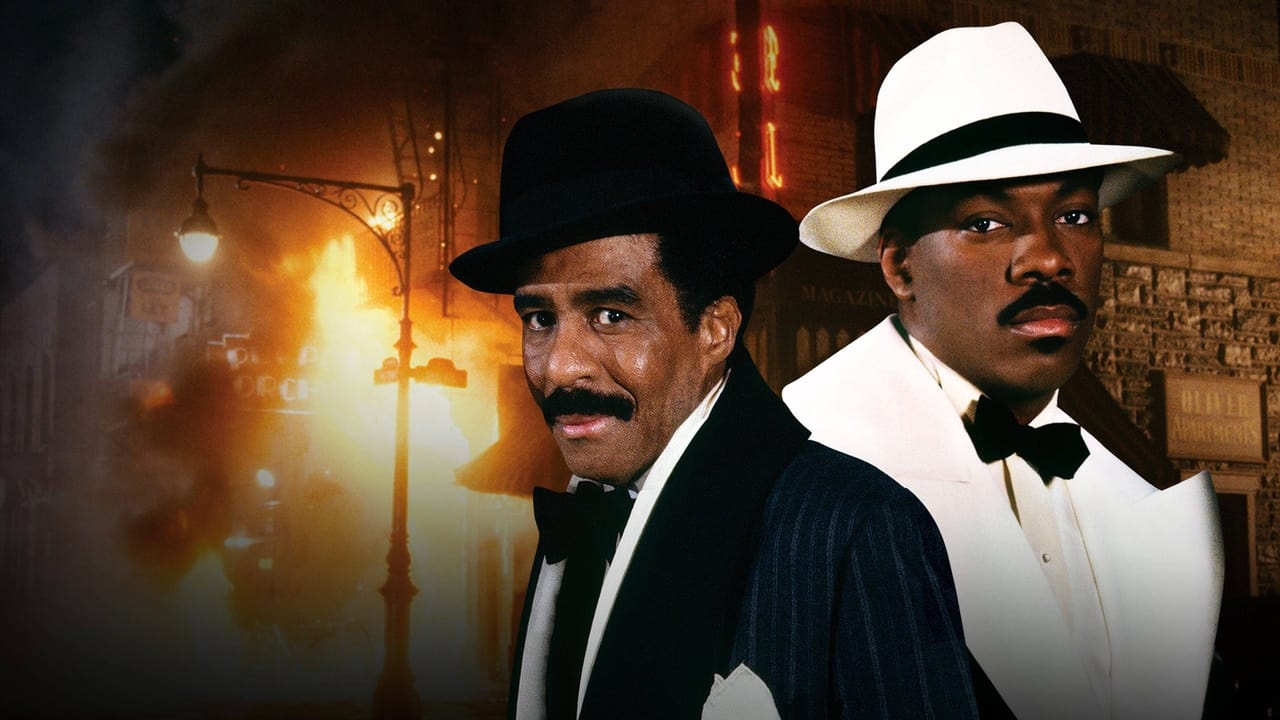
This wasn't just another Eddie Murphy vehicle; this was Murphy grabbing the steering wheel, hitting the gas, and aiming straight for cinematic history. At just 28, fresh off massive hits like Coming to America, he not only starred but also wrote and directed this period piece, setting out to unite himself with his idols: the incomparable Richard Pryor and the legendary Redd Foxx. The sheer audacity of it still resonates – gathering these titans for a glossy gangster tale set in the smoky, jazz-filled world of 1930s Harlem nightlife.
Aces High, Expectations Higher
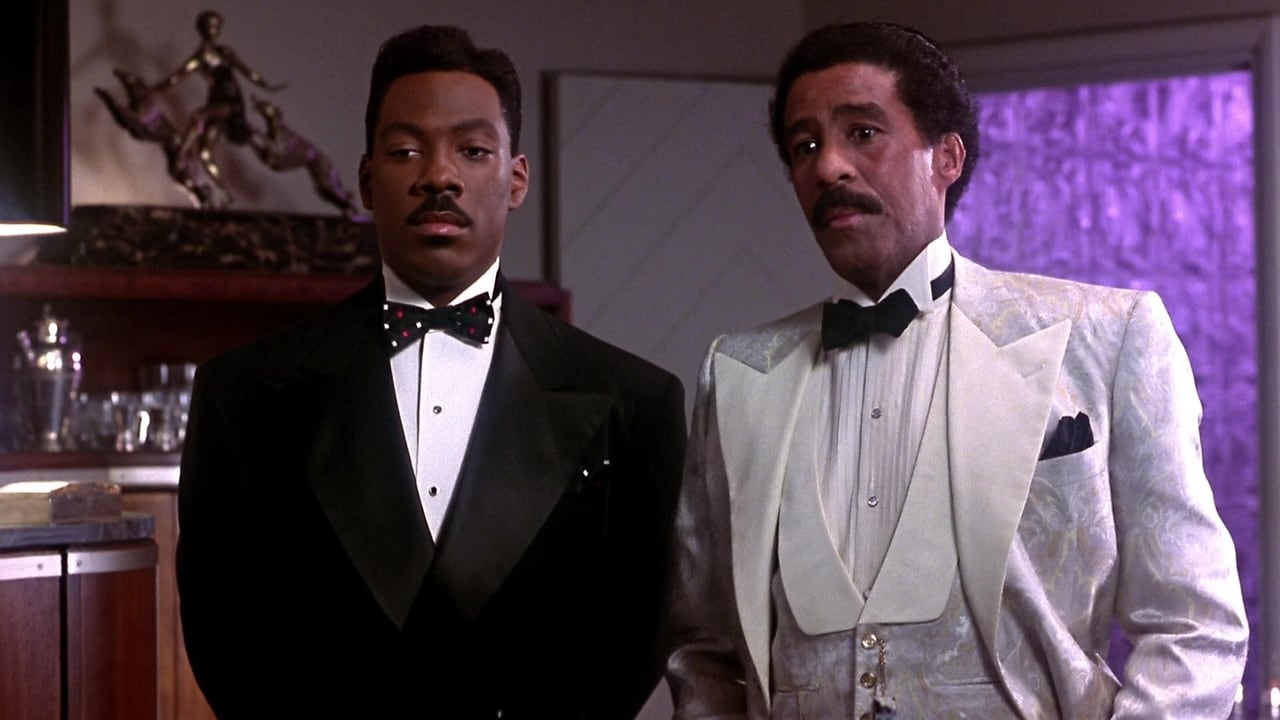
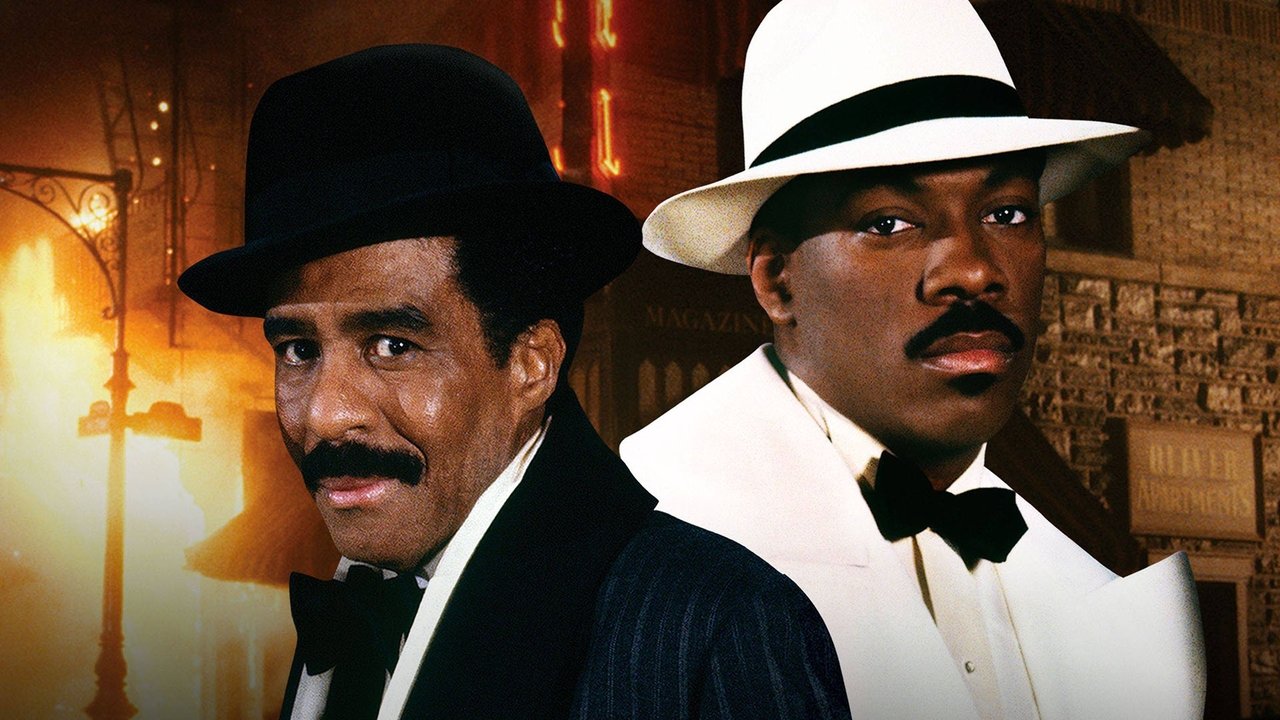
The premise itself is pure pulp pleasure: Sugar Ray (Richard Pryor, radiating weary charisma even amidst his health battles at the time) runs a successful illegal casino in 1938 Harlem. His adopted son, Quick (Eddie Murphy, sharp-suited and sharper-tongued), is his hot-headed but loyal right-hand man. They've got a good thing going, rubbing shoulders with pimps, players, and powerful figures like the unflappable Bennie Wilson (Redd Foxx, effortlessly owning every scene he's in, a role Murphy reportedly wrote specifically for him). Trouble arrives in the form of greasy, crooked cop Sgt. Cantone (Danny Aiello) and ruthless gangster Bugsy Calhoune (Michael Lerner), who want a bigger piece of the pie – or maybe the whole damn pie.
The setup promises fireworks, and Harlem Nights certainly delivers flashes of brilliance, particularly when its powerhouse cast gets to simply talk. Watching Pryor and Foxx trade barbs, even simple lines, feels like witnessing a masterclass. Remember that scene where Foxx, nearly blind as Bennie, complains about the craps game? Pure gold. And Della Reese as Vera? Forget about it. She absolutely steals the show as the tough-as-nails, foul-mouthed madam, delivering lines that probably made the ratings board sweat buckets. Her infamous "toe" scene is the stuff of legend – shocking, hilarious, and utterly unforgettable. It’s a testament to Reese's sheer force of personality that she stands toe-to-toe (pun intended) with the comedy giants and walks away with some of the film's biggest laughs and most memorable moments.
Style Over Smoothness?
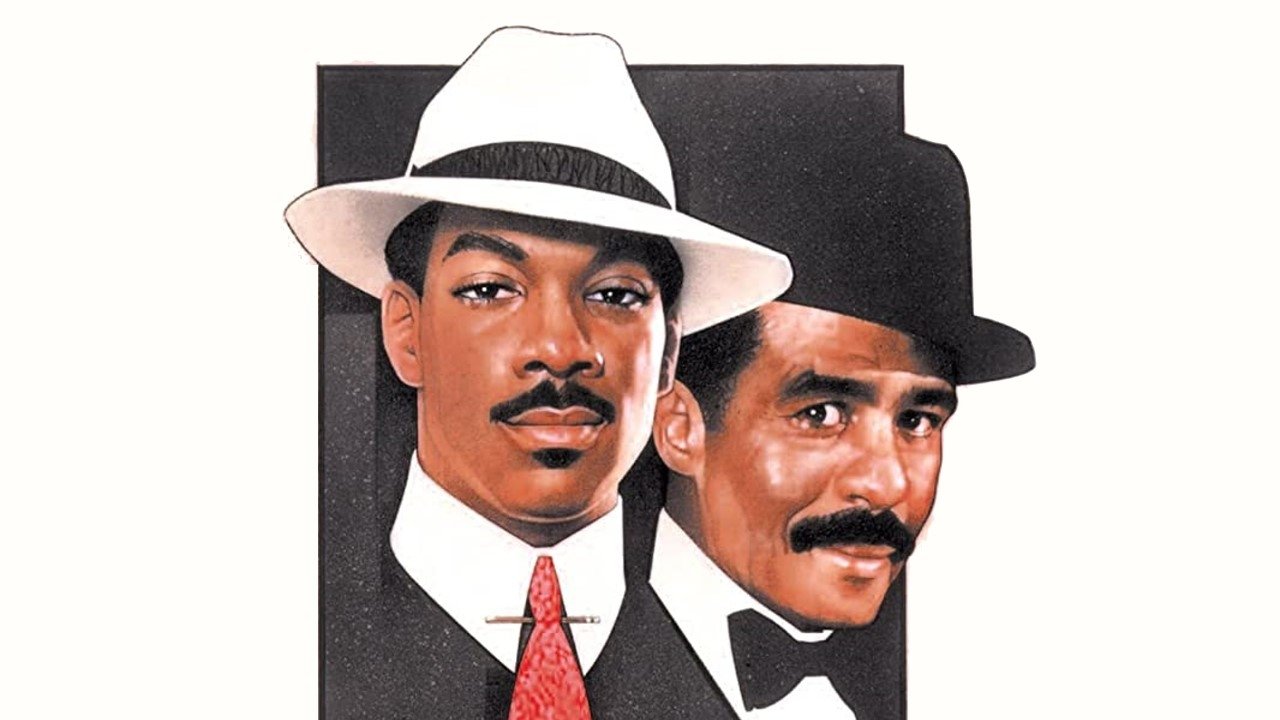
Where Harlem Nights gets interesting, and maybe a little wobbly, is in Murphy's direction and script. Visually, the film is stunning. Shot largely on Paramount soundstages, it boasts incredibly lush, detailed sets and gorgeous period costumes by Joe I. Tompkins. It looks expensive – and it was, clocking in at around a $30 million budget (that's roughly $74 million today!). You can feel Murphy aiming for a classic Hollywood gangster feel, filtered through an 80s lens of excess and style. The cinematography captures the smoky interiors and neon-lit streets beautifully, creating a specific, almost artificial, but undeniably rich atmosphere. It’s the kind of detailed world-building that felt tangible, even on a fuzzy CRT screen.
However, the narrative pacing sometimes stutters. The plot meanders occasionally, feeling more like a series of great vignettes strung together than a tightly wound crime thriller. Some jokes land perfectly, showcasing Murphy’s sharp wit, while others feel a bit broad or fall slightly flat. It's the kind of film where the sheer charisma of the cast often papers over the script's occasional cracks. And let's talk about the language – whoa. This movie was notorious for its profanity back in '89. Watching it on VHS, probably late at night when parents were asleep, felt genuinely edgy. It pushed the R-rating envelope with gleeful abandon.
Legacy in the Limelight
Critics at the time? They mostly hated it. Eddie Murphy even "won" a Razzie for Worst Screenplay. But audiences? They showed up. The film pulled in a respectable $95 million worldwide (around $235 million adjusted for inflation), proving the drawing power of its incredible cast. Over the years, Harlem Nights has found its groove as a cult favorite, especially among those who appreciate the rare chance to see Murphy, Pryor, and Foxx share the screen. It’s flawed, sure. It’s uneven. But it’s also undeniably entertaining, stylish, and features moments of pure comedic brilliance. Seeing Pryor, frail but still possessing that incredible spark, alongside the razor-sharp Foxx in one of his final roles, feels poignant now.
It’s also worth noting the film’s place as a major studio picture directed by, written by, and starring Black talent, set in a historical Black context – something still depressingly rare, especially back then. Murphy's ambition wasn't just directorial; it was representational.
***
VHS Heaven Rating: 7/10
Justification: The score reflects the undeniable star power and chemistry of the legendary cast (Pryor, Murphy, Foxx, Reese are electric), the gorgeous production design, and moments of genuine comedic gold. It loses points for the uneven pacing, sometimes clunky script, and a feeling that the incredible potential wasn't fully realized. It's stylish and ambitious, but flawed.
Final Thought: Harlem Nights might not be a perfectly cut gem, but slipping it back into the VCR (metaphorically speaking) is like revisiting a high-stakes poker game with legends – sometimes the bluffing is more entertaining than the hand itself, and the sheer style makes it a pot worth watching.