Sometimes, nestled amongst the neon-splashed action flicks and goofy comedies on the video store shelves, you’d find a tape that felt... different. Maybe the cover art was stark, the synopsis oblique. Bruno Dumont's Humanité (1999) is precisely that kind of film – a challenging, unyielding gaze into the human condition that arrived at the tail end of the 90s, feeling worlds away from the Y2K anxieties and blockbuster gloss surrounding it. This isn't a comfort watch; it’s a film that burrows under your skin and demands contemplation long after the haunting final frames fade to black.
### A Bleak Canvas
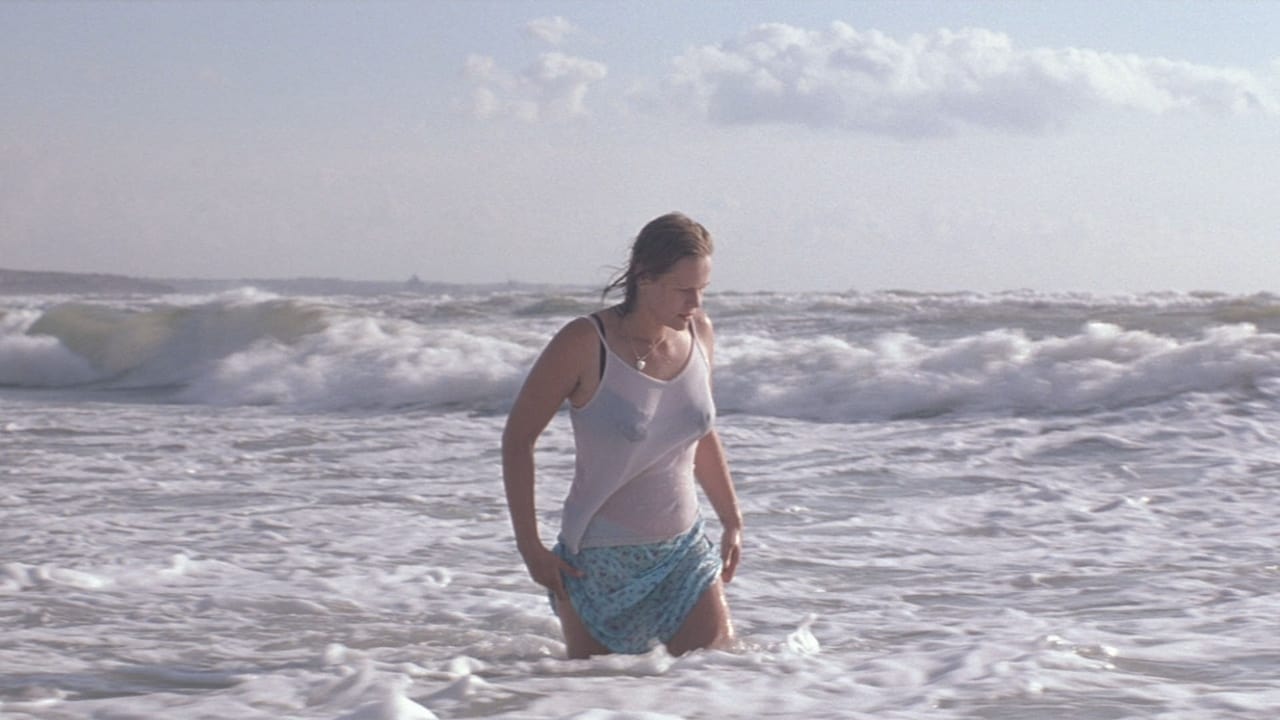
The setting is Bailleul, Northern France. The landscape, captured with an unflinching eye by Dumont, is flat, expansive, often grey – less a backdrop and more an active participant in the film's profound sense of unease. Against this canvas, a horrific crime unfolds: the brutal sexual assault and murder of an 11-year-old girl. Assigned to the case is Lieutenant Pharaon De Winter, played with astonishing, almost alien intensity by Emmanuel Schotté. Pharaon is not your typical movie detective. He moves slowly, deliberately, his large eyes seeming to absorb the world's suffering with an unbearable sensitivity. He often breaks down, overcome by empathy or perhaps something more primal, his physical reactions – sudden convulsions, guttural noises – deeply unsettling.
### The Unconventional Heart
What makes Humanité so compelling, and arguably so difficult for some, is its anchoring in Pharaon’s perspective. Emmanuel Schotté, remarkably, was a non-professional actor discovered by Dumont (a recurring practice for the director, who sought authenticity often found outside traditional casting pools). His performance is devoid of polished technique; instead, it radiates a raw, almost unbearable vulnerability. He seems less like a person acting and more like a soul laid bare. This approach garnered significant attention, with Schotté winning Best Actor at the 1999 Cannes Film Festival – an incredible feat for a debut, non-professional performance. His Pharaon feels almost like an innocent thrust into a fallen world, his hyper-empathy both a gift and a crushing burden. We watch him investigate, but his process is internal, observational, punctuated by these jarring physical manifestations of psychic pain. Does his closeness to suffering give him insight, or does it implicate him in some deeper, more spiritual way?
### The Weight of Being
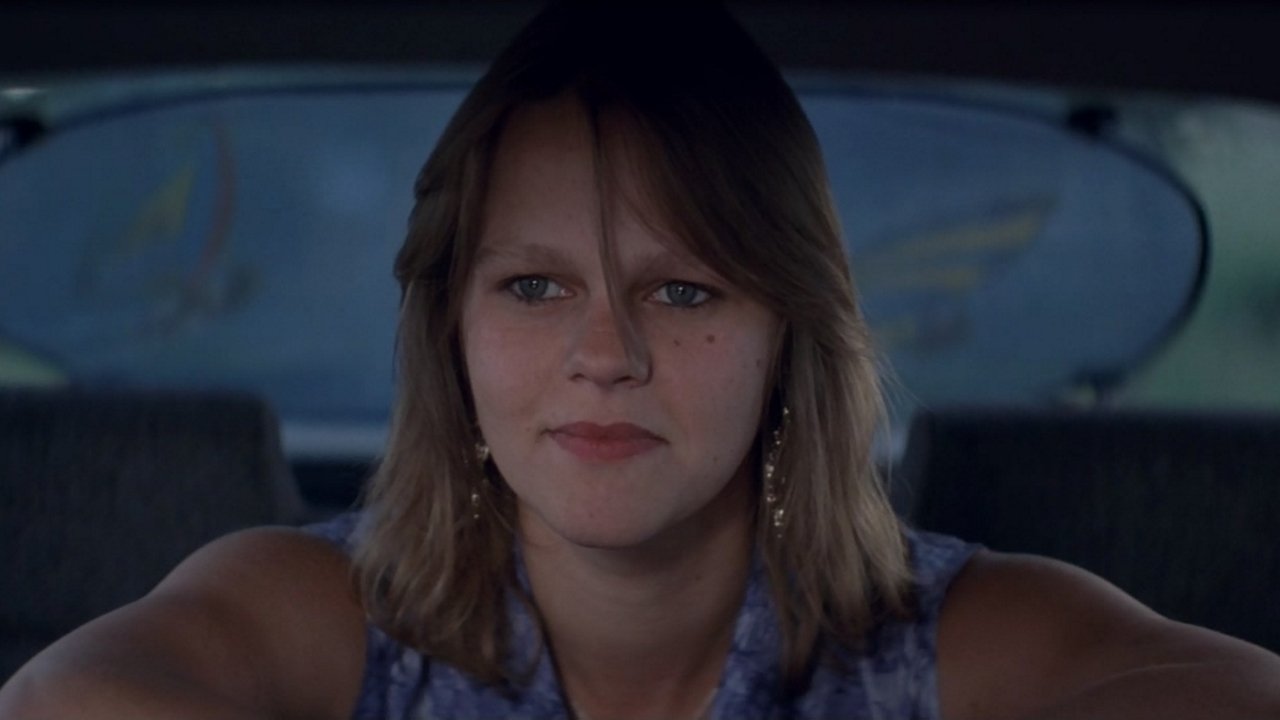
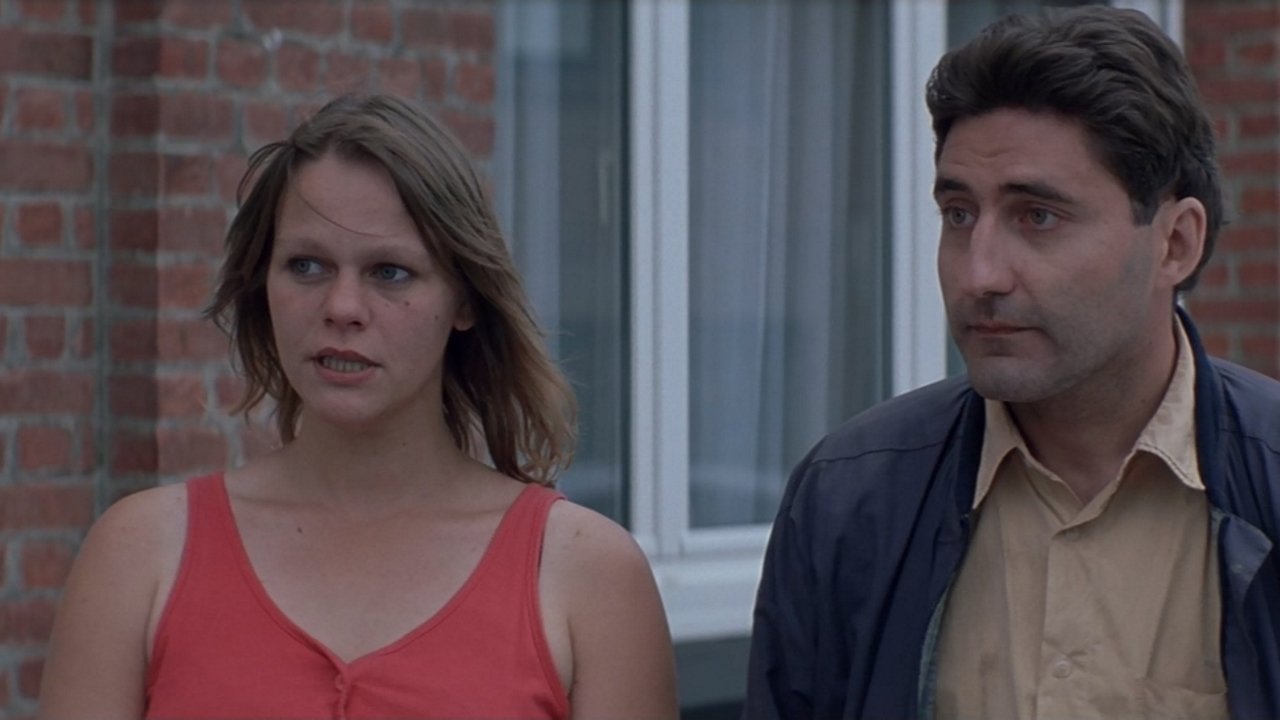
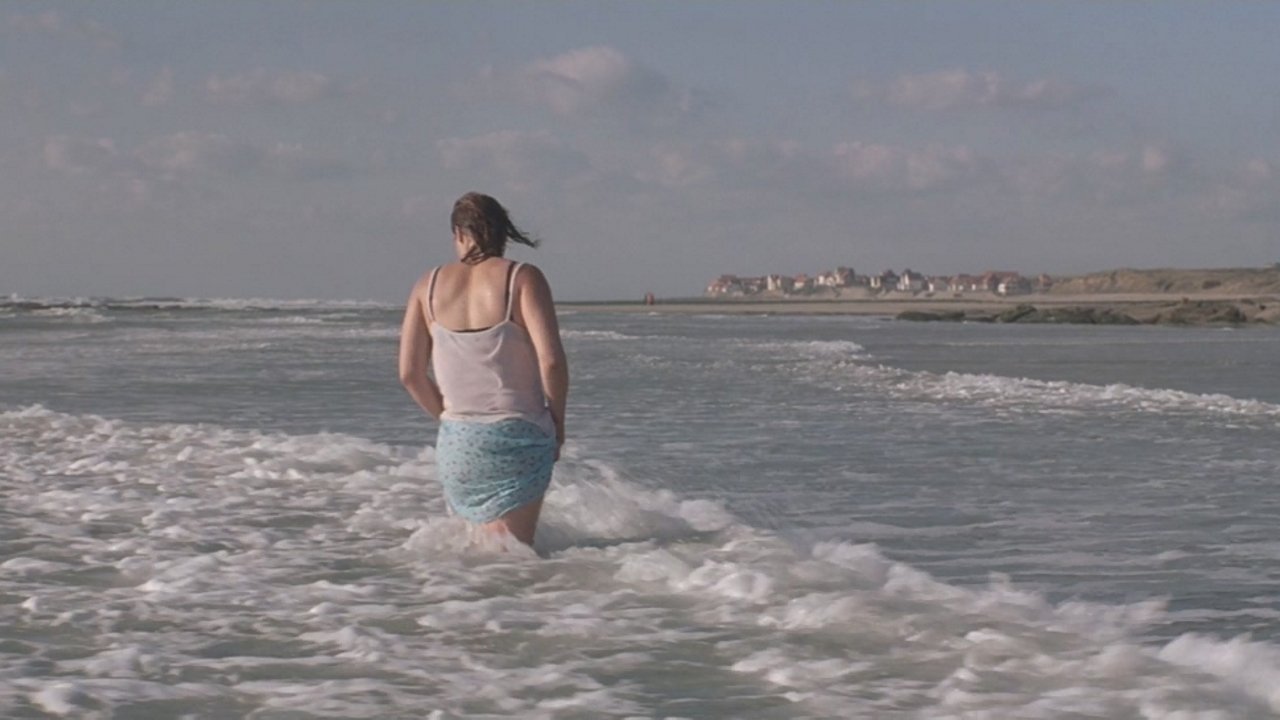
Dumont’s directorial hand is deliberate and patient. He utilizes long takes, minimal dialogue, and a focus on the mundane routines of life – Pharaon living with his mother, his awkward interactions with his neighbours, Domino (Séverine Caneele, who also won Best Actress at Cannes for her raw portrayal) and her boyfriend Joseph (Philippe Tullier). These neighbours represent a more grounded, physical, even animalistic aspect of humanity, their casual intimacy and sometimes crude behaviour contrasting sharply with Pharaon's near-excruciating sensitivity. This deliberate pacing isn't for everyone; it forces the viewer into Pharaon's contemplative, often agonizing headspace. The film meticulously observes, refusing easy answers or conventional narrative payoffs. It’s less a police procedural and more a philosophical inquiry masked as one. What does it truly mean to be human, to feel empathy, to witness brutality? The film’s title, Humanité, hangs heavy over every frame, questioning the very nature of our species.
### A Polarizing Vision
It's worth remembering that Humanité wasn't universally embraced upon release. Its win of the Grand Prix (the second-highest honour) at Cannes was controversial, met with both fervent admiration and outright hostility. Critics were divided, audiences perplexed. This wasn't the kind of cinema designed for easy consumption. Its power lies in its refusal to compromise, its stark realism (a hallmark of Dumont, established in his prior film La Vie de Jésus from 1997), and its willingness to linger in uncomfortable spaces. There's little background score to guide emotions; the natural sounds of the environment – wind, footsteps, strained breaths – form the unsettling soundscape. It’s a film that trusts its audience to engage, to feel, to question, rather than be passively entertained. Did Dumont intend Pharaon as a Christ-like figure, absorbing the sins of his community? Or is he simply a man whose empathy mechanism is broken, dangerously overloaded? The ambiguity is part of its enduring, unsettling power.
### Not Forgotten, But Demanding
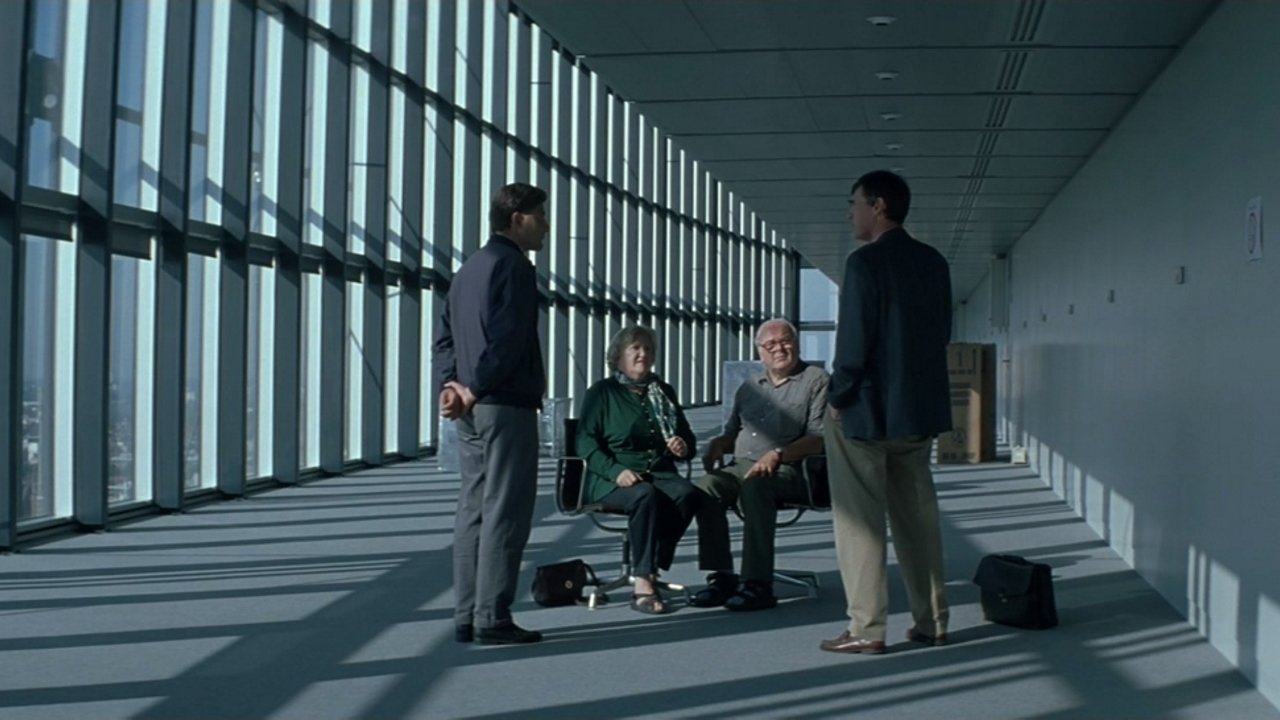
Humanité isn't a film you casually recommend for a movie night. It's slow, demanding, and deals with profoundly disturbing themes without flinching. Yet, for those willing to meet it on its own terms, it offers a cinematic experience of unusual depth and power. Schotté's performance is unforgettable, a singular portrayal of sensitivity pushed to its breaking point. Dumont’s austere vision creates an atmosphere thick with unspoken dread and philosophical weight. It’s a stark reminder, right from the cusp of the new millennium, that cinema can be more than escapism; it can be a difficult mirror held up to our own nature.
Rating: 8/10 - This score reflects the film's undeniable artistic achievement, its challenging depth, and the haunting power of its central performance. It’s a demanding masterpiece, intensely realized and unforgettable, though its deliberate pace and bleak subject matter mean it won't resonate with all viewers expecting typical genre fare. The points are deducted not for lack of quality, but for its extreme specificity and potentially alienating austerity.
Humanité remains a potent, unsettling experience – a film that doesn't offer easy answers but instead leaves you pondering the vast, often terrifying spectrum of human feeling long after the tape clicks off.