It begins with a simple, almost mundane act: watching. But what happens when watching slides quietly, inexorably, into participating? Christopher Nolan's debut feature, Following (1999), dives headfirst into this unsettling territory, presenting a grainy, black-and-white London where curiosity curdles into dangerous complicity. Watching it again recently, it struck me not just as a remarkably assured first film, but as a stark blueprint – a kind of cinematic DNA sample – for the intricate narratives and thematic obsessions that would define Nolan's later, blockbusting career. It’s a film that feels less like it was released and more like it was discovered, perhaps tucked away on a lower shelf in the indie section of a discerning video store back in the day.
An Unassuming Descent
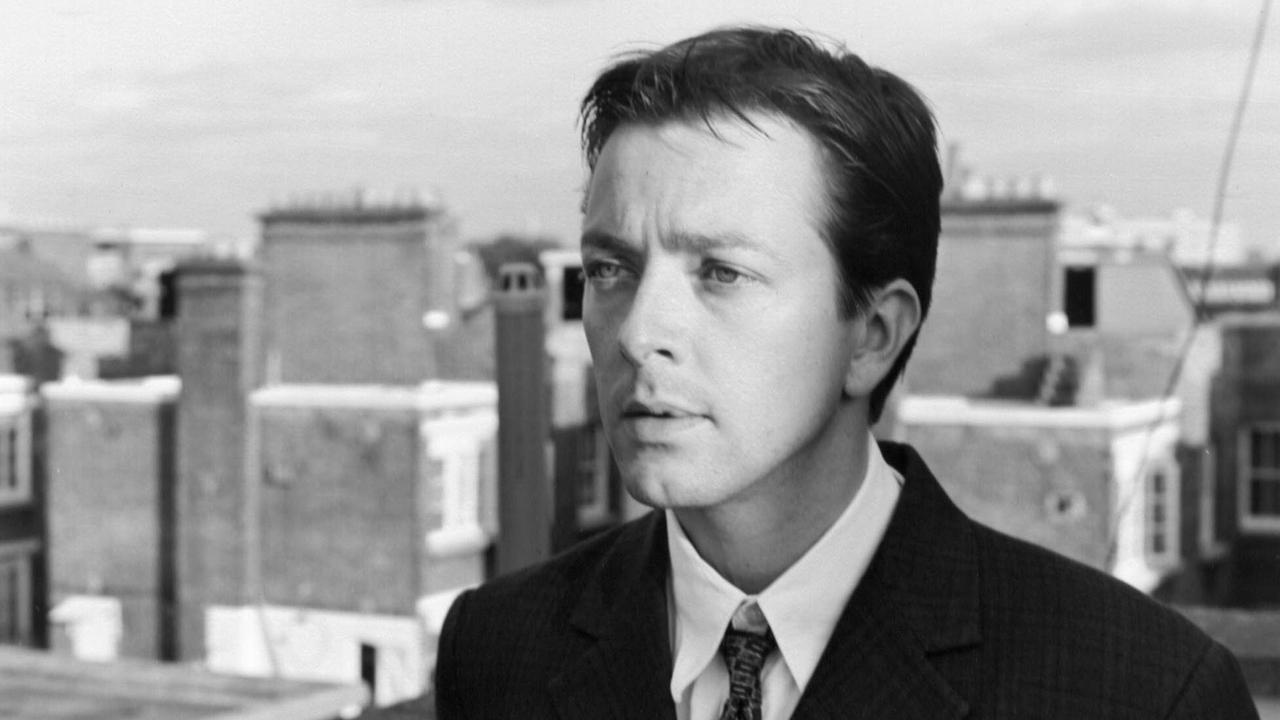
The premise is deceptively straightforward. Bill (Jeremy Theobald) is a young, unemployed aspiring writer who combats boredom and seeks inspiration by picking people at random on the streets of London and following them. He sets rules for himself – don't follow the same person twice, don't get too close – but rules, as the film chillingly illustrates, are easily broken. His clandestine hobby takes a sharp turn when one of his subjects, the sharply dressed and unnervingly charismatic Cobb (Alex Haw), confronts him. Rather than being alarmed, Cobb, a burglar, is intrigued. He takes Bill under his wing, introducing him not just to the mechanics of breaking and entering, but to the intimate, invasive thrill of sifting through strangers' private lives.
The Birth of Nolan-esque Intrigue
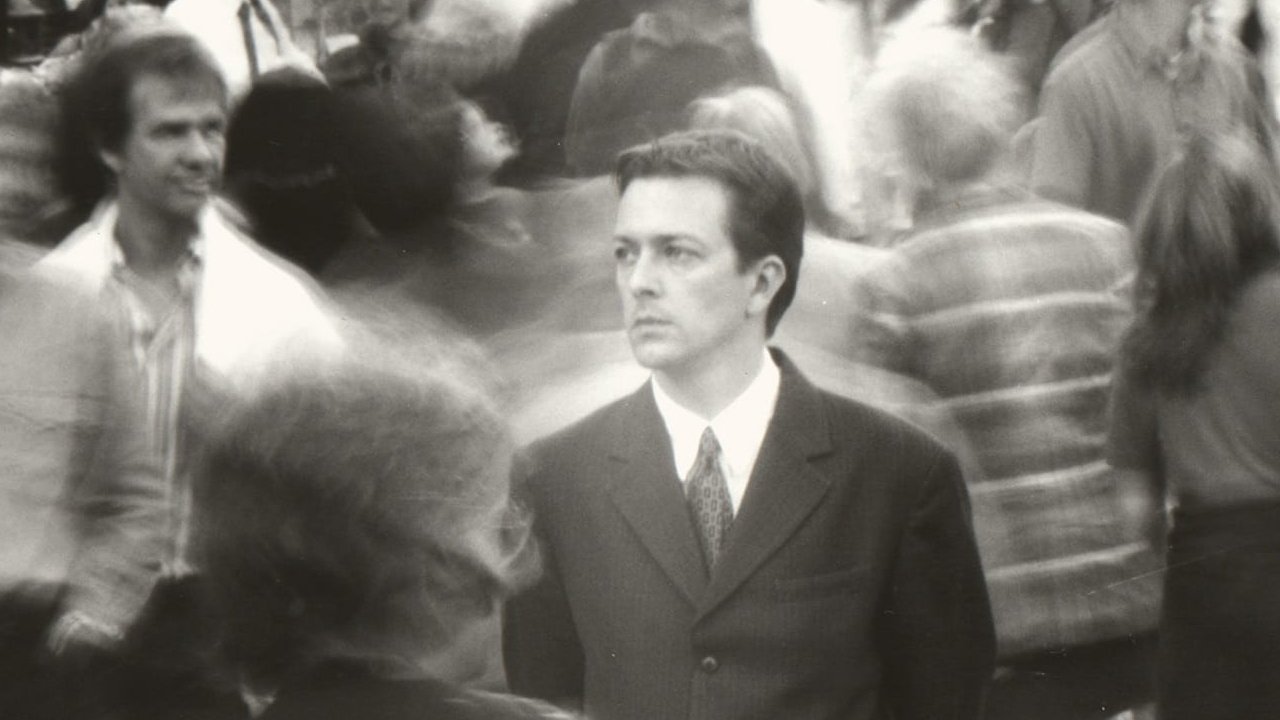
Even on a shoestring budget – famously scraped together for around $6,000 – Following pulses with the kind of narrative complexity Nolan would later deploy on a much grander scale. Shot on gritty 16mm black and white, partly out of financial necessity but also lending a perfectly suited neo-noir aesthetic, the film immediately disorients the viewer with its fractured timeline. We see Bill at different stages – naive observer, tentative accomplice, paranoid victim – but the sequence is jumbled, forcing us to piece together the cause and effect, much like the protagonist himself seems to be doing. It’s a technique that mirrors the disorientation of Bill's descent and foreshadows the intricate narrative puzzles of films like Memento (2000), the project Nolan was able to leverage Following's festival success into making.
This wasn't Hollywood filmmaking; it was guerrilla ingenuity. Nolan and his small crew, mostly friends volunteering their time, shot the film over the course of a year, filming primarily on weekends. Rehearsals were paramount, as they often only had the budget for one or two takes per shot. Locations were frequently Nolan's own apartment or those of friends and family. There’s a raw, almost documentary-like texture to some scenes, born from these limitations, which paradoxically enhances the unsettling realism of Bill's voyeuristic intrusions. You can almost feel the chill of those London streets, the slightly grubby intimacy of the strangers' flats they invade. And keep an eye out – that small Batman logo sticker visible on a character's door wasn't just random set dressing; it feels now like an impossibly early, almost subconscious nod to a future directorial destiny.
Faces in the Grain

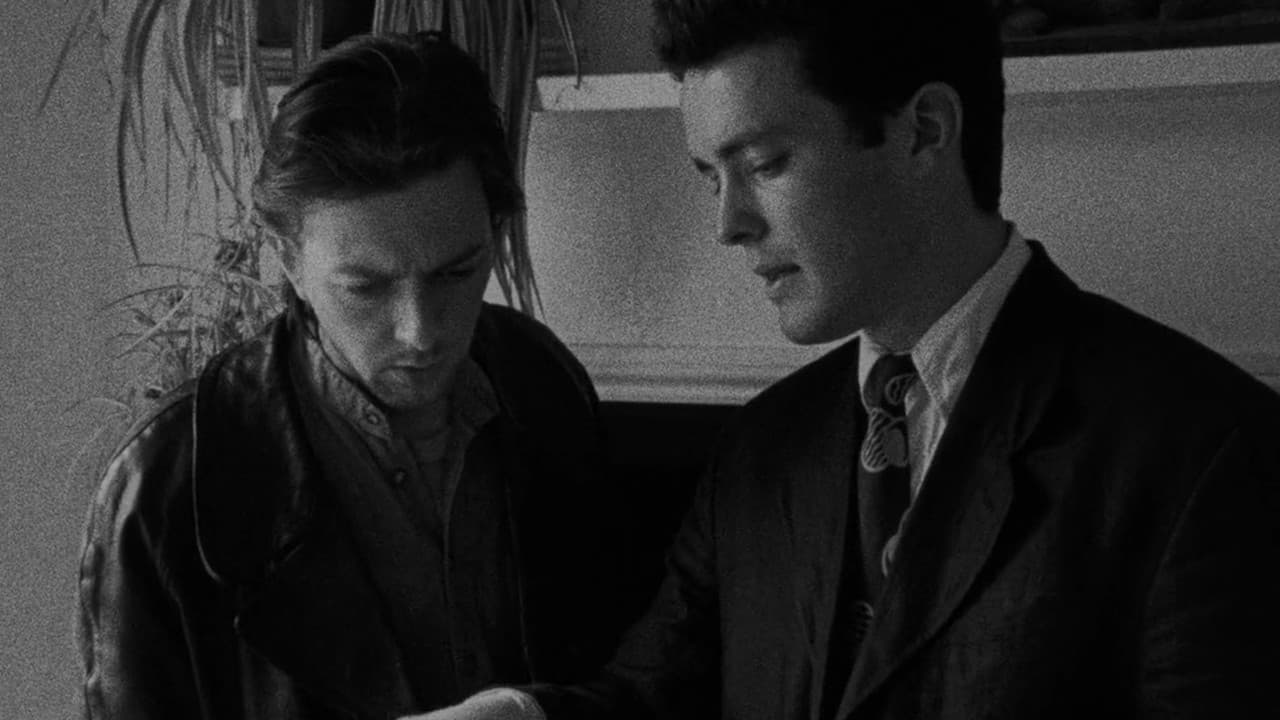
The performances are key to making the intricate plot work. Jeremy Theobald embodies Bill's gradual transformation convincingly, shifting from a passive, slightly aimless observer to someone increasingly entangled and out of his depth. His initial curiosity seems harmless, relatable even, making his slide into criminality all the more disturbing. Alex Haw is magnetic as Cobb. He possesses a dangerous charm, articulating his pseudo-philosophical justifications for burglary ("You take it away, show them what they had") with a confidence that’s both alluring and deeply suspect. He’s the catalyst, the serpent offering the apple. And Lucy Russell, as the enigmatic Blonde whose apartment becomes a focal point, perfectly embodies the femme fatale archetype, weaving a web of intrigue that further complicates Bill's already precarious situation. Their naturalistic deliveries sell the increasingly outlandish scenario.
More Than Just a Calling Card
Beyond the clever structure and the taut suspense, Following probes uncomfortable questions about identity, observation, and the stories we tell ourselves. Cobb doesn't just steal objects; he disrupts narratives, forcing his victims to re-evaluate their lives by confronting their possessions (or lack thereof). Bill, initially seeking stories, finds himself becoming a character in someone else's far darker plot. The act of following strips away his anonymity, his passivity, ultimately costing him far more than he ever anticipated. Doesn't this resonate with our own modern anxieties about privacy and the curated versions of ourselves we present to the world?
The film isn't perfect, naturally. The ultra-low budget occasionally shows in the sound design or the limitations of some locations. Yet, its resourcefulness is precisely what makes it compelling. It’s a testament to the power of a strong concept, clever writing, and sheer determination. Finding a film like Following back in the VHS era felt like uncovering a secret – a raw, intelligent thriller that didn't need explosions or stars, just a killer idea and the talent to execute it. It reminds you that sometimes, the most compelling stories emerge from the tightest constraints.
Rating: 8/10
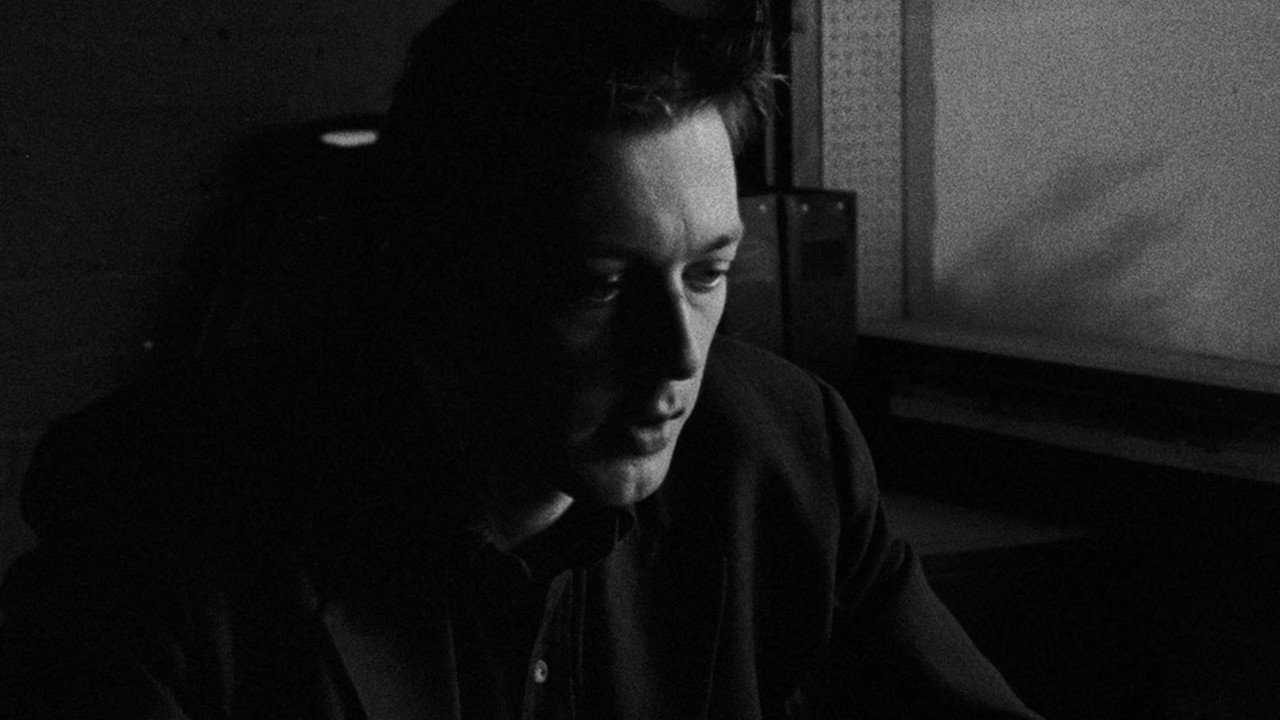
This score reflects Following's remarkable achievement as a debut feature, its sustained atmosphere of unease, and its ingenious non-linear structure, all accomplished with minimal resources. While budgetary limitations are occasionally apparent, they are largely transcended by Nolan's clear vision and the compelling performances. It's a tightly constructed, intelligent neo-noir that grips you from the first frame and leaves you pondering its implications long after the credits roll.
It stands as a potent reminder: sometimes the quietest observations lead to the most deafening consequences. A truly fascinating start to an unparalleled directorial journey.