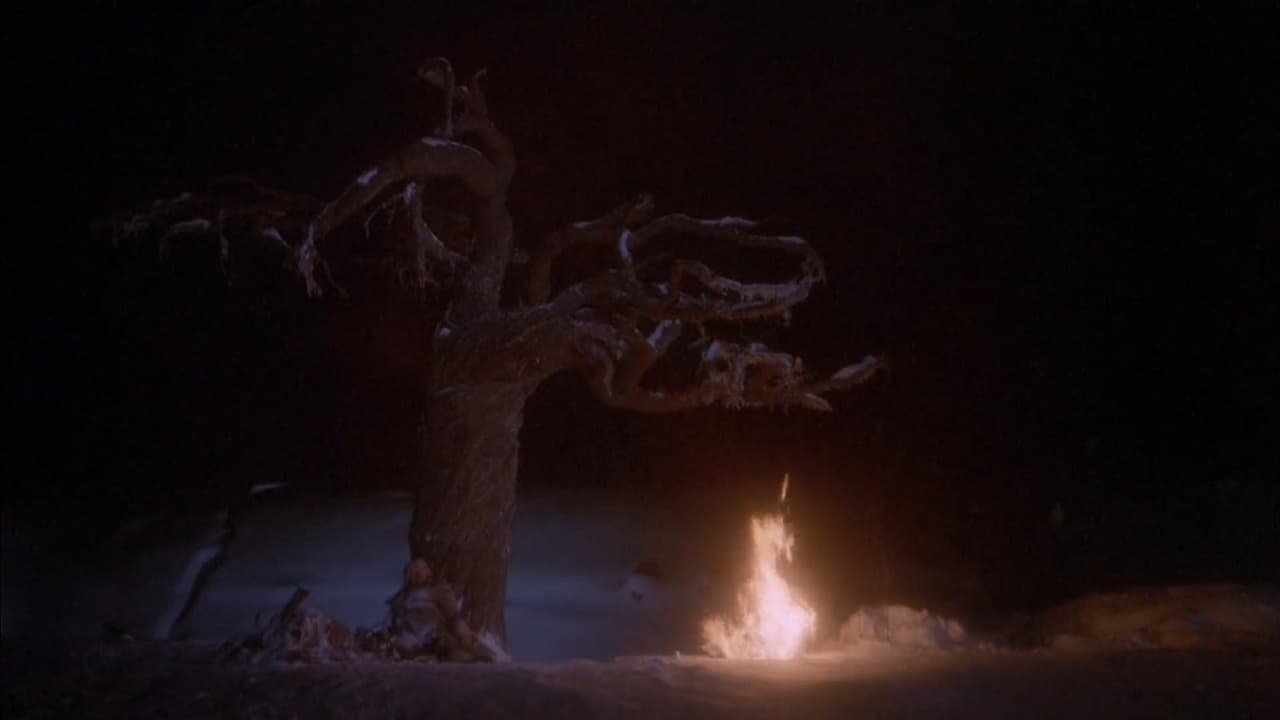
It starts with a blinding whiteness, not of purity, but of elemental struggle. The vast, unforgiving expanse of the Yukon, 1925. A man, Jack McCann, driven by a primal need that transcends mere greed, scrabbles at the frozen earth until he strikes it – gold. Rivers of it. An obscene fortune unearthed from the wilderness. But watching Nicolas Roeg’s sprawling, enigmatic Eureka (1983) again after all these years, that initial, almost orgasmic discovery feels less like a beginning and more like the start of a long, slow hollowing out. What happens when you get everything you ever thought you wanted?
### From Frozen North to Sultry South
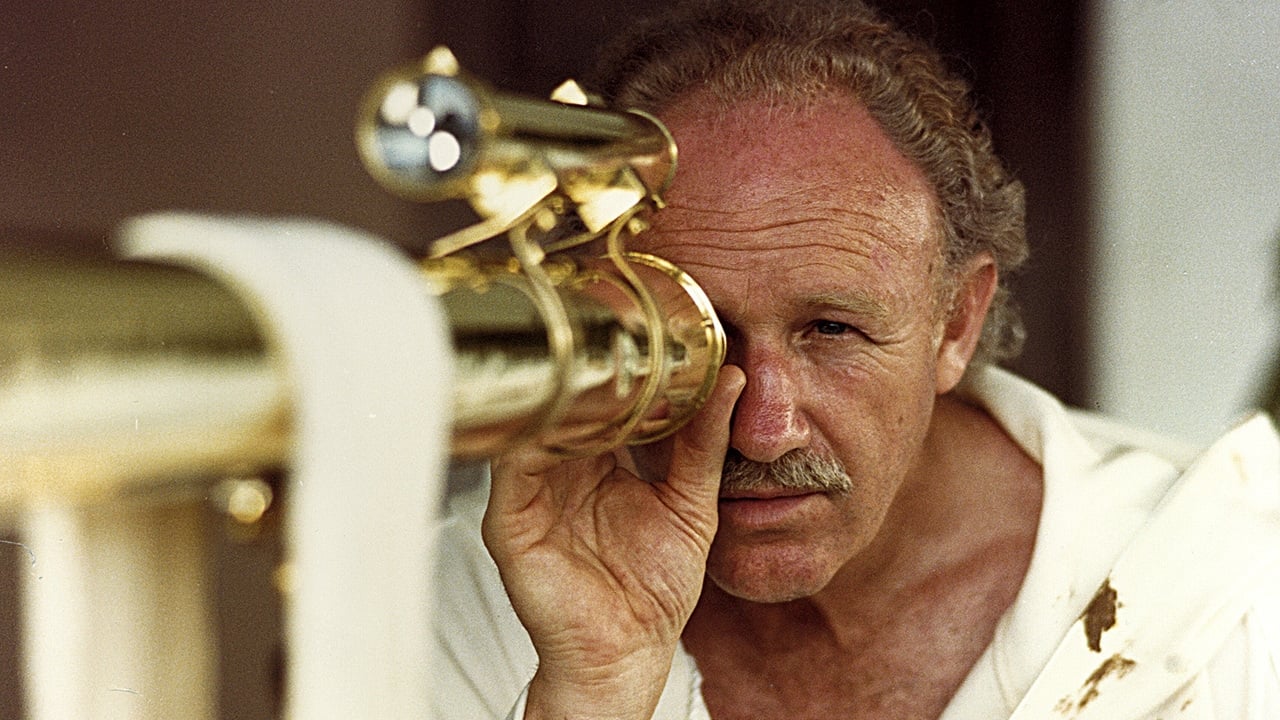
Based loosely – very loosely – on the strange life and unsolved murder of mining tycoon Sir Harry Oakes, Eureka cleaves itself in two. The first act is raw, visceral survival, showcasing Gene Hackman at his most intensely physical as McCann. You feel the bite of the cold, the desperation, the sheer ecstatic madness of his find. Roeg, ever the master cinematographer-turned-director (think Don't Look Now or The Man Who Fell to Earth), captures the Klondike sequence with a stark beauty that contrasts sharply with what follows.
Twenty years later, we find McCann transplanted to a sun-drenched Caribbean island he ironically names 'Eureka'. He's built a Xanadu, a fortress of immense wealth, but inside, the man is decaying. The gold brought him power, but also isolation, paranoia, and a profound spiritual emptiness. His relationships are poisoned: his spoiled, restless daughter Tracy (Theresa Russell, Roeg’s then-wife and frequent collaborator, navigating a complex role), her slick, possibly dangerous husband Claude Van Horn (Rutger Hauer, radiating European cool and ambiguous motives), and a circling pack of shady associates seemingly drawn by the scent of money, including menacing turns by a young Mickey Rourke and Joe Pesci. The heat on the island isn't just climatic; it's the pressure cooker of McCann's soul reaching boiling point.
### The Roeg Touch: A Shattered Mirror
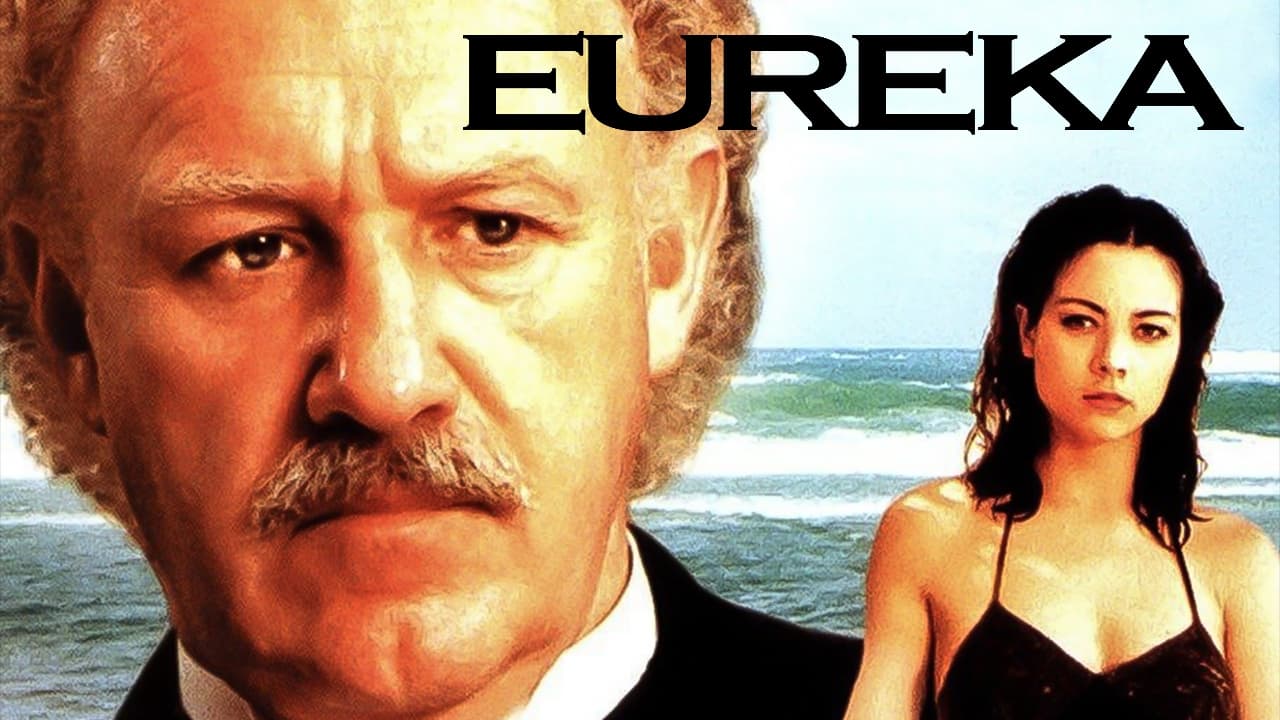
If you stumbled upon the Eureka VHS tape back in the day, perhaps nestled between more conventional dramas or thrillers at the local video store, you were in for a shock. This isn't a straightforward narrative. Nicolas Roeg, working with screenwriter Paul Mayersberg (who also penned The Man Who Fell to Earth), employs his signature fragmented style. Time slips, perspectives shift, potent symbols (gold, water, blood, even unsettling voodoo rituals) flicker across the screen, demanding interpretation. It’s less a linear story and more a mosaic of moments, feelings, and portents.
This elliptical approach can be frustrating, even alienating. It certainly baffled distributor MGM/UA, who reportedly shelved the completed film for nearly two years, nervous about its challenging structure, thematic darkness, and considerable length (often necessitating those hefty double-VHS packs!). Released with little fanfare, it became a notable commercial failure despite its pedigree, recouping only a fraction of its estimated $11 million budget. Yet, isn't that part of the charm for us VHS hunters? Unearthing these ambitious, perhaps flawed, but utterly unique visions that dared to defy convention? The film aimed for something epic, a Citizen Kane-esque exploration of wealth and its corrosive effect, filtered through Roeg's uniquely fractured lens.
### Towering Performances Amidst the Fragments
What anchors this sometimes bewildering journey are the performances, particularly Gene Hackman's. He charts McCann’s trajectory from desperate prospector to haunted king with ferocious commitment. The external transformation is mirrored by an internal collapse; the vibrant energy of the Yukon scenes gives way to a weary, suspicious bulk lumbering through his island paradise. It’s a towering, complex portrayal of a man who conquered the world only to lose himself.
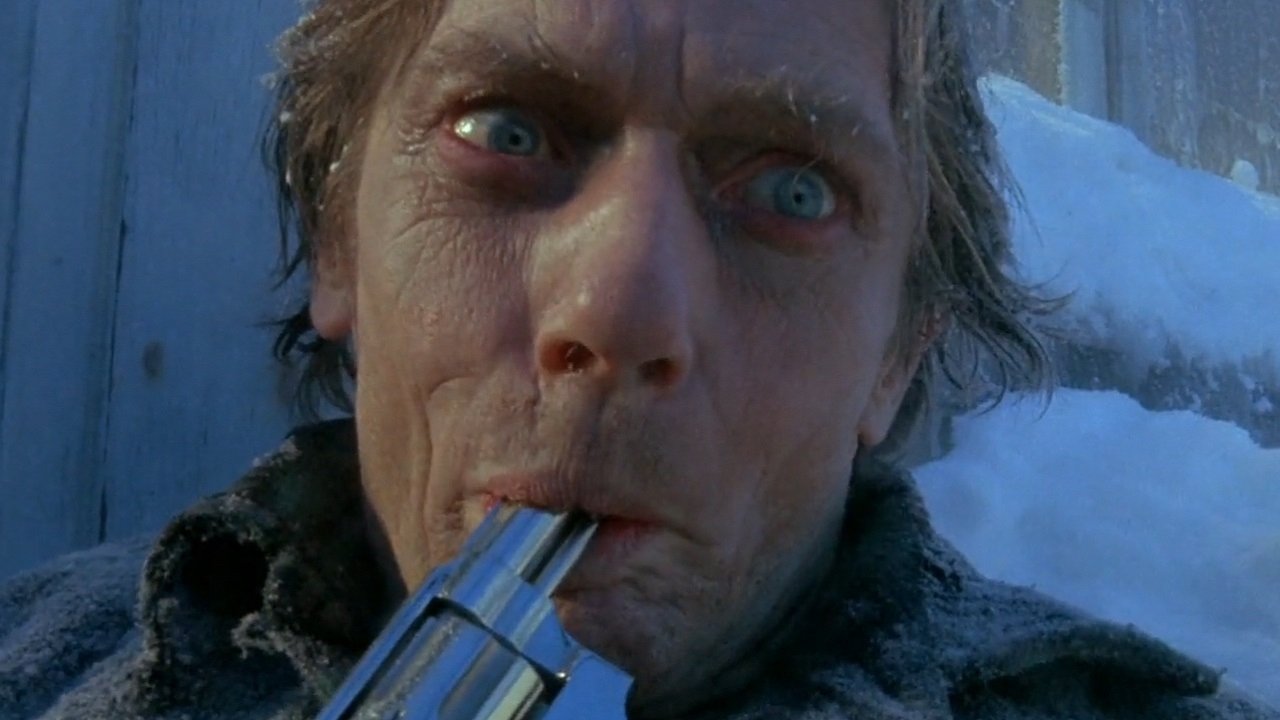
Theresa Russell embodies Tracy's troubled mix of love, resentment, and destructive impulses, caught between her father's immense gravity and her husband's seductive allure. And Rutger Hauer, fresh off Blade Runner (1982), is perfectly cast as the enigmatic Claude – is he a parasite, a protector, or something else entirely? His interactions with Hackman crackle with unspoken tension. The presence of Rourke and Pesci as smooth, vaguely threatening figures connected to organized crime further thickens the humid, paranoid atmosphere. Their roles aren't large, but they cast long shadows, hinting at the darkness closing in on McCann's gilded cage.
### Retro Fun Facts: Digging Deeper
The real story of Sir Harry Oakes, murdered in his Bahamas home in 1943 (a case still debated today), provides a fascinating, albeit heavily altered, backdrop. The film uses his tale as a launchpad for its own thematic explorations rather than a strict biopic. Apparently, Roeg was drawn to the almost mythological quality of a man finding near-limitless wealth in the wilderness, only to meet a sordid end surrounded by luxury. It’s said that Hackman, preparing for the role, was deeply affected by the script's exploration of isolation and the potential insanity brought on by extreme wealth. There were also rumors of on-set tensions mirroring the film's narrative friction, though details remain hazy – the kind of behind-the-scenes whispers that added mystique to these pre-internet era productions. Imagine trying to piece together the story behind this film back then, relying solely on magazine snippets or word-of-mouth!
### A Flawed Diamond in the Rough?
Does Eureka fully succeed in its grand ambitions? Perhaps not entirely. Its narrative threads sometimes fray, the symbolism can feel heavy-handed, and the pacing occasionally languishes in its own contemplative haze. It demands patience and a willingness to engage with ambiguity, something not always rewarded in mainstream filmmaking, then or now.
Yet, there's an undeniable power to it. The sheer audacity of its scope, the visual poetry Roeg conjures, the strength of Hackman's central performance, and the unsettling questions it leaves lingering in the air. What is the true cost of obsession? Can unimaginable wealth ever fill a spiritual void? Watching it today, Eureka feels like a strange artifact from another time – a challenging, sprawling, deeply personal film disguised as a star-studded drama. It’s not an easy watch, but like McCann’s gold, there are riches here for those willing to dig.
Rating: 7/10
Justification: Eureka earns a 7 for its towering ambition, Gene Hackman's monumental performance, Nicolas Roeg's unmistakable visual artistry, and its sheer uniqueness within the landscape of 80s cinema. It captures a specific kind of epic, existential angst. However, it loses points for its sometimes opaque narrative, uneven pacing, and a feeling that its reach occasionally exceeds its grasp, making it a demanding, sometimes frustrating experience.
Final Thought: A film that, much like the fortune it depicts, promises immense discovery but delivers a complex, sometimes unsettling meditation on the hollowness that can lie beneath the shiniest surfaces. A true curiosity, perfect for rediscovery on a quiet night.