You know that feeling when a film gets under your skin? Not in a jump-scare way, but something deeper, more unsettling? It’s like a low hum you can’t quite shake, a lingering question mark hanging in the air long after the VCR spat out the tape. For me, Joel and Ethan Coen’s Barton Fink (1991) is precisely that kind of film – a humid, sticky, darkly funny descent into a very specific kind of hell, one wallpapered with peeling anxieties and the crushing weight of expectation. It arrived just as the 90s were kicking off, a strange, unclassifiable beast that felt worlds away from the usual blockbuster fare stacking the shelves at Blockbuster.
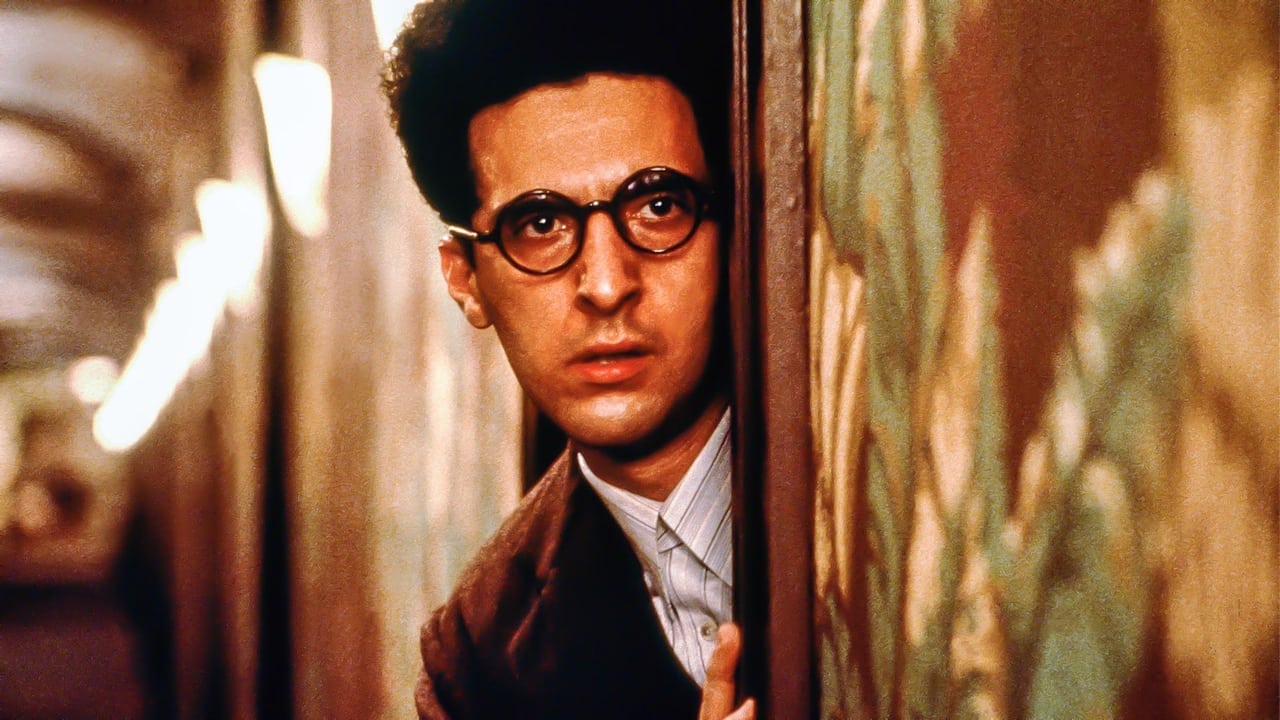
Welcome to the Hotel Earle
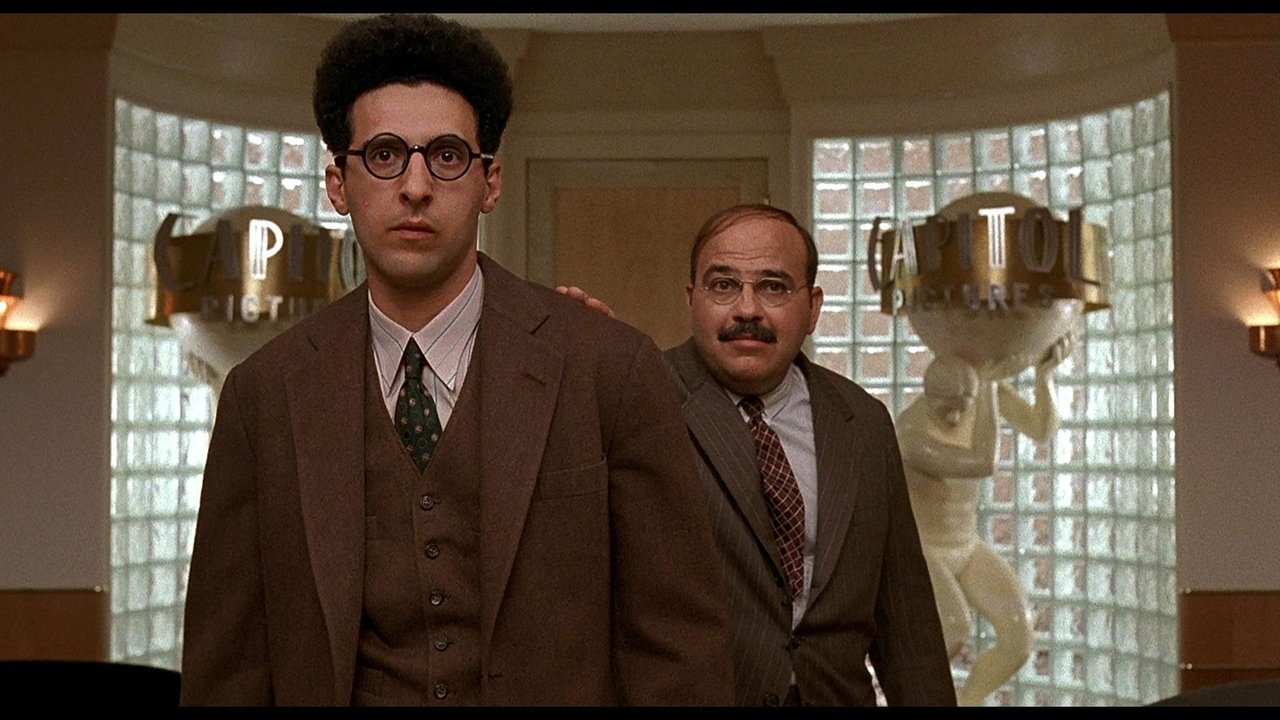
The premise sounds almost like a classic Hollywood tale: Barton Fink (John Turturro), a celebrated New York playwright lauded for his dramas about the "common man," gets lured to Los Angeles in 1941 with a lucrative contract to write pictures for Capitol Pictures. He checks into the cavernous, vaguely decaying Hotel Earle, a place that seems to sweat existential dread as much as it does oppressive heat. Right away, the Coens, fresh off the intricate gangster plotting of Miller's Crossing (1990) – a film they famously took a break from writing Barton Fink to overcome writer's block on – establish an atmosphere thick with foreboding. The peeling wallpaper seems alive, the hallways echo with an unnerving emptiness, and the relentless buzz of a single mosquito becomes a maddening soundtrack to Barton's isolation. It's less a hotel, more a purgatory for the creatively stalled.
Thy Neighbor, Thy Self?
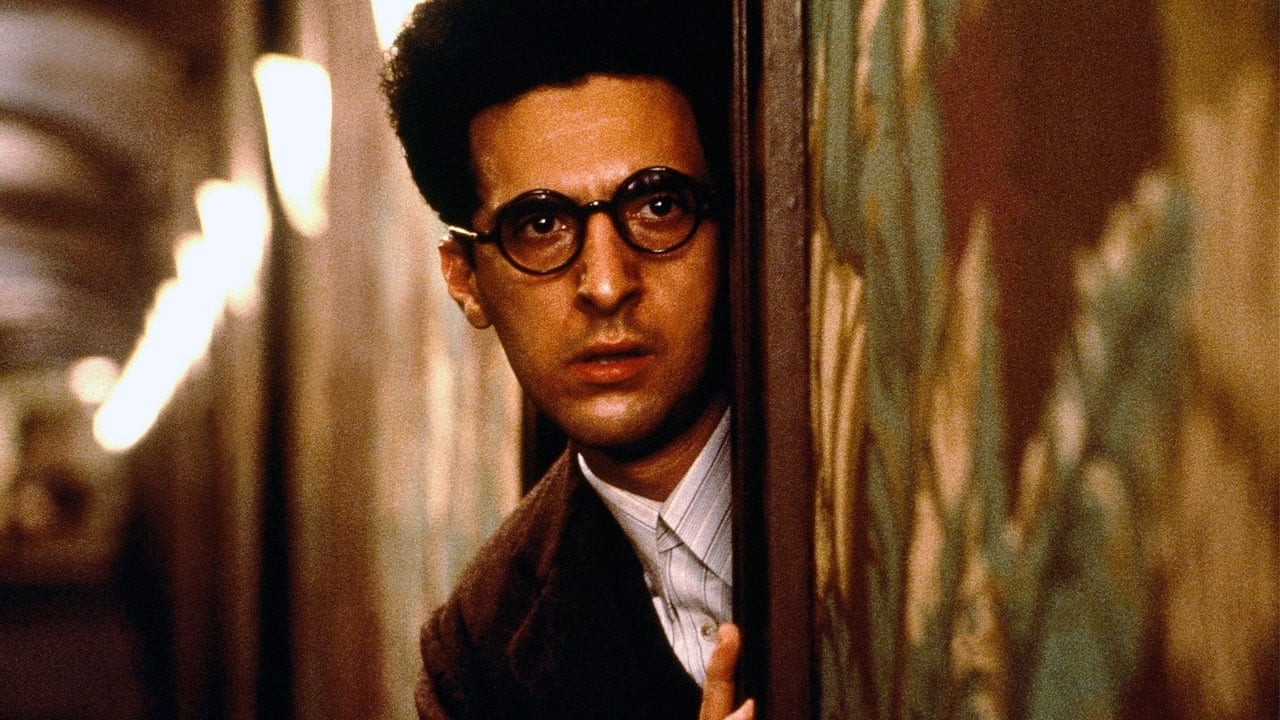
Barton's self-imposed artistic solitude is soon interrupted by his literal neighbor, the booming, seemingly affable Charlie Meadows (John Goodman). Charlie sells insurance, considers himself the epitome of that "common man" Barton champions on stage, and offers friendship with an unnerving, sweaty intensity. Their interactions form the core of the film, a fascinating dance between Barton's high-minded artistic pretensions and Charlie's earthy, folksy pronouncements. Turturro is magnificent as Barton, capturing the character's blend of crippling insecurity and oblivious arrogance. He wants to understand the common man, but he's so wrapped up in his own intellectual bubble he can barely see past the end of his typewriter. He listens to Charlie, but does he truly hear him? It’s a question that hangs heavy in the humid air.
Goodman, meanwhile, delivers a performance for the ages. Charlie is, on the surface, everything Barton claims to admire – plainspoken, hardworking, genuine. Yet, there's always something slightly off. Goodman masterfully balances the jovial warmth with flashes of barely concealed frustration and a simmering power that feels increasingly dangerous. I remember first watching this on a grainy rental tape, struck by how Goodman, often known for broader comedic roles like in Raising Arizona (1987), could convey such complex menace beneath a friendly facade. It’s a performance that burrows into your memory. Was Charlie just a lonely salesman, or a physical manifestation of the very forces Barton fails to comprehend?
Hollywood Babylon, Coen Style
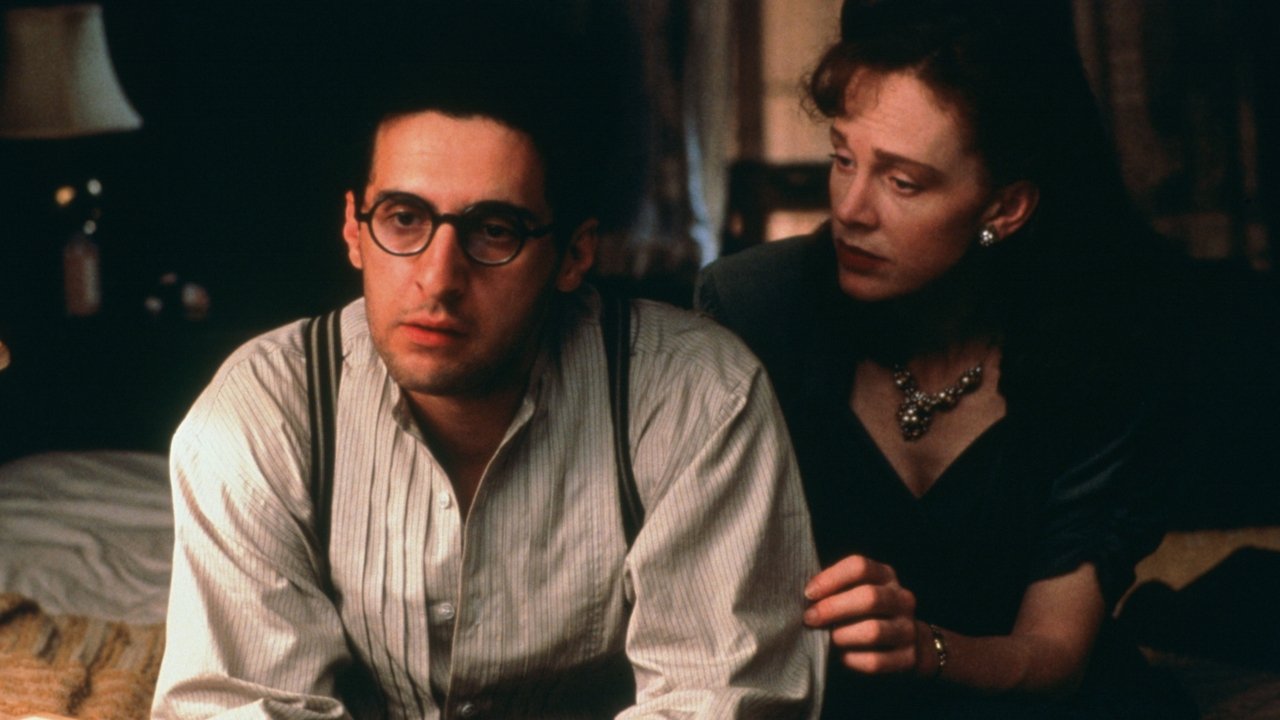
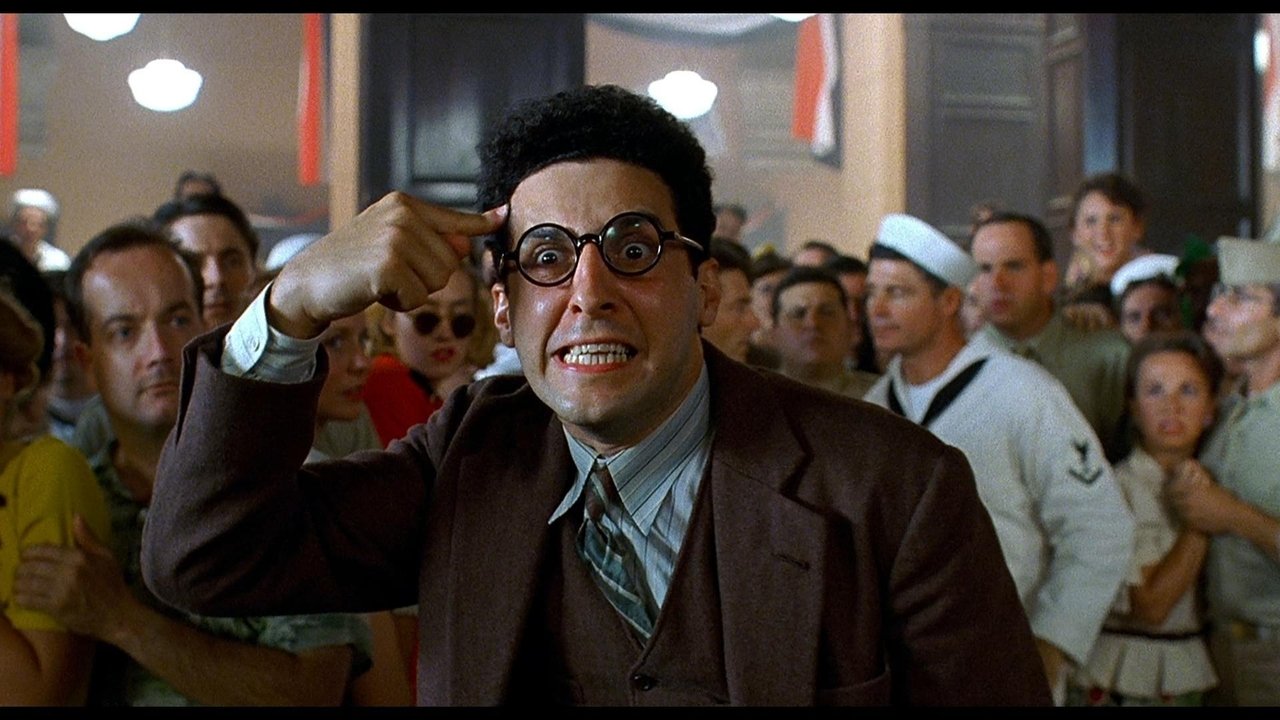
Beyond the confines of the hotel, Barton's encounters with the Hollywood machine are equally Kafkaesque. Tasked with writing a Wallace Beery wrestling picture – a genre utterly alien to his sensibilities – he finds himself adrift in a sea of insincerity. Studio head Jack Lipnick (Michael Lerner, in a volcanically funny, Oscar-nominated performance) bellows pronouncements about "that Barton Fink feeling" while demonstrating a profound lack of understanding of Barton's work or, indeed, anything beyond box office potential. The legendary, alcoholic novelist W.P. Mayhew (John Mahoney) offers cynical advice, aided (and perhaps exploited) by his sharp-tongued "secretary" Audrey Taylor (Judy Davis, brittle and brilliant). The Coens paint a picture of Hollywood not as a dream factory, but as a soul-crushing machine that commodifies art and isolates the artist. It's a satire delivered with such deadpan precision that the absurdity feels chillingly real.
Crafting the Nightmare
Visually and aurally, Barton Fink is a masterclass in controlled unease. The Coens and cinematographer Roger Deakins (who would become a regular collaborator) create a world that feels both tangible and dreamlike. The oppressive heat is almost palpable, radiating off the screen. The production design of the Hotel Earle, largely constructed on soundstages for maximum control, is a character in itself – its geometric patterns, sickly green corridors, and famously peeling wallpaper symbolizing Barton's own mental state fraying at the edges. The sound design, from the omnipresent mosquito to the distant, indistinct plumbing noises, adds layers to the creeping claustrophobia. It’s filmmaking where every element serves the suffocating atmosphere.
That Barton Fink Feeling
What makes Barton Fink stick with you is its refusal to offer easy answers. It dives headfirst into themes of artistic integrity versus commercialism, the disconnect between intellectual ideals and lived reality, the terrifying allure of oblivion, and perhaps even darker undercurrents hinted at by the 1941 setting and Charlie's final, fiery pronouncements. Spoiler Alert! The mystery of the box Charlie leaves with Barton, the significance of the picture on his hotel wall, the meaning of that final, serene-yet-eerie beach scene – these are elements endlessly debated by film fans. The Coens present puzzle pieces but leave the final assembly to the viewer. Does the box contain a human head, or something metaphorical? Is the woman on the beach real, or a projection of Barton's idealized muse? The ambiguity is precisely the point; it forces reflection.
This wasn't a film easily digested or forgotten after a single viewing back in the day. It demanded attention, provoked discussion, and felt utterly unique. Its sweep of the top three awards at the 1991 Cannes Film Festival (Palme d'Or, Best Director, Best Actor for Turturro) was unprecedented and cemented its place as a significant, if challenging, piece of cinema. While its initial box office ($6 million against a $9 million budget) was modest, its critical acclaim and enduring cult status speak volumes.
Rating: 9/10
Barton Fink earns this high score for its masterful direction, unforgettable performances (especially from Turturro and Goodman), stunningly realized atmosphere, and intellectually stimulating ambiguity. It's a film that operates on multiple levels – a dark comedy, a psychological thriller, a surreal nightmare, a biting satire. The Coen Brothers crafted a film that is both deeply unsettling and strangely beautiful, a fever dream about the hell of one's own making.
It remains a potent reminder that sometimes the most terrifying monsters aren't external, but the ones lurking within the artist's soul, or perhaps, just down the hall in the room next door. What is in the box, anyway?