Sometimes, a cultural phenomenon arrives so unexpectedly, yet feels so profoundly right, that it seems almost preordained. Watching Wim Wenders’ Buena Vista Social Club (1999) again after all these years conjures just that feeling. It wasn't a blockbuster, not a genre flick, but a documentary that quietly slipped into cinemas and VCRs, carrying with it the warm, infectious spirit of Havana and the resurrected voices of musicians largely forgotten by time, even in their own homeland. It became something of a fixture, didn't it? That CD seemed to be everywhere, the soundtrack to dinner parties and quiet evenings, a surprising global ambassador arriving just as the millennium turned.

### The Sound of Rediscovery
At its heart, the film documents American guitarist and producer Ry Cooder's journey to Cuba to gather these legendary figures of pre-revolutionary Cuban music. What started as a somewhat different project involving African musicians (who ultimately faced visa issues, a twist of fate that changed music history) morphed into this incredible assembly. Cooder, already known for his evocative soundtrack work on films like Wenders' own Paris, Texas (1984), clearly felt a deep connection to this music, and his quest, facilitated by World Circuit executive Nick Gold, unearthed treasures. We meet giants like the suave nonagenarian Compay Segundo, his voice and charisma utterly undimmed by age; the soulful Ibrahim Ferrer, who was reportedly shining shoes when Cooder found him; the elegant diva Omara Portuondo; the effortlessly brilliant pianist Rubén González; and the vibrant guitarist Eliades Ochoa, among others.
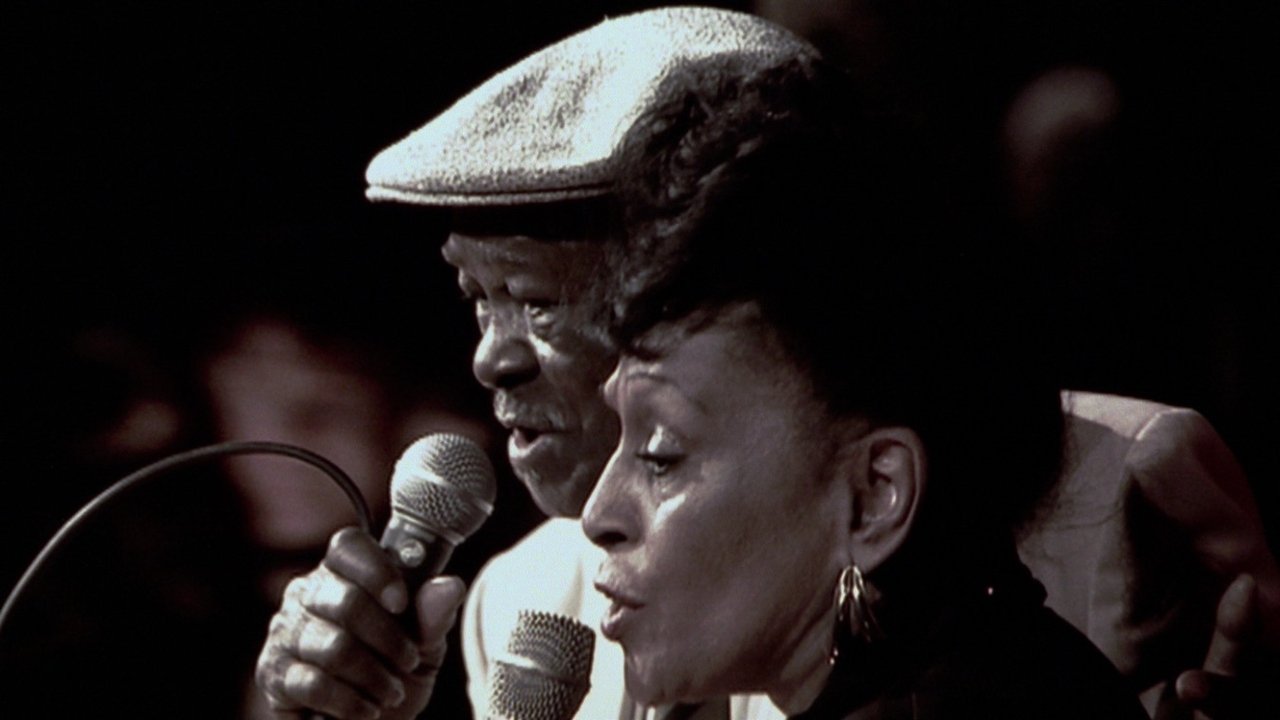
Their stories are as captivating as their music. Decades had passed since their heyday in the 40s and 50s. The revolution, the changing political landscape, and the simple passage of time had relegated many of them to obscurity. Hearing Ferrer talk about giving up singing, or seeing González's fingers dance across the keys after years without a piano, is genuinely moving. There's no manufactured drama here; the power lies in the raw authenticity of their experiences and the sheer, unadulterated joy they find in playing together again. The recording sessions at Havana's famous EGREM studios feel intimate, almost sacred – history being not just revisited, but vibrantly reborn.
### Wenders' Observational Grace
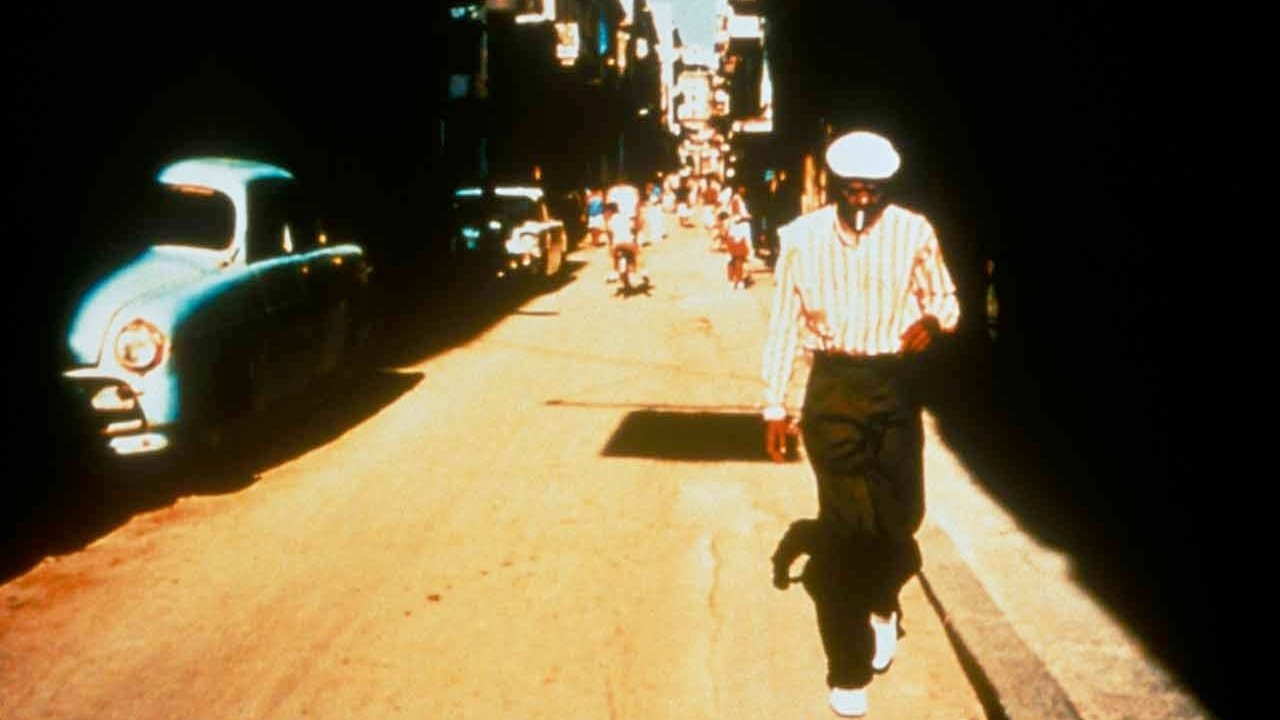
Wim Wenders, a filmmaker often drawn to landscapes both external and internal, brings a wonderfully unobtrusive eye to the proceedings. He doesn't force a narrative; he allows the music and the musicians to guide the film. Shot primarily on digital video (relatively new for feature filmmaking then, lending it a certain immediacy) by Wenders and his legendary cinematographer Jörg Widmer, the visuals capture the faded grandeur of Havana – the crumbling architecture, the vintage American cars still cruising the Malecón – creating a palpable sense of place. It's a city steeped in history, mirroring the musicians themselves.
The film balances studio sessions with interviews and footage of the triumphant concerts in Amsterdam and, climactically, New York's Carnegie Hall. Seeing these artists, many elderly and traveling outside Cuba for the first time in decades, receive thunderous standing ovations from international audiences is undeniably emotional. Wenders captures their humility, their slight bewilderment, and their profound gratitude. It’s a testament to the universal language of music, transcending political barriers and cultural divides. Did anyone anticipate the album selling millions worldwide and winning a Grammy? It was lightning in a bottle, sparked by Cooder's passion and captured with sensitivity by Wenders.

### More Than Just Music
While Buena Vista Social Club is a joyous celebration, it doesn't shy away from the underlying context. The film subtly touches upon the impact of the US embargo and the economic realities of Cuba without becoming overtly political. The musicians' resilience, their ability to maintain their artistry and spirit despite decades of hardship, speaks volumes. It adds a layer of poignant depth to the vibrant rhythms and soulful melodies. It asks us, perhaps, what treasures might lie dormant in our own communities, waiting for rediscovery? What happens when history seems to forget, but the spirit endures?

This wasn't just a film or an album; it was a moment. It sparked a worldwide interest in traditional Cuban music and gave these incredible artists a final, glorious act on the world stage. For many of us watching back then, maybe renting the tape from Blockbuster or catching it on a smaller cinema screen, it felt like being let in on a beautiful secret.
Rating: 9/10
This score reflects the film's profound emotional impact, its cultural significance, and the sheer, undeniable talent it showcases. It's a masterclass in observational documentary filmmaking, carried by the warmth and brilliance of its subjects. Wenders lets the music and the personalities shine, creating a timeless testament to artistry, resilience, and the unifying power of song. It remains a film that doesn't just entertain, but genuinely enriches the soul, leaving you with melodies that linger long after the credits roll.