It arrives like a half-remembered dream, a postcard sent from a sun-drenched city carrying a sense of quiet urgency. That's the catalyst for Lisbon Story, Wim Wenders' 1994 cinematic drift through the Portuguese capital. It’s less a conventional narrative and more an immersion, a film that asks us not just to watch, but to truly listen to the world it captures. For those of us who haunted the "Foreign Films" or "Director Spotlight" shelves at the video store, stumbling upon a title like this felt like finding a secret map – a promise of something different, something that might linger long after the static hiss of the rewinding tape.
### A Sound Engineer's Quest
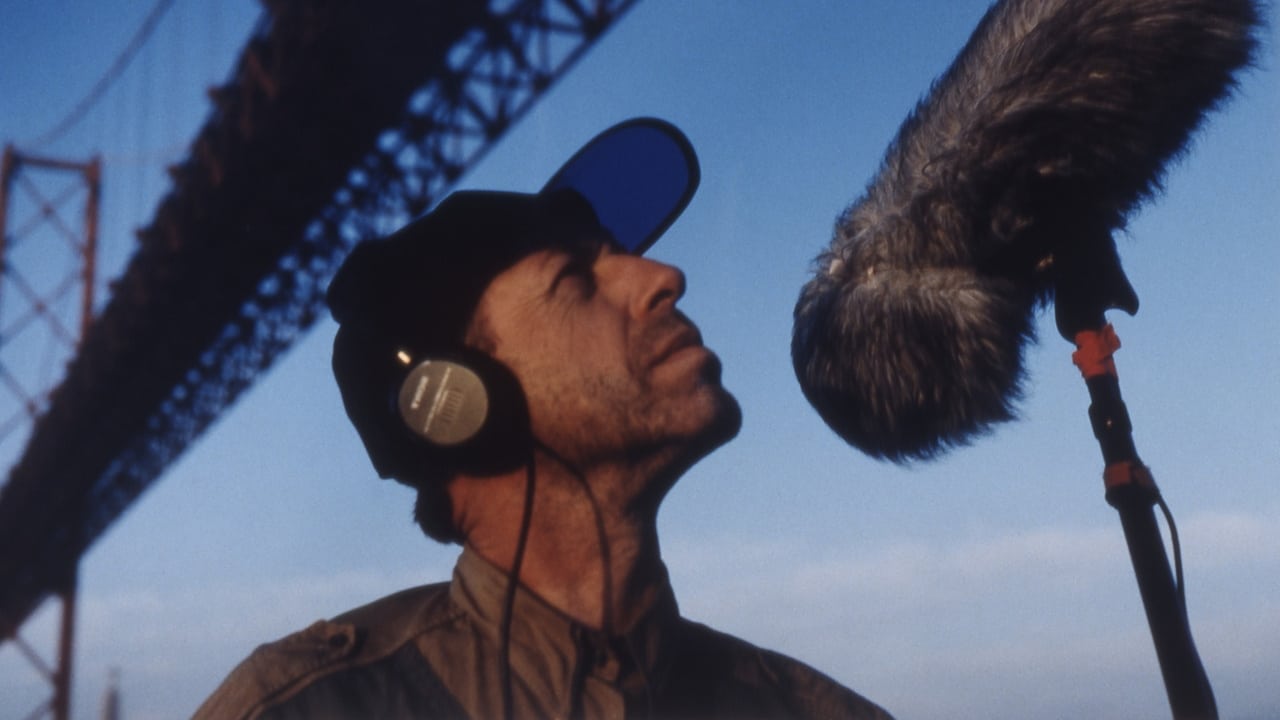
Our guide is Philip Winter, the familiar, slightly weary sound engineer played with wonderful understatement by Rüdiger Vogler. Fans of Wenders will recognize Winter instantly – the same character name, the same actor, from Wenders' much earlier black-and-white road movies like Alice in the Cities (1974) and Kings of the Road (1976). Here, decades later, he's summoned to Lisbon by his friend Friedrich Monroe (Patrick Bauchau), a filmmaker who has disappeared mid-project, leaving behind only silent, haunting footage of the city and that cryptic postcard plea. Winter's task, ostensibly, is to record the sound for Friedrich's film. But his journey becomes something else entirely: a process of rediscovery, both of the city and of the essence of capturing reality through sound.
It's fascinating to know that the film's genesis mirrors its plot in a way. Wim Wenders was initially invited to Lisbon to create a documentary short celebrating the city's designation as the 1994 European Capital of Culture. What emerged instead was this fictional framework, a way for Wenders to explore his own relationship with filmmaking, image, and sound through the lens of his recurring character. Winter, arriving with his DAT recorder and microphones, becomes our ears, meticulously gathering the ambient life of Lisbon – the rumble of the iconic yellow trams, snippets of conversation, the distant cry of gulls, street musicians.
### Lisbon as the Star
More than any human character, Lisbon itself takes centre stage. Wenders captures the city's labyrinthine Alfama district, its sun-bleached facades, washing lines strung between buildings, and the melancholic beauty of its Fado music tradition, embodied here by the ethereal sounds of Madredeus. The band, featuring the captivating vocals of Teresa Salgueiro, aren't just on the soundtrack; they are woven into the fabric of the narrative, their rehearsals and performances becoming integral scenes. Their music provides an emotional anchor, a soulful counterpoint to Winter's technical quest for sonic authenticity. Watching this now, it feels like a perfect time capsule of that specific mid-90s moment in Lisbon, captured just before waves of globalization began to smooth over unique urban textures.
Friedrich's absence, and his eventual reappearance, introduces the film's central philosophical tension. Holed up and disillusioned, Friedrich has abandoned traditional filmmaking, opting instead to capture fleeting moments with a clumsy, hand-cranked silent camera, believing that the pristine images of modern cinema have become detached from truth. He represents a weariness with the slickness of the image, a yearning for something more raw, more real. Winter, with his dedication to capturing pure sound, offers a different path – suggesting that perhaps authenticity lies not just in what we see, but profoundly in what we hear. Their debates, though gentle, touch upon anxieties about media and reality that feel even more relevant today. Did Wenders anticipate the digital saturation to come? Perhaps he simply felt the ground shifting beneath the art form he loved.
### The Texture of Tape, The Soul of Sound
What makes Lisbon Story resonate, particularly for those of us with fond memories of the VHS era, is its deliberate pace and its focus on process. It’s a film about making something, about the craft involved. Watching Winter carefully position his microphones, listening intently through headphones, feels almost meditative. It reminds me of the physicality of older media – threading a projector, cueing a tape, the satisfying clunk of the VCR engaging. There's a tactile quality here that mirrors our own remembered relationship with those chunky plastic cassettes.
The performances are perfectly pitched to the film's mood. Vogler embodies Winter with a quiet curiosity and gentle persistence. He's not a dynamic hero, but an observer, slightly out of step, yet deeply receptive to the world around him. Patrick Bauchau, known for roles that often carry a hint of enigmatic danger (like Scarpine in A View to a Kill), brings a compelling blend of artistic angst and intellectual conviction to Friedrich. And Teresa Salgueiro simply radiates presence, her voice becoming another layer of the city's soul.
Of course, this isn't a film for everyone. Its meandering rhythm and philosophical musings demand patience. There are no car chases, no explosions – the drama is internal, observational. It’s the kind of film you might have rented on a whim, drawn by the cover art or the director's name, and found yourself unexpectedly captivated by its unique spell. It might not have been the talk of the playground the next day, but it offered something richer, something that stuck. Wenders even playfully includes a group of young filmmakers who embody a different, more collaborative spirit, perhaps hinting at future directions even as he pays tribute to the past.
Rating: 8/10
Lisbon Story earns its rating through its profound sense of place, its thoughtful exploration of cinema's essence, the stunning integration of Madredeus's music, and Rüdiger Vogler's beautifully understated central performance. It may be too languid for some, but its dedication to atmosphere and its genuine love for both Lisbon and the act of capturing sound make it a unique and rewarding experience. It’s a film that encourages you to slow down, open your ears, and truly appreciate the symphony of the everyday.
Final Thought: In an age of overwhelming visual noise, Lisbon Story remains a gentle, vital reminder of the power found in simply listening. What sounds define the places you remember most?