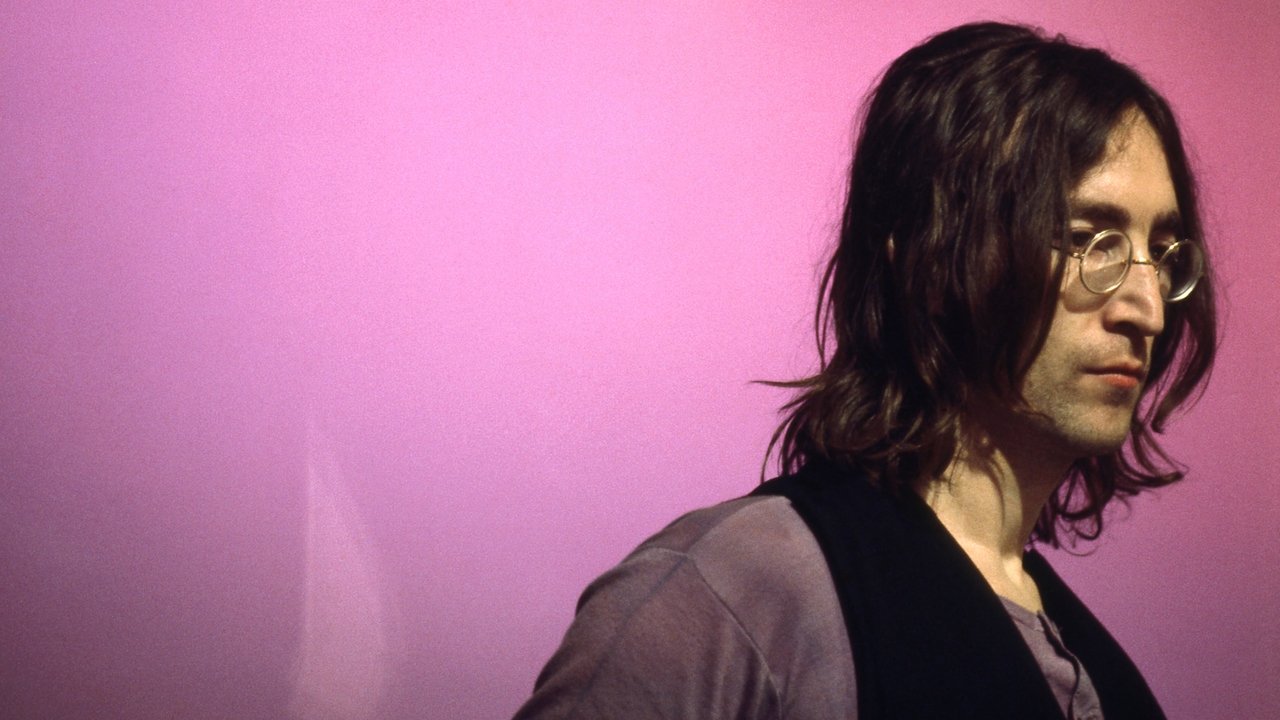
There's an almost unsettling intimacy that settles over you when watching Andrew Solt's 1988 documentary, Imagine: John Lennon. It stems not just from the wealth of never-before-seen footage, but primarily from the guiding voice throughout – John Lennon himself. Hearing him narrate aspects of his own tumultuous life, pulled from hours of interviews recorded before his tragic death eight years prior, feels less like watching a film and more like being granted a private audience, albeit one mediated by time and loss. It's a film that arrived on VHS shelves carrying the weight of recent history, a profound sense of absence hanging over every frame.
Beyond the Myth, Through His Own Words
What sets Imagine apart, especially for those of us who taped the tribute concerts and felt the shockwaves of December 1980, is its deliberate construction around Lennon's perspective. With the full cooperation of Yoko Ono, director Andrew Solt (who had previously tackled another icon in This is Elvis) was granted unprecedented access to Lennon’s personal archives – reportedly over 240 hours of film and video, much of it shot by Lennon and Ono themselves. But the real masterstroke was weaving Lennon's own voice, often from candid, previously unheard tapes, into the narrative thread. This wasn't just talking heads reflecting on Lennon; this was Lennon reflecting on Lennon, unfiltered and often startlingly honest.
The film doesn't shy away from the complexities. We see the cheeky Beatle, the passionate activist, the loving father, but also the man wrestling with fame, ego, and his own contradictions. It traces the arc from the dizzying heights of Beatlemania – glimpsed through startlingly vibrant early footage – through the experimental art scene with Yoko, the controversial "bed-ins" for peace, the intense political engagement that put him in the crosshairs of the Nixon administration, his "lost weekend," and finally, his re-emergence as a contented househusband and father before his life was cut short. The film allows Lennon's own words to frame these periods, lending an authenticity that feels rare in biographical documentaries. Doesn't hearing his rationale for certain actions, directly from him, change how we perceive them?
A Treasure Trove Unearthed
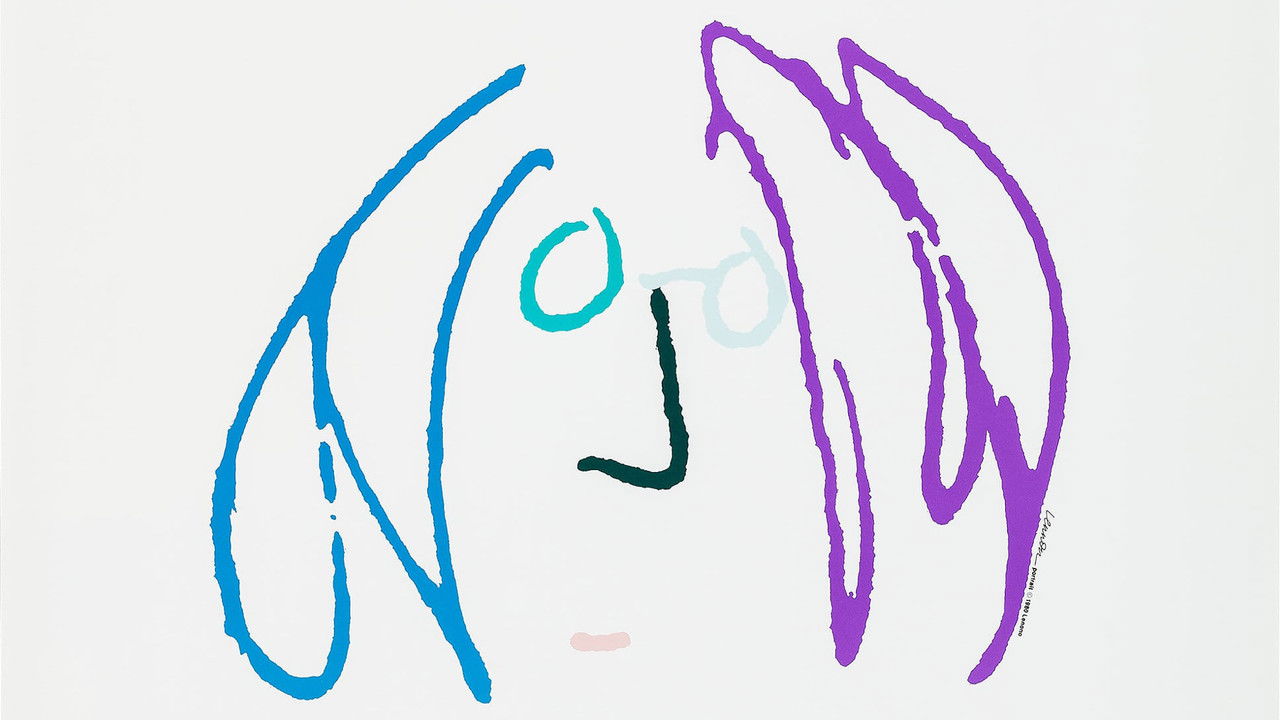
For fans who thought they knew the story, Imagine felt like uncovering a hidden wing of a familiar house. The sheer volume of personal footage – Lennon joking around at home, composing at the piano, interacting with son Sean – provides moments of unguarded warmth and vulnerability. Solt and co-writer Sam Egan assemble this mosaic skillfully, juxtaposing the public persona with the private man. You see the creative process, the flash of inspiration, but also the mundane moments that ground the larger-than-life figure. I recall renting this tape from the local video store, perhaps expecting a straightforward compilation, and being utterly captivated by the depth of the archival material. It felt less like a curated highlight reel and more like flipping through a family's deeply personal photo album and home movies, occasionally pausing to hear the subject explain the context himself.
Of course, any documentary sanctioned by a figure so close to the subject (in this case, Ono) will inevitably carry a specific perspective. While the film doesn't entirely sanitize Lennon, presenting moments of anger and confusion, the overall tone is one of affection and remembrance. It focuses more on the journey and the artistic spirit than on deep dives into every controversy. Yet, the inclusion of voices like Paul McCartney, George Harrison, Ringo Starr, and Lennon’s first wife Cynthia and son Julian adds necessary layers, acknowledging the different facets of his life and impact.
The Lasting Echo
Watching Imagine: John Lennon today, perhaps on a format far removed from the worn VHS copy I first saw, its power remains undiminished. The grainy home video footage feels intrinsically linked to the era, a tangible connection to the past. The use of Lennon's voice remains its most potent element, a ghostly echo that brings immediacy to historical events. It’s a film that prompts reflection not just on Lennon's life and legacy, but on the nature of fame, the intersection of art and activism, and the enduring search for peace, both personal and global. What does it mean to revisit such a potent figure through this intimate lens, decades later?
The film isn't perfect; it occasionally feels like its reverence smooths over some rougher edges. But its unique construction and the sheer emotional weight of hearing Lennon guide us through his own story make it essential viewing. It captured a specific moment of collective mourning and reflection in the late 80s, offering fans a chance to reconnect with a voice that had been silenced too soon.
Rating: 8.5/10
This score reflects the documentary's groundbreaking use of Lennon's own voice and archival footage, creating an unparalleled sense of intimacy and authenticity. While shaped by its access and perspective, it stands as a powerful, moving, and deeply human portrait, offering invaluable insight that transcends typical biographical fare. It justifies its place not just as a piece of music history, but as a compelling piece of filmmaking that truly leveraged the unique materials available to it.
It leaves you pondering not just the man, but the enduring power of his message and the void left by his absence – a feeling that resonated deeply back in the aisles of the video store and continues to echo today.