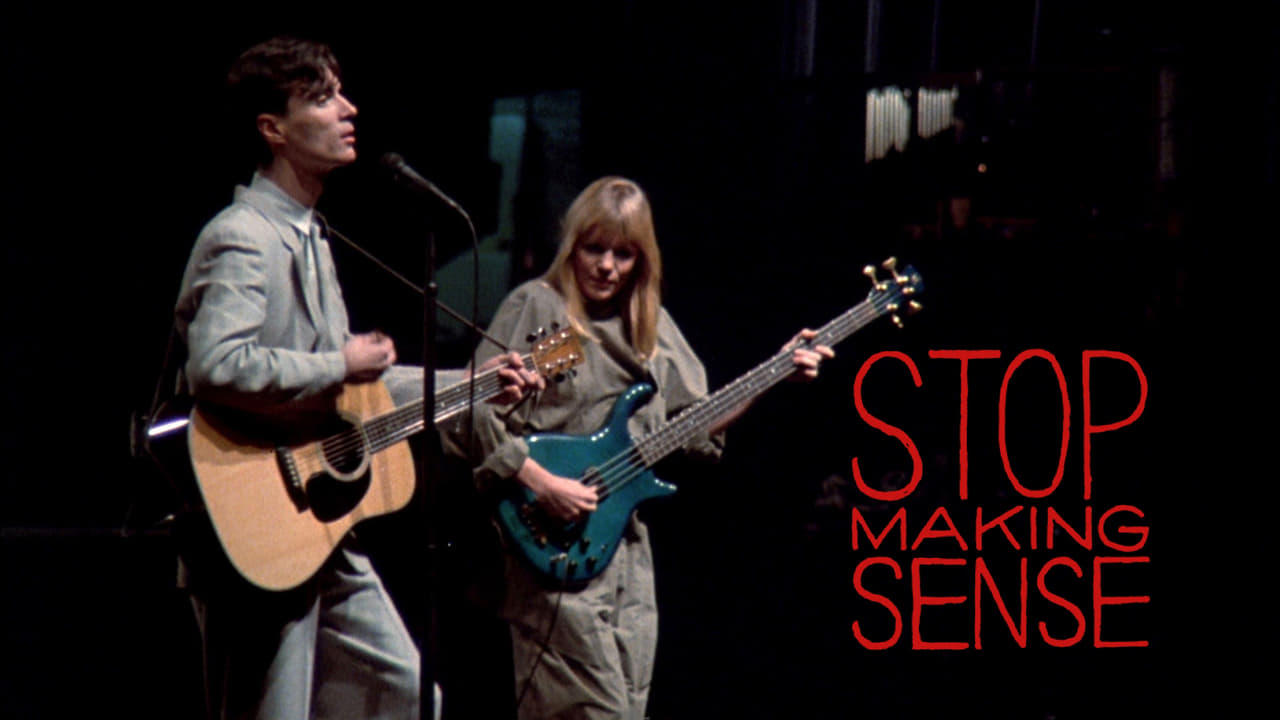
It starts so simply, it’s almost jarring. A bare stage, stripped back to the studs and scaffolding. A lone figure, David Byrne, walks out carrying a boombox. He sets it down, presses play on a cassette tape rhythm track, picks up his acoustic guitar, and launches into "Psycho Killer." No fanfare, no laser light show, just pure, magnetic performance. That stark, brilliant opening sets the tone for Stop Making Sense, the 1984 concert film masterpiece from Talking Heads and director Jonathan Demme that wasn’t just a recording of a show; it felt like an entirely new art form beamed directly into our living rooms via trusty VHS.
Building a Wall of Sound (and Joy)
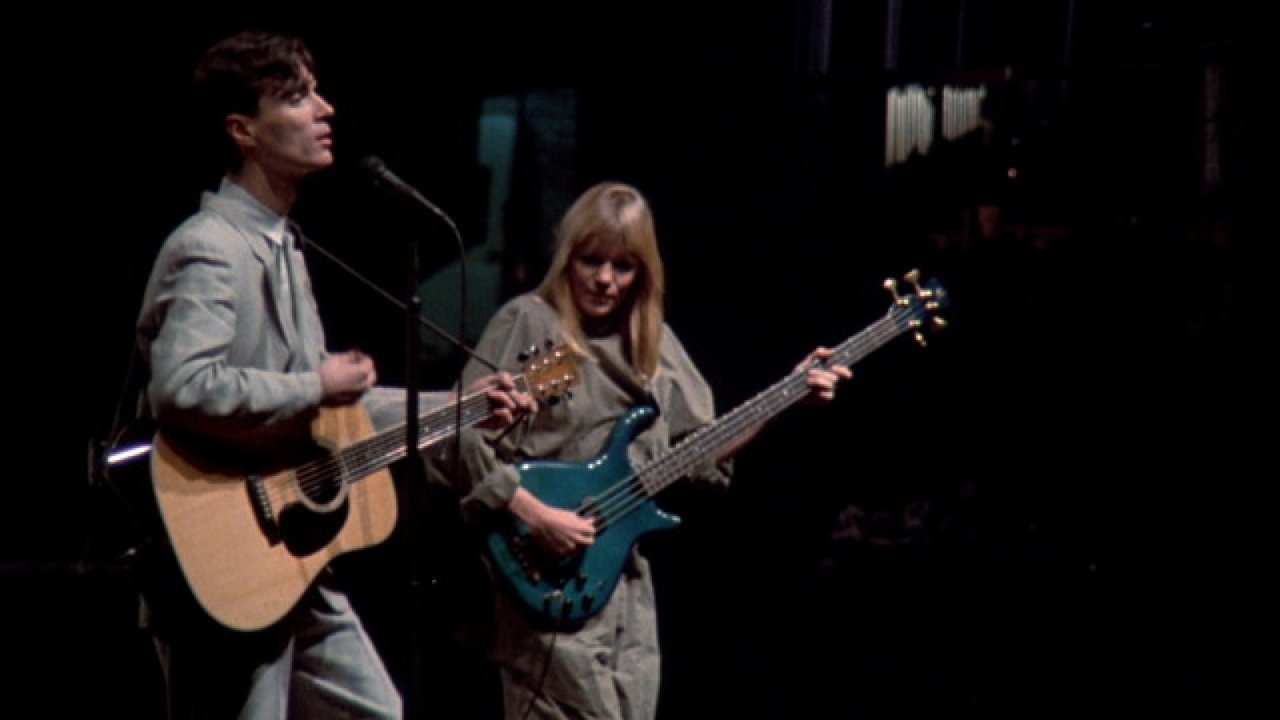
What follows that solitary start is one of the most ingenious and satisfying build-ups ever captured on film. Song by song, piece by piece, the stage fills. First, the incomparable Tina Weymouth joins on bass for "Heaven," her groove locking instantly with Byrne's rhythm. Then drummer Chris Frantz arrives, laying down the infectious beat for "Thank You for Sending Me an Angel." Guitarist and keyboardist Jerry Harrison completes the core quartet. But it doesn't stop there. Over the next few songs, an incredible ensemble of musicians joins them – percussionist Steve Scales, backing vocalists Lynn Mabry and Ednah Holt, keyboardist Bernie Worrell (of Parliament-Funkadelic fame!), and guitarist Alex Weir – each adding layers of funk, soul, and irresistible energy. Watching the stage transform from minimalist starkness to a full-blown party is pure cinematic and musical delight. You feel the energy swell not just in the music, but visually, organically. I distinctly remember rewinding the tape just to watch that seamless assembly again and again.
Demme's Eye: Capturing Lightning
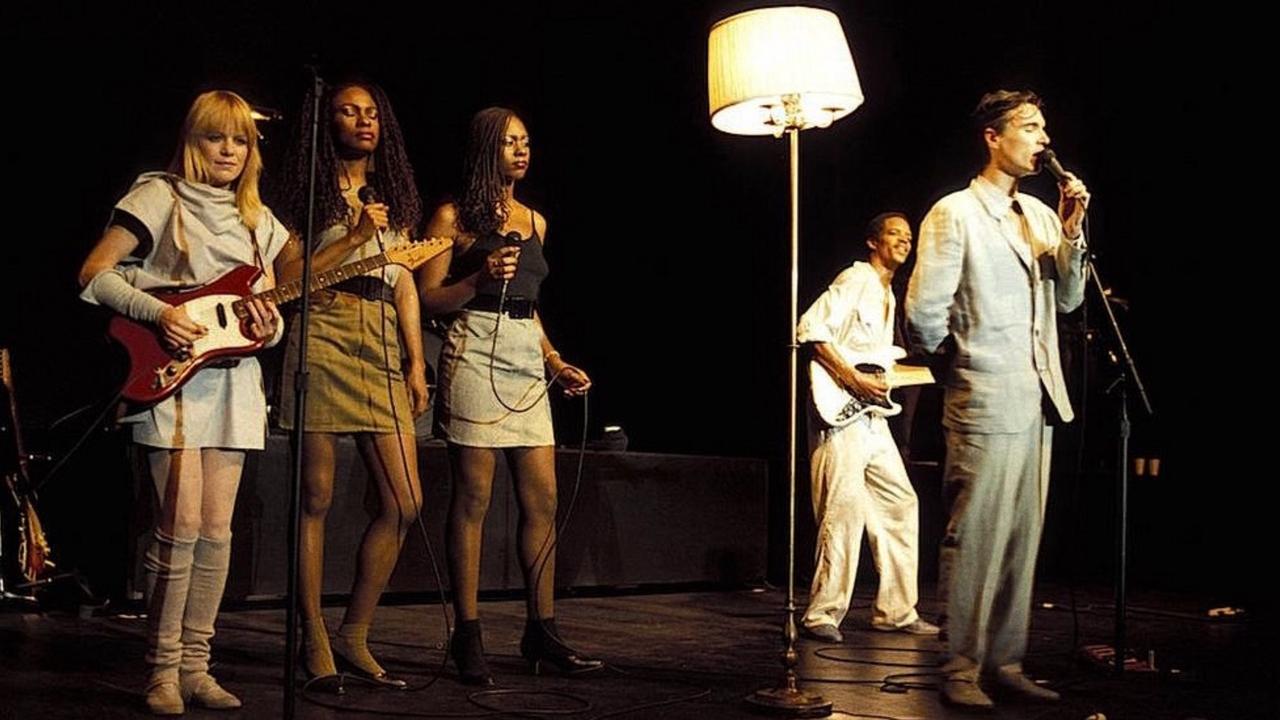
This wasn't Jonathan Demme's first foray into music (he'd directed music videos), but his approach here was revolutionary for concert films. Fresh off directing films like Melvin and Howard (1980) and before he'd terrify us with The Silence of the Lambs (1991), Demme made a crucial decision: focus entirely on the stage. Gone were the obligatory sweeping crowd shots, the backstage interviews, the cutaways to ecstatic fans. Instead, collaborating with legendary cinematographer Jordan Cronenweth (Blade Runner), Demme keeps the camera locked on the performers, using intelligent framing, dynamic lighting, and long takes to capture the intricate interplay and raw energy unfolding. This choice creates an intense intimacy; you feel like you're right there, absorbing every nuance of the performance without distraction. It respects the music and the artists, letting their craft shine. It’s a masterclass in less-is-more filmmaking.
Retro Fun Facts: Behind the Performance
The genius wasn't accidental. David Byrne himself conceived the theatrical staging, drawing inspiration from Japanese Noh theater for its minimalist aesthetic and deliberate movements. The film was shot over four nights at the Pantages Theater in Hollywood in December 1983. Getting it funded wasn't easy; Byrne reportedly put up the initial $1.2 million budget himself before distributor support came through. A wise investment, as the film grossed around $5 million domestically (that's about $14-15 million today – not a blockbuster, but a huge indie success) and became an instant critical darling, currently holding a stunning 100% on Rotten Tomatoes.
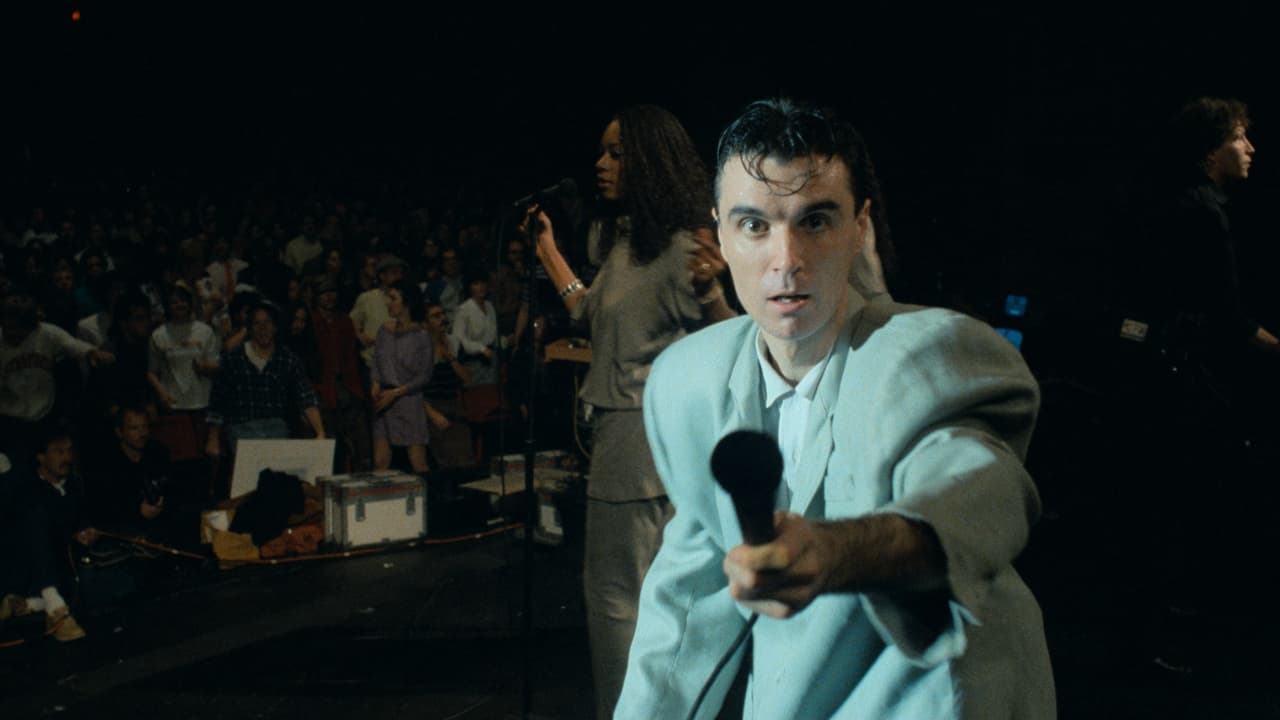
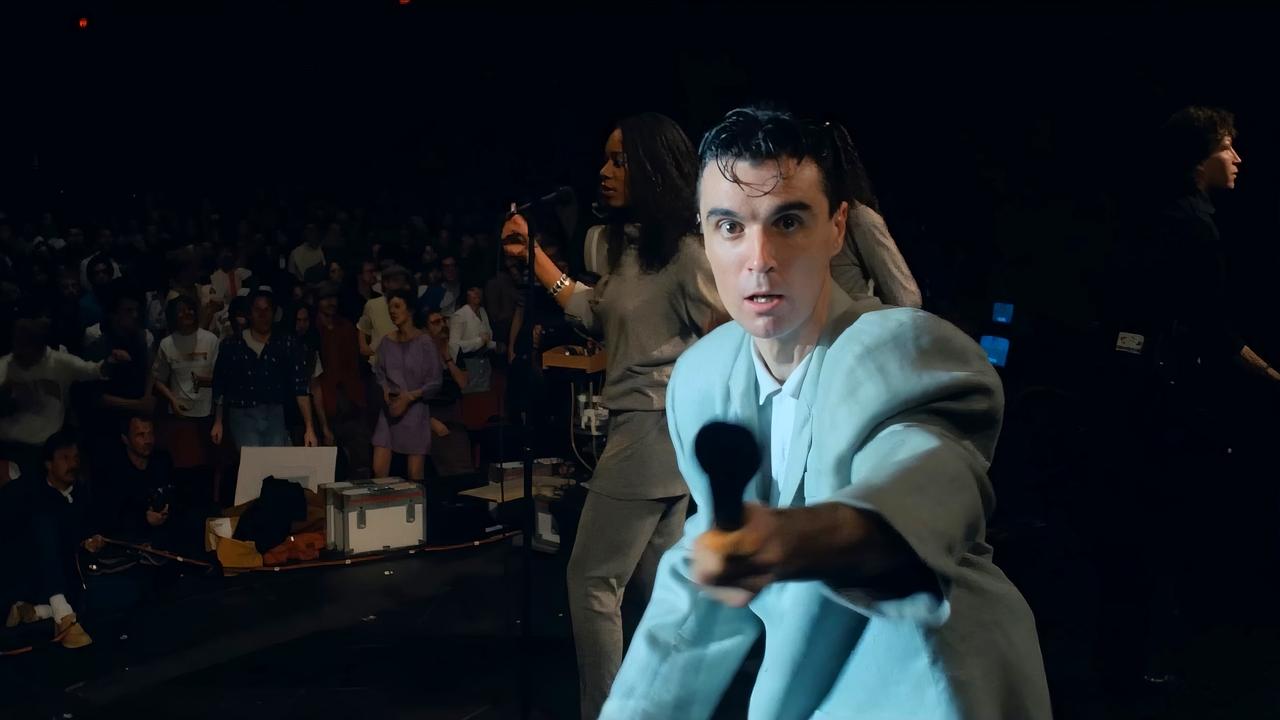
Another detail that set it apart, especially crucial for us VHS viewers often battling muddy audio, was the pioneering use of 24-track digital sound recording. This captured the band's intricate polyrhythms and sonic layers with unprecedented clarity for the time, making the accompanying soundtrack album a massive hit too. And yes, that iconic Big Suit? Byrne wanted his head to appear smaller in proportion to his body, aiming for a striking, almost surreal visual gag that perfectly complemented the music's joyful absurdity during tracks like "Girlfriend Is Better." It became an instant pop culture image, cemented in our minds likely via heavy rotation on MTV.
The Music That Moves You
Ultimately, Stop Making Sense triumphs because the music is simply phenomenal. This was Talking Heads at their absolute peak, fusing post-punk, funk, pop, and world music into something utterly unique and exhilarating. The setlist is wall-to-wall brilliance: the urgent pulse of "Burning Down the House," the existential funk of "Once in a Lifetime" (complete with Byrne's flailing, unforgettable choreography), the slinky groove of "Slippery People," and the heart-stoppingly beautiful "This Must Be the Place (Naive Melody)," featuring that wonderfully quirky lamp dance. Every song is delivered with precision, passion, and an infectious sense of joy that radiates off the screen.
Still Making Sense After All These Years
Decades later, Stop Making Sense hasn’t aged a day. Its energy is timeless, its musicality impeccable, and its visual concept remains strikingly original. It transcended the limitations of the concert film genre, creating something closer to performance art captured perfectly on celluloid (and, thankfully for us, on those chunky plastic tapes we cherished). It’s a film that doesn't just document a band; it captures the very essence of creative expression and communal joy. Watching it again now evokes that same thrill I felt renting it from the local video store – the feeling of witnessing something truly special, something vibrant and alive.
VHS Heaven Rating: 10/10
This is, without hyperbole, one of the greatest concert films ever made. The performances are electrifying, Jonathan Demme's direction is masterful in its restraint and focus, and the sheer innovative energy pulsing through every frame is undeniable. From the stark opening to the ecstatic finale, it’s a journey of escalating musical brilliance and visual invention. It fully earns a perfect score for its artistry, innovation, and enduring power to make you want to dance around your living room, Big Suit or not.