Alright, fellow tapeheads, gather 'round the flickering glow of the metaphorical CRT. Tonight, we're digging out a tape that felt less like a movie rental and more like smuggling an event into your living room: Metallica and San Francisco Symphony: S&M (1999). This wasn't just another concert video; it was a high-wire act, a glorious collision of worlds captured forever on magnetic tape (and, okay, eventually DVD and Blu-ray, but we remember the thunk of that double VHS hitting the counter!).
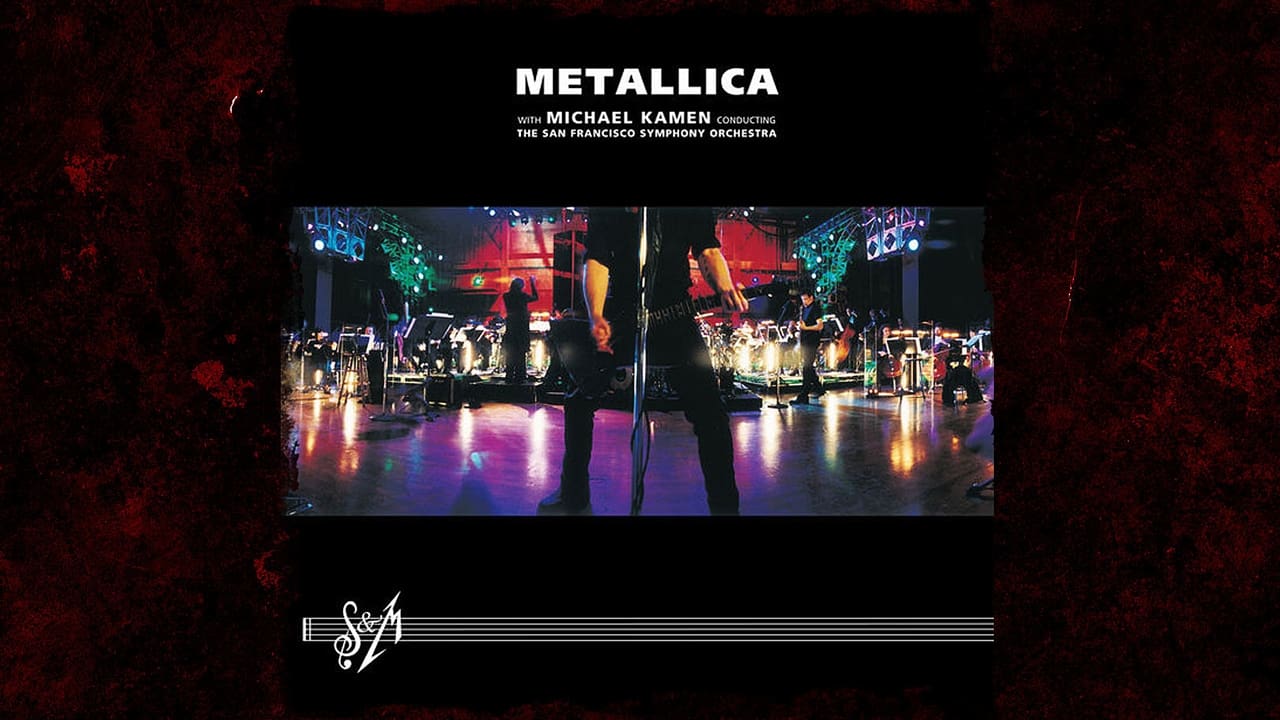
The late, great Michael Kamen wasn't just a film score maestro, lending his talents to massive hits like Lethal Weapon (1987) and Die Hard (1988). He had a history of bold rock collaborations, famously working with Pink Floyd and Queen. So, pairing him with the reigning titans of metal, Metallica, fresh off their Load/Reload explorations and still radiating global dominance? That felt like the kind of audacious, slightly mad experiment the late 90s could still cough up. You saw that VHS box, the iconic 'Tallica logo intertwined with orchestral flourishes, and you just had to know how it sounded... and looked.
### Thunder Meets Tschaikovsky
Let's be honest: the concept sounded potentially disastrous. Thrash metal's jagged edges and raw power slamming against the refined, complex textures of a symphony orchestra? It could have been a muddy mess. But Michael Kamen, working closely with the band, crafted arrangements that didn't just layer strings over riffs; they reimagined classic Metallica anthems. Hearing the opening orchestral swell of "The Call of Ktulu" (which rightfully nabbed a Grammy for Best Rock Instrumental Performance) explode into Kirk Hammett's familiar guitar lines was genuinely spine-tingling back then. It wasn't just noise; it was grandeur.
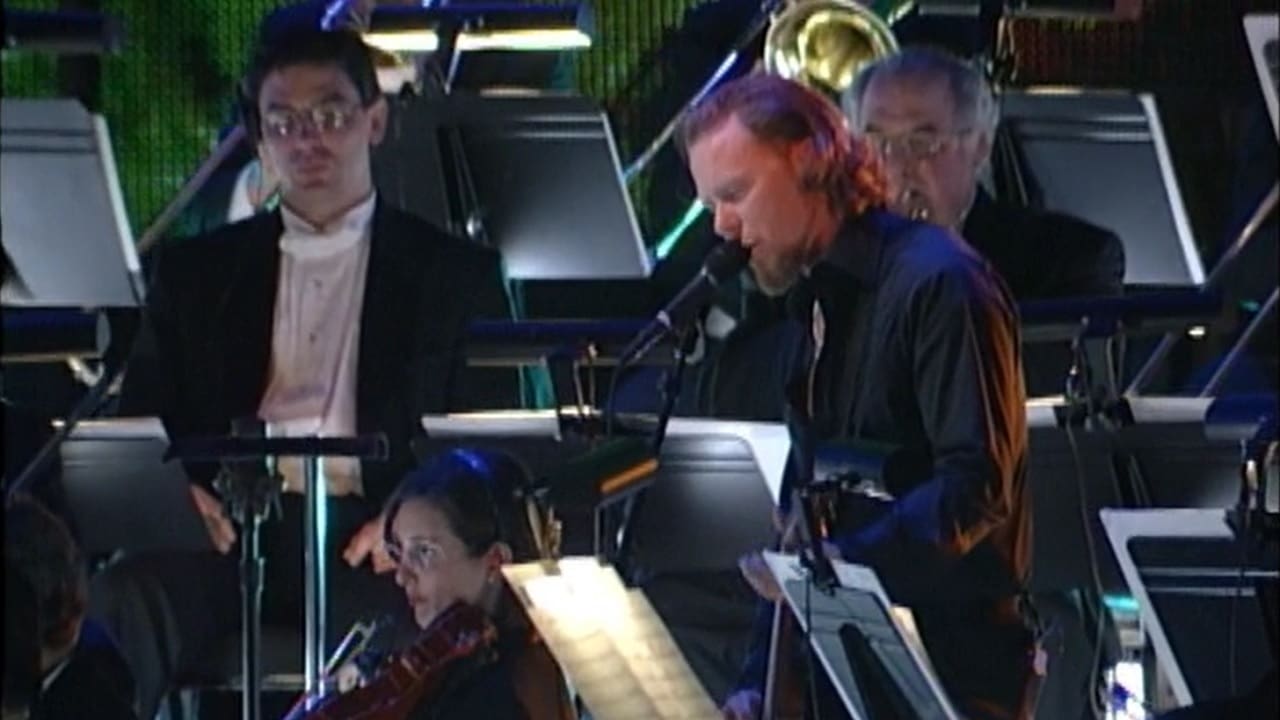
The technical challenge must have been immense. Imagine the sound engineers trying to balance Lars Ulrich's ferocious drumming and James Hetfield's unmistakable growl with the delicate nuances of violins and cellos in the relatively intimate setting of the Berkeley Community Theatre, where these two nights (April 21–22, 1999) were captured. Yet, somehow, it works. Tracks like "Master of Puppets" gain a new, almost Wagnerian weight, while the pounding intensity of "Battery" feels even more epic with orchestral stabs punctuating the riffs. And remember the two new songs debuted here? "No Leaf Clover" and "- Human" felt specifically born from this symphonic metal fusion, proving it wasn't just a novelty project.
### Capturing Lightning in a Bottle (or on a Tape)
Directing this spectacle fell to Wayne Isham, a name synonymous with slick, high-energy music videos for giants like Bon Jovi and Mötley Crüe. He knew how to capture rockstar charisma, and here he skillfully juxtaposed the raw, kinetic energy of Metallica – Hetfield commanding the stage, Hammett shredding, Ulrich a whirlwind behind the kit, and the stoic power of Jason Newsted on bass (in one of his final major appearances with the band) – against the focused intensity of the suited symphony players.
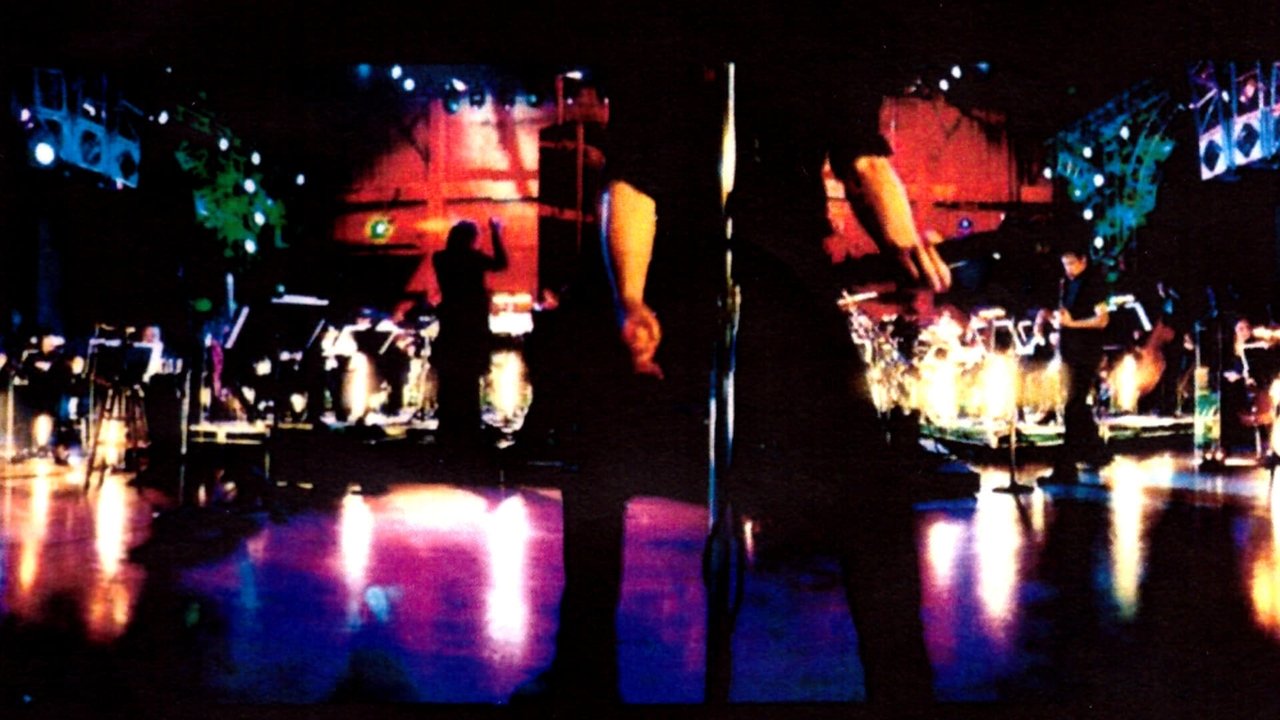
Watching the VHS, maybe with the tracking slightly off, there was a raw immediacy to it. The quick cuts, the sweeping shots across the orchestra, the close-ups on intense faces (both band and symphony members)... Isham captured the event. It wasn't just about the music; it was about witnessing this unlikely marriage happen live. You could almost feel the vibration, the sheer volume of sound being generated. Modern concert films might be technically smoother, sharper, maybe even mixed better in surround sound, but S&M on VHS had that slightly gritty, you-are-there feeling that perfectly suited the music's power. Remember how massive those moments felt, even on a fuzzy 27-inch screen?
### A Bold Experiment Pays Off
While some purists might have scoffed initially, S&M was a massive critical and commercial success. The live album went multi-platinum, and the concert film became a must-have for fans. It demonstrated Metallica's willingness to push boundaries and explore new territories, even twenty years into their career. It also served as a powerful showcase for Michael Kamen's unique talent for bridging musical worlds, making his passing just a few years later feel even more poignant.
This wasn't just slapping some strings on metal songs; it was a genuine artistic collaboration that resulted in something unique and powerful. It felt like a moment, a convergence of forces that couldn't easily be replicated. The ambition alone was worth appreciating.
Rating: 9/10
Justification: S&M earns a high score for its sheer audacity, brilliant execution, and the successful fusion of two seemingly disparate musical worlds. Michael Kamen's arrangements are masterful, Metallica delivers a powerhouse performance, and Wayne Isham captures the unique energy of the event perfectly for the home video format. While perhaps not essential listening/viewing for casual listeners, for fans of the band or anyone interested in bold musical experiments, it's a landmark achievement. The slight deduction acknowledges that the novelty, while powerful, means some might favour purely 'band-only' live experiences.
Final Thought: In the landscape of 90s music home video, S&M stands tall – a testament to the era's lingering ambition and a reminder that sometimes, the craziest ideas yield the most electrifying results, even when watched on a well-worn VHS tape. It proved metal could wear a tuxedo and still absolutely shred.