It’s rare for lightning to strike twice, especially when the first bolt was less a flash of brilliance and more a chaotic, self-mythologizing explosion. Yet, two decades after his wildly unreliable, Malcolm McLaren-centric The Great Rock 'n' Roll Swindle (1980), director Julien Temple returned to the incendiary saga of the Sex Pistols. But The Filth and the Fury (2000) isn't a sequel or a simple rehash. It feels more like an act of profound correction, an attempt to finally let the music, the members, and the brutal honesty of their experience speak for themselves, unfiltered by the puppet master who claimed to pull all the strings. For those of us whose understanding of the Pistols might have been shaped by Swindle's anarchic funhouse mirrors – often watched on grainy VHS copies passed around like contraband – this film felt like peeling back layers of performance to find something raw and unexpectedly human underneath.
Voices from the Shadows
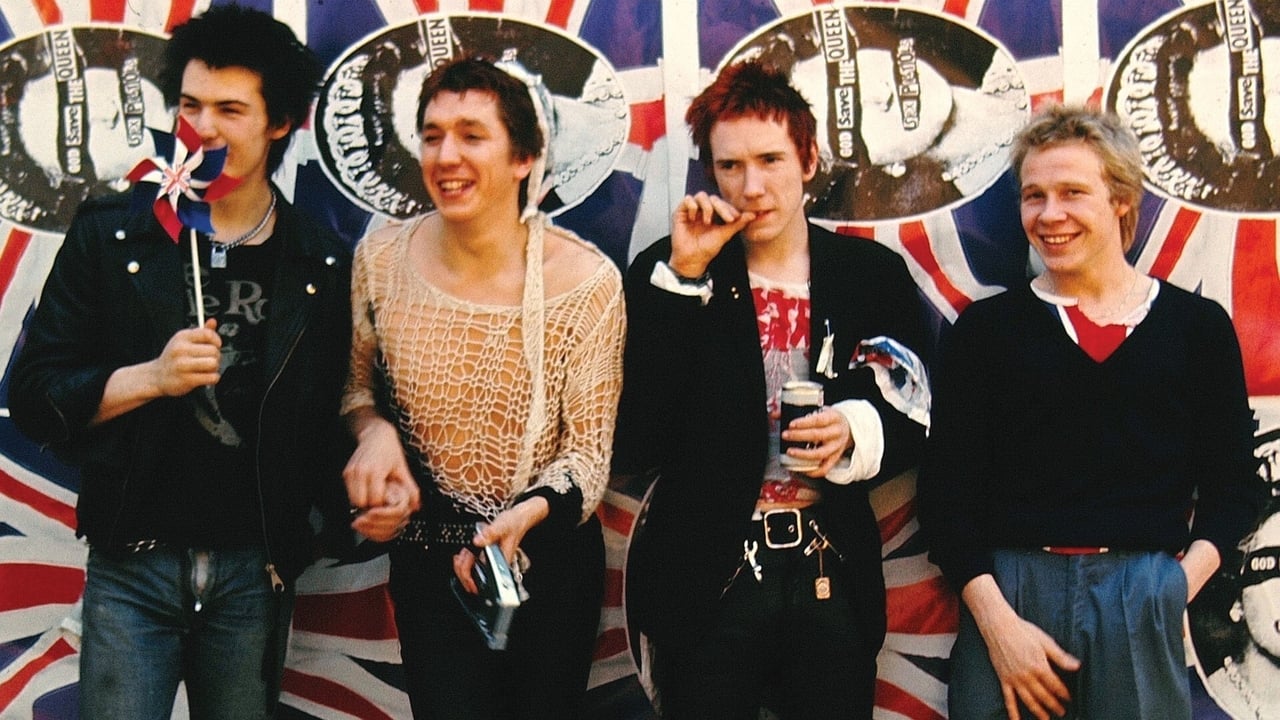
Temple's masterstroke here is putting the surviving band members – John Lydon (aka Johnny Rotten), Steve Jones, and Paul Cook – front and center. Filmed largely in silhouette against brightly lit backdrops, their faces initially obscured, the focus shifts entirely to their words, their voices thick with twenty years of reflection, anger, lingering hurt, and surprising vulnerability. It’s a stylistic choice that initially feels distancing but quickly becomes incredibly intimate. We aren't distracted by how time has changed their features; we're forced to listen, truly listen, to the stories pour out. Lydon, predictably, is still a magnetic force of nature, spitting venom and wit, but there’s a palpable sense of pain beneath the familiar sneer, particularly when discussing Sid Vicious. Jones is gruffly charming and disarmingly honest about his past thievery and insecurities, while Cook provides a quieter, often grounding counterpoint. Their collective narrative dismantles the McLaren myth piece by piece, reclaiming their agency in a story that had largely erased it. It's less a band interview, more like bearing witness to a long-overdue group therapy session, albeit one fueled by righteous indignation rather than calm introspection.
Anarchy in Context
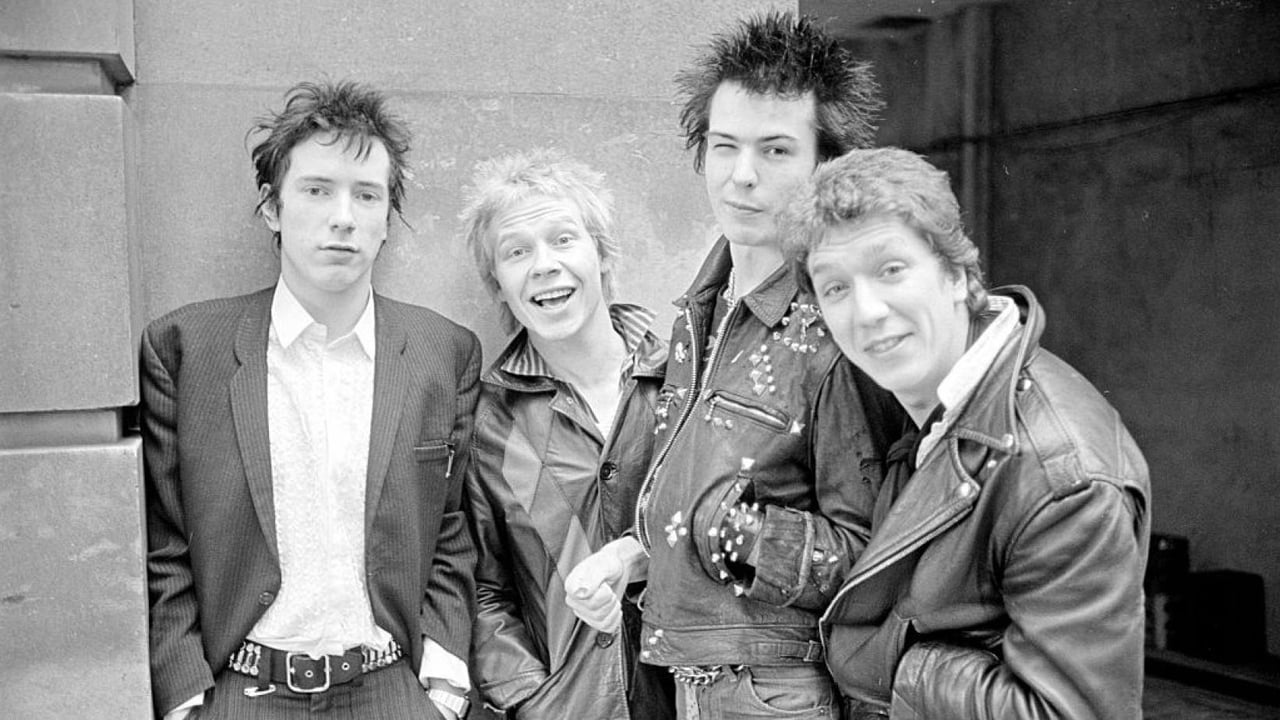
Beyond the interviews, Temple excels at painting a vivid, almost suffocating picture of mid-70s Britain. Using a dizzying collage of archival news footage, obscure television clips, cartoons, and snippets of Laurence Olivier in Richard III, he reconstructs the social and political landscape that birthed punk: the strikes, the unemployment, the societal decay, the sheer grey boredom against which the Pistols erupted like a splash of neon paint. It’s a crucial element, grounding the band's nihilistic fury not just in teenage rebellion, but in a genuine sense of disillusionment with the world around them. You feel the oppressive atmosphere, making the explosion of punk feel less like a calculated provocation and more like an inevitable chemical reaction. Temple, who cut his teeth documenting the band back in the day, possesses an unparalleled archive, and he uses it with kinetic, often jarring, effectiveness. This wasn't just about fashion or spitting; it was a howl from the bottom of the heap.
The Ghost at the Feast
Of course, Sid Vicious looms large, a tragic figure presented here not just as the cartoon punk icon, but as a casualty – of fame, of drugs, of manipulation, and perhaps of his own inability to cope. The archival footage of Sid is often heartbreaking, charting his descent from a seemingly sweet, somewhat lost boy into the self-destructive vortex that consumed him. The band members speak of him with a complex mix of affection, frustration, and deep sadness. There’s no easy answer here, just the wreckage left behind. Similarly, Malcolm McLaren is ever-present, mostly through archival interviews and the band's recollections. The film doesn't deny his role as a catalyst and a brilliant, if ethically dubious, publicist, but it reframes him as an exploitative figure who ultimately cared more for the concept than the people involved. Hearing the band detail specific instances of manipulation and financial betrayal adds a bitter edge often missing from more romanticized accounts.
Beyond the Headlines
What makes The Filth and the Fury endure, even now, is its commitment to honesty, however ugly. It strips away the shock-value headlines and the carefully constructed myths to reveal the flawed, frustrated, and fiercely talented individuals at the heart of the storm. Temple avoids imposing a neat narrative arc; instead, he allows the contradictions and complexities to coexist. The editing is sharp, the soundtrack obviously phenomenal, and the sheer weight of history palpable. It's a film that doesn't just recount events; it evokes the feeling of that time and the messy human cost of becoming symbols of rebellion. Some archival footage showing the sheer media frenzy and public outrage serves as a potent reminder of just how disruptive they were – something easily lost in today's more permissive cultural landscape.
It's a testament to the power of documentary filmmaking when it seeks truth over spectacle. While The Great Rock 'n' Roll Swindle remains a fascinating, chaotic artifact of its time (and a frequent renter back in the day!), The Filth and the Fury is the essential text for understanding the Sex Pistols. It’s the sound of the band finally, forcefully, taking back the microphone.
Rating: 9/10
This rating reflects the film's success as a powerful corrective, its masterful use of archival material, the raw honesty of the interviews, and Temple's energetic direction. It's not just a music documentary; it's a vital piece of social history and a moving portrait of youth, fame, and betrayal, told by those who lived it. It may sit just outside the core 80s/90s bracket, but its perspective feels essential for anyone who grew up with the echoes of punk ringing in their ears.
Final Thought: More than just noise, The Filth and the Fury reveals the bruised heart that beat beneath the safety pins and sneers, leaving you with a profound sense of what was gained, and tragically, what was lost.