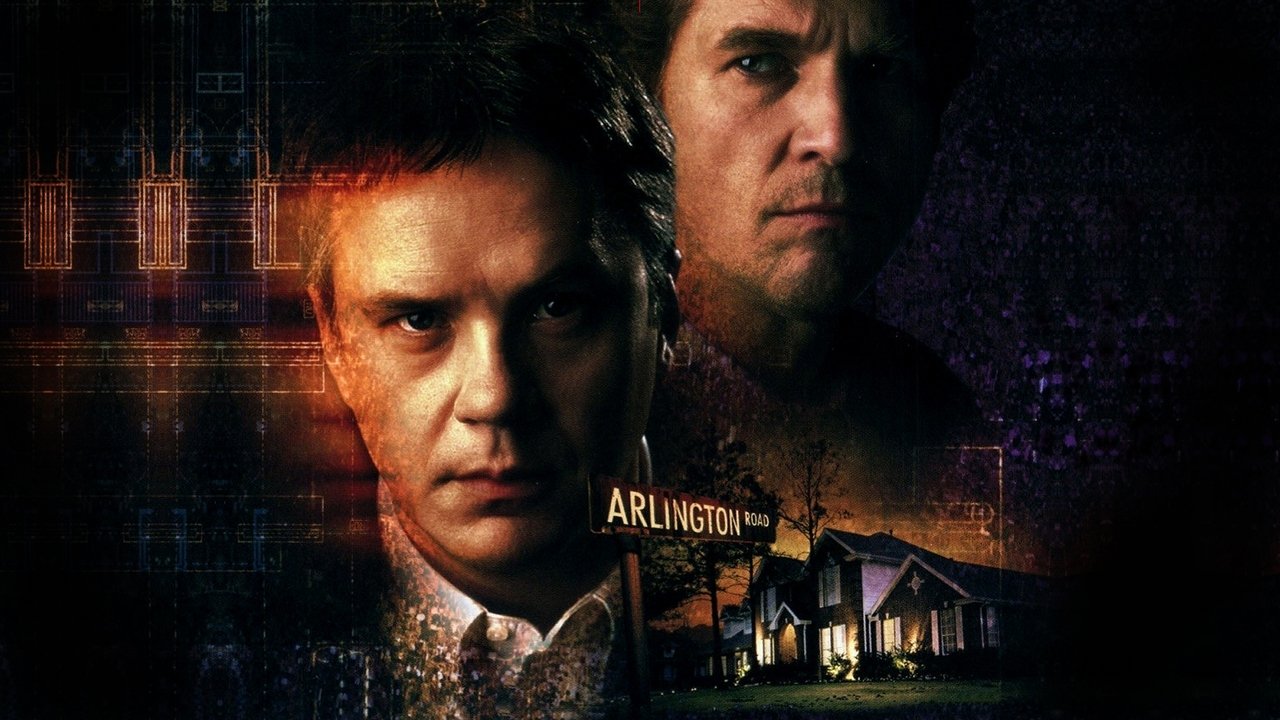
The quiet hum of the VCR, the click of the tape slotting home... some movies just felt different watched that way, didn't they? There's a particular strain of late-90s thriller that burrowed under your skin, less concerned with jump scares and more interested in a slow, creeping dread that mirrored the anxieties simmering beneath the surface of the decade. Arlington Road (1999) is a prime example, a film that weaponizes the picturesque tranquility of American suburbia and turns it into a landscape of suffocating paranoia. It doesn't just suggest something is wrong next door; it whispers that the foundations are rotten.
Beneath the Manicured Lawn
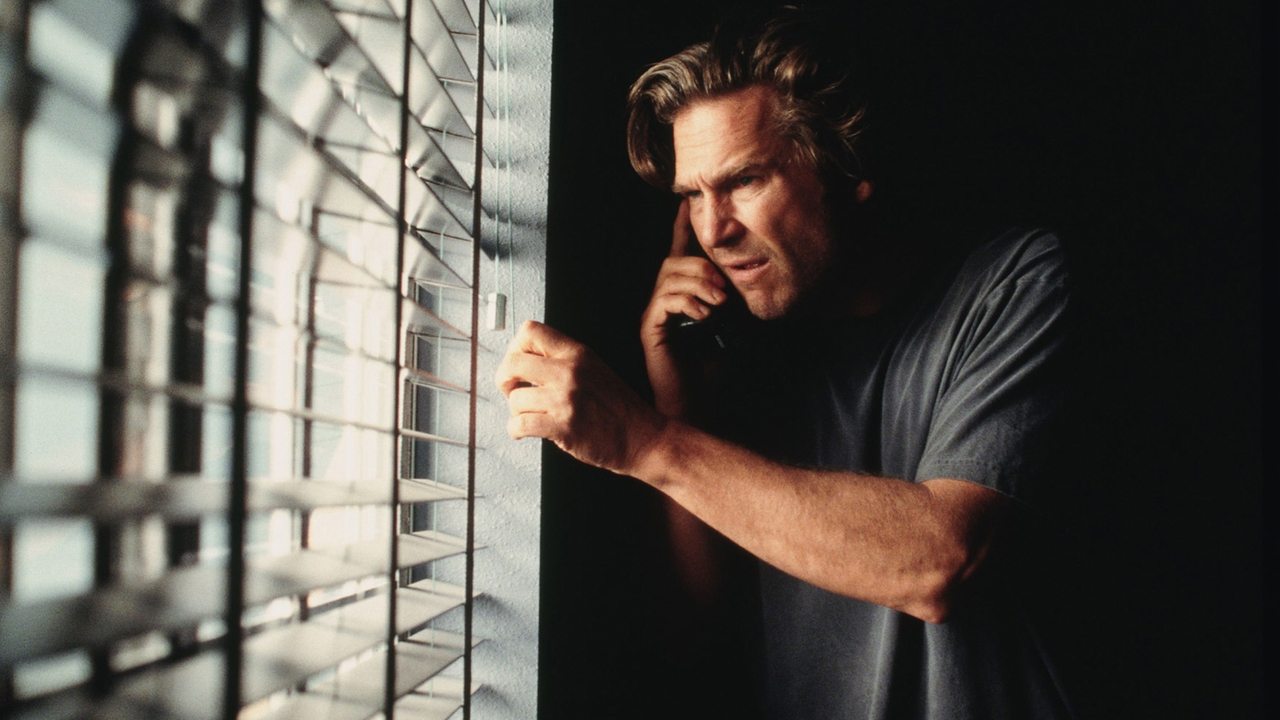
We're dropped into the life of Michael Faraday (Jeff Bridges, bringing that weary intensity he does so well), a history professor specializing in domestic terrorism, haunted by the death of his FBI agent wife in a botched raid. He’s adrift in grief, raising his young son Grant (Spencer Treat Clark) in a leafy Washington D.C. suburb. When a seemingly chance encounter introduces him to his new neighbors, the charmingly ordinary Oliver and Cheryl Lang (Tim Robbins and Joan Cusack), initial pleasantries soon give way to suspicion. Faraday, whose academic focus makes him hyper-aware of extremist patterns, starts seeing inconsistencies, red flags hidden behind folksy smiles and neighborhood barbecues. Is he projecting his grief and expertise onto innocent people, or has genuine darkness moved in next door?
Director Mark Pellington, already known for his visually striking work on music videos like Pearl Jam's "Jeremy," brings a restless, almost frantic energy to the film. The camera often feels subjective, mirroring Faraday's growing agitation with quick cuts, unsettling angles, and moments of distorted reality. It’s a style that perfectly complements the core theme: the terrifying possibility that the mundane world you inhabit is merely a facade for something monstrous. It’s a paranoia fuelled brilliantly by the score from Angelo Badalamenti, the maestro who gave Twin Peaks its signature dreamlike dread. Here, his music isn't dreamy; it's a tense, thrumming undercurrent of imminent disaster.
The Neighbor You Thought You Knew
The casting here is impeccable. Bridges makes Faraday’s descent utterly believable – is he losing his grip, or is he the only one seeing clearly? You feel his desperation, his academic certainty warring with the potential social and professional fallout of his accusations. Opposite him, Tim Robbins delivers a masterclass in unsettling normalcy. Oliver Lang is polite, helpful, seemingly an open book... yet there’s an unnerving stillness, a careful construction that feels too perfect. It's a chilling performance that hinges on ambiguity. And Joan Cusack, often cast in warmer, quirkier roles, is quietly terrifying as Cheryl, her supportive wife routine occasionally cracking to reveal something cold and calculating beneath. Watching them together, you understand Faraday's unease; they are the picture of suburban bliss, rendered deeply sinister.
The film’s power comes from exploiting that inherent trust we place in the familiar. Writer Ehren Kruger, reportedly inspired by the unsettling reality of the Oklahoma City bombing and how extremism could hide in plain sight, crafted a script that became a hot property in Hollywood. His premise wasn't about infiltrating some shadowy organization's remote compound; it was about the enemy living right next door, borrowing your tools, bringing over a casserole. Filmed primarily around Houston, Texas, the chosen locations perfectly capture that specific feel of affluent, anonymous American suburbia, making the encroaching dread feel terrifyingly plausible. This wasn't happening in some far-off city; it could be happening on your street.
That Gut-Punch Ending (No Spoilers, But Brace Yourself)
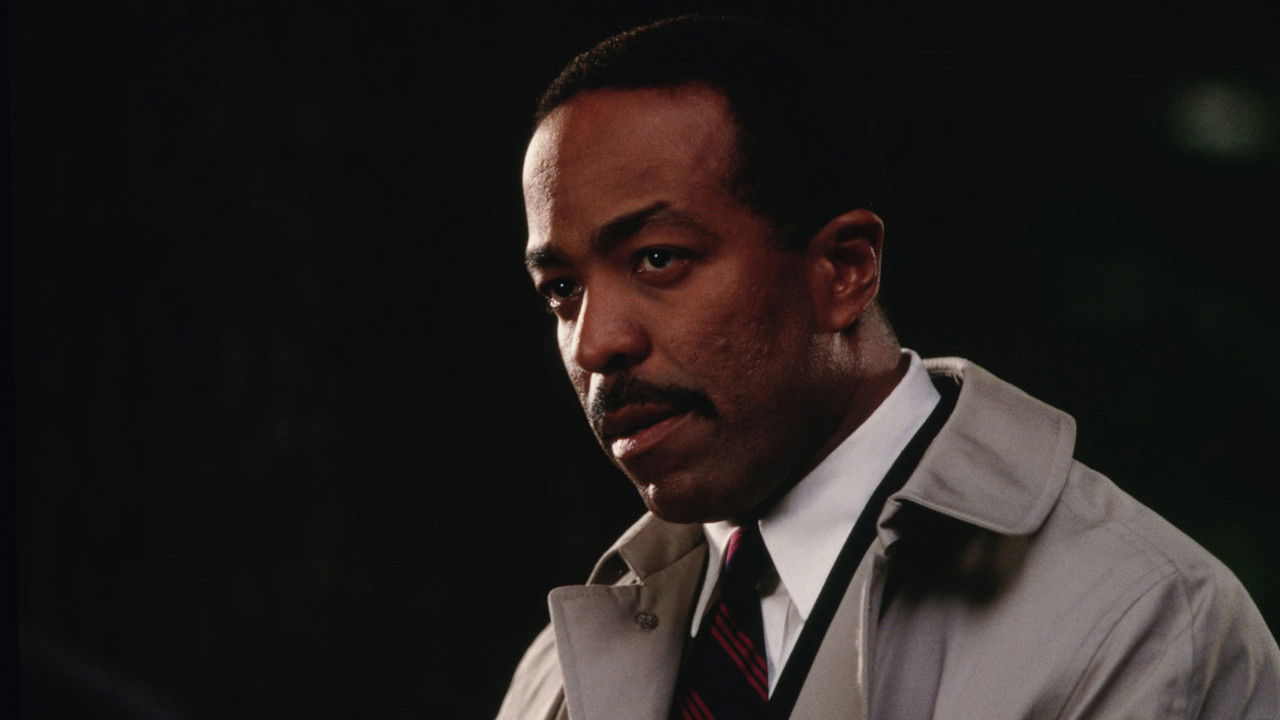
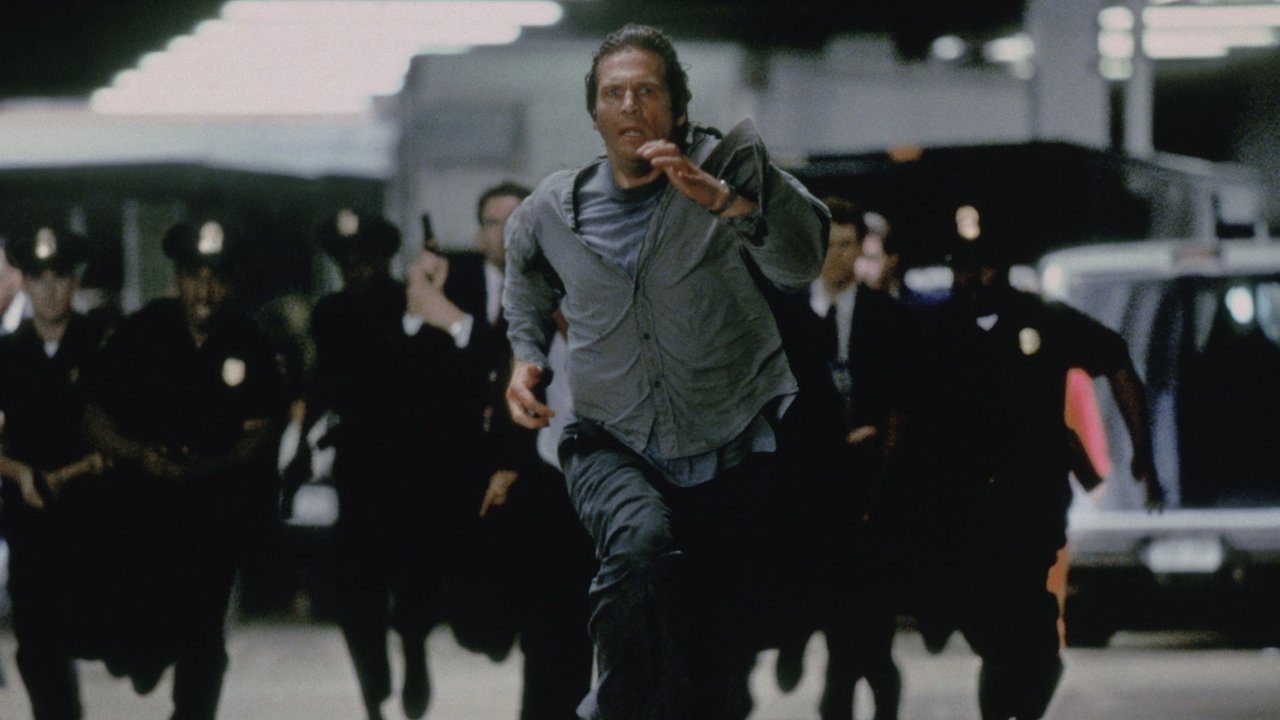
Arlington Road is perhaps most infamous for its conclusion. Without giving away specifics, it's an ending that pulls no punches. It’s bleak, devastating, and completely unforgettable. In an era where test audiences often dictated happier, more conventional resolutions, Pellington and Kruger stuck to their guns, delivering a finale that feels both shocking and tragically inevitable within the film's escalating logic. I distinctly remember the heavy silence in the room after the credits rolled on my rented copy back in the day; it wasn't the kind of thriller that let you off the hook easily. Its power lies in that refusal to offer simple comfort, leaving you with a lingering chill and a profound sense of unease about the world outside your window. Did that twist genuinely leave you reeling back then? It certainly left its mark on me.
Though not a box office smash (earning roughly $41 million worldwide on a $31 million budget), Arlington Road has rightfully earned its place as a cult classic 90s thriller. Its themes felt relevant in the nervous energy of the late 90s, but watching it now, in a post-9/11 world it eerily presaged, its exploration of domestic threats, surveillance, and the fragility of perceived safety feels even more potent. It's a film that reminds you that sometimes, the most terrifying monsters aren't creatures lurking in the dark, but the smiling faces in the daylight.
VHS Heaven Rating: 9/10
This score is earned through its masterful build-up of suspense, powerhouse performances from Bridges and Robbins, Mark Pellington's distinctive direction creating palpable dread, and an ending that remains one of the boldest and most impactful gut-punches of 90s studio filmmaking. It expertly weaponizes the suburban setting, turning comfort into claustrophobia. While some might find minor plot points require a degree of suspension of disbelief, the overall atmospheric tension and thematic resonance are undeniable.
Arlington Road is more than just a thriller; it's a chilling snapshot of societal anxiety, a paranoia piece that stays with you long after the tape stops spinning. It’s a stark reminder that sometimes, the most dangerous secrets are hidden behind the most ordinary doors.