What if Sherlock Holmes, instead of inhabiting Victorian London, found himself adrift in the slightly grungy, pre-millennium haze of late-90s Portland? And what if, alongside his staggering intellect, he possessed a social awkwardness so profound it bordered on pathological? That’s the tantalizing premise simmering at the heart of Jake Kasdan’s remarkably assured 1998 debut, Zero Effect, a film that feels less like a time capsule and more like a keenly observed character study wrapped in a quirky detective yarn. It’s one of those gems you might have stumbled upon during a late-night browse at Blockbuster, drawn in by Bill Pullman’s intense gaze on the cover, and discovered something far more nuanced and interesting than the standard Hollywood fare.
### The Observer Observed
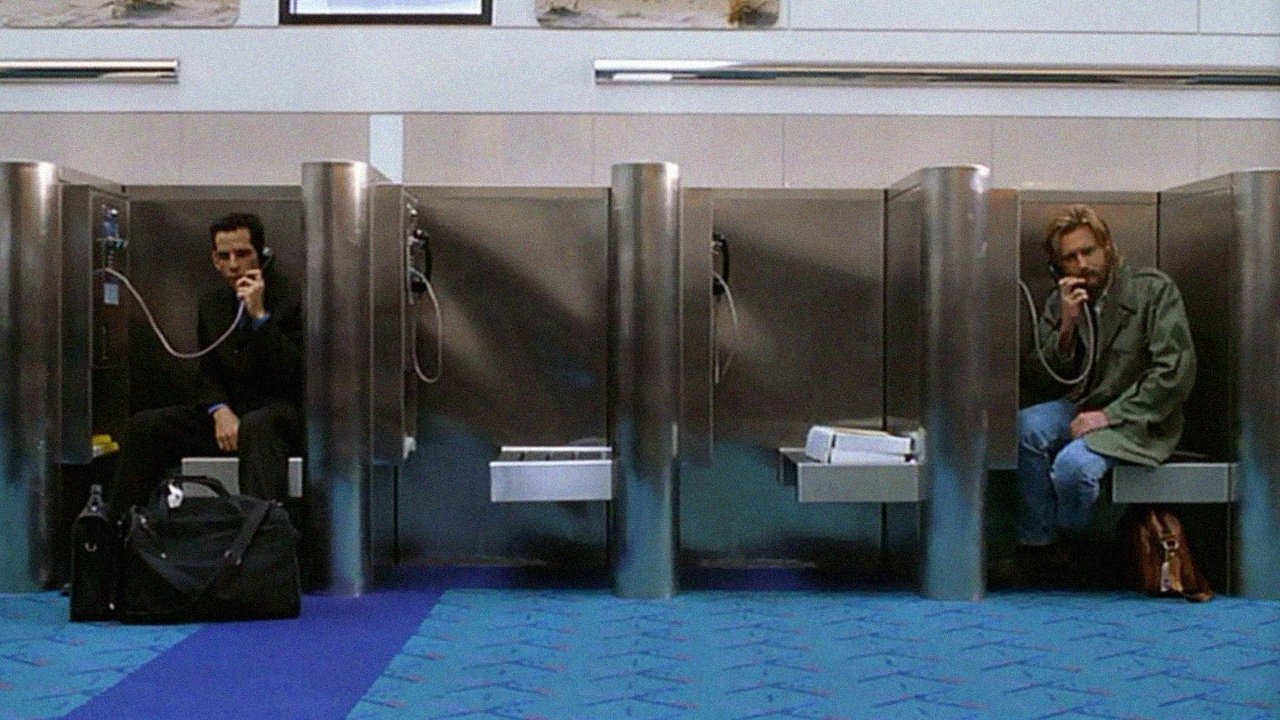
At the core is Daryl Zero (Bill Pullman), the self-proclaimed "world's greatest private investigator." He operates entirely from the shadows, a detached intellect observing the messy sprawl of human folly from his meticulously organized, fortress-like apartment. Zero is a master of disguise, deduction, and objective analysis, yet utterly incapable of basic human interaction. Pullman delivers a career-highlight performance here, capturing Zero's eccentricities – the clipped speech, the sudden bursts of focused energy, the reliance on Tab soda and meticulously prepared tuna – not as mere tics, but as manifestations of a deeply fractured personality. There's a profound loneliness beneath the brilliance, a man who understands everything about the world except how to live in it. Remember watching Pullman, perhaps best known then for his heroic President in Independence Day (1996) or the charming leading man in While You Were Sleeping (1995), utterly disappear into this strange, compelling role? It was, and remains, a fascinating transformation.
### The Man on the Ground
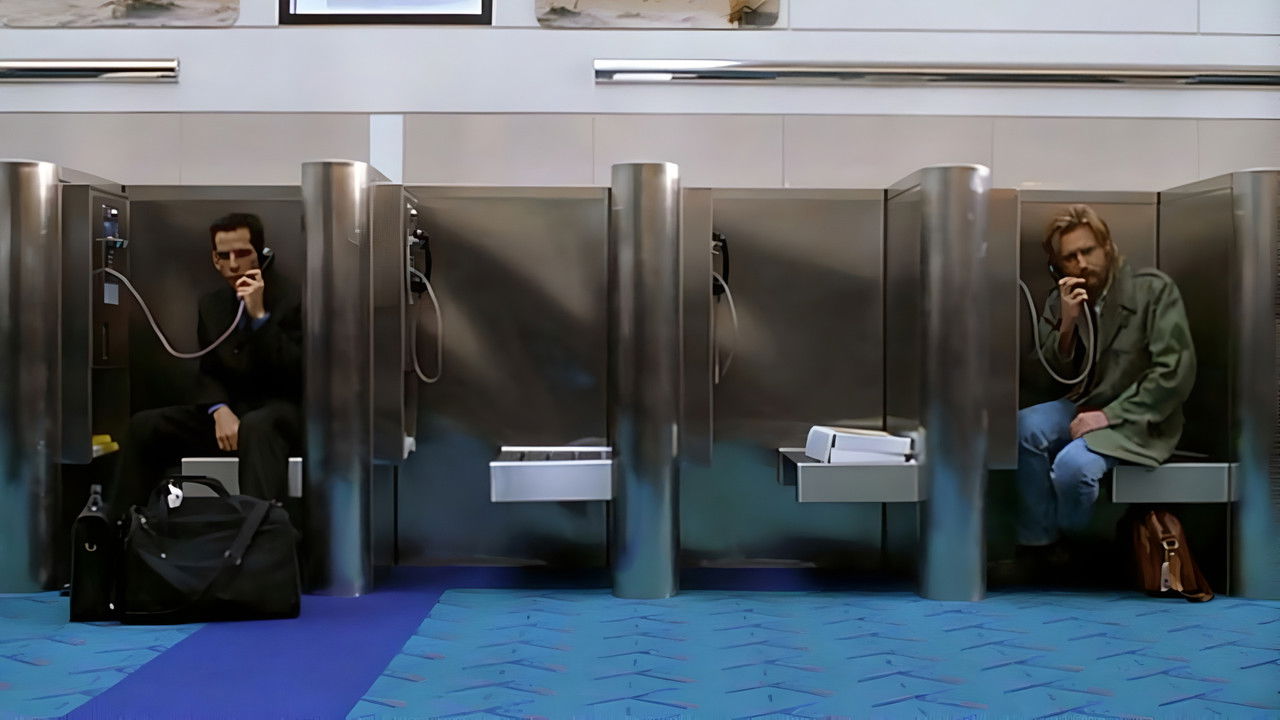
Every Holmes needs his Watson, and Zero has Steve Arlo, played with pitch-perfect exasperation by Ben Stiller. Arlo is the front man, the handler, the one forced to navigate the real world – dealing with clients, paying bills, and translating Zero’s often cryptic pronouncements. This was Stiller before he became the global comedy superstar of Meet the Parents (2000) and Zoolander (2001), and it’s a reminder of his strengths as a relatable straight man reacting to absurdity. The dynamic between Pullman and Stiller is the film's engine. Arlo’s mounting frustration with Zero’s impossible demands is palpable, yet underneath lies a deep loyalty and undeniable respect for his employer’s genius. Their exchanges crackle with a dry wit born from character, not contrived punchlines. It’s the kind of partnership that feels lived-in, complex, and utterly believable despite the outlandish premise.
### A Case of Connection
The central mystery involves Gregory Stark (Ryan O’Neal, bringing a touch of weary Tinseltown gravity), a timber tycoon being blackmailed. It’s a fairly standard setup, but Kasdan uses it as a framework to explore Zero’s carefully constructed world and, crucially, to challenge it. The investigation forces Zero out of his hermetic existence and into contact with Gloria Sullivan (Kim Dickens), a paramedic who becomes entangled in the case. Their interactions form the emotional core of the film. Kasdan himself has noted the influence of Arthur Conan Doyle's "A Scandal in Bohemia" here, positioning Gloria as Zero's Irene Adler – the one person who manages to penetrate his defenses. The chemistry between Pullman and Dickens is subtle but effective, hinting at the possibility of connection for a man seemingly defined by detachment. Does the case itself ultimately hold up under intense scrutiny? Perhaps not perfectly, but the journey it facilitates for Zero is far more compelling.

### The Kasdan Touch and Late 90s Vibe
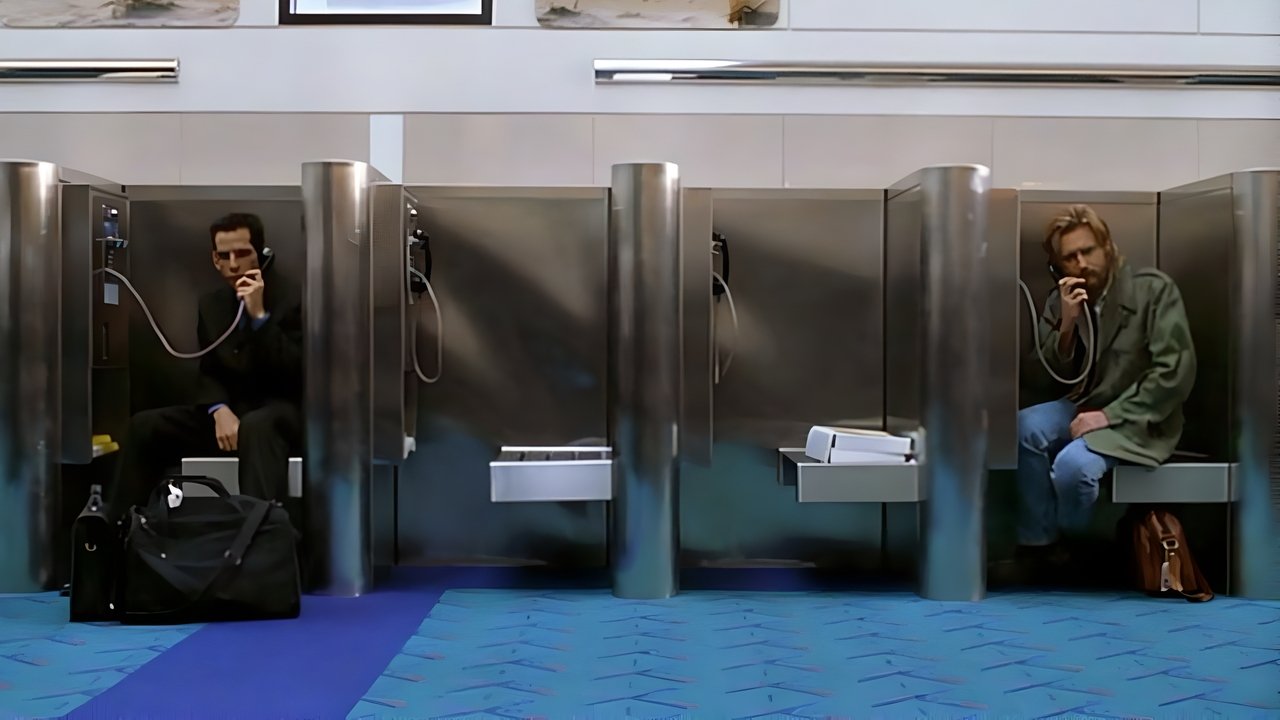
Filmed largely in Portland, Oregon, Zero Effect possesses a distinct atmosphere – slightly damp, overcast, fitting for its introspective protagonist. Jake Kasdan, son of legendary writer-director Lawrence Kasdan (The Big Chill (1983), Raiders of the Lost Ark (1981) writer), displays a confident hand for his first feature. The dialogue is sharp and intelligent, the pacing deliberate, allowing scenes to breathe and character moments to land. It avoids easy categorization, blending neo-noir elements with character-driven comedy and moments of genuine pathos. Made on a modest budget of around $5 million, it found cult appreciation rather than blockbuster success (grossing just over $20 million worldwide), solidifying its status as a discovery for discerning viewers. There’s a tangible late-90s feel – the chunky laptops, the reliance on payphones and pagers, the absence of the instant information overload that would soon redefine detective work both on-screen and off. Watching it now evokes a specific kind of nostalgia, not just for the film itself, but for that slightly less connected, more analog moment in time.
### Lasting Resonance
What makes Zero Effect stick with you, long after the credits roll and the VCR clicks off? It’s the character of Daryl Zero. He’s a paradox – brilliant yet broken, observant yet isolated. Pullman imbues him with such vulnerability beneath the eccentric armor that you can't help but empathize, even chuckle at his methods. The film asks quiet questions about the nature of observation versus participation, the cost of genius, and the universal human need for connection, however clumsily sought. Is complete objectivity truly possible, or even desirable?
***
Rating: 8/10
Zero Effect earns its high marks through stellar lead performances, particularly Bill Pullman's unforgettable turn, sharp writing, and a unique blend of wit and melancholy. While the central mystery might not be the most intricate puzzle box, the exploration of its deeply flawed protagonist is captivating. It's a smart, funny, and surprisingly poignant film that stands as a testament to Jake Kasdan's early talent and remains a standout character piece from the late 90s indie scene. A definite must-find for any VHS Heaven aficionado looking for something clever and just a little bit different. It reminds us that sometimes the greatest mysteries aren't external cases, but the complexities hidden within the human heart.