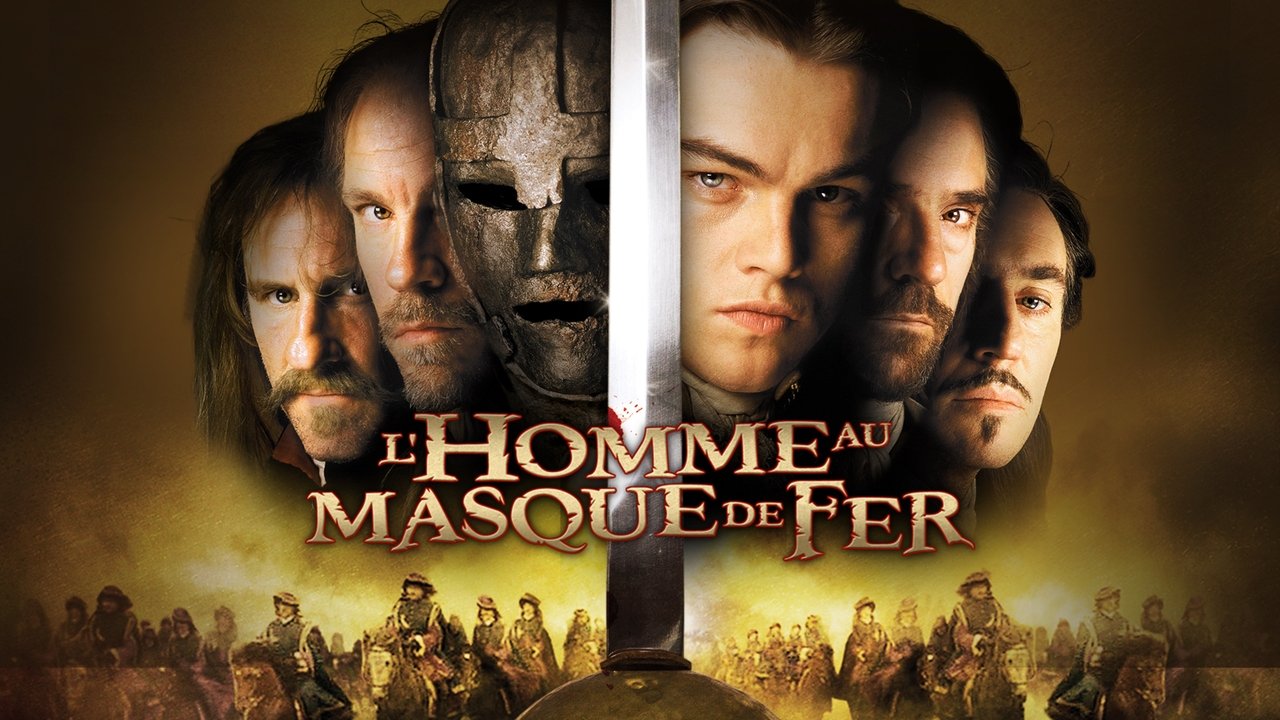
It begins with the chilling finality of metal locking into place, obscuring a human face. The very image of the man in the iron mask, trapped deep within the Bastille, carries a weight that transcends mere plot device. It speaks of silenced truths, stolen identity, and the crushing power of unchecked tyranny. Watching Randall Wallace's The Man in the Iron Mask (1998) again, all these years after pulling that familiar tape from the rental shelf, that image still resonates, promising not just swashbuckling adventure, but a surprisingly somber reflection on loyalty, sacrifice, and the ghosts of heroism past.
Echoes of Glory, Shadows of Age
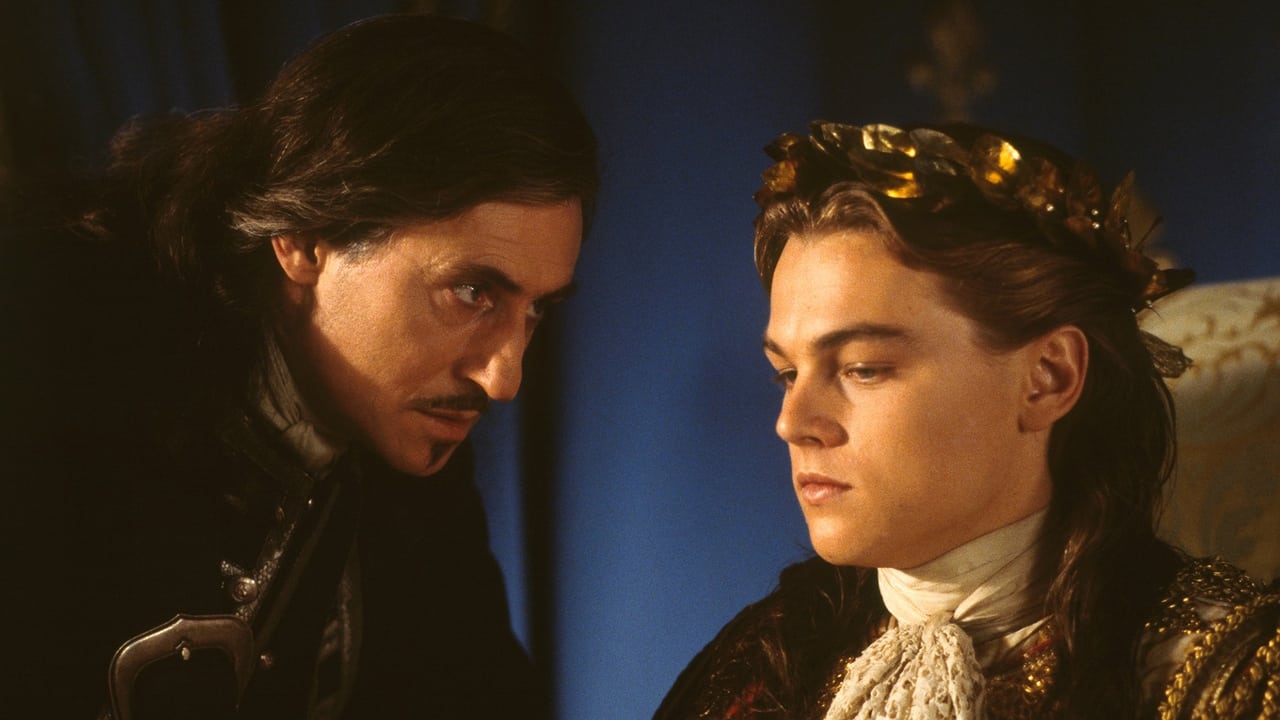
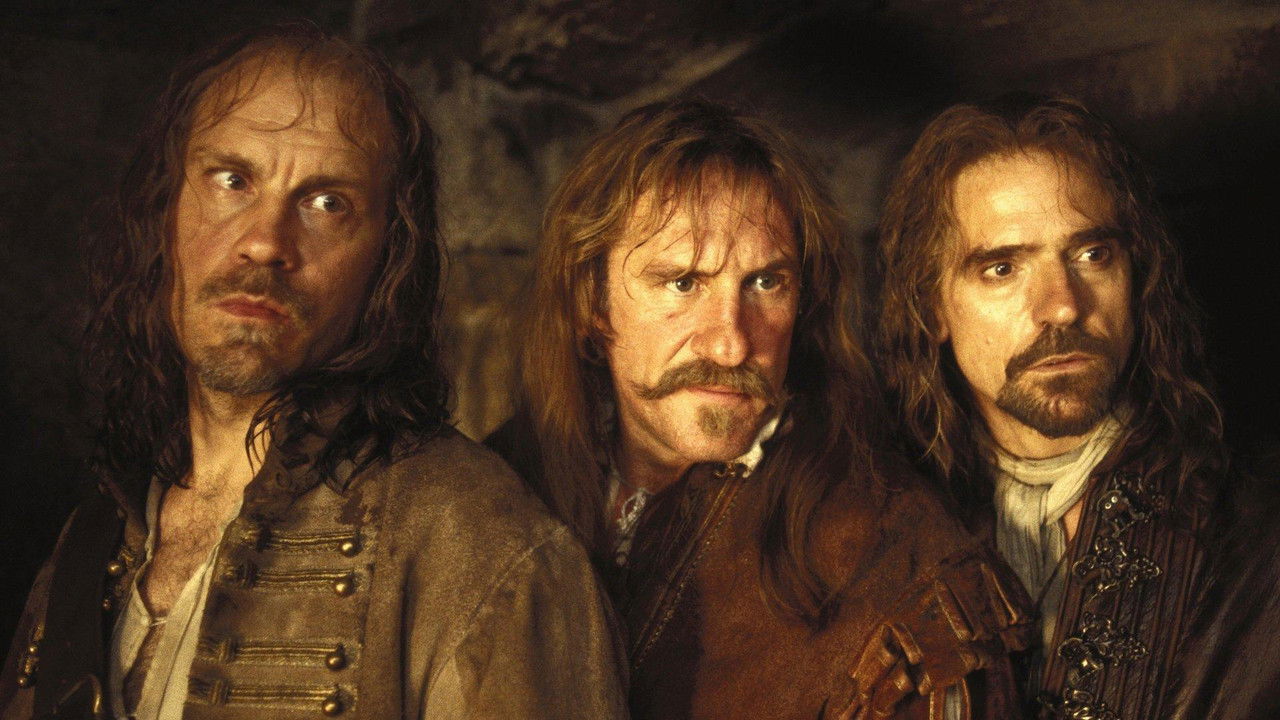
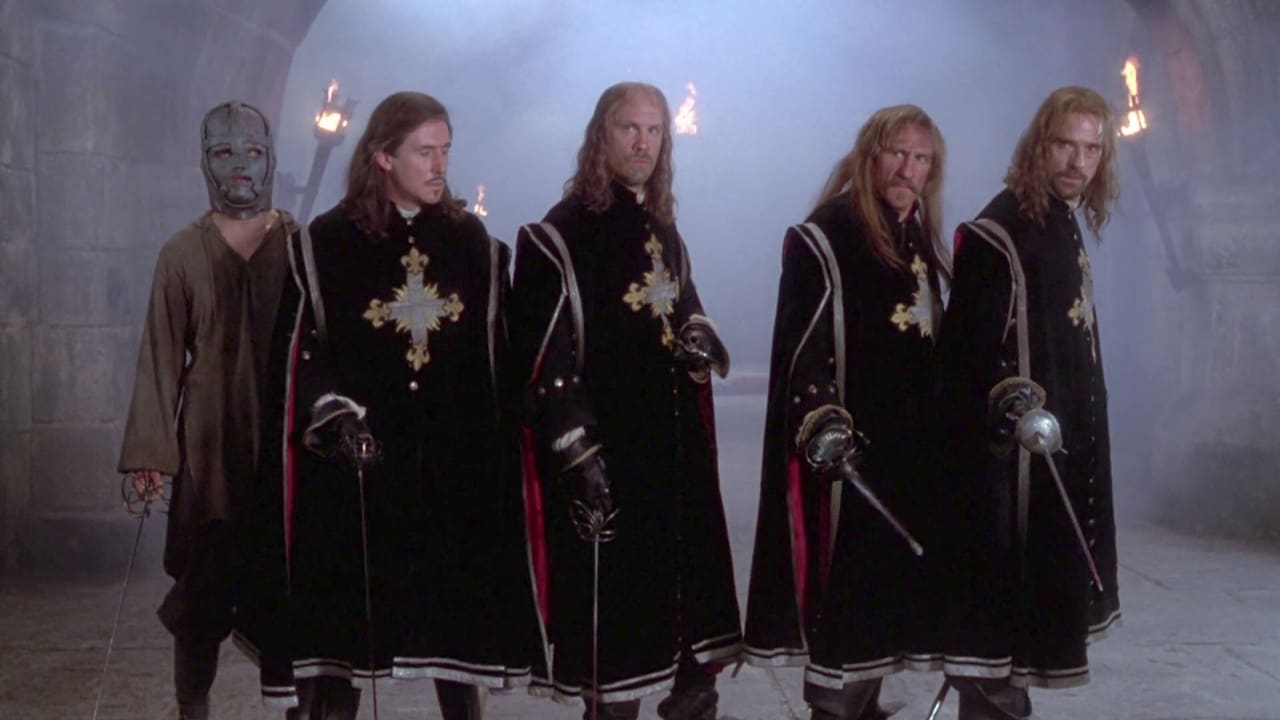
What immediately strikes you, perhaps even more now than in '98, is the sheer gravitas brought by the legendary actors portraying the aging Musketeers. We have Jeremy Irons as the conflicted, pious Aramis, wrestling with secrets that could shatter the kingdom. His performance is a masterclass in controlled anguish, conveying worlds of regret with a glance. Then there's John Malkovich as the haunted Athos, consumed by grief and a burning desire for vengeance against the crown that took his son. Malkovich brings a raw, weary intensity that feels utterly authentic – a stark contrast to the dashing heroes of their youth. Gabriel Byrne lends his quiet strength to D'Artagnan, torn between his oath to the King and his love for his old comrades, his loyalty tested in the most agonizing ways. And Gérard Depardieu embodies Porthos, clinging perhaps too desperately to the glories of the past, seeking one last blaze of meaningful action, providing both comic relief and surprising pathos. Seeing these titans share the screen, embodying characters burdened by time and regret, gives the film an emotional anchor that elevates it beyond simple period adventure. It's their chemistry, their shared history bleeding through the performances, that truly sells the heart of the story.
The King(s) and the Phenomenon
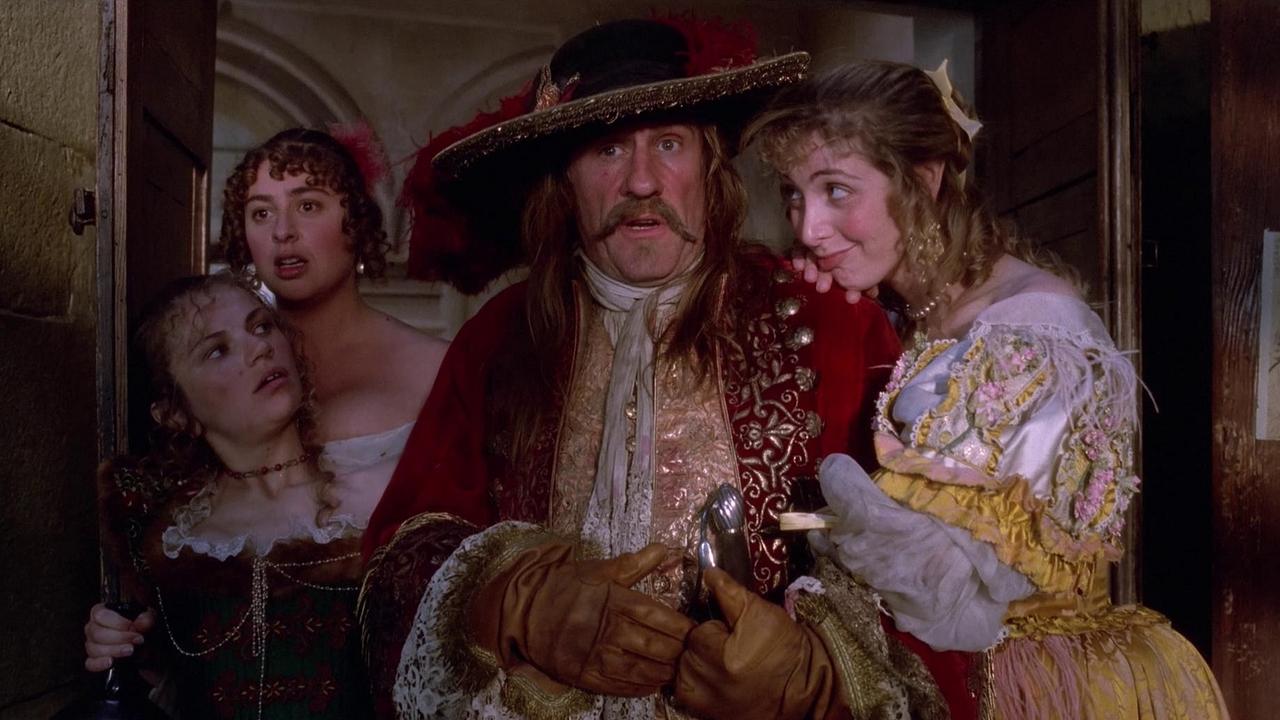
Of course, you can't discuss this film without addressing the Leonardo DiCaprio factor. Released hot on the heels of Titanic's world-conquering success, casting him as both the cruel, petulant King Louis XIV and his gentle, imprisoned twin brother Philippe was a stroke of genius from a marketing perspective. It presented a fascinating challenge for the young star. Does he fully succeed? He certainly throws himself into it. His Louis is effectively repellent – spoiled, arrogant, utterly devoid of empathy. His Philippe is perhaps painted in broader strokes, embodying pure goodness and bewildered innocence. While the distinction is clear, you sometimes feel the effort, the acting process, more than the seamless embodiment of two distinct souls. Yet, there's an undeniable earnestness to his portrayal, and watching him hold his own against the veteran Musketeers is compelling in itself. It’s a snapshot of a global superstar navigating the immediate, intense aftermath of unprecedented fame. Reportedly, the $35 million production gamble paid off handsomely, netting over $180 million worldwide, proving DiCaprio's box office Midas touch was no fluke.
A Director's Vision, A Writer's Hand
Having penned the screenplay for Braveheart (1995), Randall Wallace stepped into the director's chair for The Man in the Iron Mask, tackling another historical epic, albeit one steeped more in romantic fiction than fact (the historical basis for the masked prisoner remains debated and far less dramatic than Dumas's tale). Wallace brings a similar sensibility – grand themes of freedom, loyalty, and sacrifice play out against a backdrop of political intrigue and royal decadence. He takes significant liberties with Alexandre Dumas's novel, streamlining the dense plot and focusing squarely on the Musketeers' final mission. While some Dumas purists might balk, Wallace crafts a compelling, emotionally driven narrative. He knows how to stage a thrilling action sequence – the escape from the Bastille, the final confrontation – but he seems more interested in the quiet moments between the aging heroes, their whispered conspiracies, their shared burdens. Filming extensively in France, at locations like the Château de Vaux-le-Vicomte (which stood in for Versailles), adds a layer of visual splendor that feels earned, not just decorative.
Beneath the Swashbuckling Surface
For all its swordplay and daring escapes, the film resonates most deeply in its exploration of duty versus personal conviction. What happens when the King you swore to protect becomes a tyrant? Where does true loyalty lie – with the crown, or with the ideals it's meant to represent? These questions hang heavy in the air, particularly for D'Artagnan. Byrne portrays this inner conflict beautifully; his stoicism barely masking a profound moral agony. Doesn't this dilemma, this clash between sworn duty and fundamental justice, echo challenges we still grapple with? The film doesn’t offer easy answers, instead immersing us in the Musketeers' desperate gamble to right a terrible wrong, even at the potential cost of their own lives and honor.
The production itself wasn't without its complexities. Adapting Dumas is always a challenge, and balancing the established legends of the Musketeers with the specific demands of this darker chapter required a delicate touch. The casting of the four veterans was key; securing Irons, Malkovich, Byrne, and Depardieu lent immediate credibility and weight to the proceedings, making their characters' shared history feel palpable.
The Verdict on This VHS Gem
The Man in the Iron Mask isn't a flawless masterpiece. It occasionally leans into melodrama, simplifies complex history, and DiCaprio's dual role, while ambitious, isn't perfectly seamless. Yet, it possesses a certain magic. It captures that late-90s desire for grand, emotional storytelling, powered by genuine movie stars. I remember renting this one, the satisfying thunk of the tape going into the VCR, ready for an evening of adventure and intrigue. It delivered then, and revisiting it now, the performances of the older cast feel even richer, their weariness and resolve more poignant.
Rating: 7/10
This score reflects a film that succeeds beautifully on the strength of its veteran cast and its earnest emotional core, delivering a truly satisfying slice of historical adventure. While it takes liberties with its source material and history, and occasionally dips into sentimentality, the central performances – particularly from Irons, Malkovich, Byrne, and Depardieu – provide a powerful anchor. It's a film with heart, spectacle, and a lingering sense of noble sacrifice that stays with you, easily justifying its place as a beloved staple from the twilight of the VHS era.
What lingers most isn't just the clanging swords, but the quiet weight of oaths broken and friendships honored, reminding us that even legends grow old and face their own final battles.