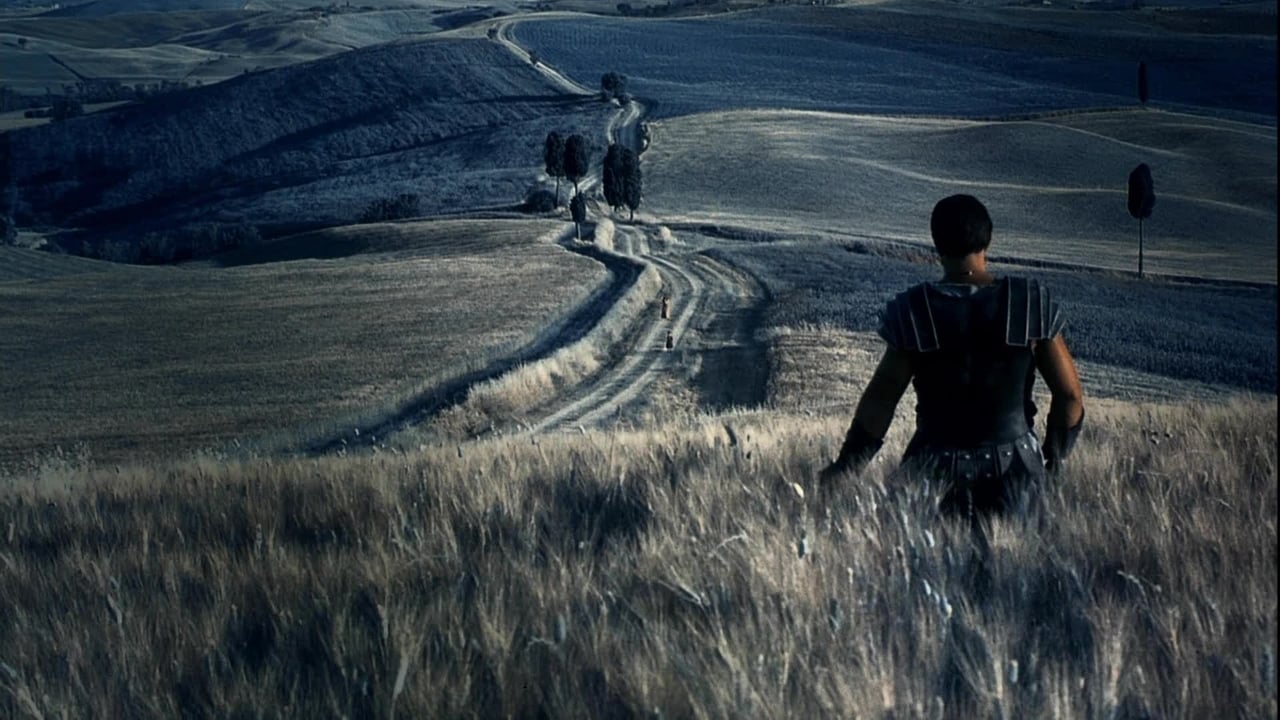
Dust motes dance in the projector beam, or perhaps it's just the lingering static cling from pulling the tape out of its worn cardboard sleeve... wait. No, Gladiator wasn't quite a dusty VHS discovery for most of us, was it? Landing right at the turn of the millennium in 2000, it was more likely a gleaming DVD, promising digital perfection. Yet, Ridley Scott's brutal and beautiful epic felt instantly timeless, a throwback to the grand Hollywood spectacles many of us did first encounter on well-loved tapes. It possessed a weight, a grit, a palpable sense of dust and blood that resonated with the raw power we remembered from cinema's past glories, even as it ushered in a new era. The opening image alone – that hand brushing through fields of wheat, a fleeting moment of peace before the storm – still evokes a profound sense of impending loss.
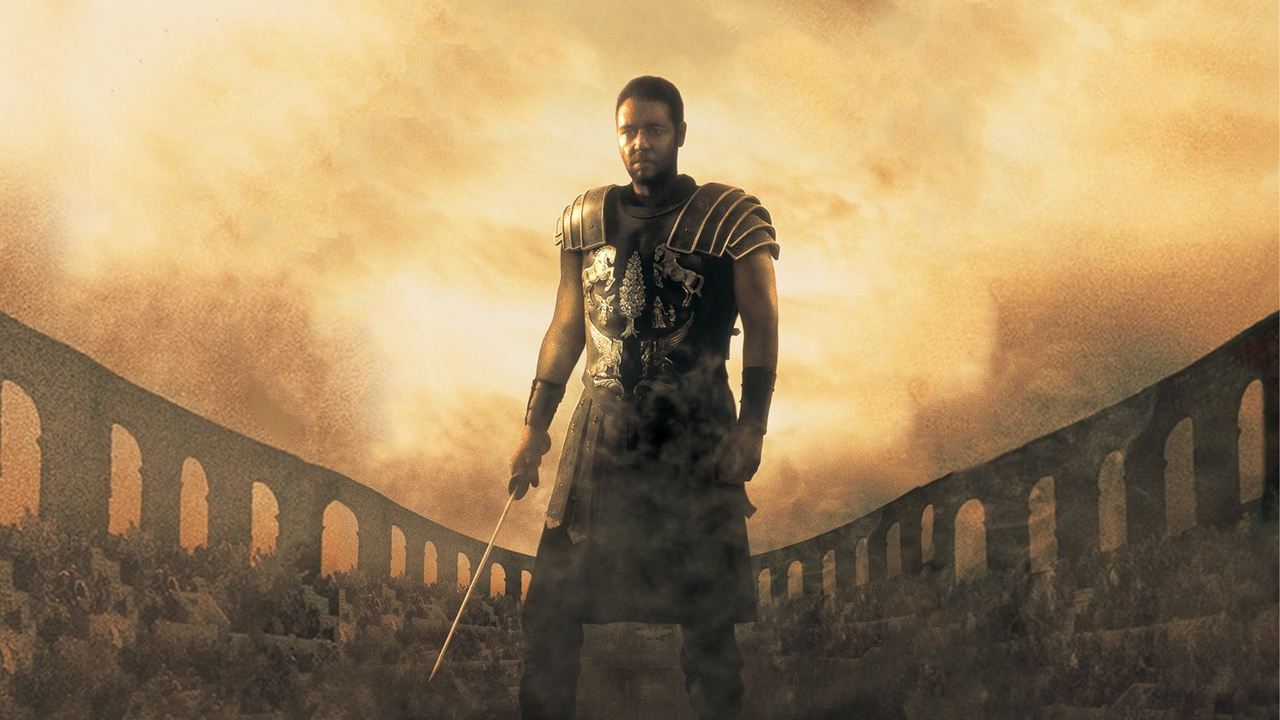
Are You Not Entertained?
From those first chilling moments in the muddy forests of Germania, Scott, a director who already gave us the future-shock dread of Alien (1979) and Blade Runner (1982), plunges us into a world of visceral, bone-jarring reality. The initial battle isn't heroic pageantry; it's a brutal, terrifying meat grinder. Fire arrows arc through a slate-grey sky, catapults hurl flaming projectiles, and Roman legionaries clash with barbarian hordes in a symphony of orchestrated chaos. This wasn't the sanitized combat of older epics. You felt the mud, the cold, the sheer terror. It established Russell Crowe's Maximus not just as a brilliant general, but as a man weary of war, yearning for home – a vulnerability that makes his subsequent betrayal and fall from grace all the more devastating.
The plot, while echoing classic tales of vengeance and redemption, unfolds with relentless momentum. Framed for the murder of Emperor Marcus Aurelius (the venerable Richard Harris) by the Emperor's own petulant and power-hungry son, Commodus, Maximus loses everything. His harrowing journey from respected general to enslaved gladiator is depicted with unflinching brutality. Scott doesn't shy away from the cruelty of the ancient world, the casual disregard for life that fuels the spectacle of the arena.
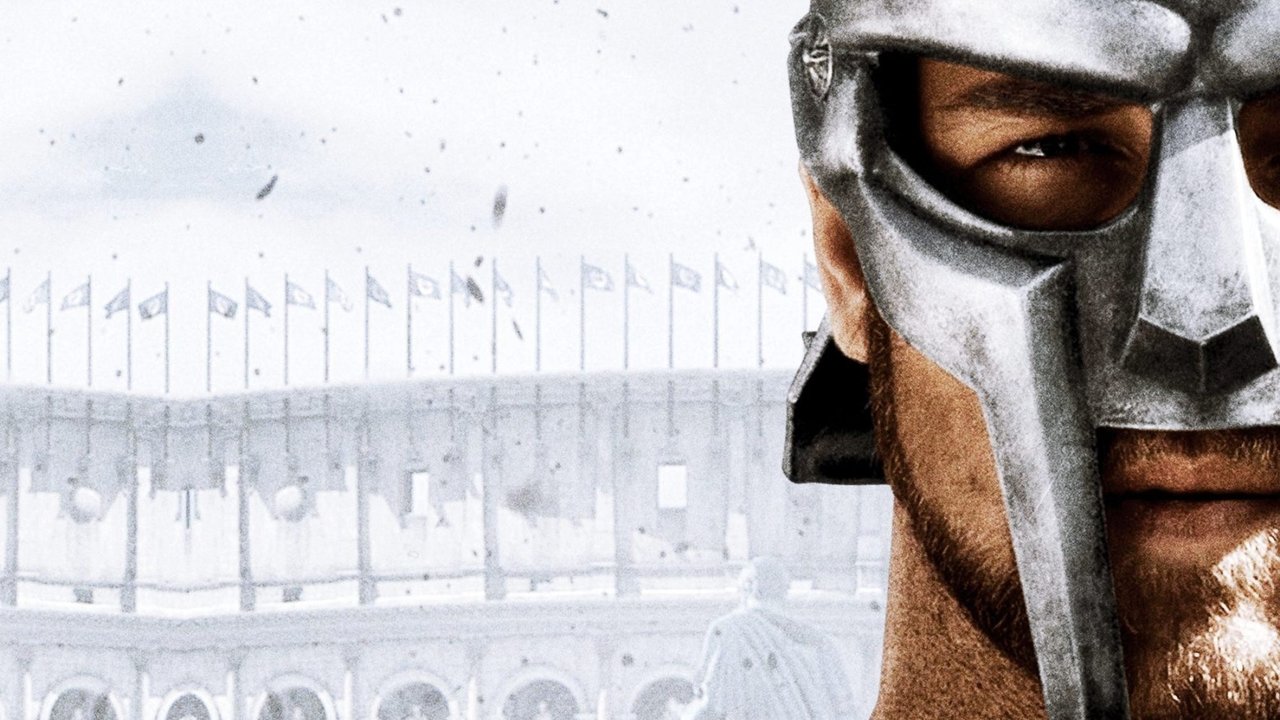
Ghosts of Rome
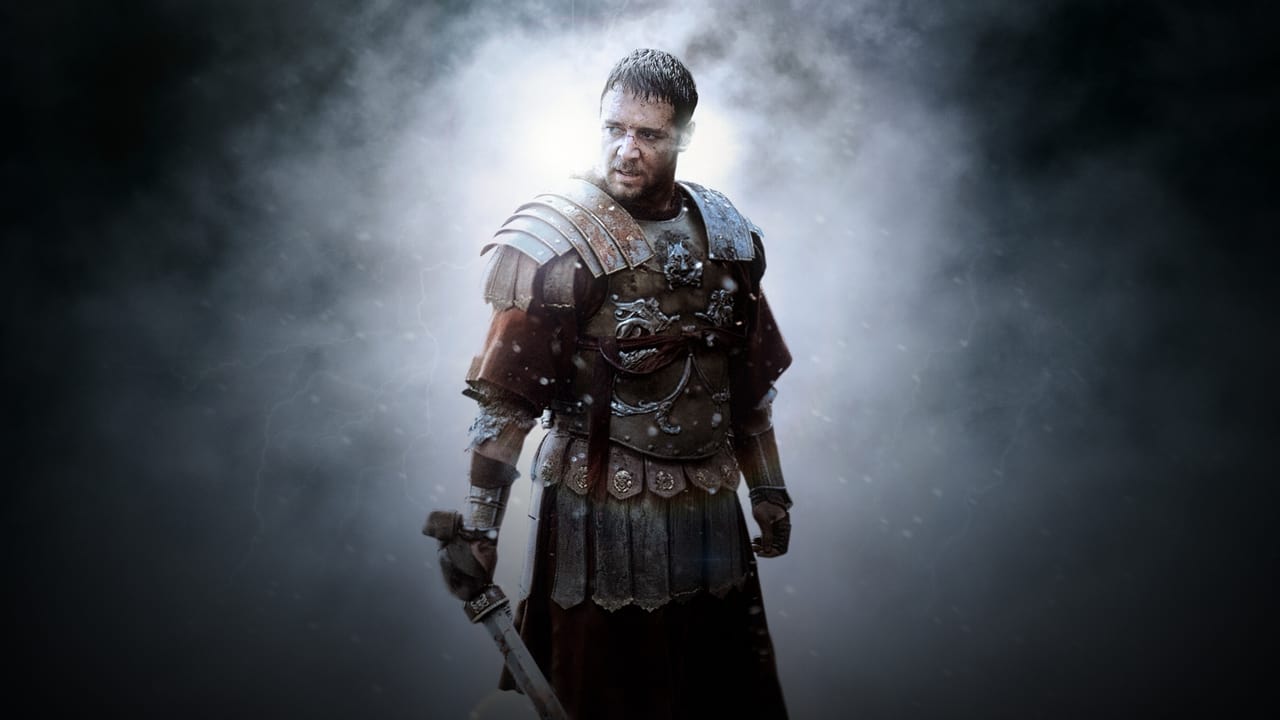
What truly elevates Gladiator beyond mere spectacle are the towering performances. Russell Crowe, in the role that cemented his international superstardom, embodies Maximus with a stoic intensity that barely contains a furnace of grief and rage. His physical presence is undeniable, but it's the flicker of sorrow in his eyes, the quiet dignity even in chains, that makes the character resonate so powerfully. Remember the story that Crowe initially hated the script and famously questioned lines, including the now-iconic "My name is Maximus Decimus Meridius..." speech? Co-writer William Nicholson reportedly told him, "Look, mate, it may be crap, but it sounds bloody great!" – and history proved him right.
Opposite him, Joaquin Phoenix delivers a performance of chilling, neurotic menace as Commodus. He’s not just a sneering villain; he’s a volatile cocktail of insecurity, ambition, and unnerving intimacy. His scenes crackle with unpredictable energy, creating a palpable sense of dread whenever he's on screen. Phoenix reportedly drew inspiration from observing troubled child rulers throughout history, aiming for a portrayal that felt genuinely damaged rather than simply evil. And we can't forget Connie Nielsen as Lucilla, navigating the treacherous political landscape with intelligence and strength, or the poignant final performance of the legendary Oliver Reed as Proximo, the grizzled gladiator trainer. Reed tragically died during filming, forcing Scott and his team to use a combination of CGI, clever editing, and even a mannequin for his remaining scenes – a bittersweet testament to his enduring screen presence.
Building an Empire (On Screen)
Visually, Gladiator is staggering. Ridley Scott's eye for composition and atmosphere is unparalleled. Working with cinematographer John Mathieson, he creates images that are both epic in scope and intensely personal. The production design is meticulous, from the muddy battlefields to the sun-drenched training grounds and the awe-inspiring, yet claustrophobic, recreation of the Colosseum (a significant portion built as a practical set in Malta, then digitally extended). This commitment to practical scale, even augmented by CGI, grounds the film in a way that purely digital environments often struggle to match. It felt real in a way few historical epics had before, or arguably since. The budget, a hefty $103 million back then (think closer to $180 million today), was clearly visible on screen, culminating in a global box office haul exceeding $460 million and breathing life back into the historical epic genre.
Hans Zimmer and Lisa Gerrard's score is simply iconic. That haunting, mournful main theme became instantly recognizable, perfectly capturing the film's blend of tragedy and nobility. It wasn't just background music; it was the film's soul, amplifying the emotional weight of Maximus's journey and the terrible beauty of the arena's deadly dance.
The Echo Through Time
Gladiator wasn't just a movie; it was a cultural phenomenon. It swept the Oscars (including Best Picture and Best Actor for Crowe), dominated conversations, and proved that audiences still craved grand, character-driven epics filled with practical stunts and emotional heft. While technically landing just outside the 80s/90s VHS sweet spot, its spirit felt deeply connected to the large-scale filmmaking many of us grew up renting. It delivered spectacle, yes, but rooted it in powerful performances and a universally resonant story of loss, honour, and defiance against tyranny. Does the central theme of a good man fighting a corrupt system ever truly get old?
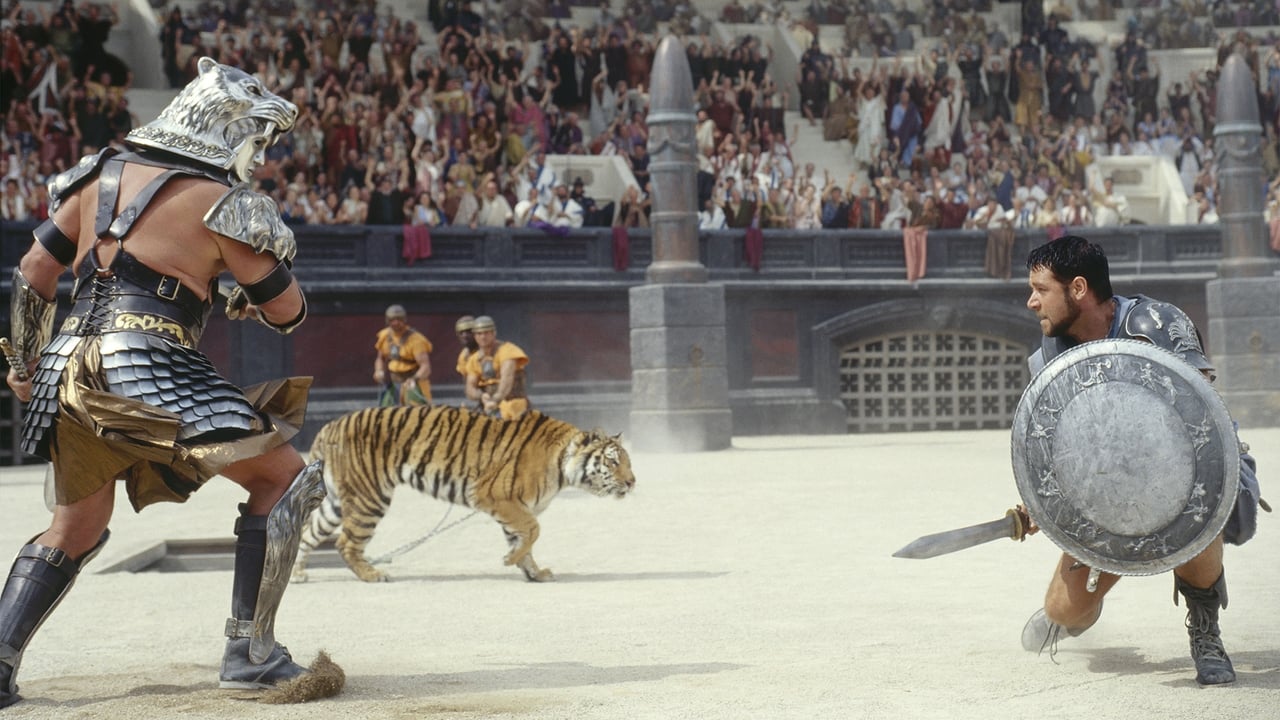
It reminded us what blockbuster filmmaking could achieve – thrilling, intelligent, and emotionally devastating all at once. Even now, rewatching it, the power dynamics, the roar of the crowd, and Maximus’s quiet determination feel just as potent.
Rating: 9/10
Why not a perfect 10? While masterful, one could argue some historical liberties are taken quite generously for dramatic effect, and perhaps a few moments indulge slightly too long in the slow-motion grandeur. But these are minor quibbles in the face of such monumental filmmaking. The performances are legendary, the direction is impeccable, the score is unforgettable, and the sheer visceral impact remains undiminished. Gladiator stands as a titan, a film that honoured the epics of old while setting a new standard at the dawn of the 21st century. Strength and honour.