"Lo, there do I see my father. Lo, there do I see my mother, and my sisters, and my brothers. Lo, there do I see the line of my people, back to the beginning. Lo, they do call to me. They bid me take my place among them, in the halls of Valhalla, where the brave may live forever." That chant, whispered first in awe, then roared in defiance, echoes long after the credits roll on The 13th Warrior. It encapsulates the strange, brutal beauty of this film – a historical adventure steeped in fog, mud, and the primal fear of the unknown. This isn't your polished fantasy epic; it's a visceral plunge into a dark age where survival is etched onto every grim face.
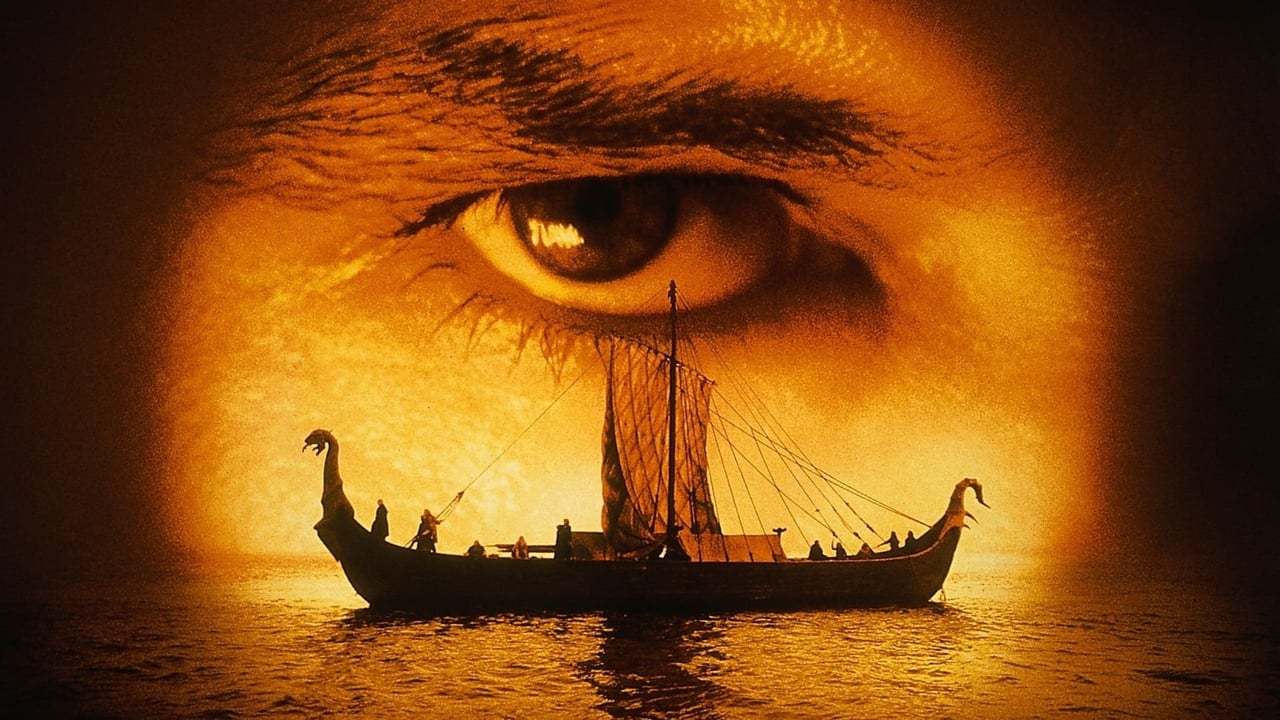
Released in 1999, The 13th Warrior felt like an anomaly even then. Adapted from Michael Crichton's novel Eaters of the Dead – itself a fascinating blend of the real 10th-century travelogue of Ahmad ibn Fadlan and the ancient legend of Beowulf – the film throws a cultured Arab courtier, Ibn Fadlan (Antonio Banderas), utterly out of his depth amongst a band of rough-hewn Norse warriors. Banished for a romantic indiscretion, Ibn finds himself accompanying these Vikings on a desperate quest north to defend a besieged kingdom from an enemy spoken of only in hushed, fearful tones: the "mist monsters," the Wendol, the eaters of the dead.
Into the Mists of Dread
What truly sets The 13th Warrior apart, especially watching it now, is its commitment to atmosphere. Director John McTiernan (Die Hard, Predator), at least in the footage that remains distinctly his, crafts a world thick with tangible dread. Shot largely in the damp forests of British Columbia, Canada, the film feels wet, cold, and perilous. The production design is superb – the Viking longship cutting through the fog, the besieged settlement of Hurot Fort huddled under perpetual grey skies, the flickering firelight barely piercing the oppressive gloom. It's a world rendered in shades of brown, grey, and blood red. Jerry Goldsmith’s powerful, percussive score – a replacement for Graeme Revell’s original, reportedly rejected music – perfectly complements this, driving the action but also underscoring the pervasive sense of encroaching doom. Remember how that score just seemed to fit the raw energy of the Norsemen?

The fear isn't just environmental; it's primal. The Wendol are kept deliberately mysterious for much of the film. Are they demons? Supernatural beasts? Or something horrifyingly human? Their nighttime raids, heralded by eerie horns and the ground-shaking approach of the fiery "dragon," are genuinely unsettling sequences. McTiernan films the chaos of battle with a brutal intimacy, focusing on the mud-splattered desperation and the clang of steel. The practical effects, depicting gore and the eventual reveal of the Wendol (clad in bear skins and embodying a savage ferocity), retain a gritty impact that CGI often smooths away. There's a weight to the violence here that feels earned, contributing to the film's serious, almost grim tone.
An Epic Forged in Turmoil
It's impossible to discuss The 13th Warrior without acknowledging its notoriously troubled production. The film, originally titled Eaters of the Dead, underwent significant reshoots helmed by author Michael Crichton himself after test screenings reportedly weren't positive. McTiernan's original cut was allegedly darker and perhaps more focused on Ibn's perspective. The budget, initially substantial, reportedly ballooned to an astronomical figure, cited anywhere between $85 million and $160 million depending on the source – a staggering sum for the late 90s. When it finally landed in theatres after delays and the title change, it was a critical and commercial disaster, barely recouping $62 million worldwide.
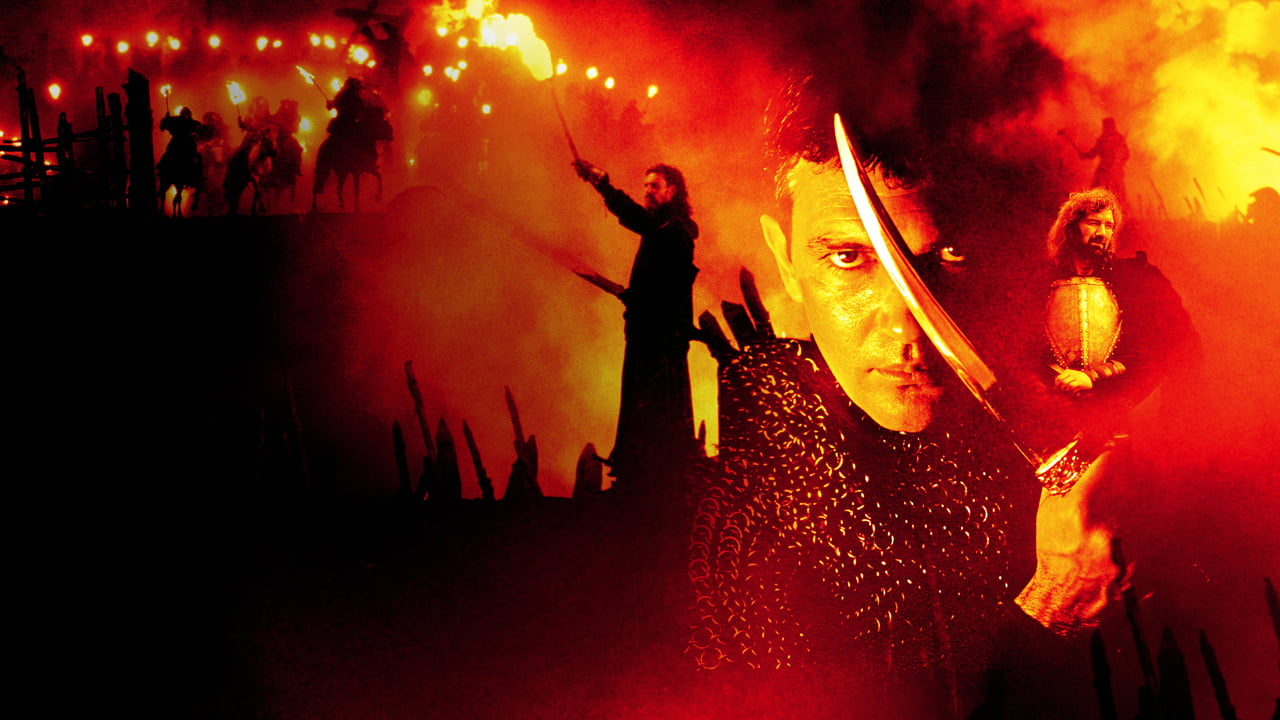

This behind-the-scenes chaos arguably manifests on screen. The pacing can feel uneven, certain character arcs (beyond Ibn and the stoic Viking leader Buliwyf, played with commanding presence by Vladimir Kulich) feel underdeveloped, and sometimes the narrative seems to jump slightly, hinting at excised material. Even Omar Sharif, in a brief early role as Ibn's mentor, reportedly disliked the final product immensely, almost quitting acting over it. Yet, paradoxically, this fractured genesis might contribute to its enduring cult appeal. It feels like a film fighting against compromise, a raw vision glimpsed through the fog of studio interference. Doesn't that struggle somehow mirror the story itself?
A Stranger Among Savages
Amidst the chaos, Antonio Banderas delivers a compelling performance as Ibn Fadlan. He’s our anchor, the educated, refined man forced to adapt to a brutal world utterly alien to him. His journey from fearful observer to respected warrior, learning the Norse language and their ways (“I listened”), is the heart of the film. Banderas conveys Ibn's intelligence, vulnerability, and burgeoning courage effectively. He's surrounded by a memorable ensemble of Vikings, rough diamonds each, projecting a believable camaraderie forged in shared danger. While many aren't deeply explored, figures like Herger the Joyous (Dennis Storhøi) provide necessary levity and guidance for Ibn.
The 13th Warrior isn't about intricate plotting; it's about immersion. It’s about the culture clash, the deciphering of ancient runes, the learning of a new kind of bravery. It’s about facing down superstition and terror with cold steel and observation. The scene where Ibn realizes the "fire worm" is merely men with torches, or deduces the nature of the Wendol, are moments where Crichton's signature blend of rationalism encountering the seemingly inexplicable shines through.
Legacy in the Fog
Despite its initial failure, The 13th Warrior has found its tribe. It’s a film many of us discovered on VHS or DVD, perhaps drawn in by Banderas or the promise of Viking action, and found something more textured and atmospheric than expected. It’s a gritty, muddy, and often brutal piece of historical fantasy that eschews magic for menace and heroism born of necessity. The troubled production undoubtedly left scars, preventing it from perhaps being a true classic, but what remains is potent and memorable. It captures a specific late-90s flavor of action filmmaking – practical, visceral, and unafraid to be grim.
---
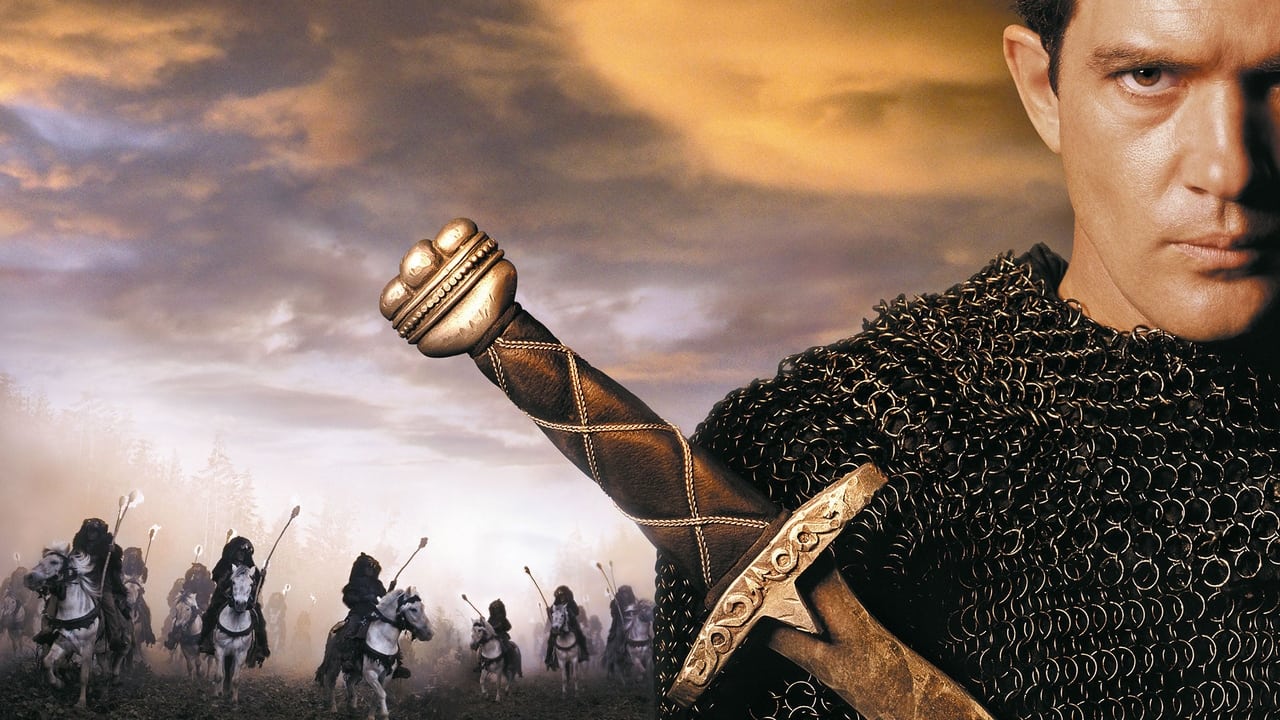
Rating: 7/10
Justification: The score reflects the film's undeniable strengths in atmosphere, visceral action, Banderas's central performance, and its unique concept blending history and legend. The gritty realism and palpable sense of dread are highly effective. However, points are deducted for the uneven pacing and underdeveloped supporting characters, likely stemming from its troubled production and extensive reshoots, which prevent it from reaching its full potential. It's a flawed gem, but a compelling one nonetheless.
Final Thought: The 13th Warrior stands as a fascinating artifact – a big-budget historical epic that feels strangely intimate and unsettling, a testament to a darker, muddier vision that, despite studio interference and box office failure, carved out its own Valhalla in the halls of cult cinema. It reminds us that sometimes, the most compelling journeys are the ones through the deepest fog.