Okay, fellow tape-heads, let's talk about a movie that literally blew audiences away in the summer of '96. Forget gentle breezes; this was a full-on cinematic gale force that rattled subwoofers and probably made more than a few jump right out of their seats. I'm talking about Twister, a film that took the disaster genre, cranked the volume up to eleven (maybe twelve, honestly), and unleashed some of the most awe-inspiring weather mayhem ever committed to film. Renting this one felt like bringing a force of nature right into your living room.
### Brace for Impact
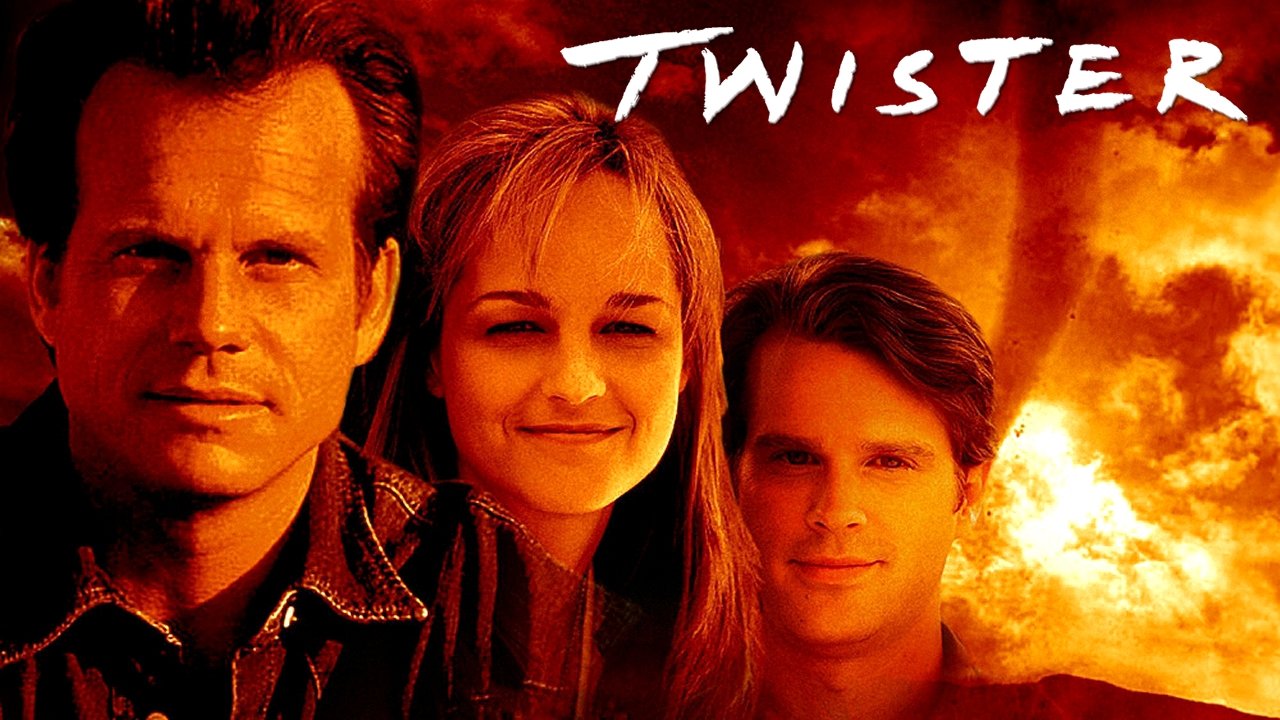
Directed by Jan de Bont, who already knew a thing or two about cinematic chaos after helming Speed (1994) and lensing action classics like Die Hard (1988), Twister wasn't just another disaster flick. It felt different. Instead of focusing solely on hapless victims, it threw us headfirst into the world of storm chasers – those adrenaline-junkie scientists who drive towards the spinning vortexes most sane people flee from. Our guides into this maelstrom are the estranged couple Dr. Jo Harding (Helen Hunt, fresh off her sitcom success and radiating fierce determination) and Bill "The Extreme" Harding (Bill Paxton, perfectly cast as the reluctant-but-still-thrill-seeking former chaser). Their mission: deploy "Dorothy," a groundbreaking device designed to release sensors inside a tornado, revolutionizing weather prediction. Of course, they're not alone; they’ve got a chaotic, lovable crew and a smarmy corporate rival, Dr. Jonas Miller (Cary Elwes, clearly having fun as the well-funded antagonist), nipping at their heels.
### The Real Stars: Those Twisters
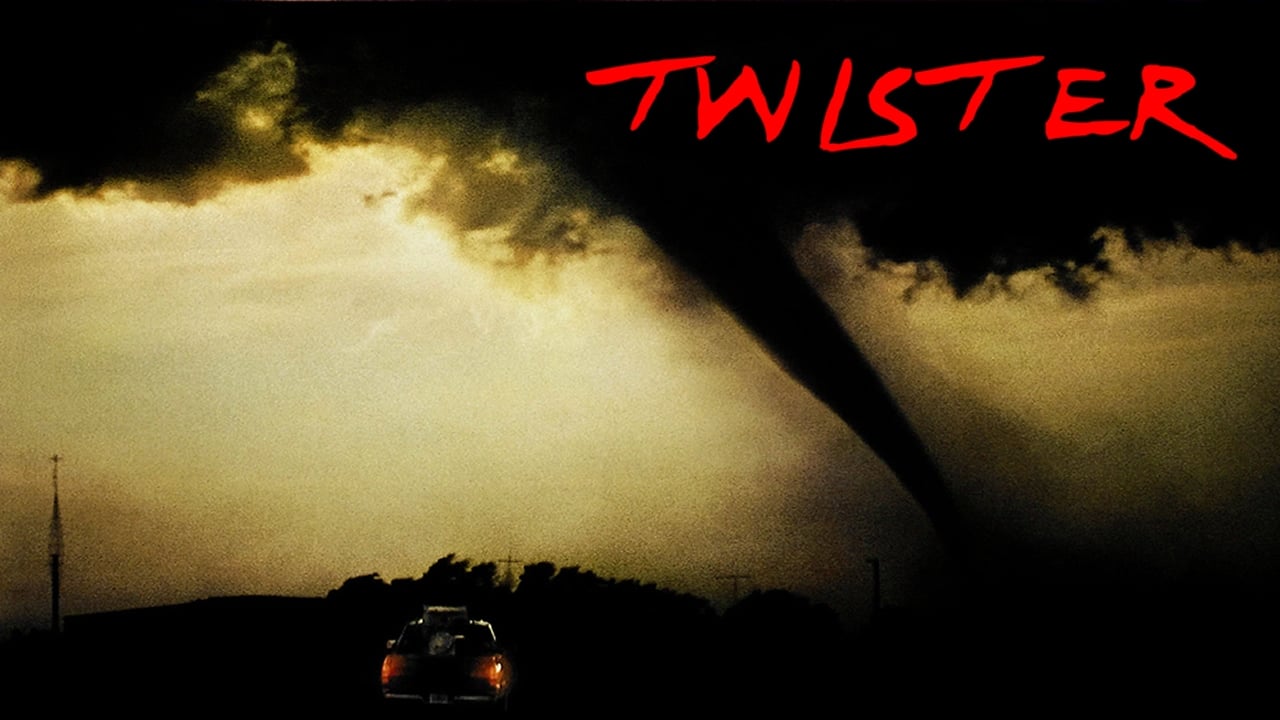
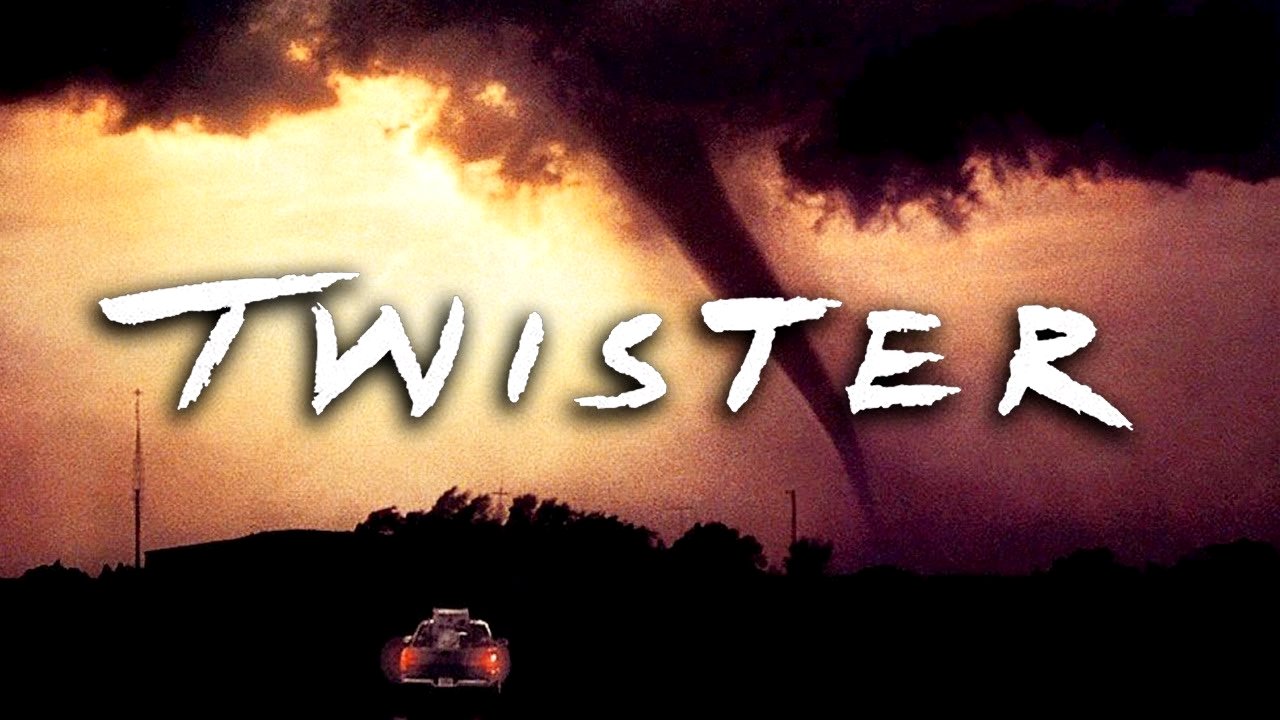
Let's be honest, while the human drama provides the narrative engine, the real stars here are the tornadoes themselves. And oh, what stars they were! In 1996, the blend of practical effects and burgeoning CGI used to bring these destructive funnels to life was nothing short of revolutionary. Industrial Light & Magic (ILM) truly outdid themselves. You felt the power, the terrifying beauty, and the sheer unpredictability of these storms. Remember that scene with the twin waterspouts? Or the horrifying intensity of the F5 climax? These weren't just effects; they were characters in their own right, rendered with a weight and fury that still holds up remarkably well. De Bont masterfully captured the scale, often placing the human characters – small, vulnerable – against the immense backdrop of nature's fury. The sound design, too, was phenomenal, earning an Oscar nomination; the roar and rumble of the twisters were as crucial as the visuals in creating that immersive, edge-of-your-seat experience. Apparently, some of those iconic tornado sounds involved manipulating recordings of camels groaning – a wild piece of movie magic!
### Riding Out the Storm (Behind the Scenes)
The script, penned by powerhouse novelist Michael Crichton (Jurassic Park) and his wife Anne-Marie Martin, provides a solid framework for the action, even if character development sometimes takes a backseat to the spectacle. Fun fact: Joss Whedon (Buffy the Vampire Slayer, The Avengers) reportedly did some uncredited script doctoring during production, particularly focusing on the dialogue. The focus here is less on deep introspection and more on survival, teamwork, and that undeniable pull Jo and Bill still feel towards each other amidst the chaos. The supporting cast, including scene-stealers like Philip Seymour Hoffman as the perpetually excitable Dusty and Alan Ruck as the map-obsessed Rabbit, adds warmth and humor, making the "NSSL" team feel like a real, albeit slightly crazy, family.
The shoot itself was notoriously difficult, mirroring the turbulent weather depicted on screen. Filming in Oklahoma during tornado season brought its own challenges, including unpredictable conditions. Rumors abound of hail damage to equipment and even minor injuries to the lead actors. Both Helen Hunt and Bill Paxton reportedly suffered temporary vision impairment due to the intense lighting rigs used to simulate lightning, and Hunt apparently sustained a concussion during a stunt involving a truck door and a ditch. It speaks volumes about their commitment, and De Bont's relentless drive, that they managed to capture such visceral action under duress. They weren't just simulating chaos; they were often working right in the thick of it.
### More Than Just Flying Cows
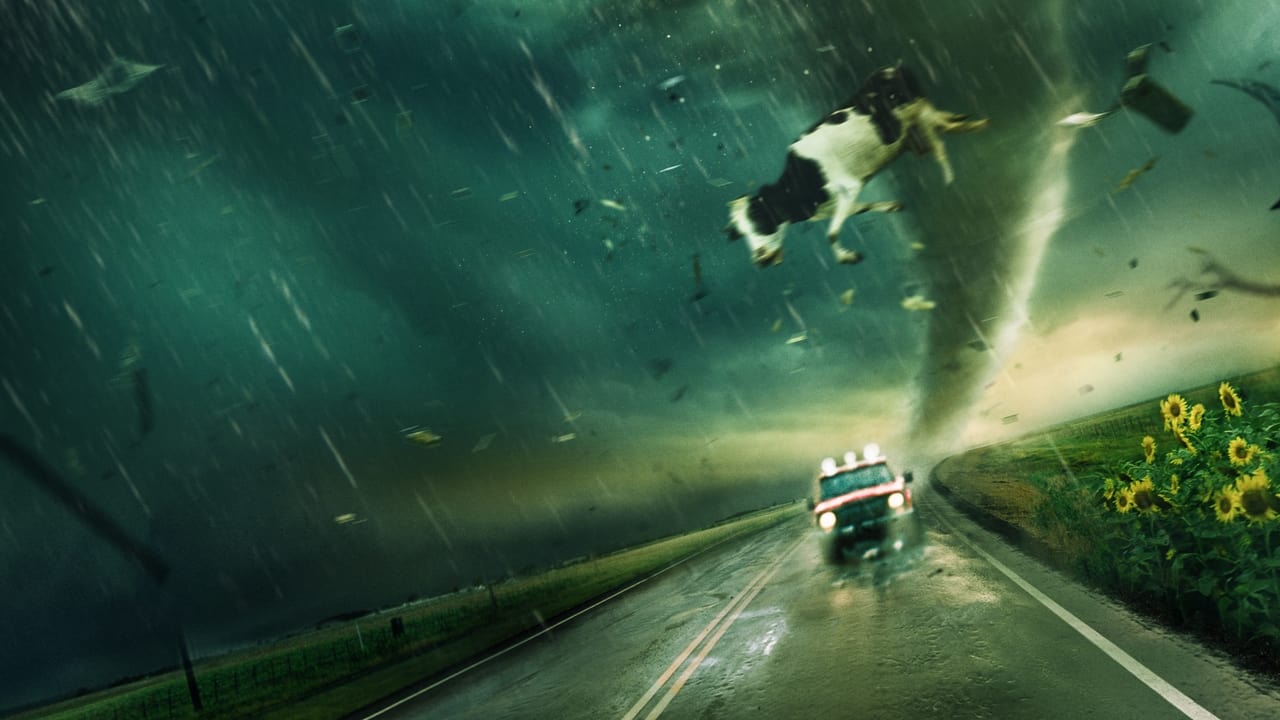
Yes, we have to talk about the flying cow. It's one of those wonderfully absurd, instantly iconic moments that cemented Twister in pop culture history. But the film is more than just bovine-based absurdity. It tapped into a primal fascination with extreme weather and wrapped it in a high-octane blockbuster package. Made on a budget of around $92 million, Twister became a global phenomenon, raking in nearly $495 million worldwide – a staggering success that proved audiences were hungry for this kind of large-scale, effects-driven thrill ride. It arguably paved the way for a new wave of disaster films in the late 90s. Watching it again now, even knowing the effects secrets, there’s an undeniable charm and raw energy that many slicker, modern disaster epics lack. It feels tangible, grounded (despite the flying debris!), and possesses a sincerity in its portrayal of the chasers' passion.
### Final Verdict
Twister remains a quintessential piece of 90s blockbuster filmmaking. It’s loud, it’s thrilling, and it delivers exactly what it promises: edge-of-your-seat action centered around the terrifying spectacle of tornadoes. While the plot might be a bit thin and the dialogue occasionally veers into cheesy territory, the groundbreaking effects (for their time), the committed performances from Hunt and the late, great Paxton, and the sheer visceral impact of the storm sequences make it an immensely enjoyable and rewatchable ride. It captured that specific blend of scientific curiosity and pure adrenaline that defines the storm-chasing world.
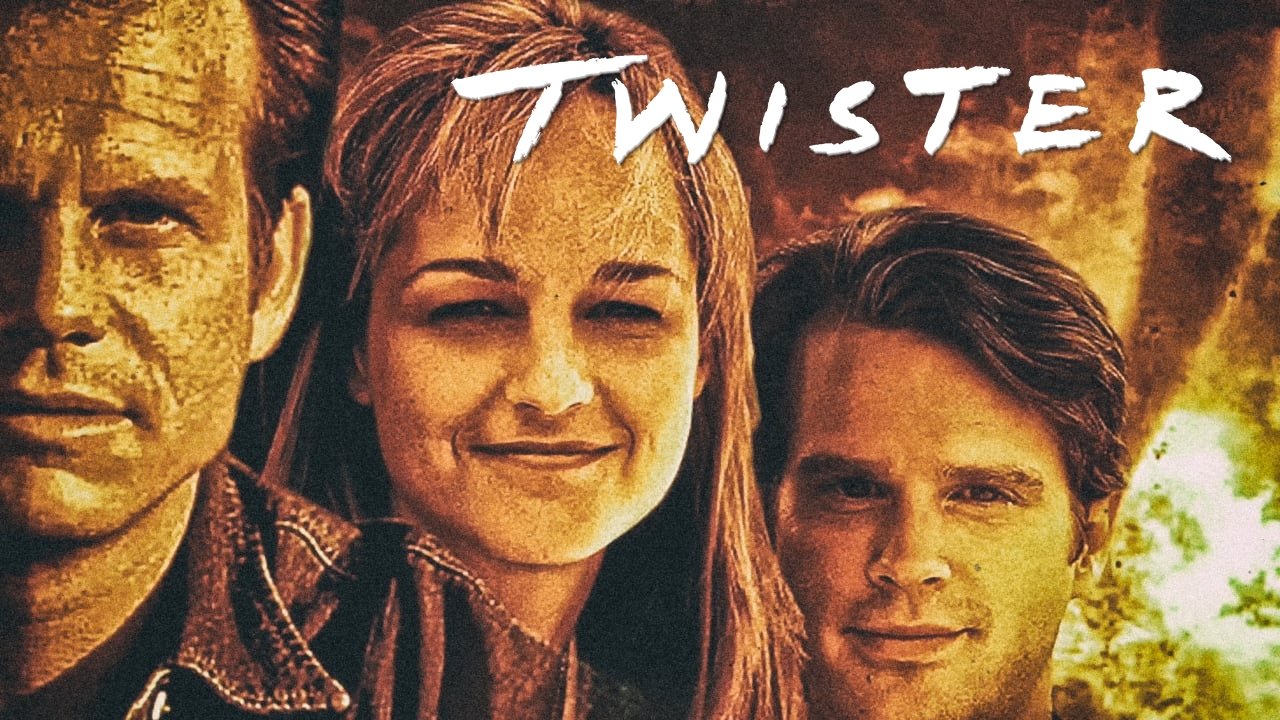
Rating: 8/10
This score reflects Twister's success as a top-tier disaster spectacle of its era. The groundbreaking effects, relentless pacing, and iconic moments earn high marks, delivering pure popcorn entertainment. It loses a couple of points for the somewhat underdeveloped characters and predictable relationship beats, but its power as a thrilling, nostalgic ride is undeniable.
It’s one of those tapes you’d gladly wear out, just to feel the rumble of the next storm rolling in. We didn't just watch the chase; we felt like we were right there in the truck, eyes glued to the horizon, waiting for the next funnel.