Alright, fellow tapeheads, settle in and adjust the tracking. Tonight, we're diving into a gem that might have gleamed unexpectedly from the anime shelf of your local video store back in the day, or perhaps landed in your VCR via a treasured, maybe slightly fuzzy, fan-traded tape. Forget the purely zany, red-jacketed capers for a moment; we're talking about 1997's Lupin the Third: Island of Assassins (also known by its evocative original title, In Memory of the Walther P-38). This one hits different, carrying a darker, harder edge that felt surprisingly mature amidst the usual Lupin fare.
### Not Your Average Heist
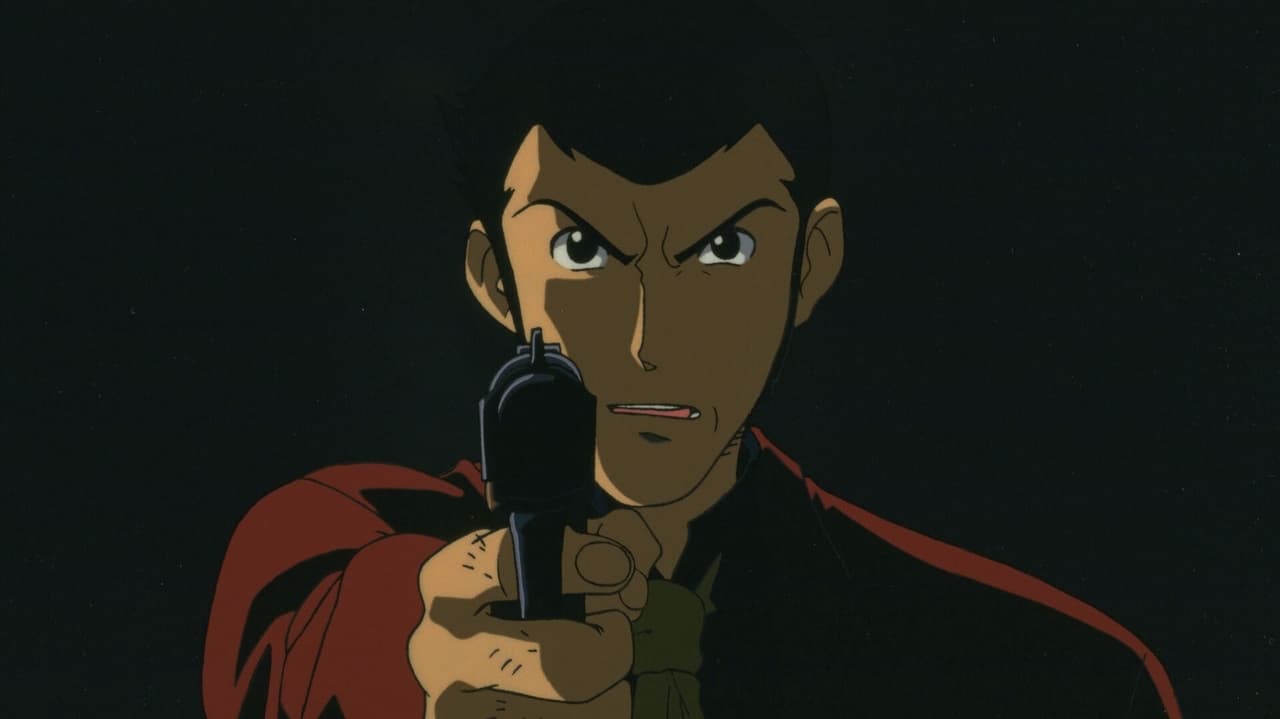
From the get-go, Island of Assassins signals it’s playing for keeps. We open with a flashback – a gritty, rain-soaked scene revealing a painful piece of Lupin's past tied directly to his iconic Walther P-38 pistol. This isn't just backstory; it's the emotional engine driving the whole special. When a job involving stolen diamonds puts Lupin and the gang on a collision course with a shadowy organization operating from the titular island fortress, that past comes roaring back. This island isn't just a villain's lair; it's a brutal training ground for elite killers, run by a mysterious figure with ties to Lupin's history.
What immediately grabs you, especially watching it now after years of slick digital animation, is the feel of it. This is late 90s cel animation, and there's a tangible weight to the characters and their movements. The action direction, handled by Shinichi Watanabe (yes, the very same visionary who would give us the legendary Cowboy Bebop just a year later!) and Hiroyuki Yano, feels deliberate and impactful. Punches land with satisfying thuds, gunfights have a sense of genuine danger, and the environments feel solid and menacing.
### Hard-Boiled Action, 90s Anime Style
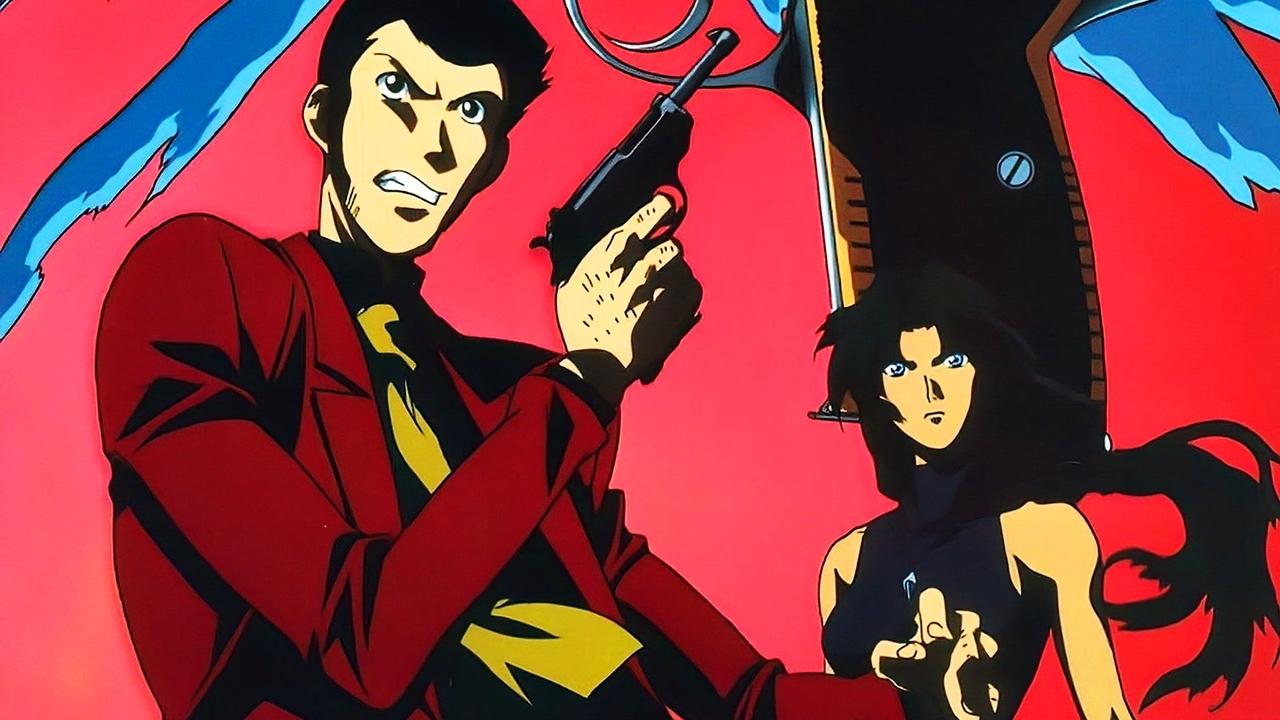
Let's talk about that action. The infiltration of the assassin's island fortress is a masterclass in escalating tension. Remember how animated action felt before CGI could smooth over every edge? Here, you get that raw energy. When Lupin ducks behind cover, you feel the urgency. When Jigen (Kiyoshi Kobayashi delivering his signature cool) lets loose with his Smith & Wesson Model 19, the muzzle flashes feel bright and violent against the often darker backgrounds. And Goemon (Makio Inoue bringing stoic grace)? His swordplay is lightning fast but always precise, cutting through obstacles (and opponents) with a clean, deadly efficiency that feels earned, not just flashy.
There’s a sequence involving Lupin navigating treacherous corridors and facing off against highly trained killers that exemplifies this. The choreography is intricate, relying on clever timing and environmental interaction rather than just overwhelming spectacle. It feels grounded, even within its heightened anime reality. You could almost imagine stunt performers working this out physically. That "practical" feel, even in animation, is something special from this era – a stark contrast to some of today's physics-defying digital ballets.

### More Than Just Bang-Bang
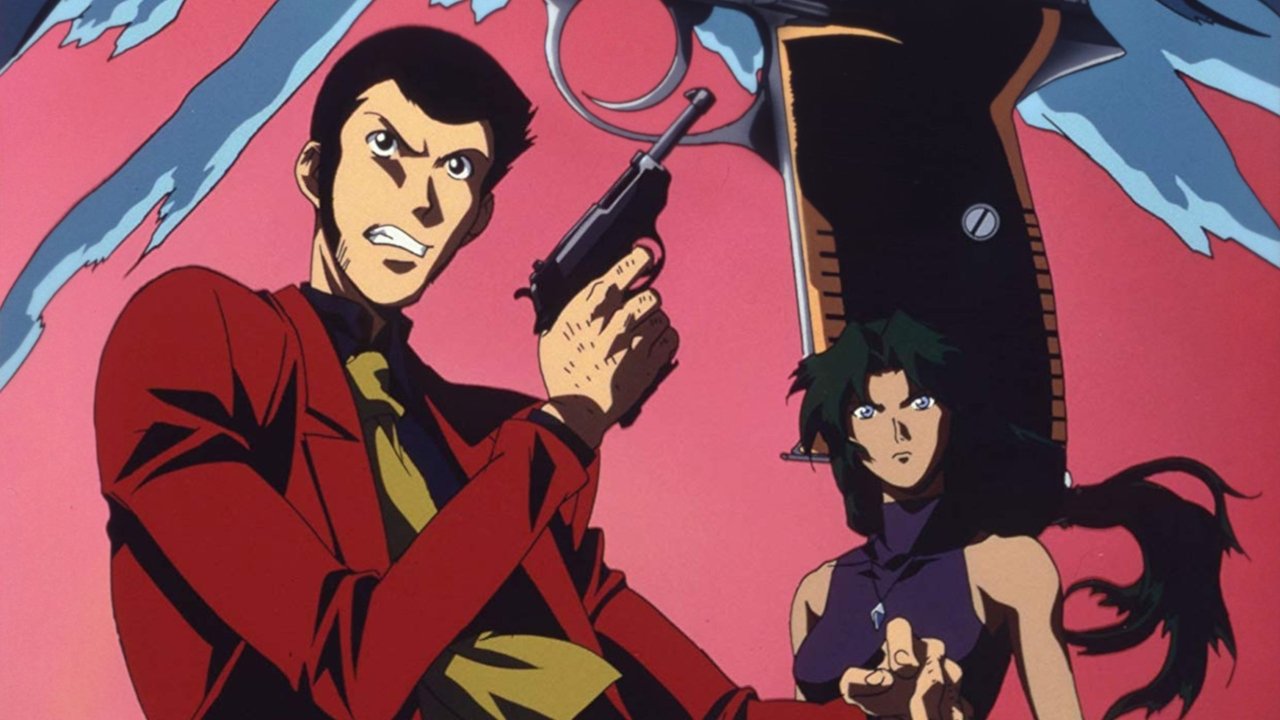
But Island of Assassins isn't just wall-to-wall action. It delves into Lupin's character in a way many of the lighter TV specials don't. Kanichi Kurita, who had fully inherited the mantle of Lupin's voice from the legendary Yasuo Yamada by this point, nails both the familiar swagger and the underlying vulnerability the story demands. We see a Lupin driven by more than just treasure; revenge and unresolved trauma simmer beneath the surface. Retro Fun Fact: The special's focus on the Walther P-38 wasn't just a plot device; Lupin's use of this specific firearm, traditionally associated with villains in post-WWII Japanese media, was always part of Monkey Punch's original conception of the character as an anti-hero, differentiating him from more clear-cut protagonists.
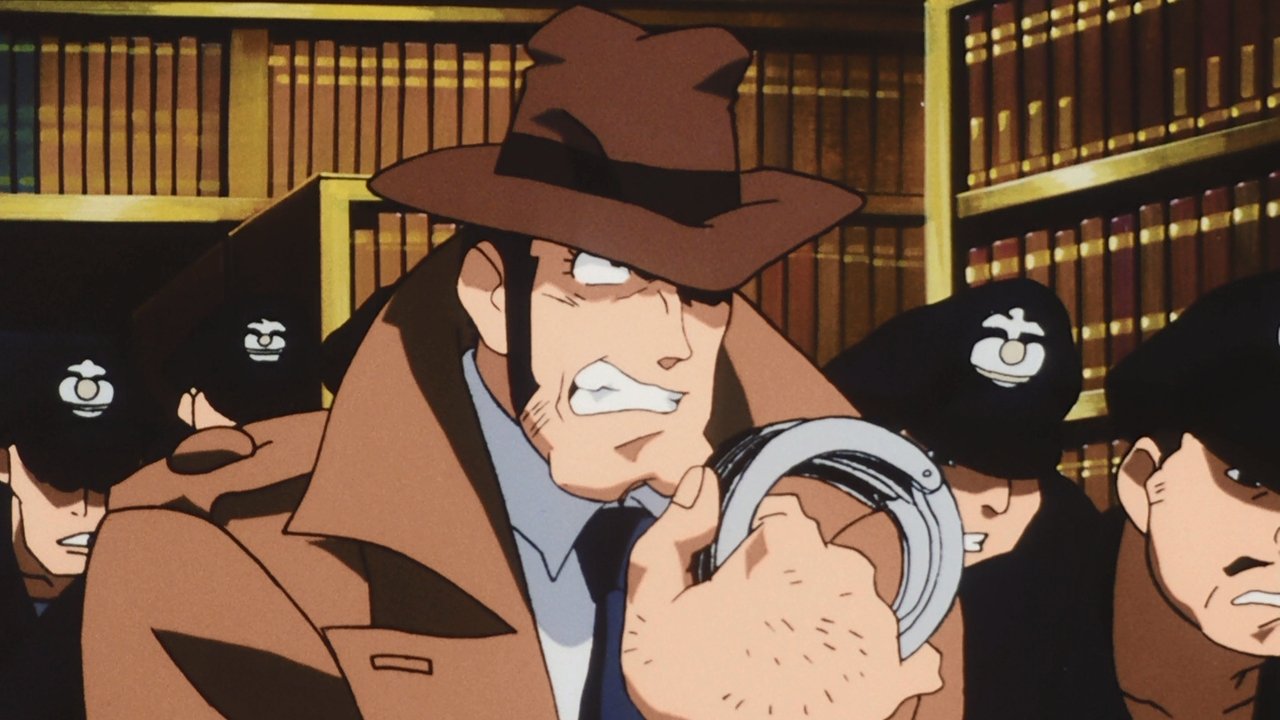
The supporting cast gets their moments too. Fujiko Mine plays a complex role, balancing her usual self-interest with genuine concern, and Inspector Zenigata blusters his way onto the deadly island with his usual dogged determination, providing moments of levity but also surprising competence. The villains, particularly the cold and calculating leader of the assassins, feel genuinely threatening, adding real stakes to the conflict. Another Retro Fun Fact: This TV special was quite well-received upon its release in Japan, often cited by fans as one of the best and darkest entries in the long-running series of Lupin specials, praised for its more serious tone and Watanabe's stylish direction.
### The Verdict on This Island Getaway
Watching Lupin the Third: Island of Assassins today is a potent hit of 90s anime nostalgia, but it’s more than just a trip down memory lane. The animation holds up beautifully, showcasing the artistry of hand-drawn cels and dynamic storyboarding. The plot, penned by Shoji Yonemura, offers genuine intrigue and emotional weight alongside the thrilling set pieces. Sure, some tropes might feel familiar to seasoned anime viewers, but the execution here is top-notch. Watanabe's emerging signature style – the blend of noirish atmosphere, kinetic action, and character-driven moments – is clearly visible, hinting at the greatness to come with Bebop.
Rating: 8.5 / 10
Justification: Island of Assassins earns its high score with a compelling, darker storyline that adds depth to Lupin, superb action animation that feels impactful even today, and the unmistakable stylish direction of Shinichi Watanabe. It perfectly balances classic Lupin elements with a more mature, hard-boiled edge. While perhaps not as revolutionary as The Castle of Cagliostro (1979), it stands as one of the absolute best Lupin TV specials from the VHS era.
Final Thought: This is the kind of Lupin adventure that reminds you he wasn't just a goofball thief; there was grit beneath the grin. A fantastic slice of 90s anime action that still feels sharp, dangerous, and undeniably cool – like finding that perfectly worn-in leather jacket at the back of the closet. Definitely worth tracking down.