It’s funny how some films arrive quietly, almost unnoticed in the multiplex bustle, only to find their true calling years later in the flickering glow of a CRT screen. Rounders (1998) is one such creature. It didn't exactly set the box office alight upon release, slipping into that late-90s shuffle. Yet, for many of us browsing the aisles of Blockbuster or Hollywood Video, that distinctive VHS cover featuring a young Matt Damon and Edward Norton held a certain magnetic pull. Renting it felt like discovering a hidden gem, a gritty character study masquerading as a poker movie, and it’s a film that has only grown richer with time.

Into the Dimly Lit Arena
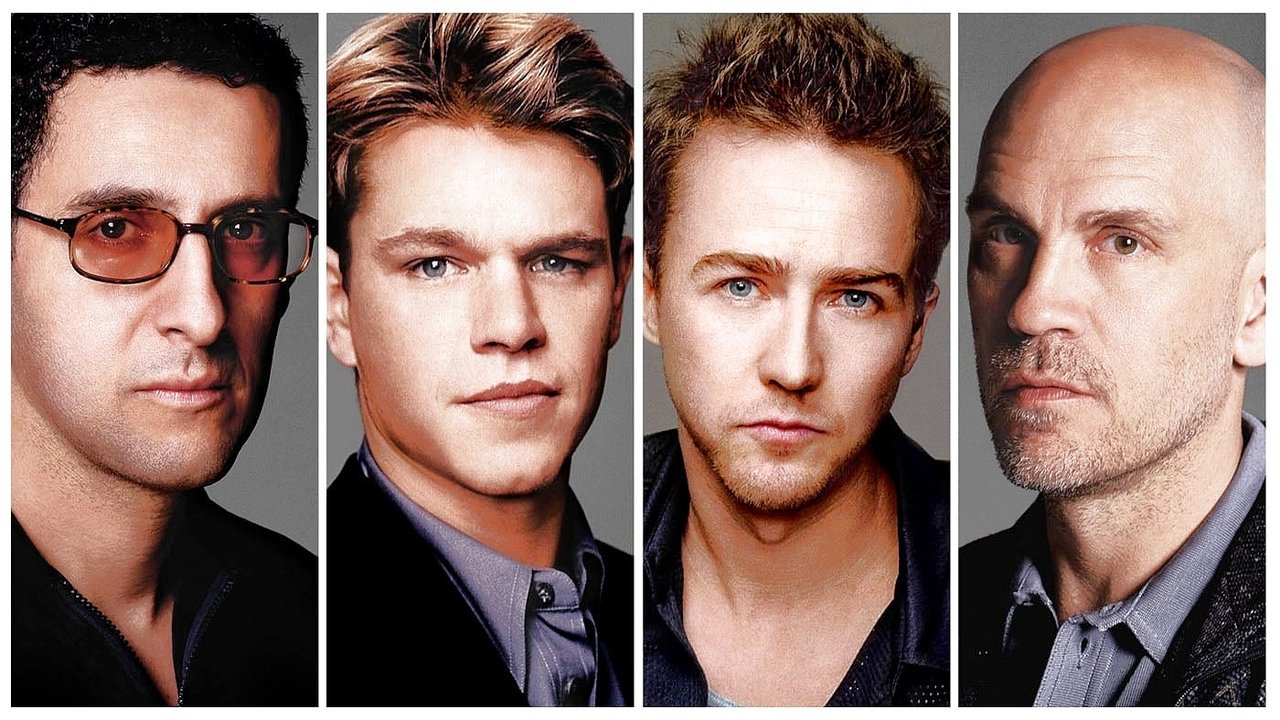
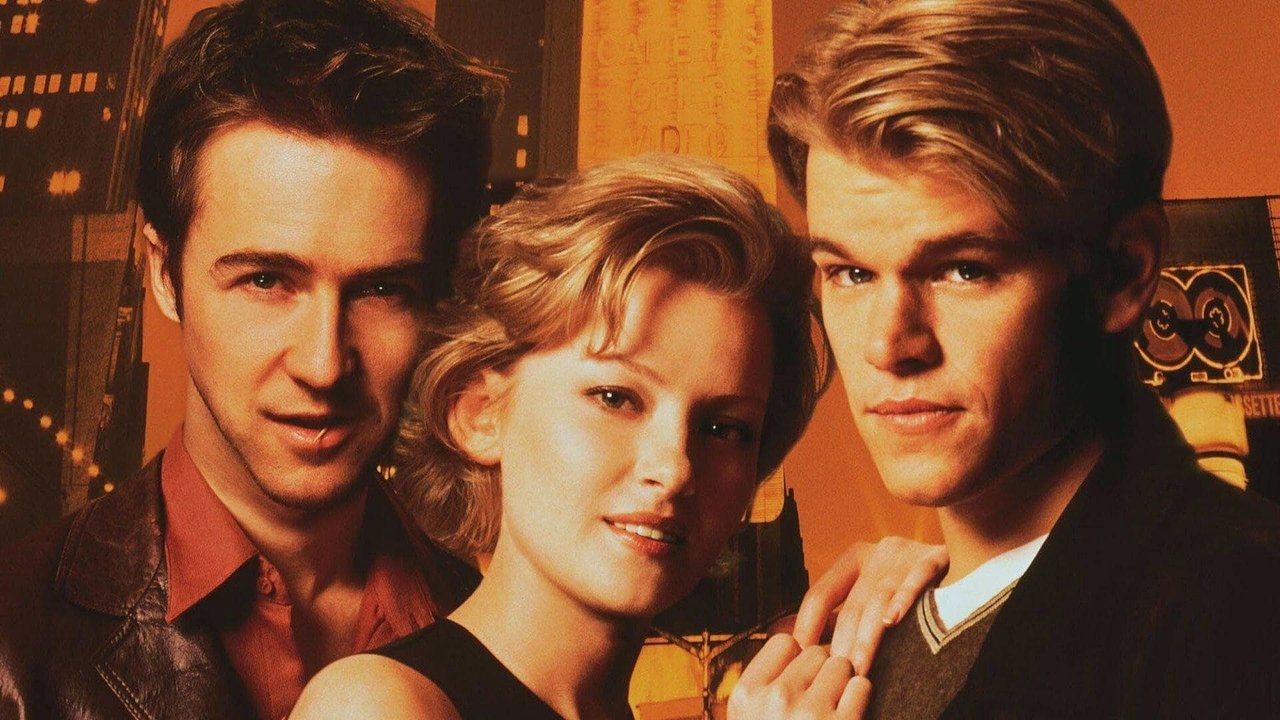
What director John Dahl (who previously chilled us with the neo-noir twists of Red Rock West and The Last Seduction) captures so perfectly isn't just the mechanics of Texas Hold'em, but the world surrounding it. This isn't the glitz of Vegas; it's the smoky backrooms, the dimly lit underground clubs of New York City, the hushed intensity where fortunes – and futures – hang on the turn of a card. Dahl crafts an atmosphere thick with desperation and ambition. You can almost smell the stale cigarette smoke and cheap whiskey. The film plunges us into the life of Mike McDermott (Damon), a gifted law student trying to walk the straight and narrow after losing his entire bankroll to the menacing Russian mobster Teddy KGB (John Malkovich in a deliciously over-the-top, Oreo-chomping performance). Mike's got promise, a stable relationship with Jo (Gretchen Mol), and a path away from the felt... until his childhood friend, Lester 'Worm' Murphy (Norton), walks out of prison.
A Pair You Can't Fold
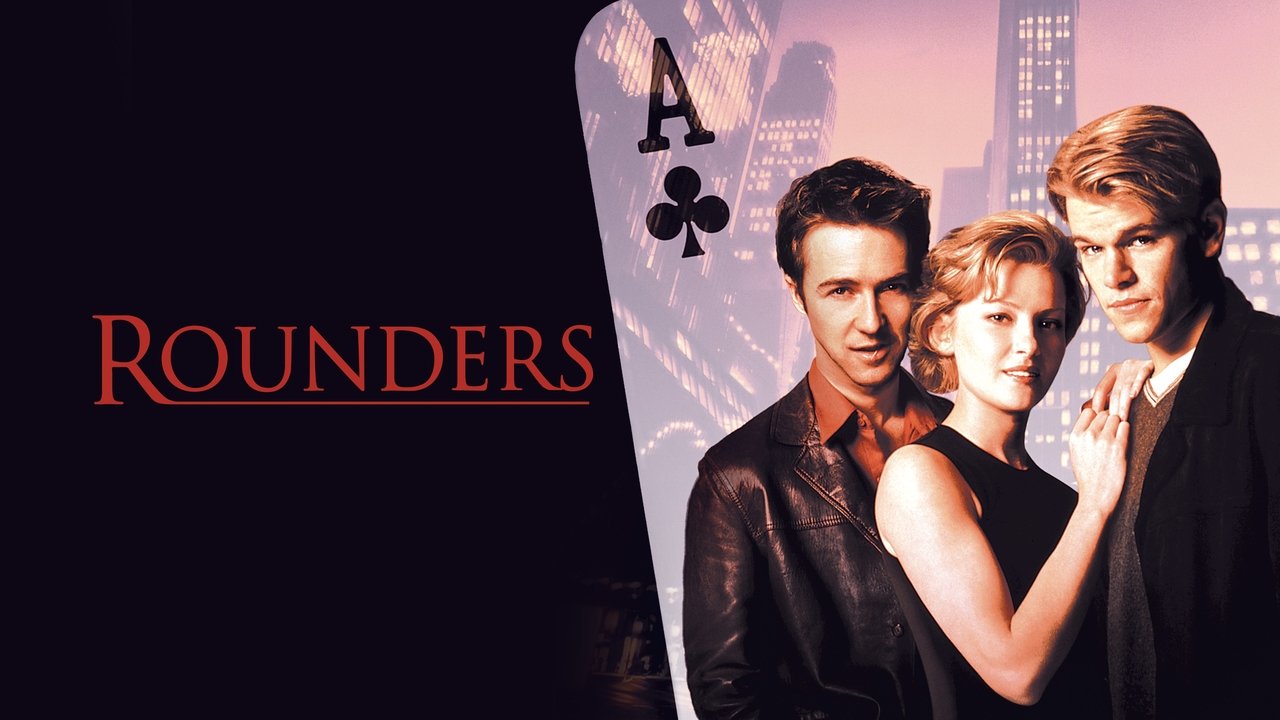
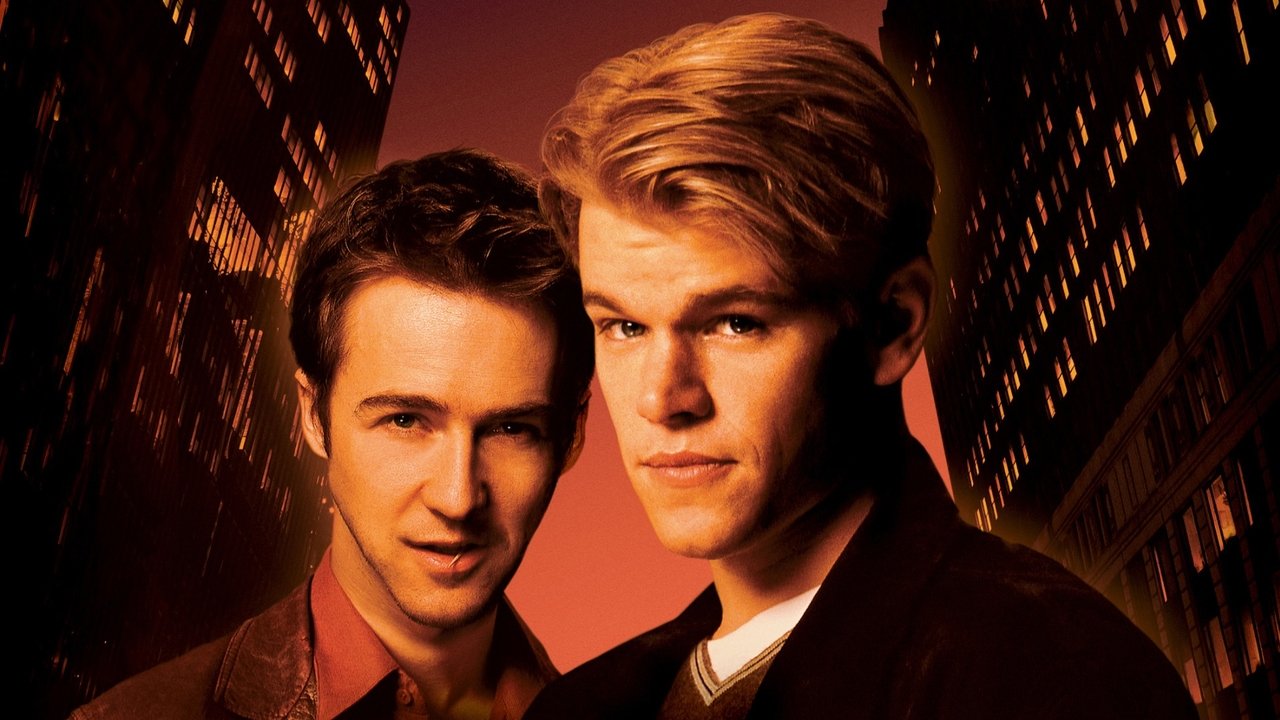
The heart of Rounders beats within the volatile dynamic between Mike and Worm. Damon, fresh off his Good Will Hunting breakthrough, brings a compelling earnestness and quiet intelligence to Mike. He’s the guy who knows the odds, understands the game on an almost spiritual level, but is constantly pulled between his potential for a 'normal' life and the siren song of the tables. You feel his internal struggle, the weight of responsibility clashing with the undeniable thrill he finds in the game.
Then there's Norton. Worm is the charismatic, untrustworthy, yet undeniably loyal anchor dragging Mike back down. Fresh off his own stunning early roles in Primal Fear and American History X, Norton imbues Worm with a jittery, slippery energy. He’s a cheat, a hustler, incapable of playing it straight, yet his bond with Mike feels dangerously authentic. Their scenes together crackle – the shared history, the unspoken understanding, the toxic codependency. It’s a partnership built on shaky foundations, and watching it unravel is both fascinating and deeply unsettling. Does loyalty demand self-destruction? It's a question the film forces us to ponder through their frayed connection. Adding another layer of texture is John Turturro as Joey Knish, Mike's cautious mentor, a grinder who represents the pragmatic, less glamorous side of the poker life – a necessary counterpoint to Worm's recklessness.
More Than Just Cards
Writers David Levien and Brian Koppelman (who reportedly drew from their own experiences in New York's underground poker scene) penned a script that feels remarkably authentic. The dialogue is sharp, steeped in the lingo of the game ("check-raise," "stone-cold bluff," "poker scabs") without feeling inaccessible. They understood that the poker itself, while thrillingly depicted, is merely the arena for exploring deeper themes: addiction, the allure of risk, the nature of talent versus discipline, and the inescapable gravitational pull of one's past. It captures that specific, almost obsessive mindset required to truly excel at the game, the constant calculation and psychological warfare.
It's fascinating to think that Rounders, despite its modest initial theatrical run (grossing around $22.9 million domestically on a $12 million budget), became a sleeper hit on VHS and DVD. Its arrival coincided with the burgeoning popularity of online poker and televised tournaments like the World Series of Poker in the early 2000s. Suddenly, Rounders wasn't just a movie; it was practically a training manual and a cultural touchstone for a generation discovering the intricacies of Hold'em. Many professional players even credit the film with sparking their interest. It’s a testament to the film’s genuine portrayal of the game’s psychology, aided by cameos and consultation from real poker pros like Erik Seidel. Even the specific details, like Worm’s mechanic’s grip or Mike’s reads, felt grounded in a reality rarely seen on screen before.
The Final Deal
Does Rounders show its age? Perhaps slightly in its late-90s aesthetic, but its core strengths – the compelling character study, the electric performances from Damon and Norton at the peak of their youthful intensity, the authentic atmosphere, and the intelligent script – remain undiminished. It avoids easy moralizing, presenting Mike's world with a gritty realism that respects the intelligence of its audience. It understands the seduction of the game, the fine line between skill and destructive obsession. What lingers most after the credits roll isn't just the poker hands, but the weight of Mike's ultimate choice and the question of whether he can truly escape the life that defines him.
Rating: 8.5/10
This rating reflects the film's exceptional performances, particularly the central duo, its authentic atmosphere, sharp writing, and lasting cultural impact within the poker community. While Malkovich's KGB teeters delightfully on caricature and the romantic subplot feels somewhat underdeveloped, the core narrative exploring friendship, addiction, and identity through the lens of high-stakes poker remains incredibly compelling and rewatchable. It’s a film that truly found its audience on home video, a cult classic that dealt viewers a winning hand long after it left theaters. A perfect example of a 90s gem that proves substance and style can shuffle together beautifully.