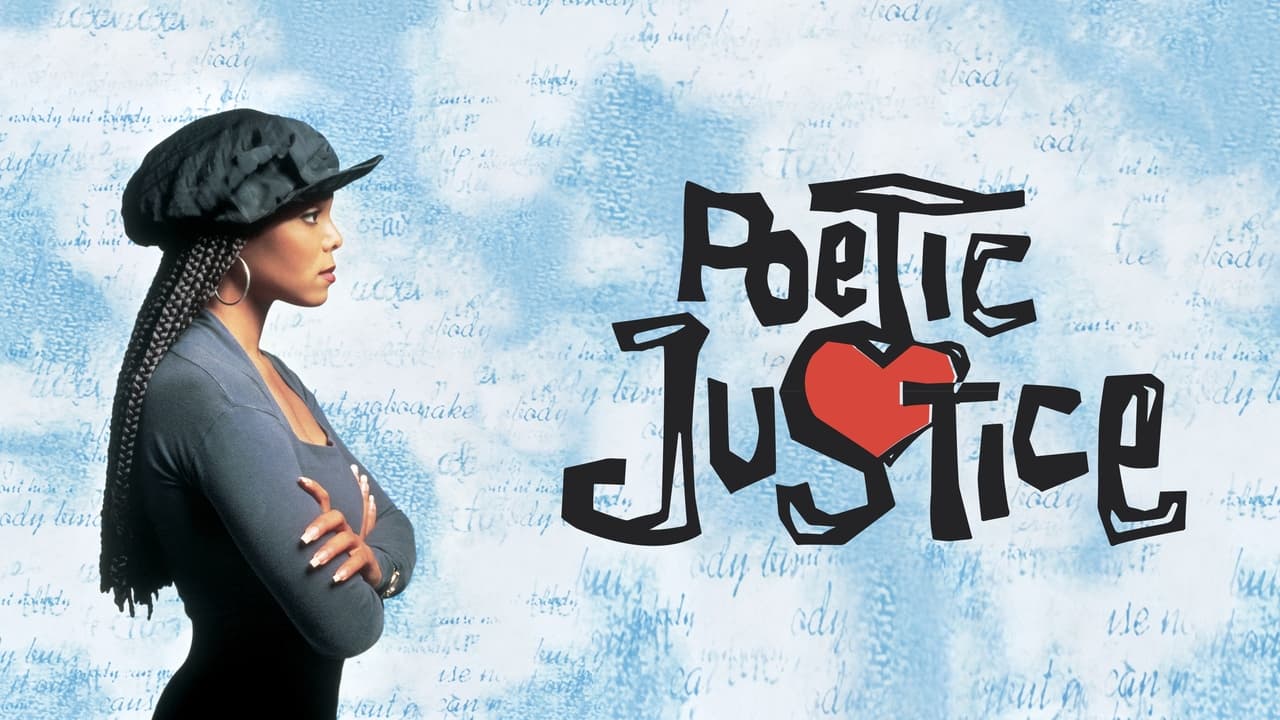
There's a particular kind of quiet ache that permeates John Singleton's Poetic Justice (1993), a film that arrived carrying the considerable weight of expectation following his groundbreaking debut, Boyz n the Hood (1991). It’s less a continuation of that film's searing social commentary and more a melancholic meditation on grief, connection, and the tentative search for healing, all filtered through the lens of a South Central L.A. road trip. Watching it again now, decades after pulling that distinctive VHS box off the rental store shelf, its power feels less overtly political and more deeply personal, residing in the raw vulnerability beneath its characters' hardened exteriors.
Echoes in the Silence
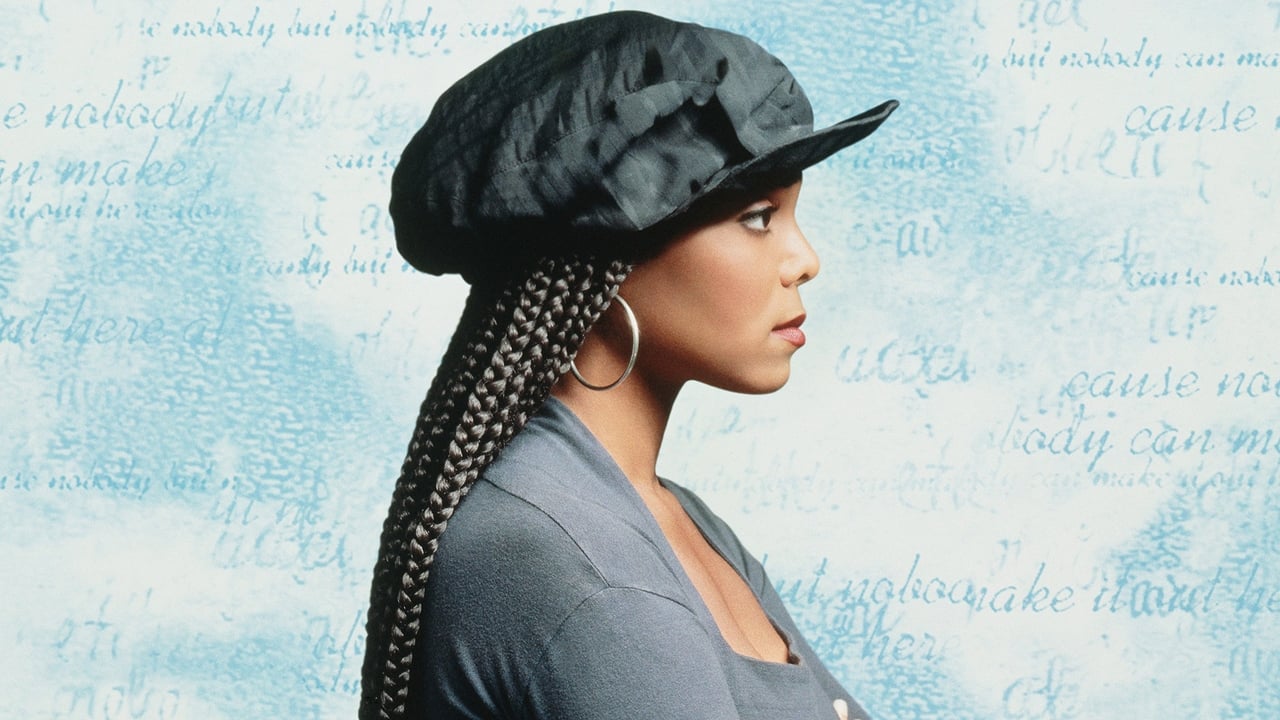
The film anchors itself in the experience of Justice (Janet Jackson), a young hairdresser numbed by the violent loss of her boyfriend. Her defense mechanism is withdrawal, channeling her pain and observations into poetry – poetry penned, in a touch of cinematic grace, by the legendary Maya Angelou. This wasn't just a gimmick; Angelou herself appears briefly in the film, lending an immediate authenticity and weight to the words Justice speaks and writes. It’s a core element that elevates the film beyond a simple romance, suggesting that art, expression, is a vital tool for processing trauma. Jackson, in a role Singleton reportedly wrote specifically for her, navigates this landscape of grief with a compelling stillness. It’s a performance built on guarded expressions and moments of sudden, sharp pain, a stark contrast to her established pop superstar persona and a brave turn into dramatic territory. I remember the buzz around her performance back then; could Miss Jackson really carry a film like this? She absolutely could, bringing a soulful depth to Justice's journey.
Sparks on the Road
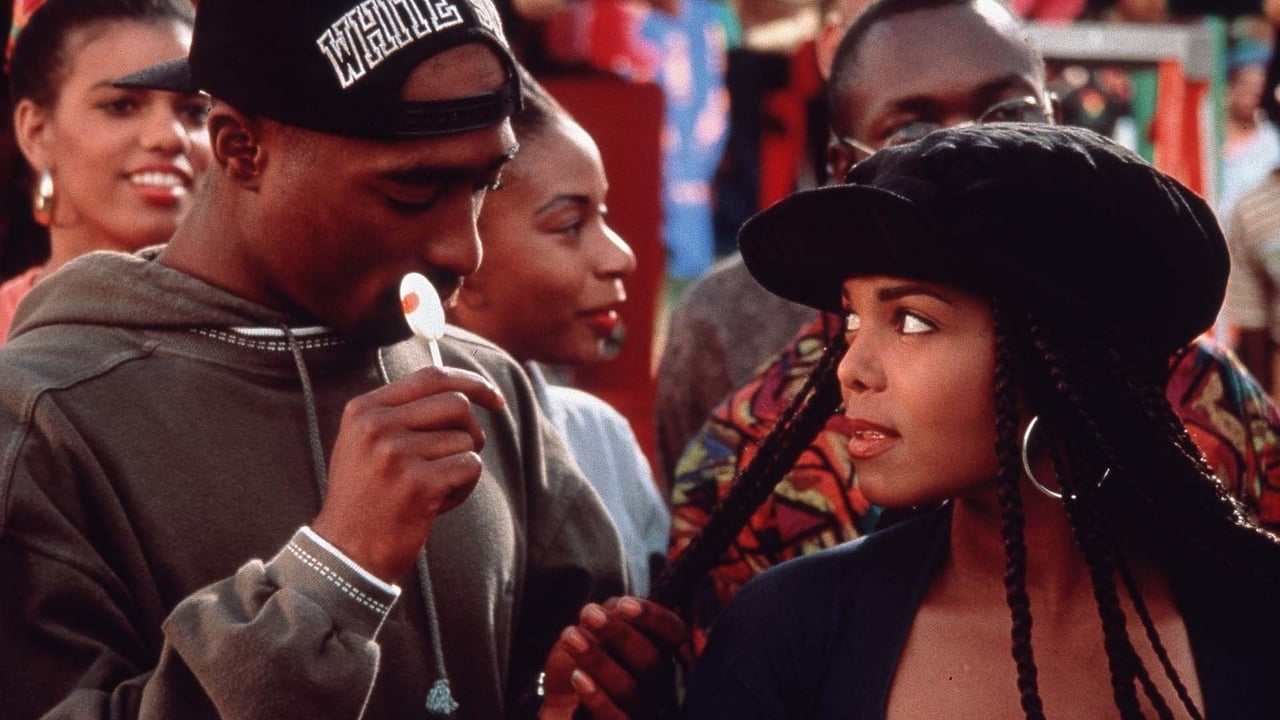
The catalyst for change is, as it often is in film, an unexpected journey. Stranded without a ride, Justice reluctantly joins postal worker Lucky (Tupac Shakur) and his friends – the constantly bickering couple Iesha (Regina King) and Chicago (Joe Torry) – on a mail run from Los Angeles to Oakland. What follows is less about the destination and more about the friction and eventual sparks generated within the cramped confines of that mail truck. Shakur, already a magnetic presence, imbues Lucky with a complex mix of streetwise charm, simmering frustration, and a surprising tenderness. The initial interactions between Justice and Lucky crackle with antagonism, a defense mechanism for two souls wary of vulnerability.
It’s well-documented that Jackson and Shakur didn't initially hit it off on set; Jackson even supposedly requested Shakur take an HIV test before their kissing scenes, a request stemming from professional caution rather than personal animus, though it reportedly caused friction. Yet, watching them, this underlying tension almost works for the characters, adding a layer of realism to their gradual, hesitant connection. You believe their initial distrust, making their eventual moments of understanding feel earned. Singleton captures this dynamic, letting scenes breathe and allowing the actors to find the authenticity in awkward silences and guarded glances.
Beneath the Surface
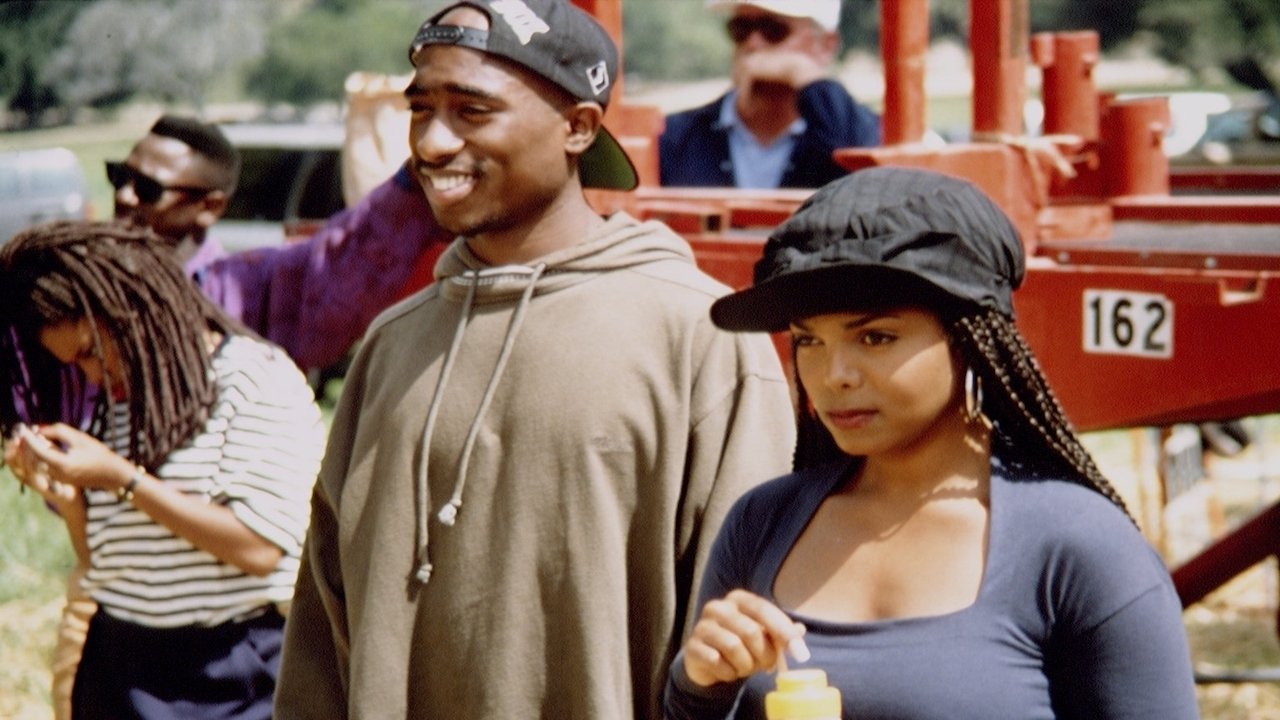
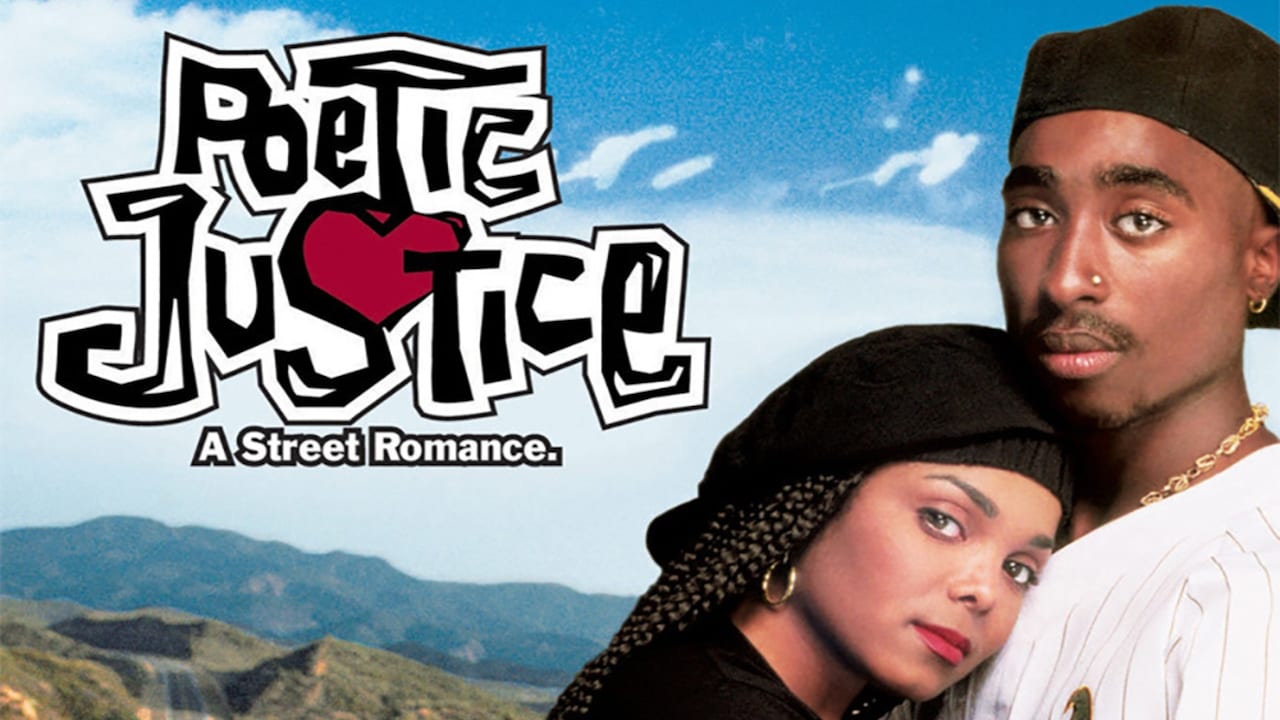
While Justice and Lucky's slow-burn relationship forms the emotional core, Regina King and Joe Torry provide both comic relief and a contrasting view of relationships – loud, volatile, yet undeniably connected. King, even then, showcased the incredible energy and sharp comedic timing that would define her career. Their constant squabbling acts as a counterpoint to the quiet intensity between the leads, highlighting different ways people navigate intimacy and conflict.
Singleton, who also wrote the screenplay, paints a vivid picture of early 90s California, moving beyond the confines of South Central shown in Boyz. The journey offers glimpses of different communities, different lives, all underscored by a fantastic soundtrack that perfectly captured the G-funk era R&B and hip-hop soundscape. This wasn't just background music; it was the pulse of the world these characters inhabited. Production-wise, the film cemented certain looks into the cultural lexicon – most notably, Justice's iconic box braids became the hairstyle of the moment, copied endlessly. It’s one of those details that instantly transports you back.
Interestingly, while Boyz n the Hood was a critical and commercial phenomenon ($57.5 million box office against a $6.5 million budget), Poetic Justice had a more modest reception. Made for around $14 million, it brought in about $27.5 million domestically. Critics were somewhat divided, perhaps expecting another hard-hitting exposé rather than this more character-driven, romantic piece. Yet, its focus on Black love, trauma, and the healing power of self-expression gave it a unique space in 90s Black cinema.
The Lingering Verse
Does Poetic Justice have flaws? Sure. The pacing occasionally meanders, and some dialogue might feel a little on-the-nose viewed through a contemporary lens. The ending, too, might feel somewhat abrupt for some viewers expecting neat resolutions. But these imperfections feel secondary to the film's genuine heart and its willingness to sit with uncomfortable emotions. It doesn't shy away from the harsh realities faced by its characters, but it ultimately champions connection and the courage it takes to open oneself up after loss.
It explores the idea that finding someone else doesn't necessarily 'fix' you, but shared experience, understanding, and the simple act of being seen can pave the way towards healing. What lingers most after the credits roll isn't just the memorable performances or the evocative soundtrack, but the quiet power of Justice finding her voice again, both literally and through the enduring words of Maya Angelou.
Rating: 7/10
This score reflects the film's profound emotional core, standout performances from Jackson and Shakur, and its significant cultural footprint, balanced against occasional pacing issues and a script that sometimes leans into melodrama. It successfully captures a specific mood and time, offering a more intimate, character-focused counterpoint to Singleton's debut.
Poetic Justice remains a poignant and resonant piece of 90s cinema, a thoughtful exploration of love found amidst sorrow, forever tied to the soulful performances of its leads and the timeless beauty of its poetry. It’s a film that reminds us that sometimes, the longest journeys are the ones we take within ourselves.