Okay, settle back into that worn spot on the couch, maybe imagine the gentle whir of the VCR spooling up. Some movies just hit differently when you think back to watching them on a fuzzy CRT, huddled close, maybe with a bowl of popcorn balanced precariously. And when it comes to pure, unadulterated, heart-on-its-sleeve inspiration from the 90s, few films resonate quite like 1993's Rudy. It’s more than just a football movie; it’s a testament to the sheer, sometimes irrational, power of a dream.
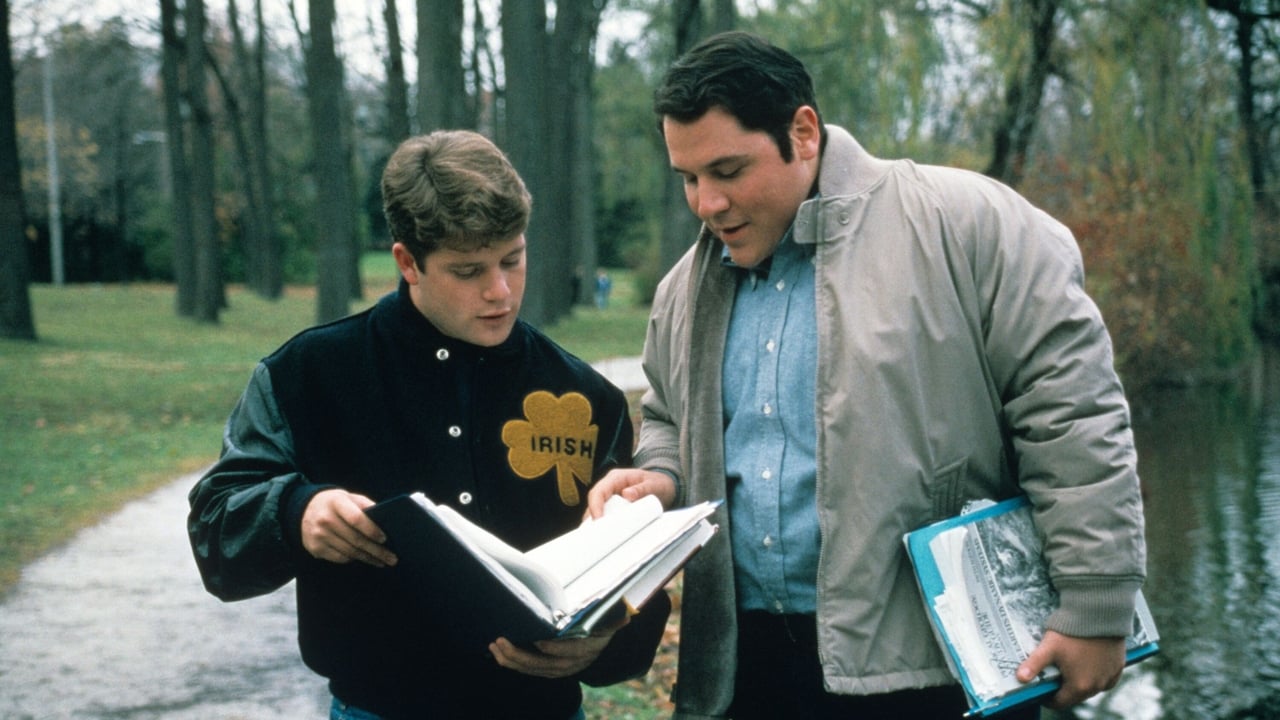
The story itself feels almost like folklore, even though it’s rooted in the real-life journey of Daniel "Rudy" Ruettiger. Here’s a guy from a blue-collar steel mill town, Joliet, Illinois, who's maybe five-foot-nothing and possesses, shall we say, modest athletic gifts. Yet, he harbors this colossal ambition: to play football for the legendary Fighting Irish of Notre Dame. It’s a dream everyone around him, including his pragmatic father Daniel Sr. (played with grounded warmth by the great Ned Beatty), sees as pure fantasy. But Rudy… well, Rudy just won’t quit.
### Grit, Heart, and a Fighting Irish Spirit
What makes Rudy soar isn't complex plotting or dazzling special effects – this was the era where heart often mattered more than CGI spectacle. It's the raw, unwavering conviction radiating from Sean Astin in the title role. Before he carried the weight of Middle-earth as Samwise Gamgee in The Lord of the Rings trilogy, Astin poured every ounce of his being into portraying Rudy's relentless optimism and crushing setbacks. You feel his frustration with every rejection letter, his exhaustion during grueling practices where he's essentially a human tackling dummy, and his unwavering hope even when logic screams otherwise. Astin makes Rudy’s impossible quest feel utterly believable and deeply personal.
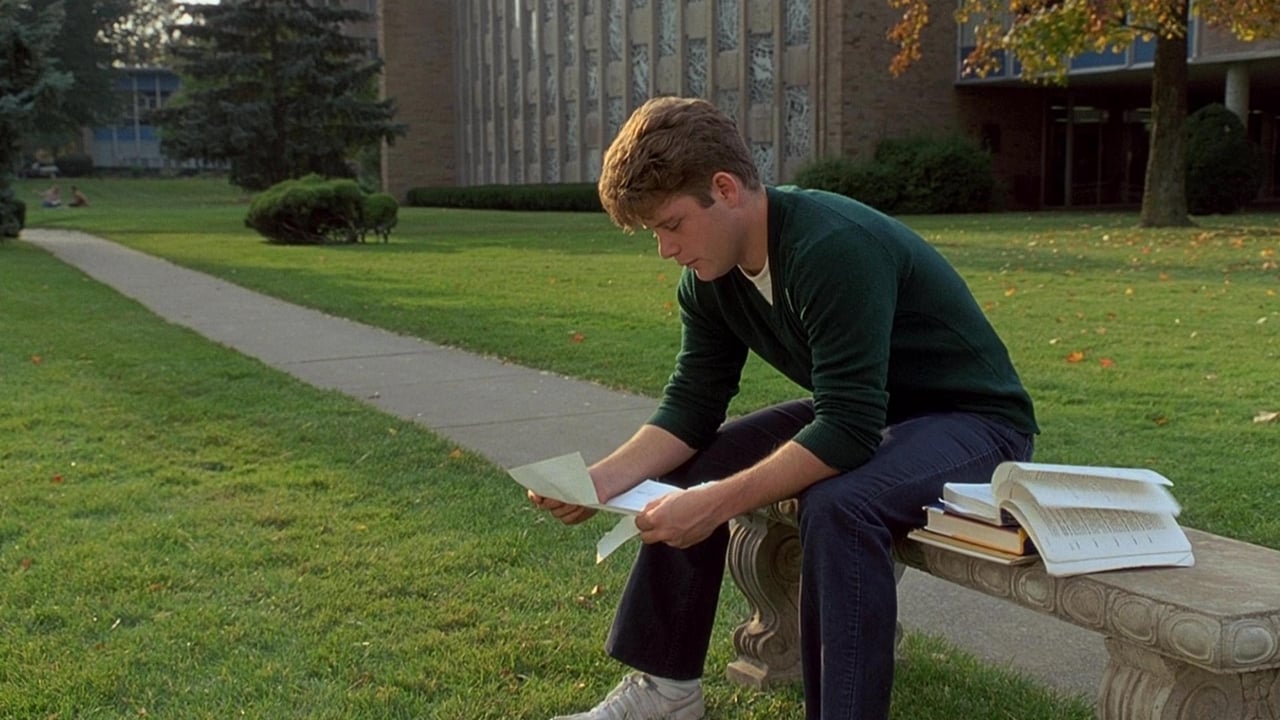
Director David Anspaugh and writer Angelo Pizzo, the same team who brought us the equally beloved Indiana basketball classic Hoosiers (1986), clearly knew how to tap into the emotional core of an underdog sports story. They don't shy away from the struggles – Rudy’s academic challenges at Holy Cross College, the financial strain, the sheer physical toll. But they frame it all within an atmosphere of almost mythic importance, amplified beautifully by Jerry Goldsmith's soaring, instantly recognizable score. That music alone could make you want to run through a brick wall for your dreams.
### More Than Just Tackles and Touchdowns
While the gridiron provides the backdrop, Rudy delves deeper. It explores themes of class, the value placed on education versus manual labor, and the sometimes-stifling weight of family expectations. We see this in Rudy’s interactions back home, but also in the bonds he forms at Notre Dame. His friendship with the wisecracking D-Bob, played by a young and instantly memorable Jon Favreau in one of his earliest roles, provides necessary levity and loyalty. Then there’s the quiet wisdom imparted by Fortune, the stadium groundskeeper portrayed with immense dignity by Charles S. Dutton, who delivers some of the film's most potent lines about perseverance and perspective.
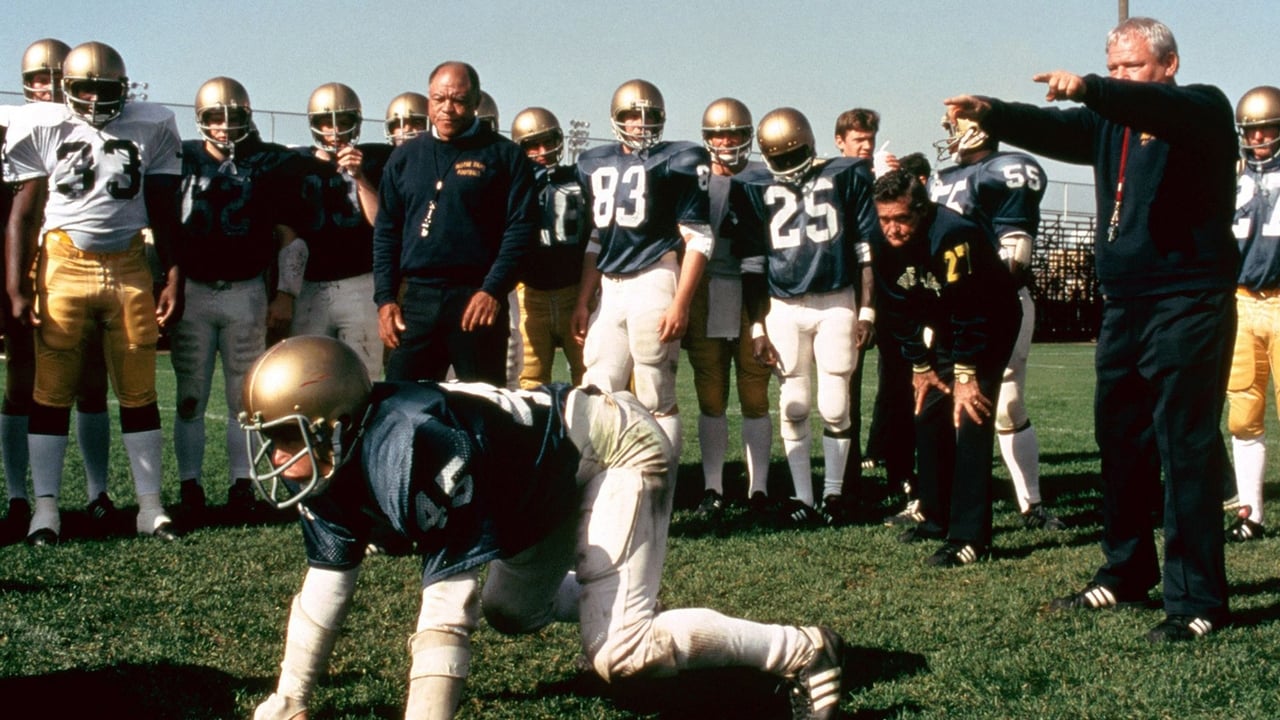
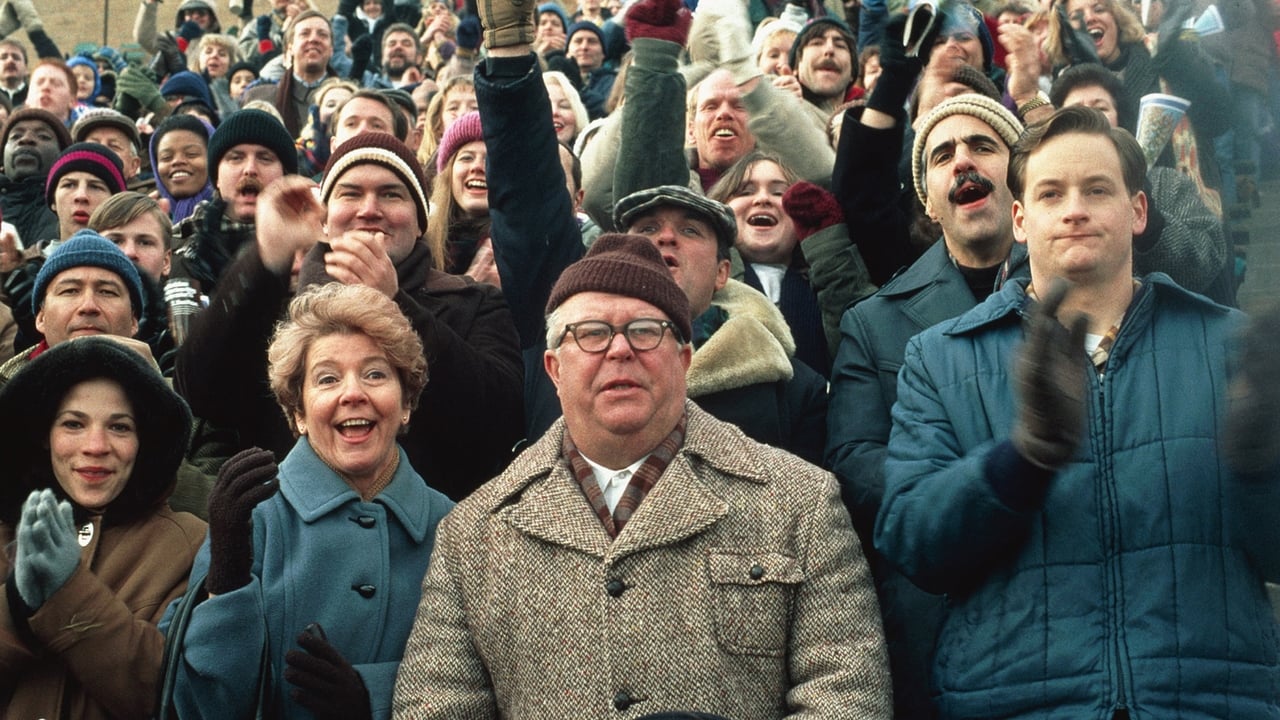
Retro Fun Facts: It's fascinating to know that the real Rudy Ruettiger actually has a cameo in the film – keep an eye out for him in the stands during the final game sequence! While the film captures the spirit of Rudy's journey, Hollywood did take a few liberties. That incredibly moving scene where the players lay their jerseys on Coach Devine's desk to demand Rudy dress for the final game? Reportedly, while the team deeply supported Rudy, this specific, highly dramatic gesture was largely an invention by screenwriter Pizzo to heighten the emotional impact. It certainly worked, didn't it? Filmed largely on location at the University of Notre Dame and nearby Holy Cross College, the movie beautifully captures the hallowed atmosphere of the campus. Despite its modest budget of around $12 million and a respectable but not blockbuster box office take of about $22.7 million, Rudy found its true success on home video and television, becoming a perennial favorite – a true VHS gem passed around and cherished.
### The Feeling That Lingers
Let's be honest, even knowing the outcome, that final act still gets you, doesn't it? The build-up, the crowd chanting his name ("Ru-dy! Ru-dy!"), the sheer catharsis of seeing that tenacity pay off, however briefly. It’s pure movie magic, crafted to elicit tears and cheers. Watching it back then, perhaps as a kid or teenager figuring out your own aspirations, Rudy's story felt like proof that anything was possible if you just wanted it badly enough and worked hard enough. It tapped into that fundamental desire to be seen, to achieve something meaningful against the odds.
Is it sentimental? Absolutely. Does it simplify a complex journey? Probably. But does it deliver an emotional punch that resonates even decades later? Without a doubt. Rudy isn't cynical or edgy; it's a film with its heart firmly, proudly on its sleeve, championing the kind of determination that feels both inspiring and maybe a little bit necessary, even now.

Rating: 8.5/10
This rating reflects the film's undeniable emotional power, Sean Astin's fantastic lead performance, and its enduring status as a top-tier inspirational sports drama. While it leans heavily into sentimentality and takes some dramatic license, its core message about perseverance is delivered so effectively and earnestly that it overcomes minor criticisms. It's a film crafted with skill and genuine affection for its subject, perfectly capturing the spirit of the underdog.
Rudy remains that well-worn tape you pull out when you need a reminder that sometimes, just refusing to give up is the most heroic thing you can do. A true comfort classic from the shelves of VHS Heaven.