The silence hits first. Not just quiet, but a heavy, smothering absence of sound that blankets the small mountain town of Snowfield, Colorado. It’s the kind of stillness that pricks the back of your neck, the kind that screams wrongness long before the severed heads turn up in the oven. This is the chilling entry point to Phantoms (1998), a film that arrived late in the decade, carrying the distinct flavour of its author, Dean Koontz, who adapted his own novel for the screen – a rarity, often born from his noted dissatisfaction with prior adaptations. Does it translate the page's specific dread to the flickering CRT? Let's slide this tape in and see.
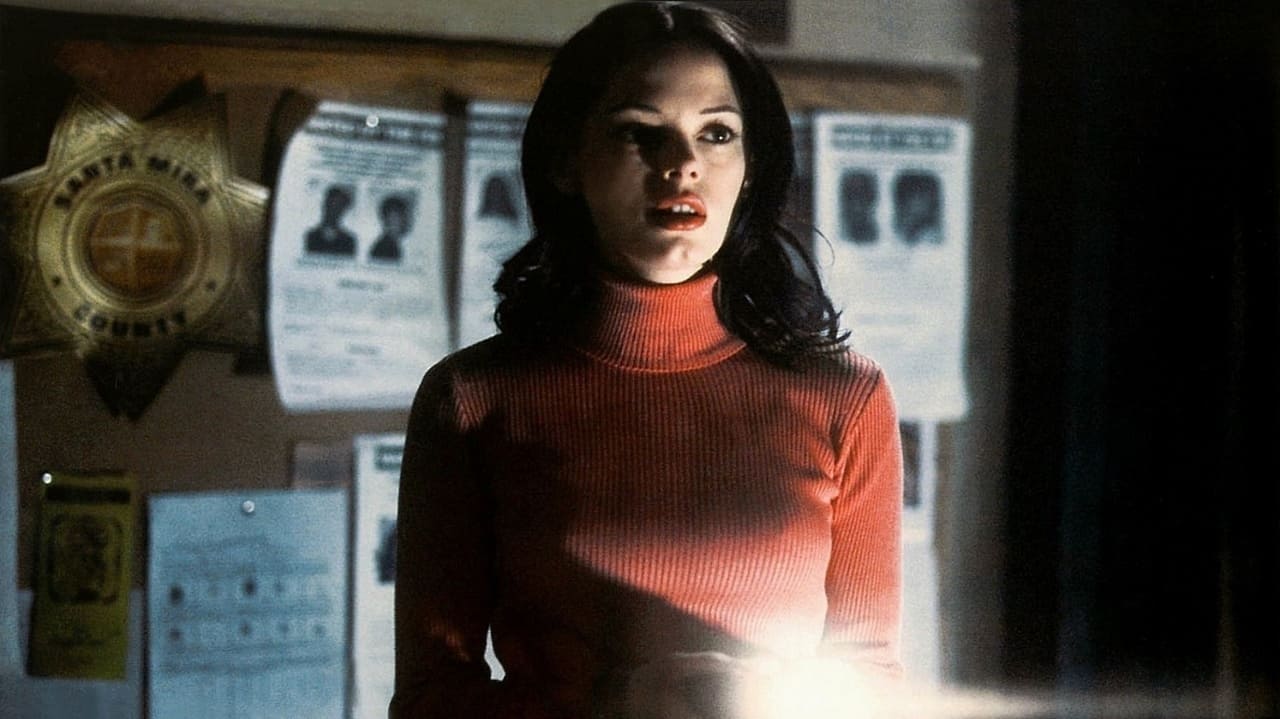
Snowfield's Empty Welcome
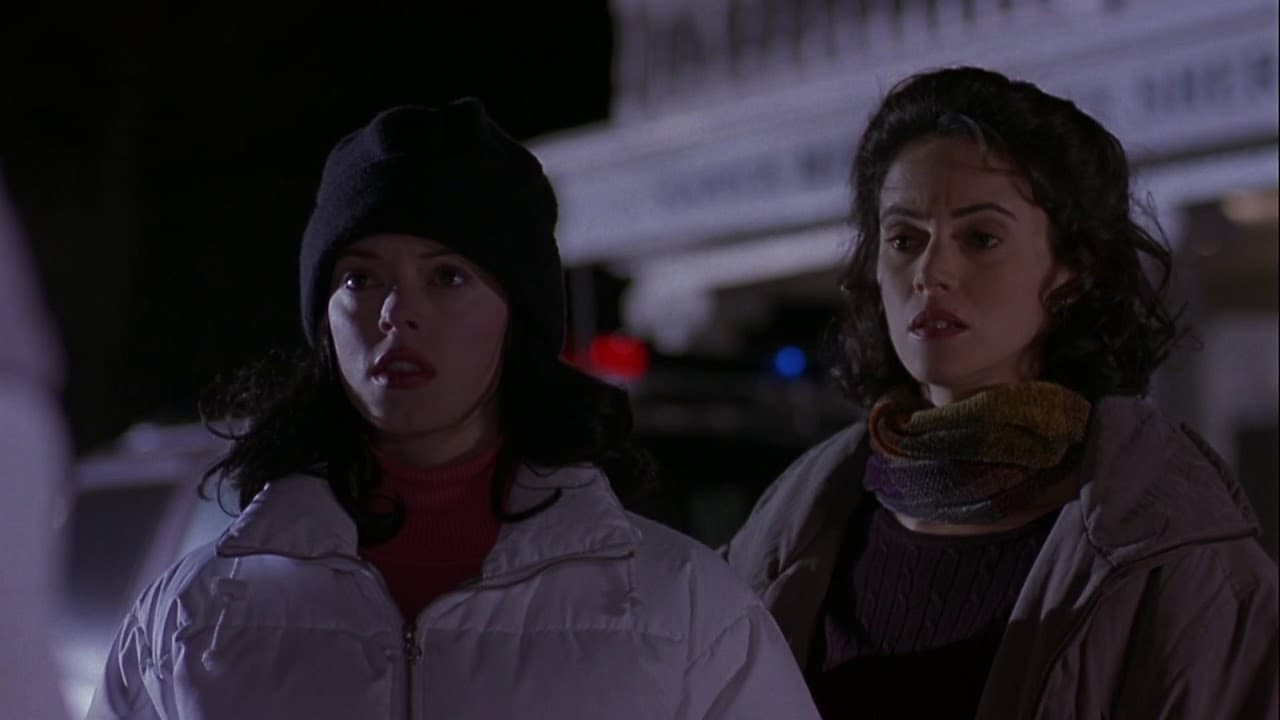
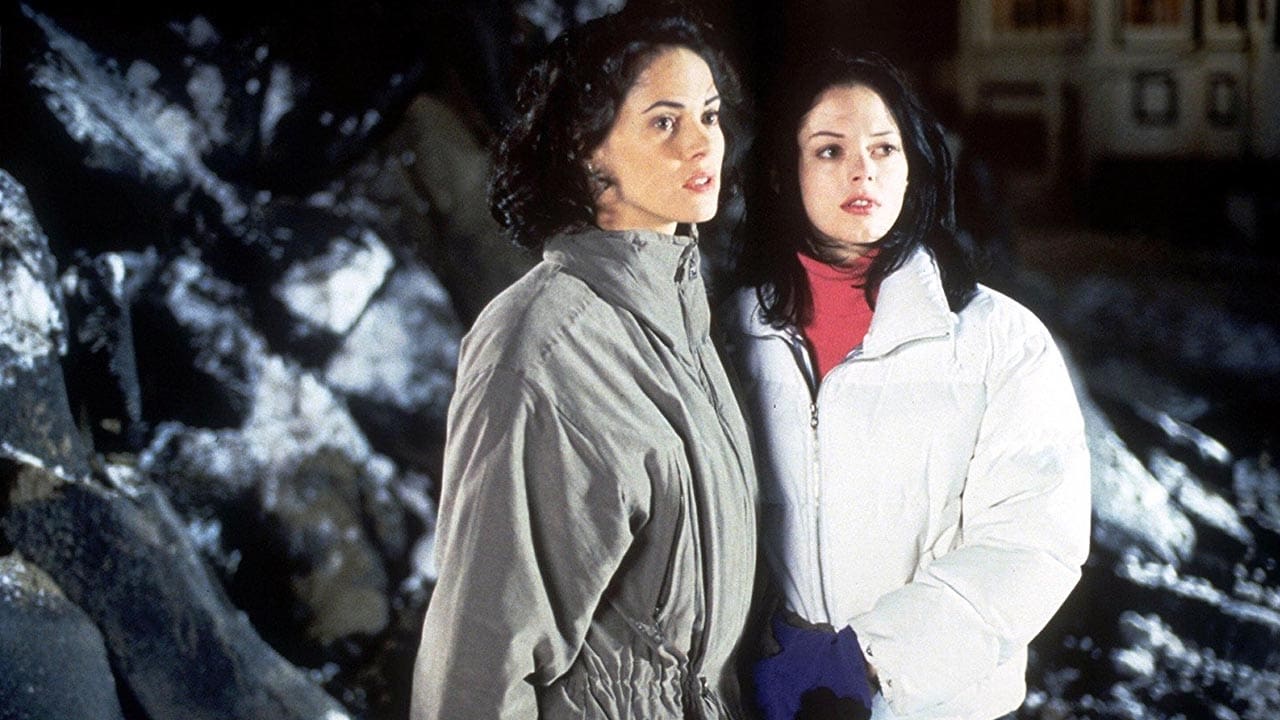
Sisters Lisa (Joanna Going) and Jenny (Rose McGowan, fresh off Scream's success) roll into town expecting a peaceful visit, only to find homes empty but meals still warm, phones ringing unanswered, and a palpable sense of recent, sudden vanishing. Director Joe Chappelle (who later helmed Halloween: The Curse of Michael Myers) leans into the eerie desolation effectively in these early scenes. Remember that feeling, watching this unfold late at night? The slow creep of realization that something unseen and vast has simply... erased everyone? It taps into a primal fear of the unknown, the inexplicable vacuum where life should be. The discovery of the dead housekeeper, followed by those chillingly mutilated bodies, escalates the mystery into raw terror before we even know what we’re dealing with.
The Ancient Enemy Rises
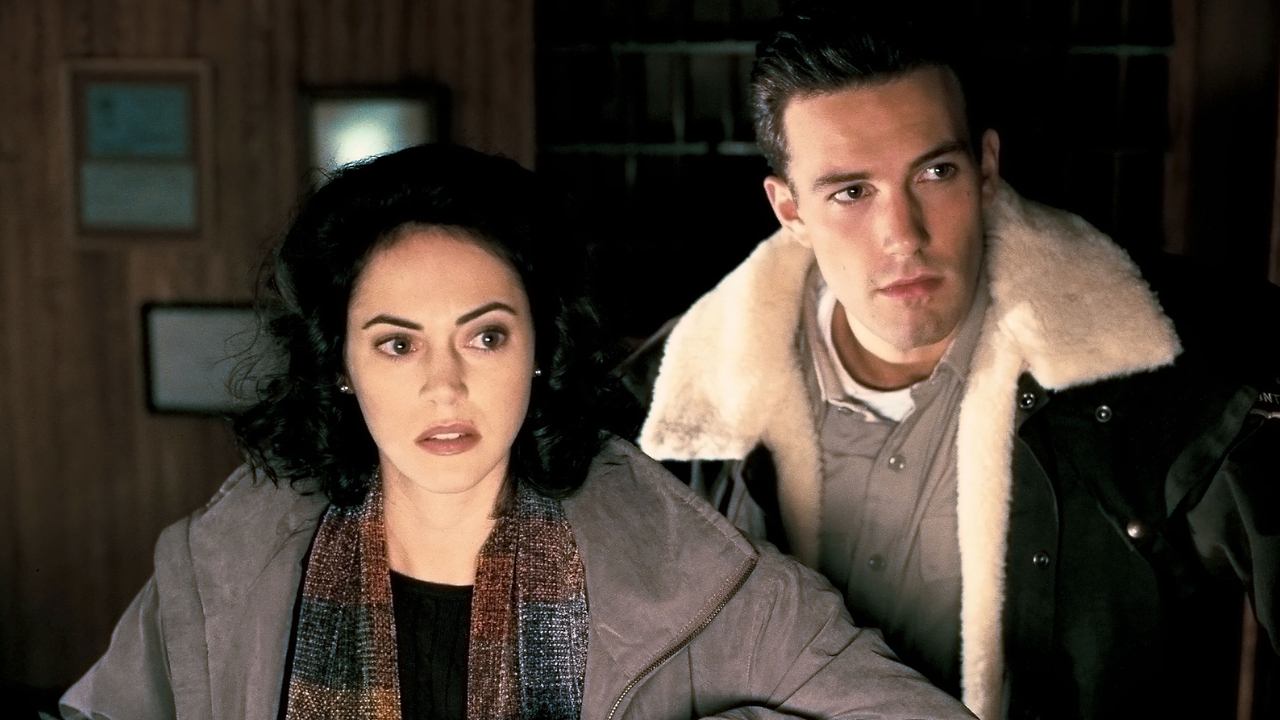
It's not ghosts, not exactly. Phantoms posits something far older and more alien: the "Ancient Enemy," a subterranean entity capable of absorbing the minds, memories, and physical forms of its victims, creating grotesque mockeries of life or simply dissolving them into biological sludge. It’s a creature born from Koontz’s particular brand of cosmic horror blended with small-town siege narratives. The film tries hard to visualize this amorphous threat, using a mix of practical effects and late-90s CGI that, admittedly, shows its age. Yet, there's still something unsettling about the concept – the disembodied voices echoing familiar phrases, the monstrous dog that isn't quite a dog, the sheer wrongness of its biological manipulations. Doesn't that core idea still feel unnerving, the ultimate parasite wearing its victims like clothes?
An Eccentric Scholar and Beleaguered Lawmen
Into this nightmare steps a rather unexpected figure: Peter O'Toole as Timothy Flyte, a disgraced academic whose tabloid theories about mass disappearances suddenly seem terrifyingly relevant. O'Toole brings a theatrical gravitas that feels both out of place and strangely perfect for a film grappling with ancient, world-ending evil. It’s a performance that elevates the material, lending a touch of class to the B-movie proceedings. Did you know O'Toole apparently took the role partly because he genuinely enjoyed Koontz's novel? Alongside him, we get a pre-stardom Ben Affleck as Sheriff Bryce Hammond, the stoic local lawman, and a scene-stealing Liev Schreiber as Deputy Stu Wargle, whose swaggering paranoia makes him instantly memorable (and perhaps relatable in his terror). Their dynamic, trapped with the sisters and a handful of soldiers, forms the desperate human core against the unknowable. Affleck and Schreiber, working for Miramax's Dimension Films label here, were certainly building their profiles in genre pictures around this time.
Crafting the Chill
While Phantoms sometimes struggles with pacing and its visual effects haven't aged like fine wine, it does manage moments of genuine atmospheric dread. The production design effectively captures the claustrophobia of the snowbound town, turning familiar settings – a bakery, a church, a hotel – into potential deathtraps. The score by David C. Williams often underscores the tension well, favouring unnerving strings and sudden jolts. One interesting tidbit is the film's use of Georgetown, Colorado, as the primary location for Snowfield, its historic look lending authenticity to the isolated setting. The filmmakers had to contend with the challenges of shooting in a real, functioning town while trying to maintain that crucial sense of utter desolation. Koontz himself being on script duties likely ensured key plot points and the creature's specific lore (its intelligence, its communication methods, its weaknesses) remained closer to the source than many adaptations manage.
A Koontz Creation, Through and Through?
For fans of Dean Koontz, Phantoms feels undeniably like one of his works committed to film – the blend of sci-fi horror, relatable protagonists facing overwhelming odds, a touch of conspiracy, and that ever-present ancient, malevolent force. While Koontz reportedly had mixed feelings about the final product (a common theme for him regarding film adaptations), having him pen the screenplay provides a direct line to the novel's core concepts. It might not be the best Koontz adaptation, but it’s certainly one of the most faithful in spirit, capturing that specific blend of creeping dread and sudden, visceral horror. The film unfortunately didn't make much of a splash at the box office, earning back roughly its $5 million budget but failing to ignite significant buzz in a year crowded with other genre offerings.

Final Fade to Black
Phantoms is a curious artifact of late 90s horror. It’s ambitious, trying to bring a complex, cosmic entity to life on a modest budget. It boasts an unexpectedly prestigious actor in Peter O'Toole and features early turns from future stars. While its execution is uneven and the effects betray their vintage, the core concept remains chilling. The atmosphere of the deserted town, the nature of the Ancient Enemy, and O'Toole's committed performance linger long after the credits roll. It might not be a stone-cold classic, but for fans who remember grabbing this off the shelf at Blockbuster, hoping for a solid creature feature fix, it delivered a certain unsettling charm. It’s a film that tries, and sometimes, especially when viewed through the warm static of nostalgia, that effort is enough to earn it a spot in VHS Heaven.
Rating: 6/10 - While hampered by dated effects and occasional pacing issues, Phantoms delivers effectively on its creepy premise thanks to Koontz's direct involvement, strong early atmosphere, and a standout performance from Peter O'Toole. It captures a specific late-90s flavour of ambitious B-horror that feels both familiar and strangely unique, making it a worthwhile curiosity for Koontz fans and retro horror enthusiasts.