Okay, fellow travellers through the glorious static of yesteryear's film landscape! Let's rewind the tape to 1997, a time when Britpop still echoed and Cool Britannia was the buzzword. But forget the shiny veneer for a second, because nestled amongst the optimism was a grubby little cinematic hand grenade lobbed straight out of South Wales: Kevin Allen's unforgettable directorial debut, Twin Town. Finding this on the shelf, maybe tucked between a slick Hollywood thriller and a goofy comedy, felt like discovering something genuinely dangerous, something whispered about. It wasn't your typical Friday night rental, and that was precisely its grubby charm.
### Welcome to Swansea (Sort Of)
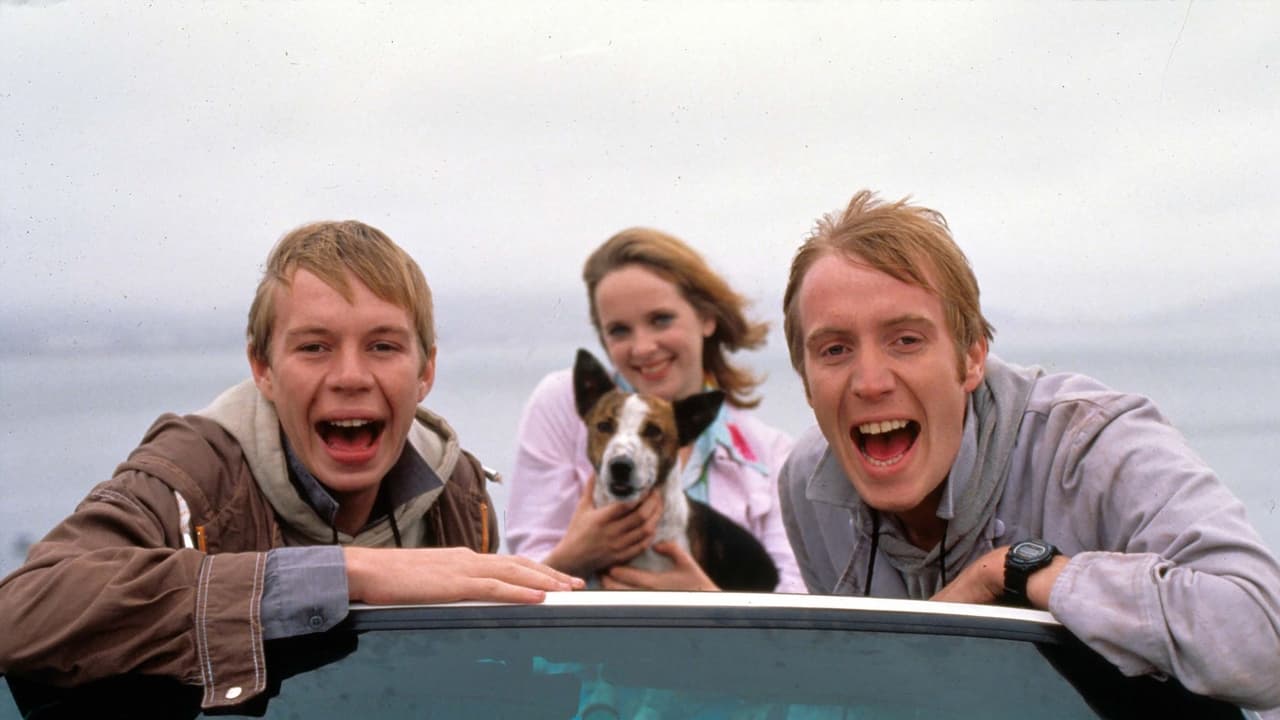
Forget picturesque landscapes; Twin Town plunges us headfirst into the less glamorous side of Swansea and Port Talbot, a world of slightly dodgy pubs, caravan sites, run-down terraces, and petty crime simmering just below the surface. The story kicks off simply enough: Fatty Lewis (played by the wonderful Huw Ceredig, sadly missed) takes a tumble off a ladder while doing roofing work for local big cheese Bryn Cartwright (William Thomas, perfectly embodying smug small-town power). When Cartwright refuses to cough up compensation, Fatty's layabout sons, the utterly feral Lewis twins, Jeremy (Llŷr Ifans) and Julian (Rhys Ifans), decide to take matters into their own, uniquely chaotic hands.
And chaotic doesn't even begin to cover it. What starts as a demand for compo rapidly spirals into a gleefully amoral rampage involving stolen cars, kidnapped poodles, drugged-up karaoke renditions, and bent coppers. Forget heroes and villains in the traditional sense; Twin Town exists in a murky grey area where everyone's a bit dodgy, driven by greed, boredom, or sheer nihilistic impulse. It's a black comedy so dark, it practically absorbs light.
### The Brothers Grim
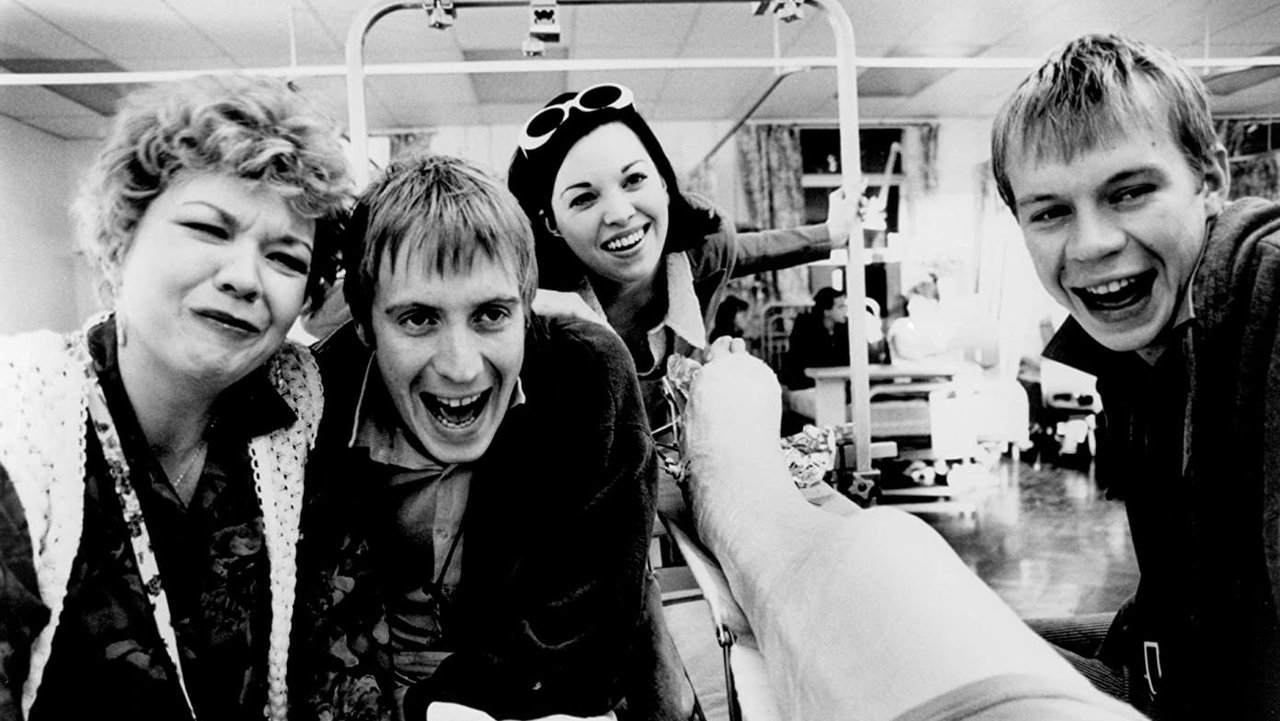
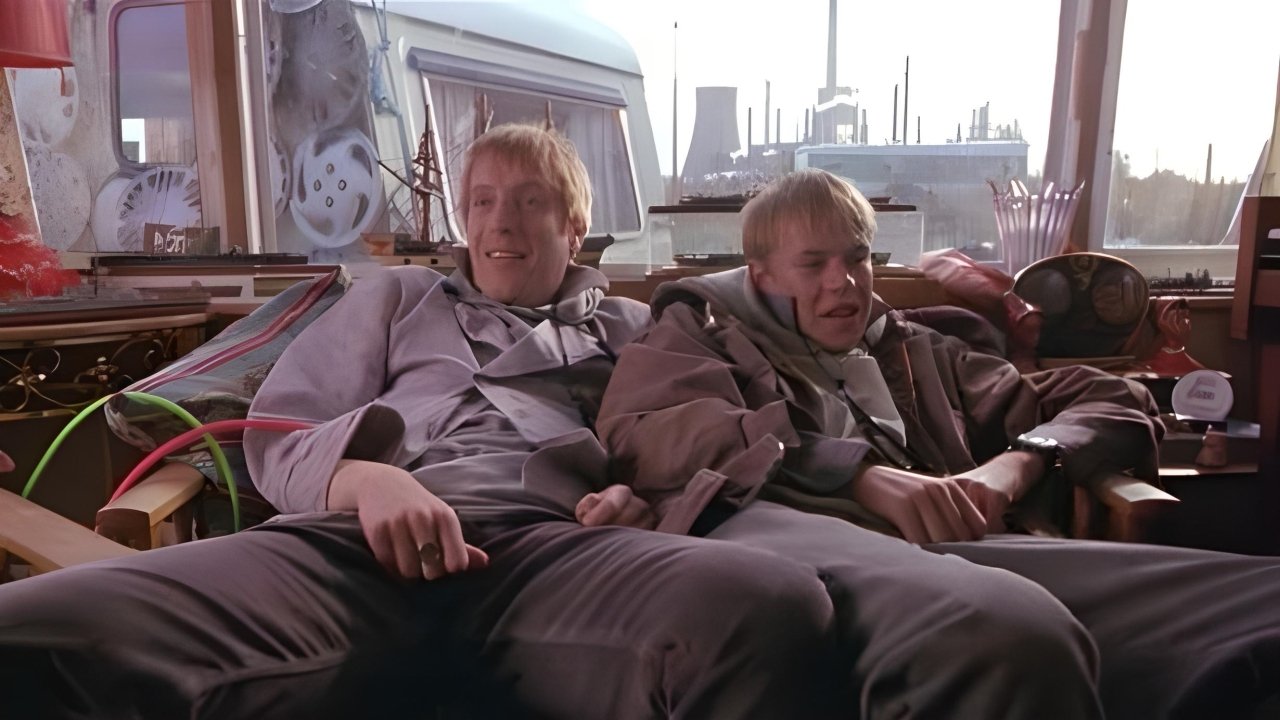
At the heart of the mayhem are the Ifans brothers themselves, Llŷr and Rhys, delivering performances crackling with manic energy. Their real-life sibling connection translates into an utterly believable, almost telepathic partnership in destruction. They're not malicious in a calculating way; they're forces of nature, propelled by cheap drugs, boredom, and a twisted sense of loyalty. Watching them bounce off each other, whether joyriding in a stolen golf cart or engaging in profoundly inappropriate behaviour, is both hilarious and deeply unsettling. Rhys Ifans, in particular, showcased that raw, unpredictable star quality that would soon make him internationally known (think Notting Hill just two years later). It's rumoured the budget was tight – around £1.5 million – but every penny feels like it's up on screen in the sheer, unvarnished reality of their performances and the lived-in locations.
The supporting cast is a rogues' gallery of fantastic Welsh talent. Dorien Thomas is brilliant as the perpetually weary, corrupt detective Greyo, trying to navigate the escalating madness. And Keith Allen (the director's brother) pops up in a memorable cameo, adding another layer to the film's slightly incestuous, close-knit Welsh feel. Even the smaller roles feel authentic, contributing to this specific, slightly desperate world Allen creates.
### Not Exactly Feel-Good Fun
Let's be clear: Twin Town wasn't universally loved upon release. It kicked up a proper stink, didn't it? Accusations of glamorising drug use, violence, and depicting Wales in a negative light were thrown around. It was labelled by some as a "Welsh Trainspotting", which feels a bit lazy, though both films certainly captured a raw, disillusioned energy prevalent in mid-90s Britain. But where Trainspotting had moments of stylised surrealism, Twin Town feels relentlessly grounded, almost documentary-like in its griminess, punctuated by moments of shocking absurdity.
The film’s 'action', such as it is, isn’t about elaborate stunt sequences or pyrotechnics. It’s about the visceral consequences of stupid decisions. When things go wrong, they go messily wrong. Remember that karaoke scene? Utterly iconic, simultaneously funny and deeply tragic, fuelled by cheap lager and desperation. There's a raw, almost uncomfortable reality to the chaos that feels worlds away from the polished mayhem of today's blockbusters. It feels less like a movie set and more like something genuinely kicking off down the local. You didn't need CGI when you had the sheer audacity of the script and the actors' commitment.
Retro Fun Fact: The original working title was apparently 'Hot Dog', a phrase that gets referenced in the film itself during a particularly unpleasant sequence involving Cartwright's prized poodle. Thank goodness they went with Twin Town!
### Still Packing a Punch?
Watching Twin Town today is like unearthing a slightly dangerous time capsule. The language is relentless, the attitudes often questionable by modern standards, and the plot gleefully nihilistic. Yet, there's an undeniable energy, a defiant swagger, and a jet-black humour that still lands. Kevin Allen crafted something unique here, a film that refuses to compromise or apologise. It captured a specific time and place with unflinching, often uncomfortable, honesty. It might not have the practical effects fireworks of a big action flick, but its impact comes from the raw performances and the sheer audacity of its storytelling.
VHS HEAVEN RATING: 8/10
Justification: This score reflects Twin Town's enduring cult status, its brilliant central performances, razor-sharp (and jet-black) script, and its unapologetic energy. It's a defining piece of 90s British cult cinema, even if its abrasive nature means it won't be for everyone. The points deducted acknowledge that its relentless bleakness and controversial elements can be challenging.
Final Thought: Forget slickness; Twin Town is pure, uncut 90s grit served with a side of laverbread and anarchy – a film that reminds you comedy can bite, and sometimes, the funniest stuff leaves a slightly bitter taste. Handle with care, but definitely worth revisiting.