Okay, fellow tape travellers, let's dim the lights, ignore that tracking adjustment flicker for a second, and rewind to a truly bizarre gem that likely raised eyebrows at your local video store: 1982's Eating Raoul. Forget your standard blockbuster fare; this is the kind of movie you might have discovered tucked away in the cult section, its title alone promising something... different. And oh boy, did it deliver. It’s a pitch-black comedy so dry it could start a fire, served up with a side of suburban malaise and entrepreneurial murder.
### The Bland Ambition
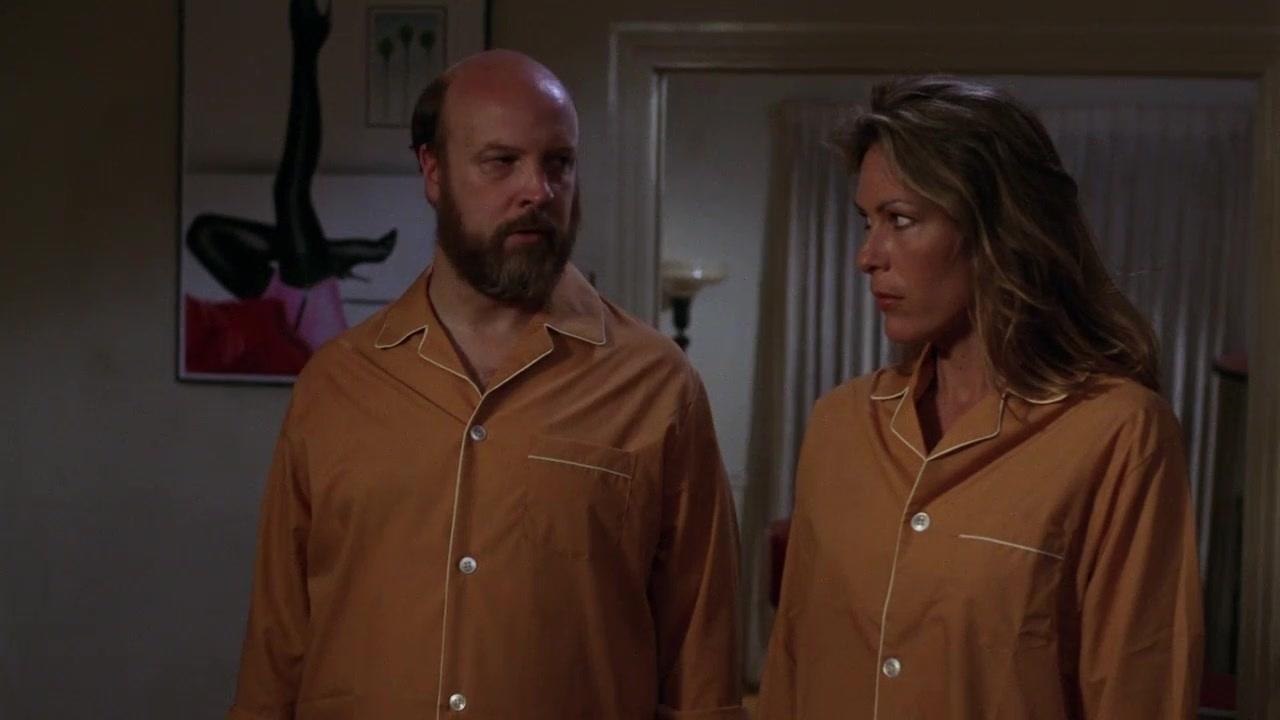
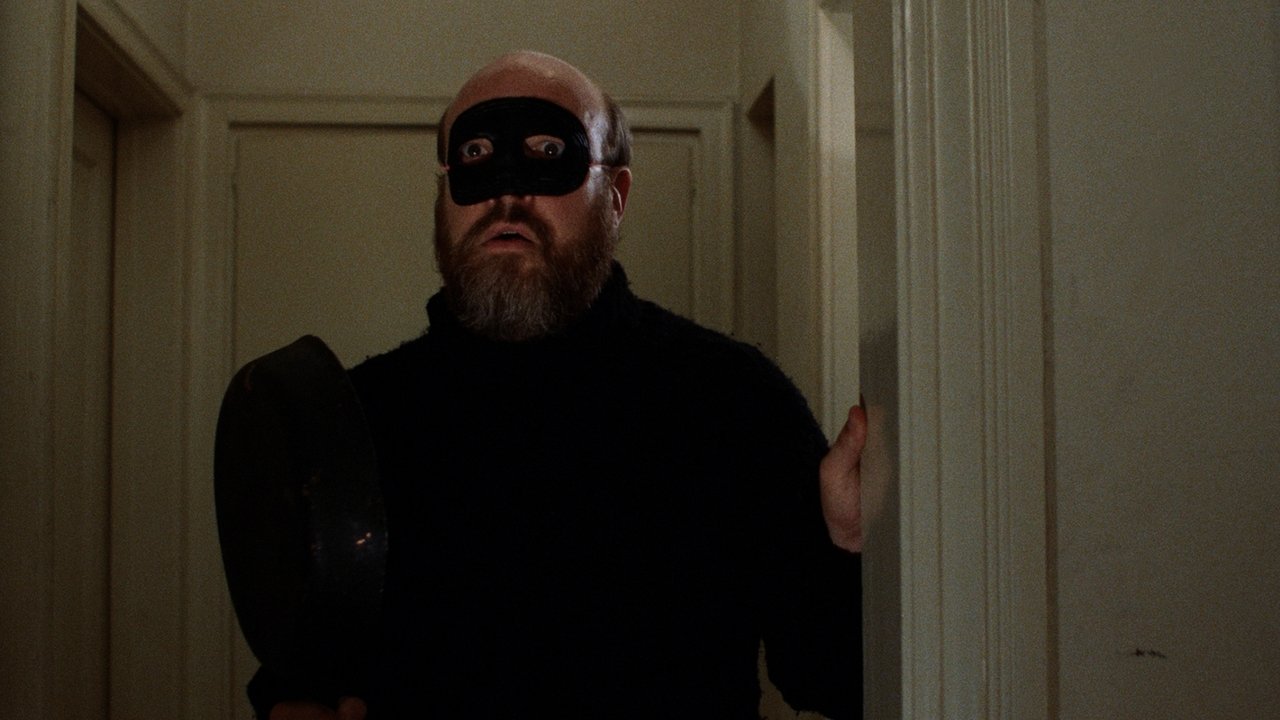
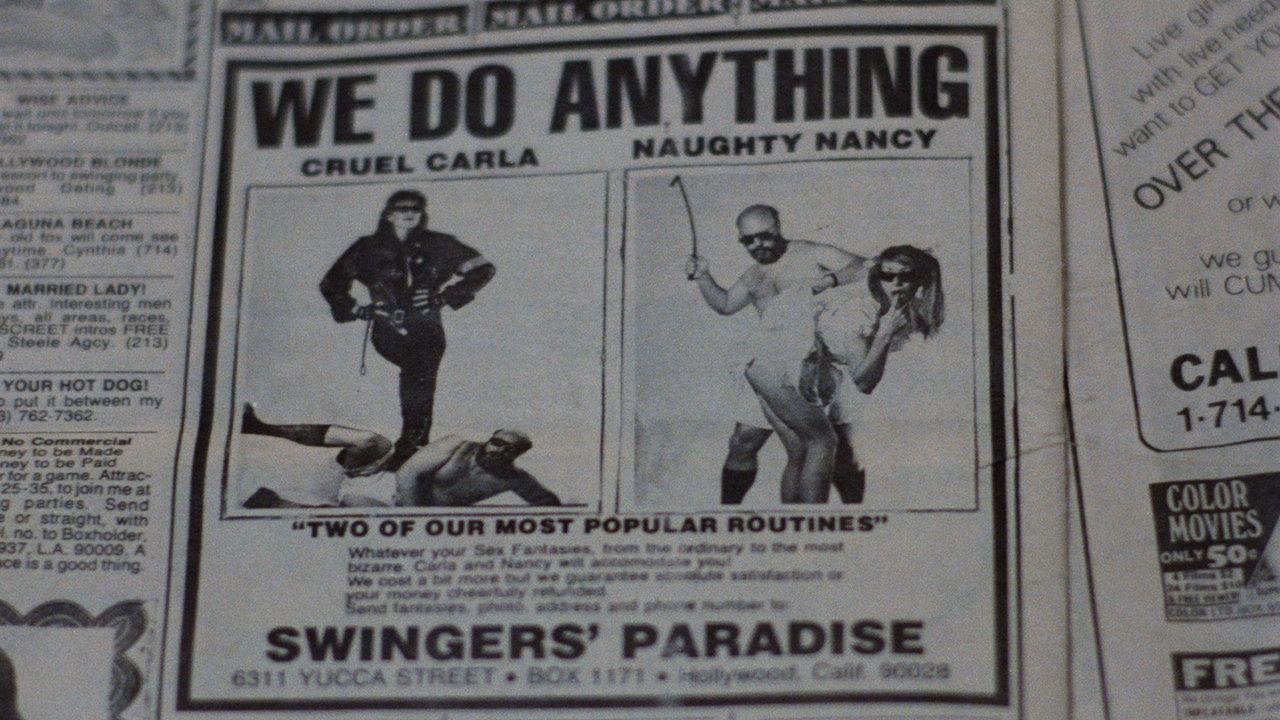
Meet the Blands, Paul and Mary, played with exquisite deadpan perfection by director/writer Paul Bartel and the eternally cool Mary Woronov. These two are the epitome of buttoned-down propriety, dreaming of escaping their swinging (and frankly, quite sleazy) Los Angeles apartment complex to open a quaint little country restaurant. The problem? Money, or the lack thereof. Their prudish sensibilities are constantly offended by the hedonism around them, culminating in a moment of accidental (then very intentional) violence involving a frying pan and a would-be swinger. This sparks a darkly comic epiphany: why not lure predatory creeps to their apartment, dispatch them, take their money, and fund their dream? It's a business plan only the 80s could cook up with such cheerful amorality.
Bartel, who previously gave us the wonderfully anarchic Death Race 2000 (1975), directs with a kind of detached amusement. The violence is matter-of-fact, almost mundane, which is precisely what makes it so funny and unsettling. There’s no gleeful gore here, just the practicalities of dealing with inconvenient corpses. Remember how shocking yet oddly clean some of those early 80s indie movie demises felt? Eating Raoul perfects that tone. It understands that the horror isn't just in the act, but in the sheer, bland acceptance of it by our central couple.
### A Recipe for Dark Laughs
The chemistry between Bartel and Woronov is the film's secret sauce. They were frequent collaborators, and their shared rhythm is impeccable. They portray the Blands not as monsters, but as pragmatic, slightly repressed individuals pushed to extreme, albeit absurd, measures. Their clipped dialogue and shared glances convey volumes. It’s a masterclass in understated comic performance. Watching them calmly discuss the logistics of murder and disposal while maintaining their prim facade is where the film finds its unique, enduring humour.
Then there’s Robert Beltran (later Commander Chakotay in Star Trek: Voyager) as the titular Raoul, a charming but opportunistic locksmith/thief who stumbles onto the Blands' scheme and decides he wants a piece of the action... and maybe Mary, too. Beltran adds a necessary layer of sleazy charisma that complicates the Blands’ increasingly precarious operation, injecting a dose of sexual tension and rivalry into the morbid proceedings.
### Low Budget, High Concept
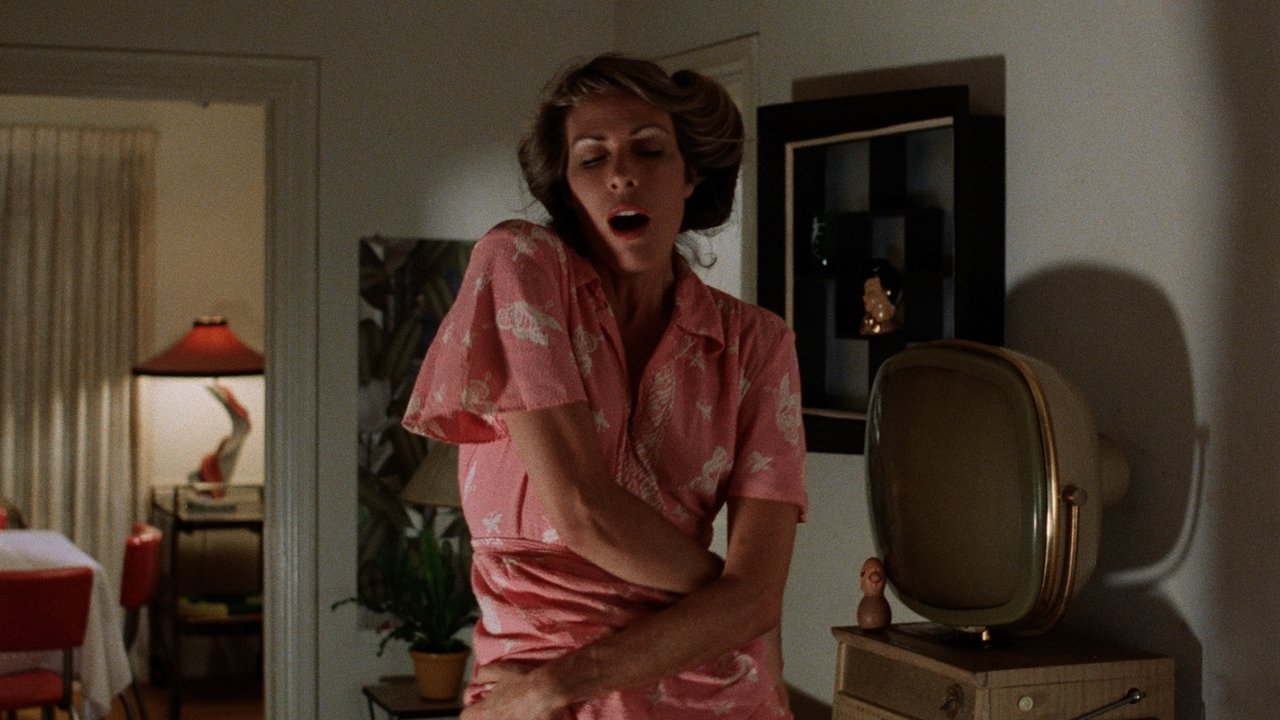
You can practically smell the thrift store furniture and feel the California polyester in Eating Raoul. This movie was famously made on a shoestring budget – reportedly cobbled together for around $230,000 (adjusting for inflation, that's still incredibly lean for a feature film, maybe around $750k today). Legend has it that Bartel and Woronov chipped in their own cash, even using their own apartments and belongings to dress the sets. This wasn't Hollywood gloss; this was guerrilla filmmaking born of necessity, and it absolutely works for the story. The slightly threadbare look enhances the feeling of suburban desperation, making the Blands' dream of a country restaurant feel both more poignant and more ludicrous. Its initial run was tricky, struggling to find distributors who knew what to do with such an oddball picture, but word-of-mouth and midnight movie circuits eventually turned it into the cult classic it is today.
The practical nature of everything feels so… real, despite the absurdity. The thud of that frying pan, the awkwardness of body disposal – it lacks the slick polish of later films, but possesses a tactile quality that grounds the outrageous plot. There’s an ingenuity here, a sense that they were making it up as they went along, fueled by dark wit and sheer audacity. Could you imagine pitching this today? "It's a comedy about a nice couple who kill swingers for cash!"
### The Aftertaste
Eating Raoul isn't just a quirky black comedy; it's a sharp satire of consumerism, the emptiness of the conventional American Dream, and sexual politics, all wrapped up in a bizarre, low-budget package. It skewers the hypocrisy of judging others while engaging in far worse behaviour yourself, all with a wry smile. It’s the kind of film that might have initially horrified your parents if they caught you watching it late one night on a rented tape, but secretly delighted you with its transgressive humour.
Rating: 8.5 / 10
Justification: This score reflects the film's brilliant execution of its unique concept, the stellar deadpan performances from Bartel and Woronov, its razor-sharp satire, and its enduring cult legacy built on ingenuity and dark humour. It's a near-perfect slice of acidic 80s indie filmmaking, docked slightly only because its extremely dry, specific tone might not connect with absolutely everyone.
Final Take: Eating Raoul remains a deliciously deviant treat, a prime example of how wit and a killer premise could trump big budgets in the golden age of weird VHS discoveries. Just maybe don't watch it right before dinner.