Okay, fellow tapeheads, dim the lights, maybe adjust the tracking just a bit (we all remember doing that, right?), and let’s slide a wonderfully ludicrous slice of 80s cheese into the VCR: Ken Dixon's 1987 sci-fi adventure, Slave Girls from Beyond Infinity. The title alone is a glorious piece of pulp marketing, practically screaming "Rent Me!" from the dusty shelves of the local video emporium. And what you got was… well, exactly what you might expect, but maybe with a surprising amount of earnest charm baked into its micro-budget aspirations.
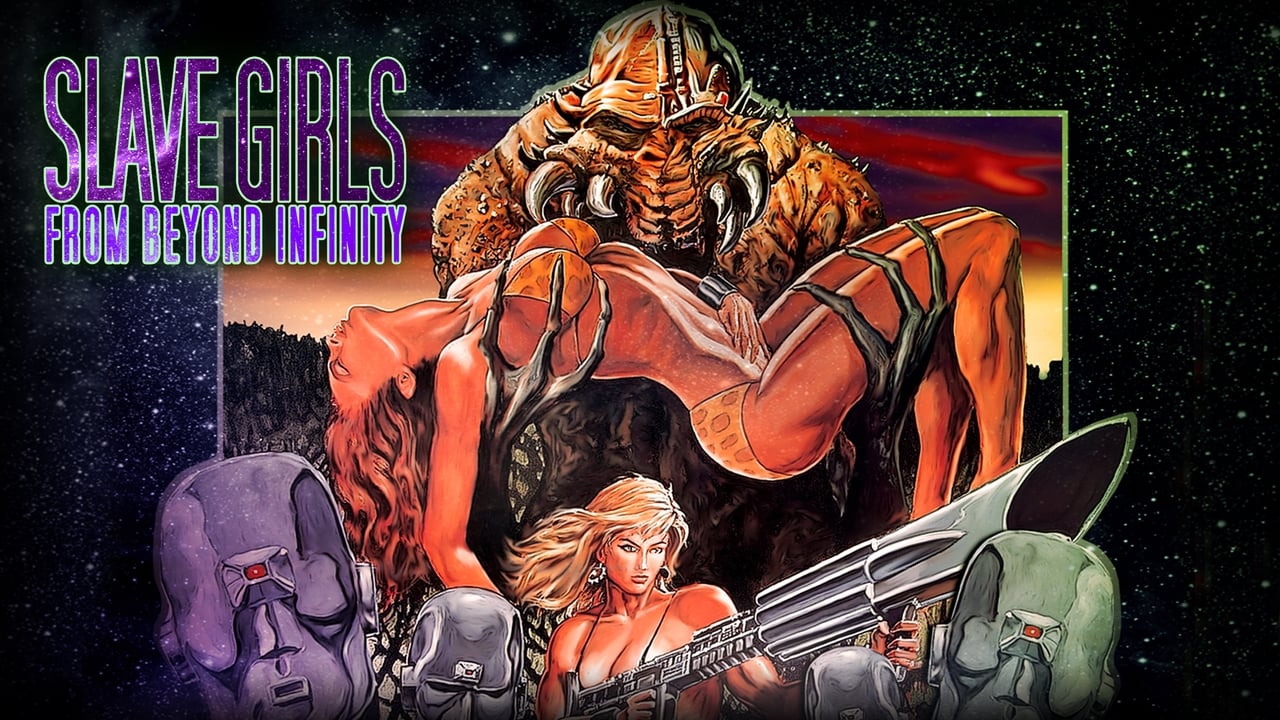
This wasn't a tape you rented expecting Blade Runner. No, this was the kind of film you grabbed when the big hits were out, maybe intrigued by the promise of laser guns and damsels in distress on the cover art. It delivered on that promise, albeit in the most delightfully threadbare way imaginable. The plot kicks off with Daria (Elizabeth Kaitan) and Tisa (Cindy Beal) escaping a brutal space-gulag, only to crash-land their shuttle on a lush, jungle planet. Sounds promising, right? A classic setup for survival and adventure.
### Stranded in Sci-Fi Tropeland
Our heroines quickly discover they aren't alone. The planet serves as a private hunting ground for Zed (Don Scribner), a wealthy, scenery-chewing villain who gets his kicks hunting sentient beings, armed with little more than a Bowie knife and an ego the size of a small moon. Yes, folks, if the premise sounds familiar, it’s because Slave Girls from Beyond Infinity is essentially Richard Connell's classic 1924 short story "The Most Dangerous Game" lovingly (or perhaps lazily) transplanted into a zero-gravity setting, complete with bafflingly ineffective laser weapons and some truly… unique costume choices.
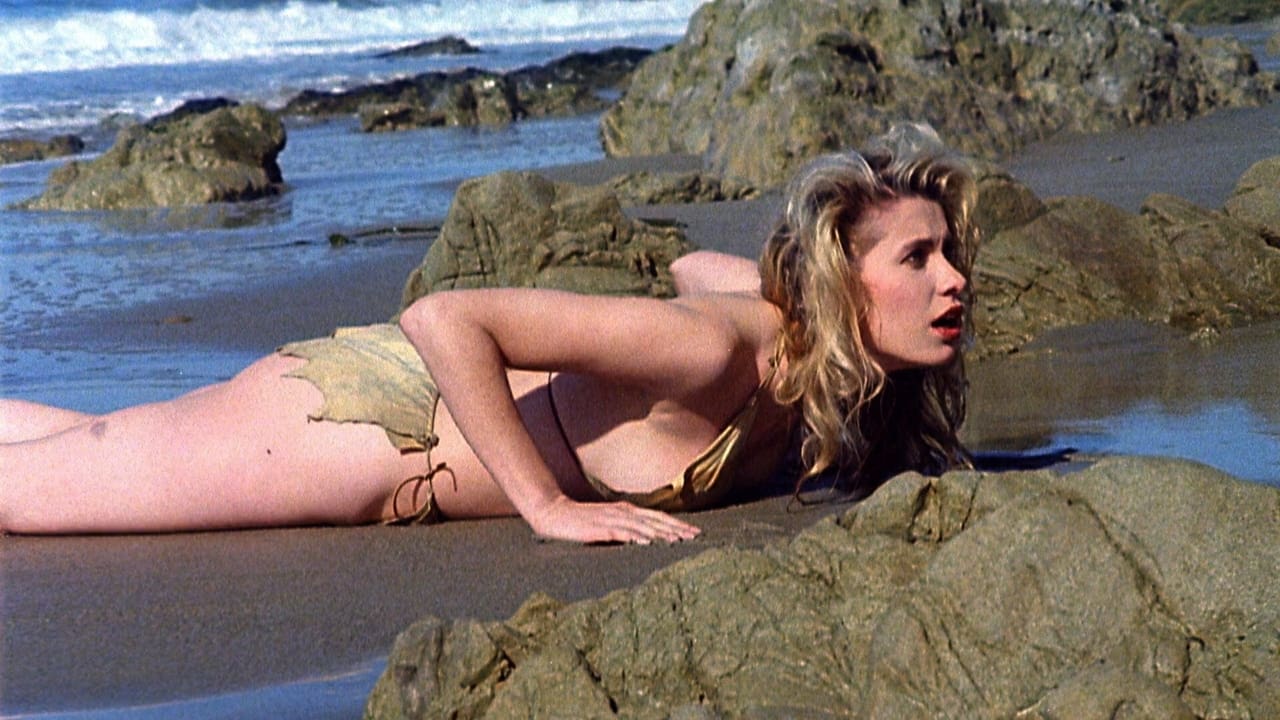
Elizabeth Kaitan, who many of us will remember from genre staples like Friday the 13th Part VII: The New Blood (1988) or the infamous Silent Night, Deadly Night Part 2 (1987), brings a certain wide-eyed determination to Daria. She’s the anchor here, giving us someone to root for amidst the chaos. Cindy Beal as Tisa provides capable support, and Don Scribner clearly relishes his role as the flamboyant hunter Zed, delivering his lines with a theatrical flair that borders on pure camp. It's not Shakespeare, but within the context of this kind of straight-to-video fare, the performances feel perfectly pitched – earnest enough to keep you invested, slightly over-the-top enough to be fun.
### The Beauty of Bronson Canyon Bargain Bin Sci-Fi
Let's talk about the "action" and effects. This is where the film’s minuscule budget really shines through, paradoxically. Forget sleek CGI; this is the era of practical grit, even if that grit is spread incredibly thin. Laser blasts are simple optical glows, explosions look suspiciously like firecrackers, and the alien jungle? That’s largely the familiar, rocky terrain of Bronson Canyon in Los Angeles, a location that’s been home to countless B-movies and TV shows over the decades. You can almost picture the crew setting up shots between takes for MacGyver or something similar.
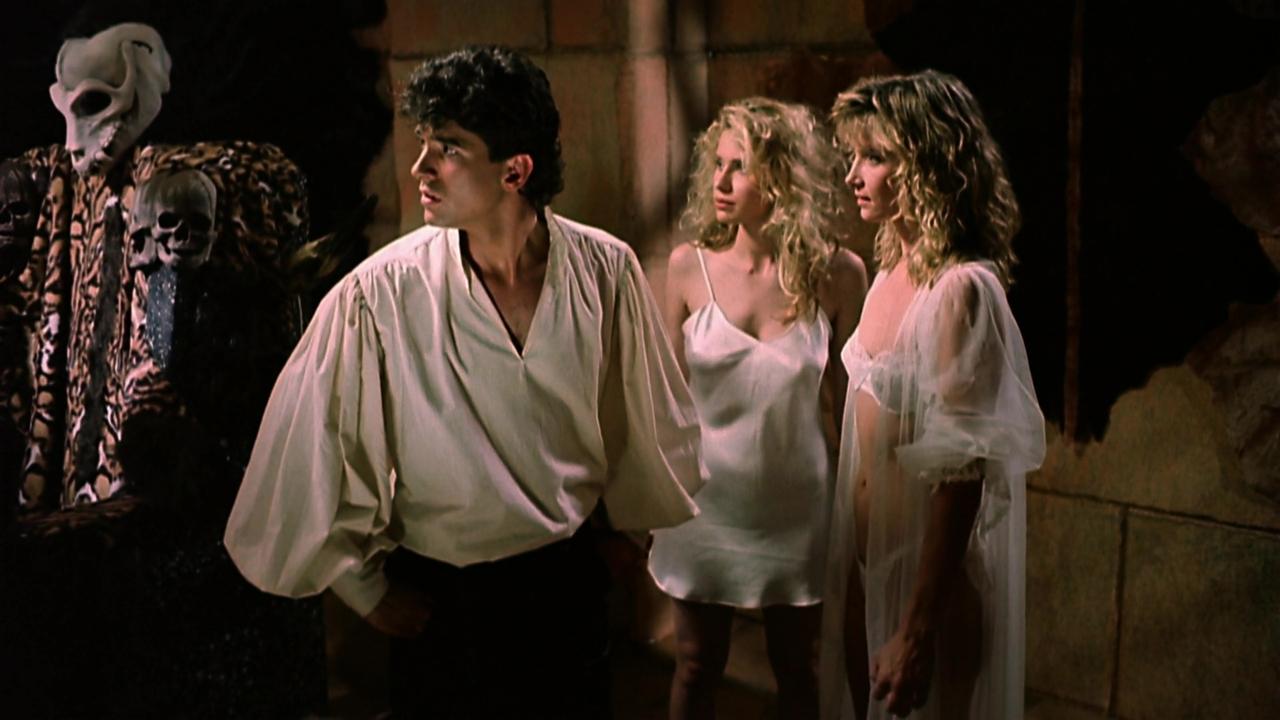
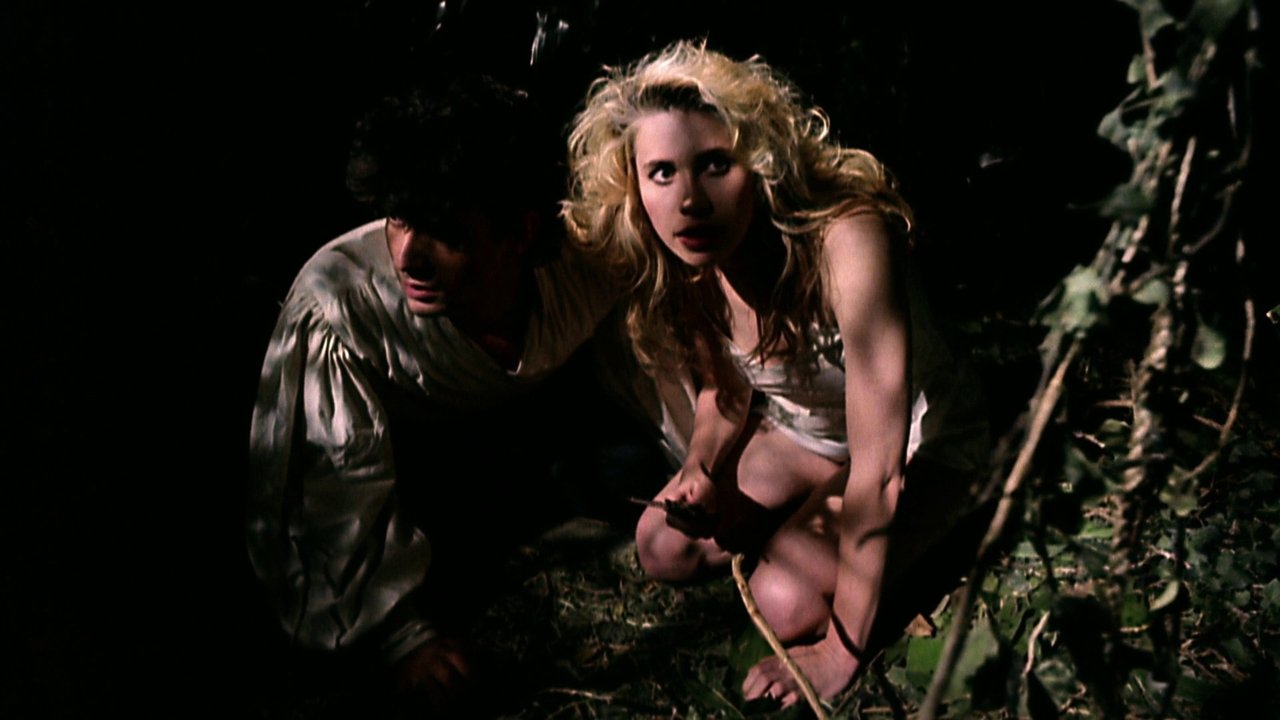
But here’s the thing: there's an undeniable charm to it. You see the limitations, but you also see the effort. Remember how those simple laser effects seemed kind of cool back then, before every other movie had photorealistic beams? Director Ken Dixon (who also penned the script) leans into the chase aspect, keeping our heroines constantly on the move. There isn't complex choreography, but there's a raw feeling to the running and hiding that feels grounded, even amidst the sci-fi trappings.
Here’s a Retro Fun Fact for you: This film was reportedly shot in an astonishingly short 12 days, on a budget hovering around a mere $150,000-$200,000. Knowing that makes the final product feel less like a failure and more like a minor miracle of resourcefulness. Kaitan herself has mentioned the shoot was fun but physically demanding, involving a lot of running in chilly conditions despite the jungle setting. It’s that kind of behind-the-scenes hustle that defined so much low-budget genre filmmaking in the 80s.
### More Than Just Cheesecake?
While the title and premise might suggest pure exploitation, Slave Girls actually keeps things relatively tame by 80s B-movie standards. There's certainly an element of "damsels in distress," but Daria and Tisa display agency and resourcefulness throughout. They aren't just waiting to be rescued; they're actively fighting back against their hunter. The film never quite transcends its pulpy roots or its obvious source material, but it offers a surprisingly straightforward adventure narrative within its schlocky framework.
It wasn't exactly a critical darling upon release (did any straight-to-video titles like this get rave reviews?), but Slave Girls from Beyond Infinity found its audience on home video. It became one of those cult curiosities, passed around among genre fans, appreciated for its unintentional humour, its familiar lead actress, and its sheer audacity in remaking a literary classic with lasers and loincloths. It fits snugly alongside the kind of output you'd expect from Charles Band's Empire Pictures or Full Moon Features, even though it technically came from Urban Classics.
### Final Verdict
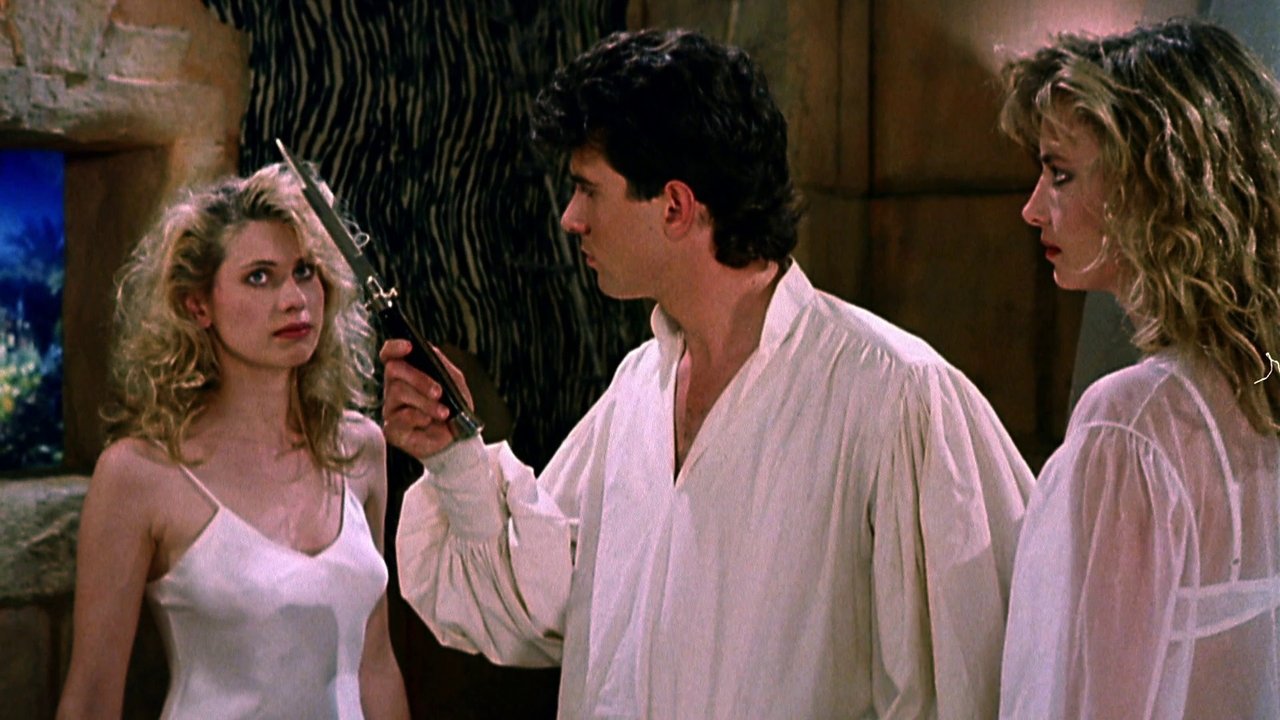
Slave Girls from Beyond Infinity is undeniably silly, derivative, and hampered by its budget at every turn. Yet, there's an infectious energy and a lack of cynicism that makes it hard to truly dislike. It’s a time capsule of low-budget 80s sci-fi filmmaking, warts and all.
Rating: 4/10 - The score reflects the objective limitations (acting, effects, originality), but the enjoyment factor for a fan of pure 80s VHS cheese is arguably higher. It absolutely knows what it is – a low-budget riff on a classic tale, designed for a quick rental thrill.
Final Thought: It’s no lost masterpiece, but Slave Girls from Beyond Infinity is a perfect example of the kind of earnest, slightly goofy, laser-filled fun you could only find scanning the sci-fi aisle at the video store back in the day – a hunt definitely less dangerous, but arguably just as memorable.