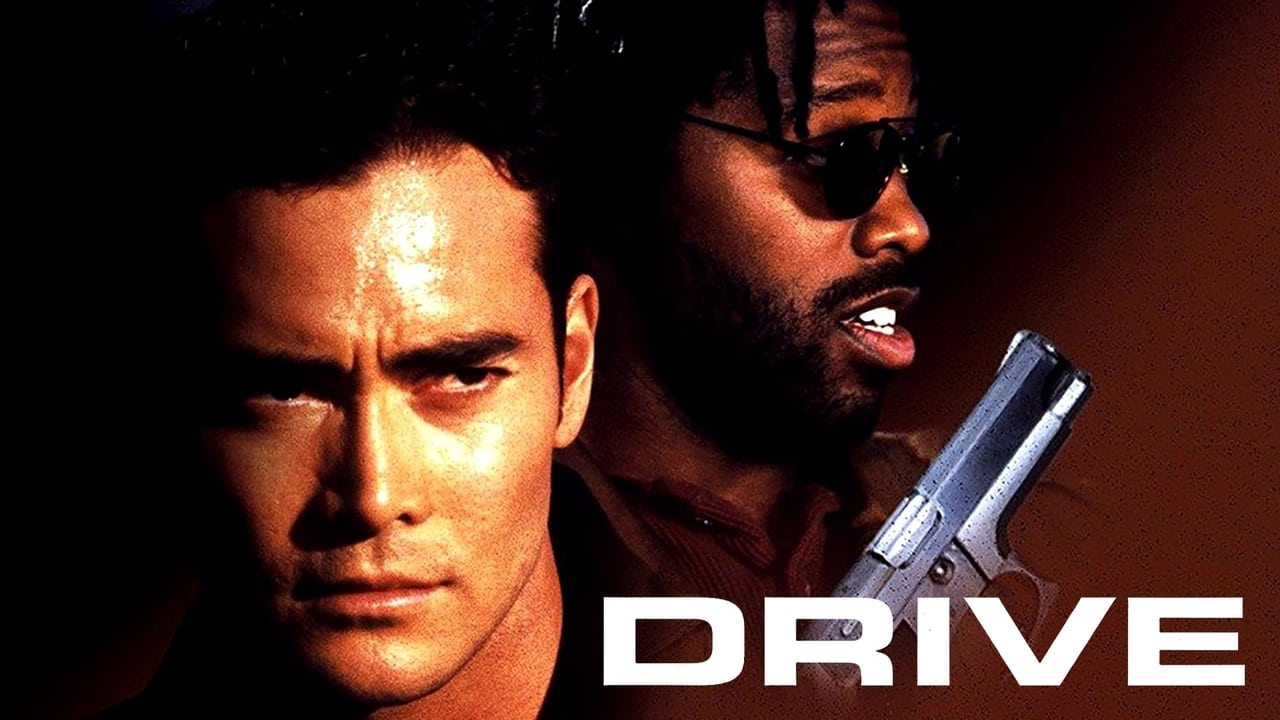
Some VHS tapes just vibrated with potential energy on the rental shelf. The cover art for Steve Wang's Drive (1997) promised explosive action, maybe some futuristic weirdness, but nothing could quite prepare you for the sheer, unadulterated velocity contained within that plastic shell. This wasn't just another direct-to-video actioner; this was a shot of pure adrenaline, a frantic fusion of Hong Kong-inspired wire-fu, buddy comedy charm, and sci-fi body horror that felt like a secret handshake among genre fans lucky enough to stumble upon it.
### Wired for Speed
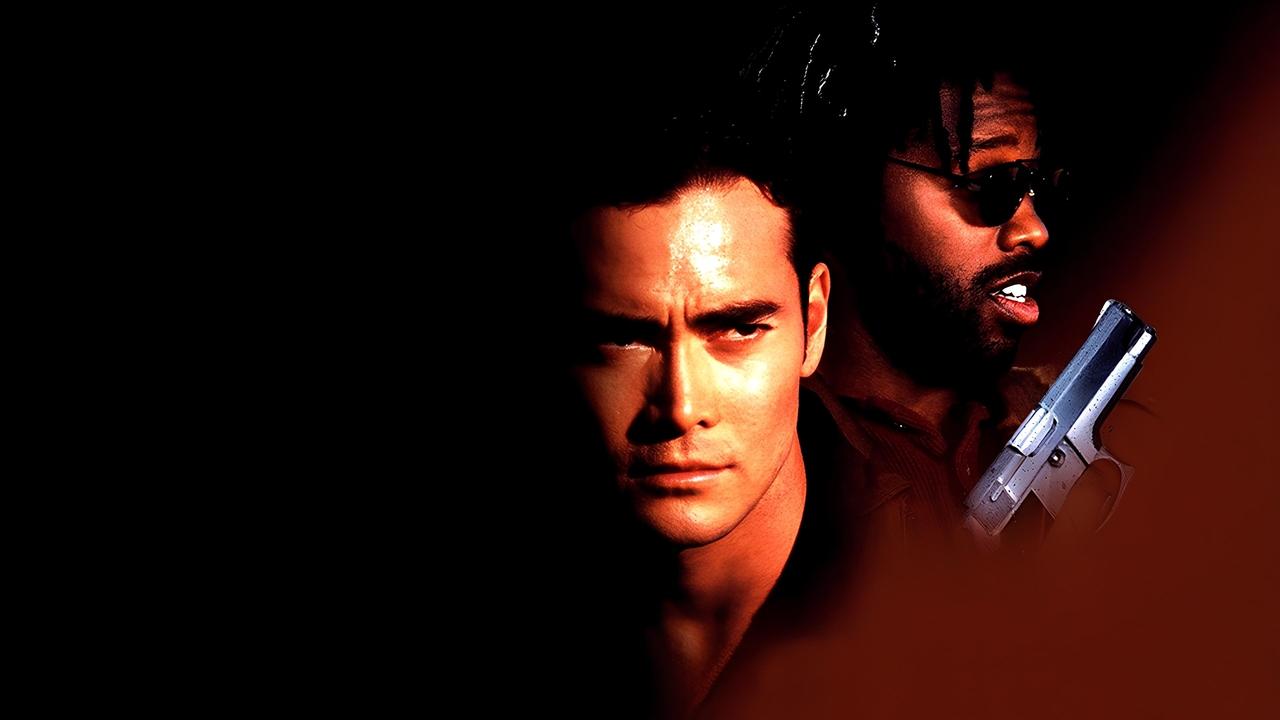
The premise hits the ground running and rarely lets up. Toby Wong (Mark Dacascos) isn't your average guy on the run. Implanted with a bio-engine prototype by mysterious Chinese creators, he possesses superhuman speed and fighting abilities – a living weapon desperately trying to reach Los Angeles to sell the tech to a US company for $5 million and buy his freedom. Hot on his heels are the seemingly endless forces of the Hong Kong corporation, led by the ruthless Vic Madison (John Pyper-Ferguson) and his perpetually frazzled, rocket-launcher-toting henchman, Hedgehog (Tracey Walter). After a chaotic motel shootout, Toby inadvertently takes struggling songwriter Malik Brody (Kadeem Hardison) hostage, kicking off one of the most endearingly mismatched and hyper-kinetic road trips in 90s DTV history.
### The Dacascos Difference
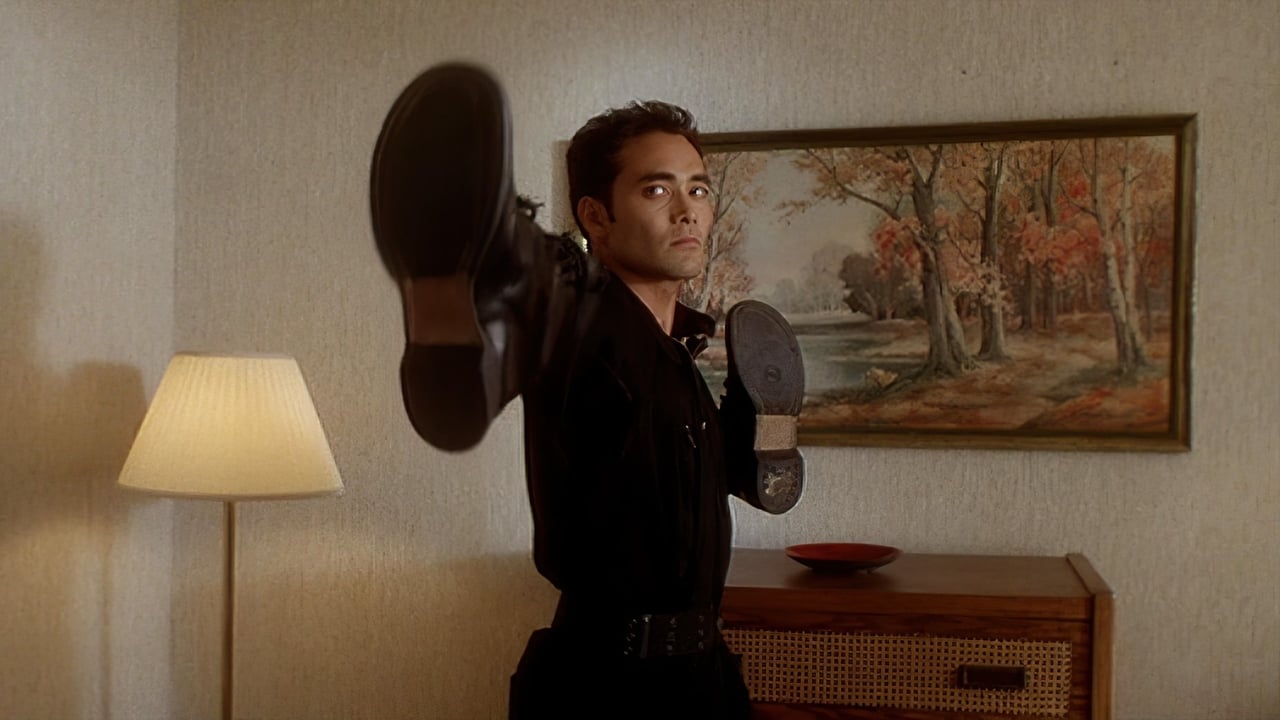
Let's be clear: Drive absolutely belongs to Mark Dacascos. Already showcasing his incredible martial arts skills in films like Only the Strong (1993), here he unleashes a whirlwind of kicks, flips, and pinpoint strikes that feel genuinely groundbreaking for a Western action film of the era. You can see the DNA of what would later explode in films like The Matrix (1999) and John Wick (2014), but delivered with a raw, almost effortless grace. Director Steve Wang, himself a renowned creature designer and effects artist (Predator, Guyver: Dark Hero), clearly understood how to frame Dacascos's physical prowess. There's a story, perhaps apocryphal but perfectly fitting the film's energy, that Wang sometimes just let Dacascos loose in fight scenes, capturing the ensuing controlled chaos. The action choreography is intricate and blisteringly fast, often incorporating the environment in inventive ways – a ladder becomes a weapon, a jukebox explodes under duress, a bathroom brawl achieves operatic levels of destruction. It's exhilarating stuff, the kind that made you rewind the tape just to see how they pulled off that sequence. Remember trying to track those kicks on a fuzzy CRT?
Interestingly, the film many of us rented was often the shorter US cut. Wang later released a Director's Cut, restoring footage and altering the score, which many fans feel enhances the pacing and character moments. The version that landed on HBO (where many likely first saw it) and subsequent VHS/DVD releases often varied, leading to a bit of confusion over which Drive you were actually watching – a classic quirk of the DTV era.
### Not Just Fists and Fury
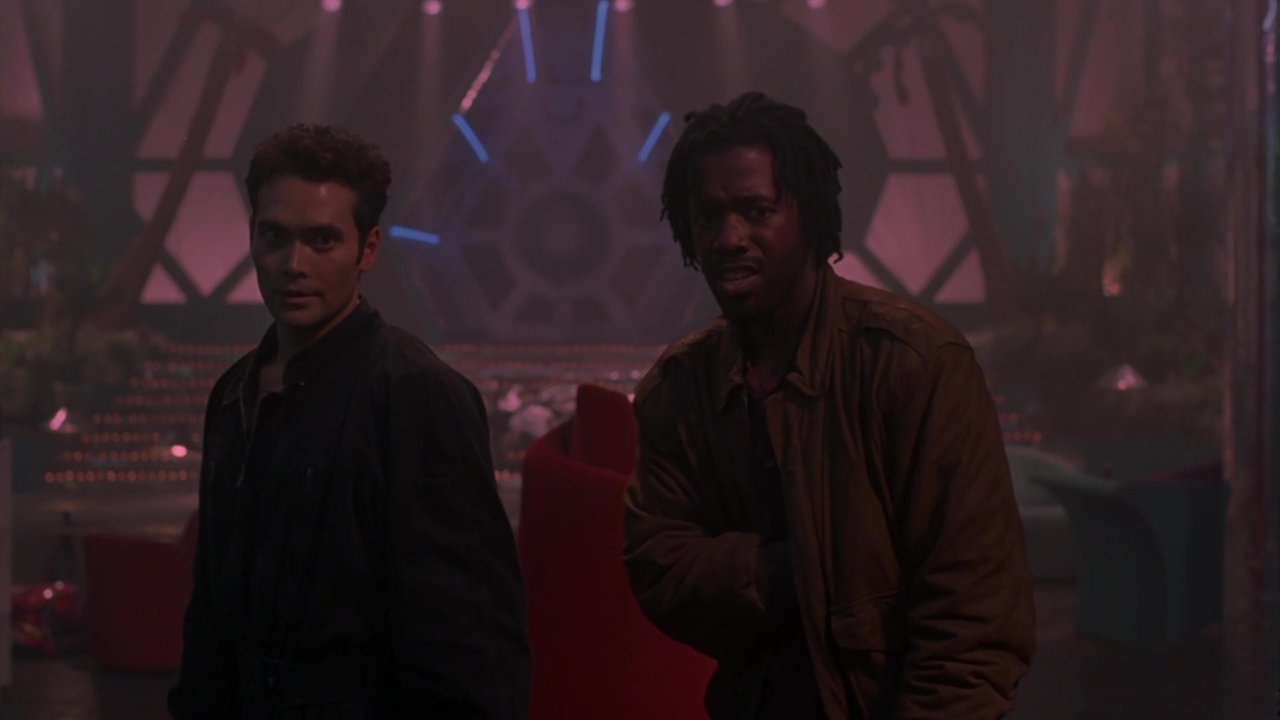
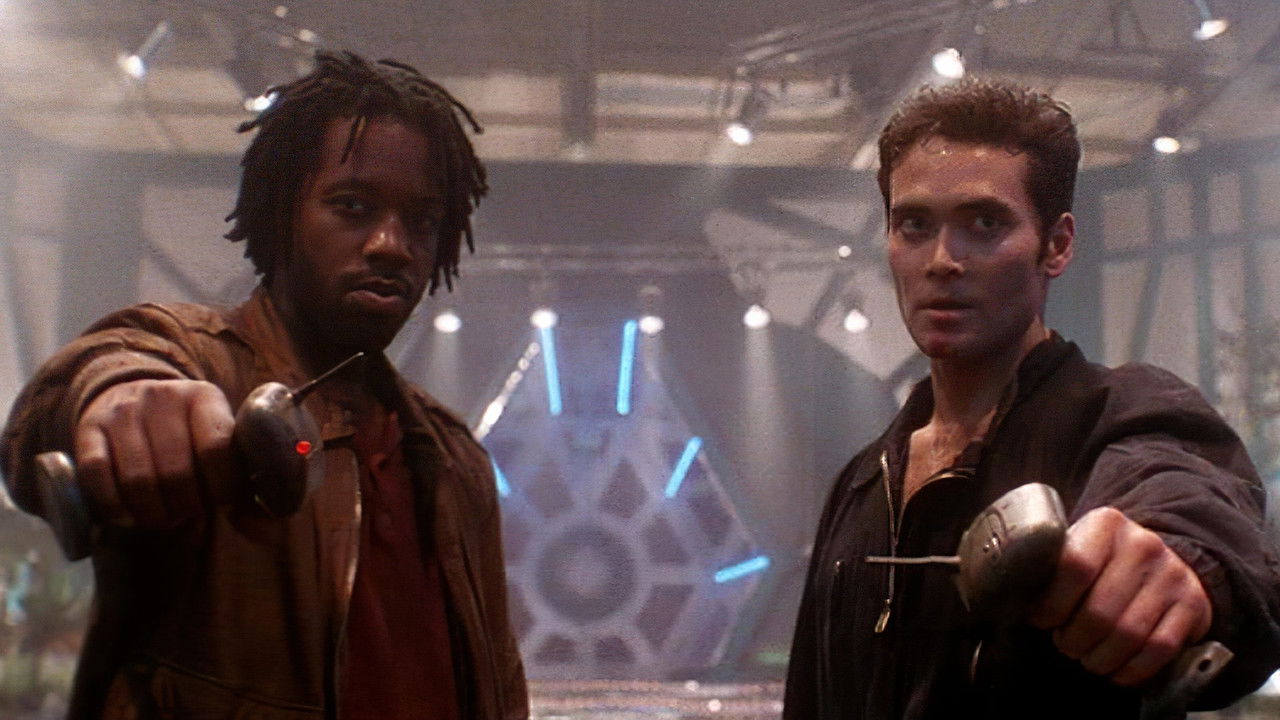
What elevates Drive beyond just a stunt showcase is the unexpected chemistry between Dacascos and Kadeem Hardison. Hardison, primarily known then for his comedic timing on A Different World, brings a necessary grounding and relatability to the escalating madness. His reactions – ranging from sheer terror to eventual, bewildered acceptance – provide the audience surrogate and generate genuine laughs. The banter between the stoic, almost robotic Toby and the perpetually exasperated Malik forms the film's heart. It’s a classic buddy-cop dynamic dropped into a sci-fi blender, and somehow, it works beautifully. Their developing friendship feels earned amidst the explosions and impossible fights.
The villains, too, are memorable caricatures. John Pyper-Ferguson chews the scenery with glorious abandon as Vic Madison, a corporate cowboy assassin whose drawling threats and obsessive pursuit are almost charmingly over-the-top. And Tracey Walter as Hedgehog? His bewildered grumbling and penchant for excessive firepower provide some wonderfully dark comic relief. He feels like a henchman plucked straight from a Shane Black script.
### Behind the Bio-Boost
Wang's background in practical effects shines through, particularly in the glimpses we get of the bio-engine tech. While the CGI is understandably dated, the physical elements and the idea of this implanted performance enhancer retain a certain unsettling quality. The budget was clearly not limitless – reportedly around $3.5 million, a modest sum even then – but Wang and his team stretched every dollar, focusing on intricate fight choreography and practical stunt work over expensive digital fixes. It gives the film a tangible, grounded feel even amidst its fantastical premise. Shot primarily around Southern California, the familiar desert highways and roadside motels become the backdrop for extraordinary chaos. The initial reception was muted, given its direct-to-video and cable premiere status, but Drive quickly gained a passionate cult following, passed around on tapes and celebrated in online forums as an underrated gem. Its influence on action choreography, while perhaps indirect, feels undeniable when watching action films that followed.
### Final Gear Shift
Drive is pure, unpretentious fun, a relic from an era where ambitious action films could still sneak onto video store shelves and blow unsuspecting viewers away. It’s a testament to Mark Dacascos's phenomenal physical talent, Steve Wang's kinetic direction, and the surprising effectiveness of its central buddy dynamic. Sure, some dialogue might induce a cringe, and the plot isn't exactly reinventing the wheel, but the sheer energy, inventiveness of the action, and genuine heart make it endlessly rewatchable. It’s the kind of film that reminds you why hunting through those VHS racks felt like uncovering treasure. Doesn't that final fight sequence in the karaoke bar still feel ridiculously awesome?
Rating: 8/10
Justification: The score reflects the film's exceptional action choreography, Dacascos's star-making performance, the genuinely funny and effective buddy chemistry, and its status as a standout cult classic of 90s DTV action. While hampered slightly by budget limitations and some cheesy elements typical of the era, its sheer energy and rewatchability make it a high-tier gem for genre fans.
Final Thought: In the vast wasteland of 90s direct-to-video action, Drive stands tall as a hyper-charged, surprisingly charming anomaly that absolutely deserved a wider audience back in the day.