### That Lingering Ache
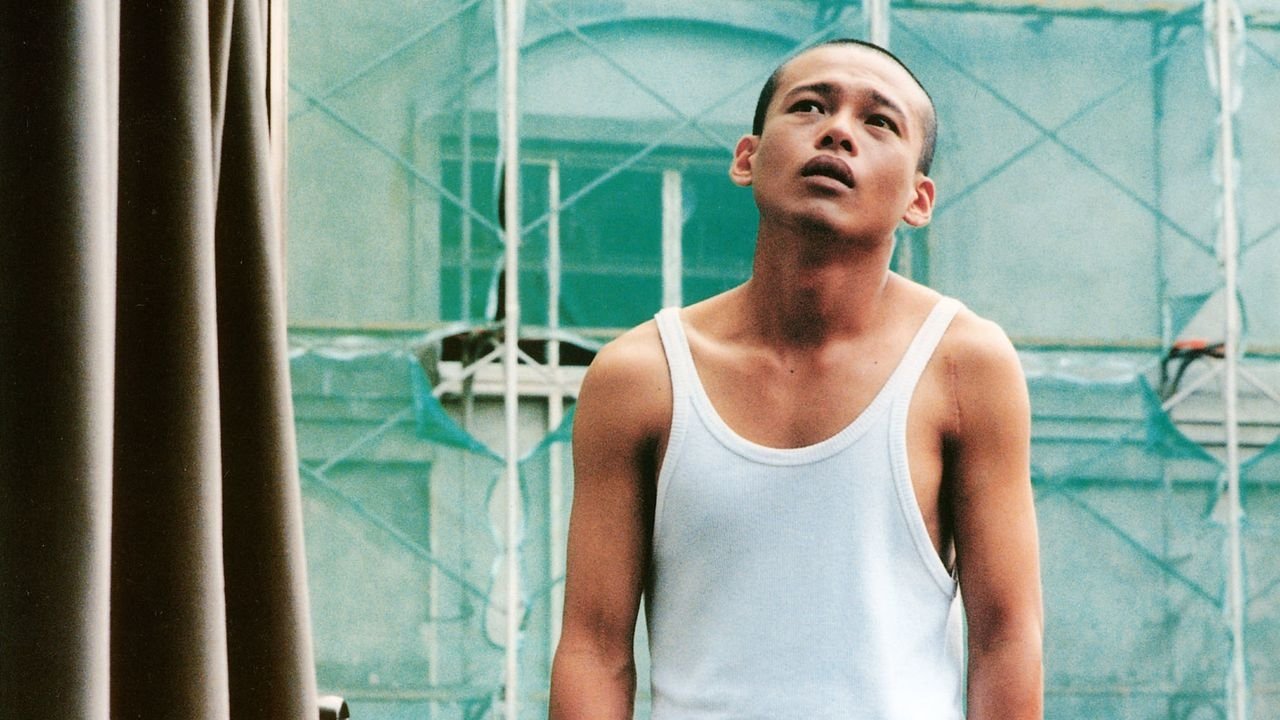
Some films offer escape, a comfortable journey into familiar territory. Others lodge themselves under your skin, leaving a persistent, unsettling ache long after the tape spools to its end. Tsai Ming-liang's 1997 work, The River (河流, He Liu), is unequivocally the latter. Watching it again, years after first encountering its stark beauty on a worn VHS tape probably sourced from the 'World Cinema' shelf at the back of the store, the feeling remains potent – a profound sense of urban malaise captured with uncompromising artistry. It's not a comfortable watch, never was, but its power is undeniable.
### Adrift in the City
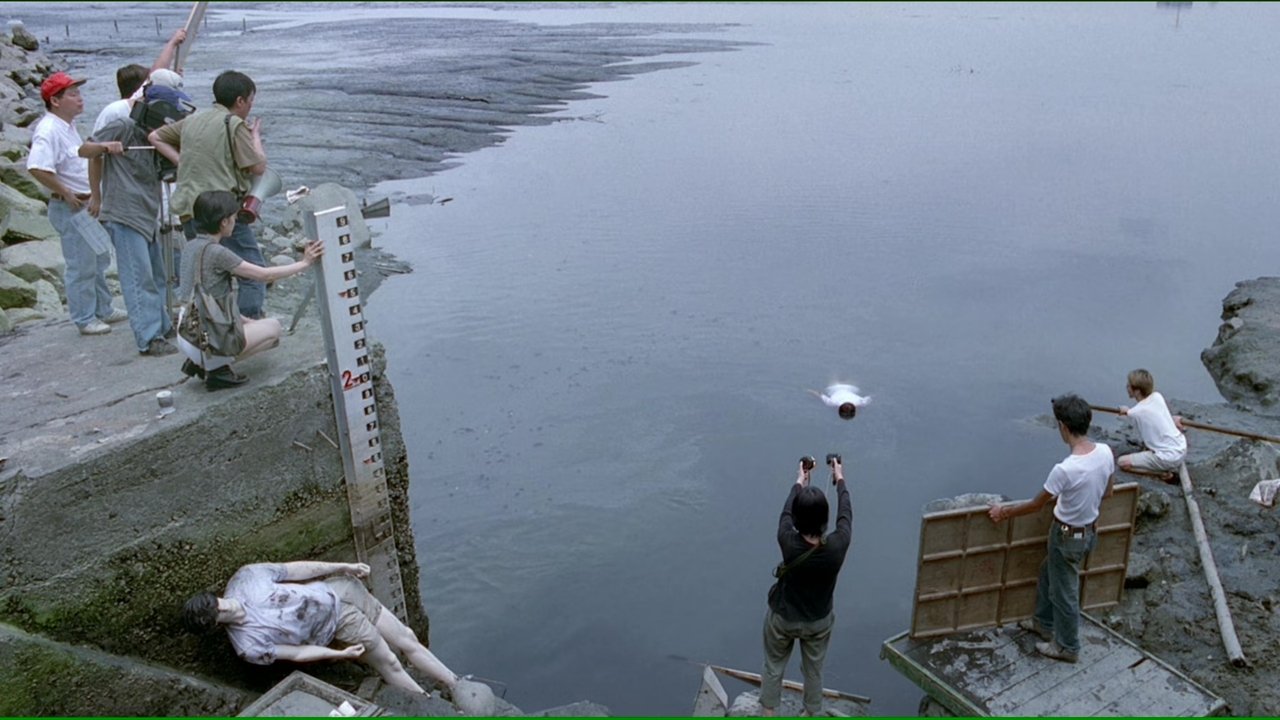
The premise sounds deceptively simple: Xiao-kang (Lee Kang-sheng, Tsai's perennial muse) develops a mysterious, excruciating pain in his neck after agreeing to play a corpse floating in the notoriously polluted Tamsui River for a film shoot (a cameo role directed by Ann Hui, a nice touch for Hong Kong cinema buffs). This inexplicable ailment becomes the fractured narrative's anchor, sending Xiao-kang and his estranged parents (Miao Tien and Lu Yi-ching) on a desperate, meandering search for a cure through the humid, decaying landscape of Taipei.
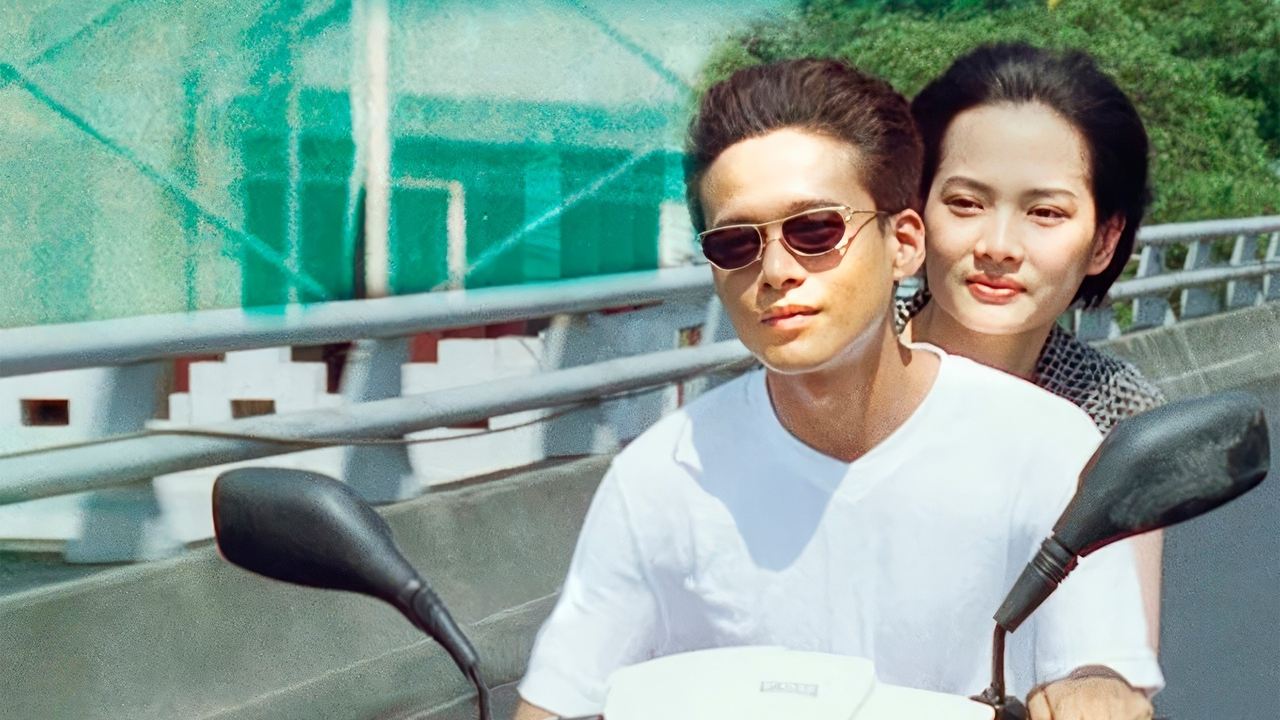
But The River isn't really about the neck pain, is it? It’s a physical manifestation of a deeper sickness: the profound isolation and communication breakdown poisoning this small family unit. They inhabit the same cramped apartment, yet exist in separate, lonely orbits. The Father cruises gay saunas seeking anonymous encounters. The Mother carries on a sterile affair with a pirated laserdisc vendor. Xiao-kang drifts aimlessly, his pain a constant, visible barrier. Tsai uses their apartment not as a home, but as a collection of silent chambers, connected by hallways but devoid of connection itself. Remember those long, static shots common in late 90s art-house cinema? Tsai masters them here, forcing us to sit with the characters in their uncomfortable silence, observing the distance that words fail to bridge.
### The Weight of Silence
The lack of dialogue is striking. Characters rarely speak, and when they do, it’s often functional or fraught with misunderstanding. Their true feelings surface not in words, but in gestures, gazes, and the sheer physical presence of their bodies within Tsai's meticulously composed frames. Lee Kang-sheng's performance is extraordinary. His suffering feels utterly real, a constant, agonizing weight. And here lies a fascinating piece of behind-the-scenes reality that deepens the film: Lee actually developed a persistent neck pain years before filming, the cause unknown, which Tsai Ming-liang then incorporated directly into the script. Knowing this transforms Xiao-kang’s affliction from a mere plot device into something unsettlingly authentic, blurring the line between actor and character, fiction and reality. It's a testament to Lee's commitment and Tsai's willingness to draw from lived experience.
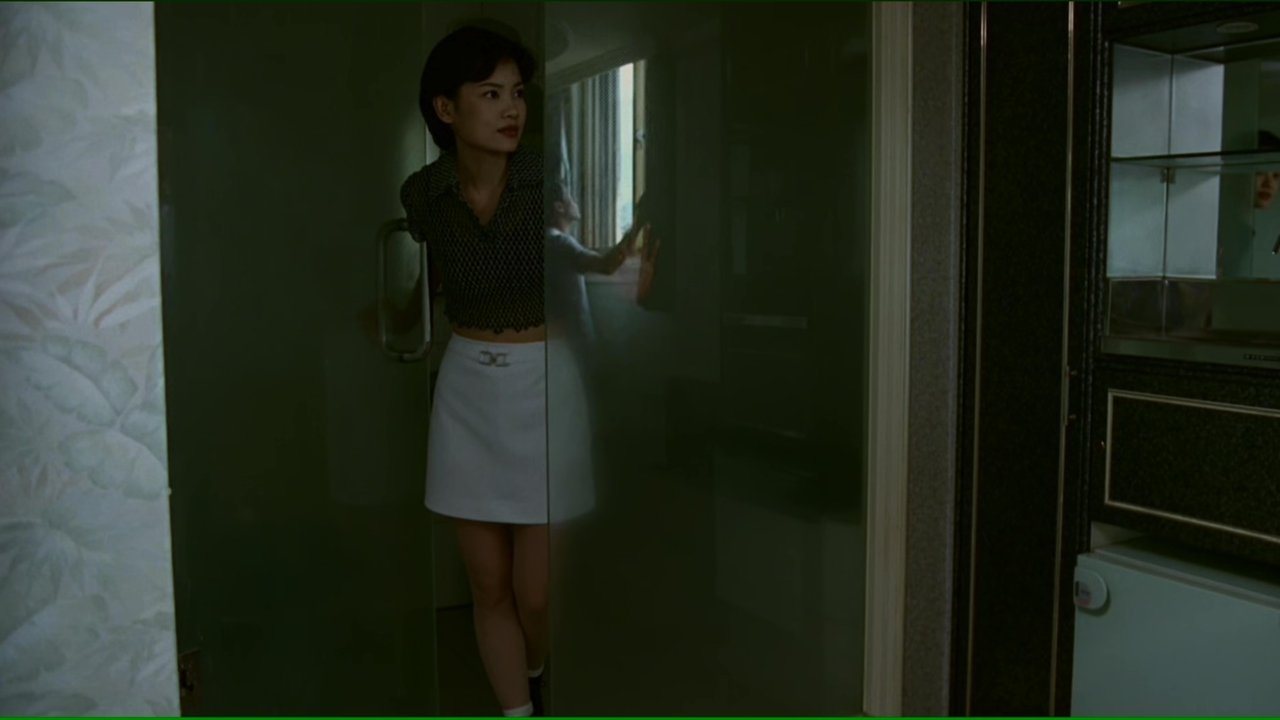
His parents are equally compelling. Miao Tien, a veteran actor often seen in King Hu's wuxia classics, brings a quiet gravity to the Father, his furtive glances and weary posture speaking volumes about his hidden life and unspoken regrets. Lu Yi-ching perfectly embodies the Mother's simmering frustration and loneliness, trapped in a life that offers little solace. Their shared scenes are thick with unspoken history and disappointment.
### Water, Decay, and Seeking Relief
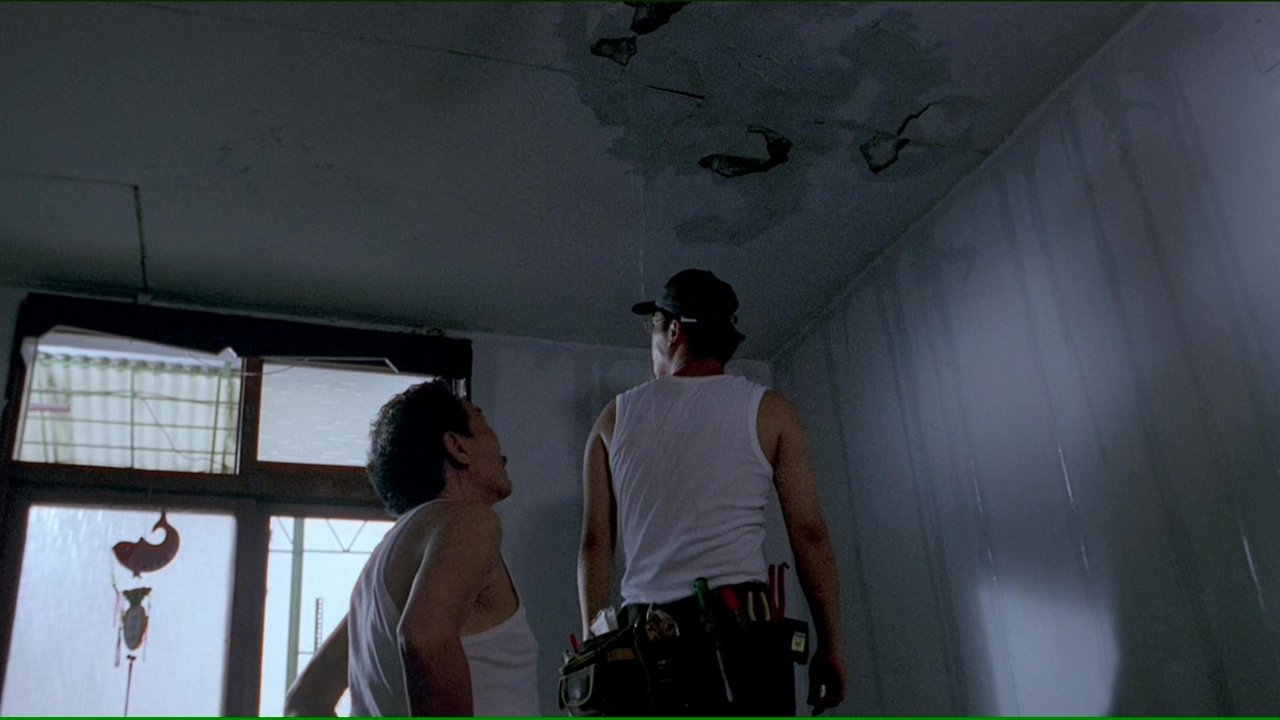
Water is a recurring, deeply ambivalent motif. The polluted Tamsui River, the source of Xiao-kang's ailment, represents contamination – physical and perhaps spiritual. Yet, water also symbolises cleansing and release, seen in the bathhouses and the constant leaks plaguing the family apartment (a signature Tsai element!). It's as if the city itself is weeping, its infrastructure mirroring the characters' emotional decay. The search for a cure takes them through temples, hospitals, and dubious healers, highlighting a society grappling with modernity while clinging to ancient traditions, neither offering a clear path forward.
The film famously culminates in a dark, controversial sequence set within a gay sauna. Spoiler Alert! The accidental, anonymous encounter between father and son is shocking, a devastating symbol of their profound disconnect and the desperate, misguided search for intimacy in a world that denies it. It’s a moment that pushes boundaries, even today, forcing a confrontation with repressed desires and the tragic consequences of silence. It’s not gratuitous; it’s the narrative’s bleak, logical endpoint. End Spoiler Alert!
### Why It Stays With You
Watching The River isn't about easy entertainment. It's demanding, slow, and often deeply uncomfortable. Its depiction of urban alienation, sexual repression, and familial breakdown offers little in the way of hope or resolution. Yet, its power lies in its unflinching honesty and masterful craft. Tsai Ming-liang, already established with Rebels of the Neon God (1992) and Vive L'Amour (1994), cemented his status as a major voice in world cinema with this film, which snagged the Silver Bear - Special Jury Prize at the 47th Berlin International Film Festival.
The film feels intensely specific to late 90s Taipei, yet its themes resonate universally. Doesn't that feeling of being disconnected, even when surrounded by others, echo in our own hyper-connected but often isolating digital age? The search for meaning, for relief from inexplicable pains both physical and emotional, remains a profoundly human struggle.
Rating: 9/10
This rating reflects the film's artistic brilliance, its courageous exploration of difficult themes, and the unforgettable performances, particularly Lee Kang-sheng's embodiment of suffering rooted in real-life affliction. It's a challenging masterpiece that earns its place not just within Tsai Ming-liang's formidable filmography, but as a landmark of 90s world cinema. It loses a point only because its deliberate pace and bleakness make it a film demanding significant patience and emotional investment from the viewer – it's undeniably brilliant, but certainly not for everyone or every mood.
The River doesn't offer easy answers or catharsis. Instead, it leaves you contemplating the quiet tragedies unfolding in the spaces between words, the currents of unspoken desires pulling families apart, and that persistent, lingering ache that speaks of a deeper human condition. A true artifact of challenging, rewarding 90s art-house filmmaking, best experienced when you're ready to truly feel something profound.