It often starts quietly, doesn't it? That creeping sense of unease. In Ivan Passer's Cutter's Way (1981), it begins not with a bang, but with rain-slicked streets glimpsed through a car window, a moment of ambiguous observation that spirals into obsession. This isn't your typical neon-soaked 80s thriller; it's something slower, more sun-baked and corrosive, a film that feels less like a tightly plotted mystery and more like watching scar tissue form over a deep wound. It lingered long after the tracking adjusted on my old VCR back in the day, and revisiting it now, its power hasn't faded – if anything, the disillusionment it captures feels unnervingly contemporary.
Sunlight and Shadow in Santa Barbara
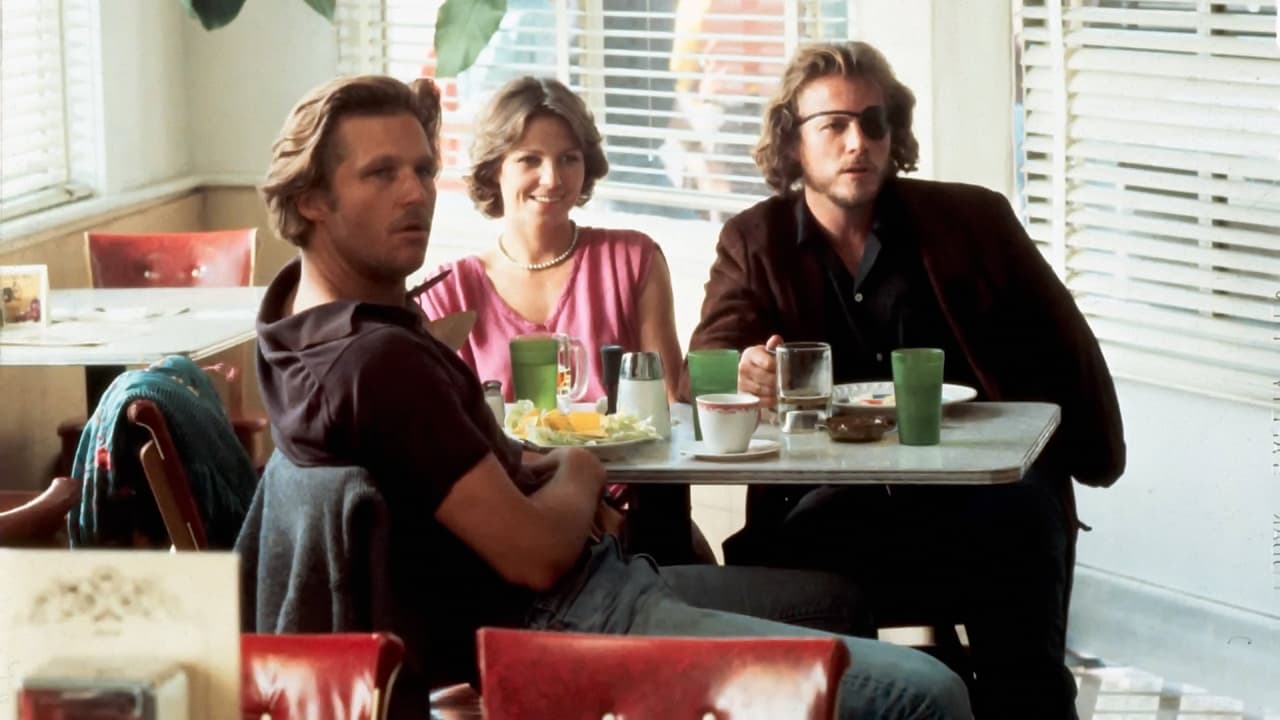
The film introduces us to Richard Bone (Jeff Bridges), a man adrift in the hazy sunshine of Santa Barbara. He’s charming in a lazy, non-committal way, working sporadically, living loosely. One stormy night, his car breaks down, and he witnesses someone dumping something – possibly a body – into an alleyway. When a young woman is found murdered nearby, Bone becomes a reluctant witness, identifying local oil tycoon J.J. Cord (Stephen Elliott) as potentially being at the scene. But Bone, true to his nature, would rather let it slide. He embodies a certain post-70s fatigue, a desire to avoid confrontation, to just… float.
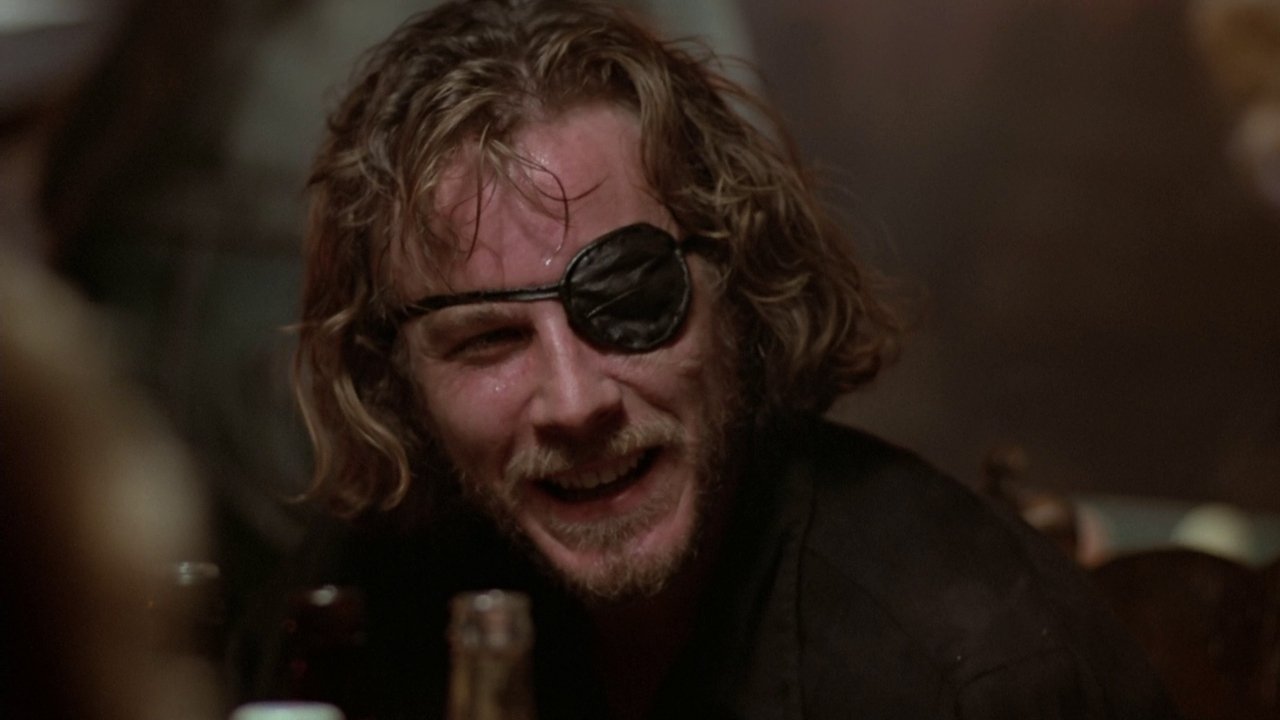
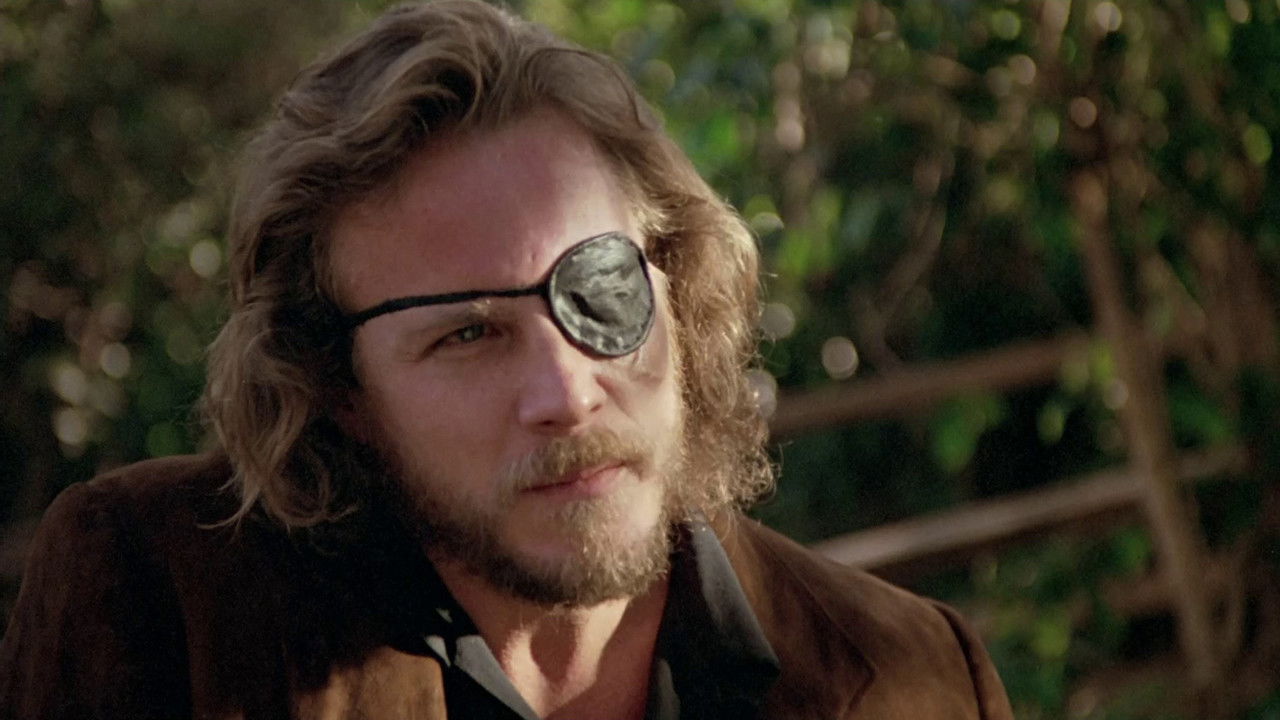
Enter Alex Cutter (John Heard). Cutter is Bone’s best friend, a Vietnam veteran who returned home missing an eye, a leg, and harboring a universe of rage beneath a cynical, often brilliantly sharp wit. Heard’s performance here isn't just acting; it's a raw nerve exposed. He vibrates with an intensity that's both magnetic and terrifying. Hearing Bone’s story, Cutter doesn't see ambiguity; he sees proof. He latches onto the idea that the powerful, untouchable Cord is the killer, constructing a narrative fueled by his own deep-seated resentment of the wealthy elite and the system that chewed him up and spat him out. It becomes his crusade, pulling Bone and Cutter's weary, alcoholic partner Mo (Lisa Eichhorn) into its increasingly dangerous orbit.
A Conspiracy Born of Pain
What makes Cutter's Way so compelling is that it’s less concerned with if Cord did it, and more with the why behind Cutter's obsession. Is he a truth-seeker, or is he projecting his own trauma and disillusionment onto the situation? The film masterfully walks this line. Cutter’s theories, while fueled by paranoia, often possess a chilling logic born from his experiences. He sees the rot beneath the polished surface of society, the casual cruelty of power that Bone prefers to ignore. John Heard delivers a performance for the ages, capturing Cutter's physical disability not as a limitation, but as a constant, visible manifestation of his internal fury and fractured worldview. His verbal sparring, his sudden shifts from camaraderie to vitriol, are utterly captivating. I remember first watching this and being genuinely unsettled by Cutter – you couldn't look away, but you also felt the profound tragedy simmering beneath his aggression.
Caught between these two damaged men is Mo. Lisa Eichhorn gives a performance of heartbreaking subtlety. She’s the anchor attempting to hold these drifting souls, yet she’s drowning herself in alcohol and quiet desperation. Her affection for both men is palpable, as is her exhaustion with their destructive dynamic. Her scenes ache with unspoken longing and resignation, providing the film's bruised emotional core. There's a weariness in her eyes that speaks volumes about the collateral damage of Cutter's war – both the one overseas and the one he wages daily.

From Flop to Cult Phenomenon
It’s fascinating to recall that Cutter's Way had a bumpy road. Originally titled Cutter and Bone, after Newton Thornburg's source novel, United Artists reportedly lost faith after poor test screenings, changing the title and giving it a minimal release. It nearly vanished, a fate undeserved for such a potent piece of filmmaking. Thankfully, critical champions and a subsequent re-release by UA Classics helped it find its audience, cementing its status as a quintessential piece of early 80s neo-noir and a cult classic. Director Ivan Passer, who had been part of the Czech New Wave before coming to America, brings a distinctly European sensibility. He prioritizes mood, character, and the suffocating atmosphere over slick plotting. The Santa Barbara setting, usually depicted as idyllic, here feels oppressive, its relentless sunshine exposing rather than warming. Jack Nitzsche's haunting score further amplifies the sense of dread lurking beneath the surface.
Passer, who replaced original director Robert Mulligan (To Kill a Mockingbird), wasn't known for conventional thrillers, having directed quieter dramas like Born to Win (1971). This background likely contributed to the film's focus on the psychological toll on its characters rather than straightforward suspense mechanics. The film reportedly cost around $3 million, a modest sum even then, and its initial box office failure underscores how challenging, character-driven dramas often struggled against the rising tide of 80s blockbusters. It’s a testament to the film’s quality that it endured despite these initial setbacks.
The Weight of Witnessing
What truly stays with you after Cutter's Way is its ambiguity and its profound sadness. Jeff Bridges, in a role that foreshadows some of his later iconic laid-back characters but imbued with a deeper melancholy, perfectly captures the paralysis of the passive observer. Bone’s journey is about the dawning, uncomfortable realization that inaction has consequences, that looking away doesn't absolve you. Does Cutter ultimately find the truth, or does he simply force a conclusion that fits his worldview? The film doesn't offer easy answers. It leaves you contemplating the nature of truth, the corrosive effects of trauma, and the desperate ways we try to make sense of a world that often feels senseless. Doesn't that struggle, in different forms, still resonate today?

Rating: 9/10
Cutter's Way earns this high rating for its trifecta of absolutely stunning central performances, its masterful control of tone and atmosphere, and its unflinching exploration of dark, complex themes. Heard is a force of nature, Bridges captures wounded passivity perfectly, and Eichhorn provides the aching heart. Passer's direction is subtle yet deeply effective, creating a unique sun-drenched noir that feels both specific to its time and timeless in its concerns. Its initial commercial failure only adds to its mystique as a lost gem rightfully rediscovered.
It’s a challenging, sometimes uncomfortable watch, but a deeply rewarding one – a potent reminder from the shelves of VHS Heaven that some wounds never quite heal, they just change shape.