Here we are, fellow travelers through the magnetic tape maze, back in the glow of the cathode ray tube. Tonight, let's pull a slightly different kind of film from the shelf – not a high-octane blockbuster or a creature feature, but something far more chilling because it’s tragically real. I'm talking about Harold Becker's 1979 adaptation of Joseph Wambaugh's devastating true crime book, The Onion Field. This wasn't the kind of tape you'd grab for a Friday night party, but I distinctly recall seeing its stark cover art staring out from the drama section of the local Video King, promising something heavier, something that would stick with you long after the VCR clicked off. And stick it does.
### Beyond the Badge
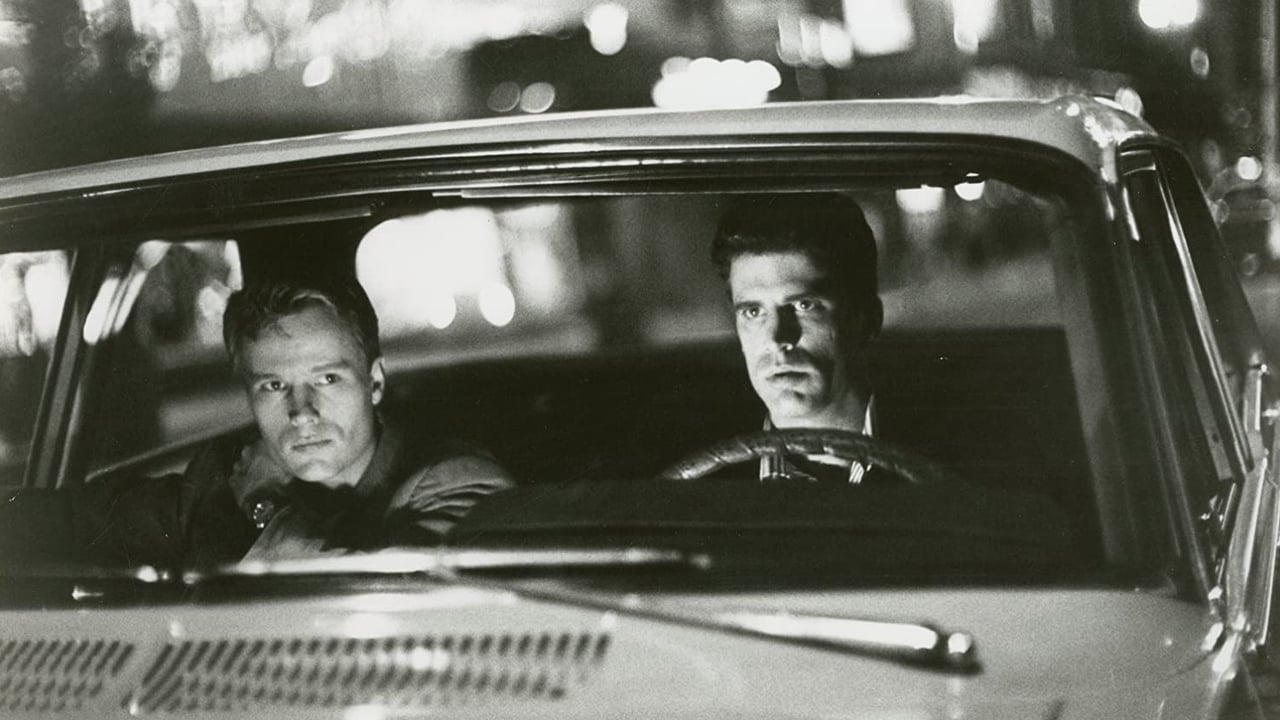
What strikes you immediately about The Onion Field is its refusal to be a conventional cop movie. Wambaugh, a former LAPD detective himself, penned both the book and the screenplay, and his insider's perspective permeates every frame. This isn't about heroic shootouts or slick detective work; it's about the vulnerability behind the badge, the systemic failings, and the crushing psychological weight carried by those who survive the unimaginable. The film meticulously reconstructs the 1963 kidnapping of two plainclothes LAPD officers, Ian Campbell (Ted Danson, in a poignant early role) and Karl Hettinger (John Savage), by small-time criminals Greg Powell (James Woods) and Jimmy "Youngblood" Smith (Franklyn Seales). The journey leads them fatefully to that desolate agricultural field near Bakersfield, California – a place that becomes a symbol of profound loss and enduring trauma.
### A Portrait of Trauma
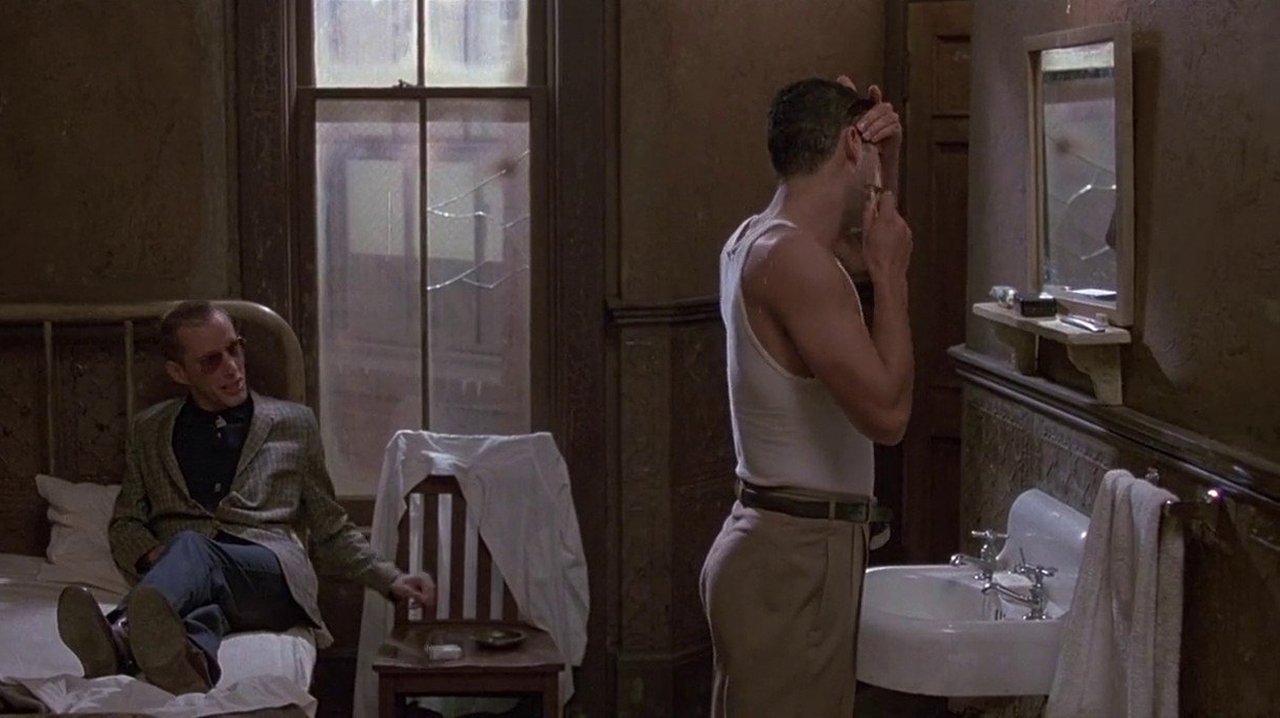
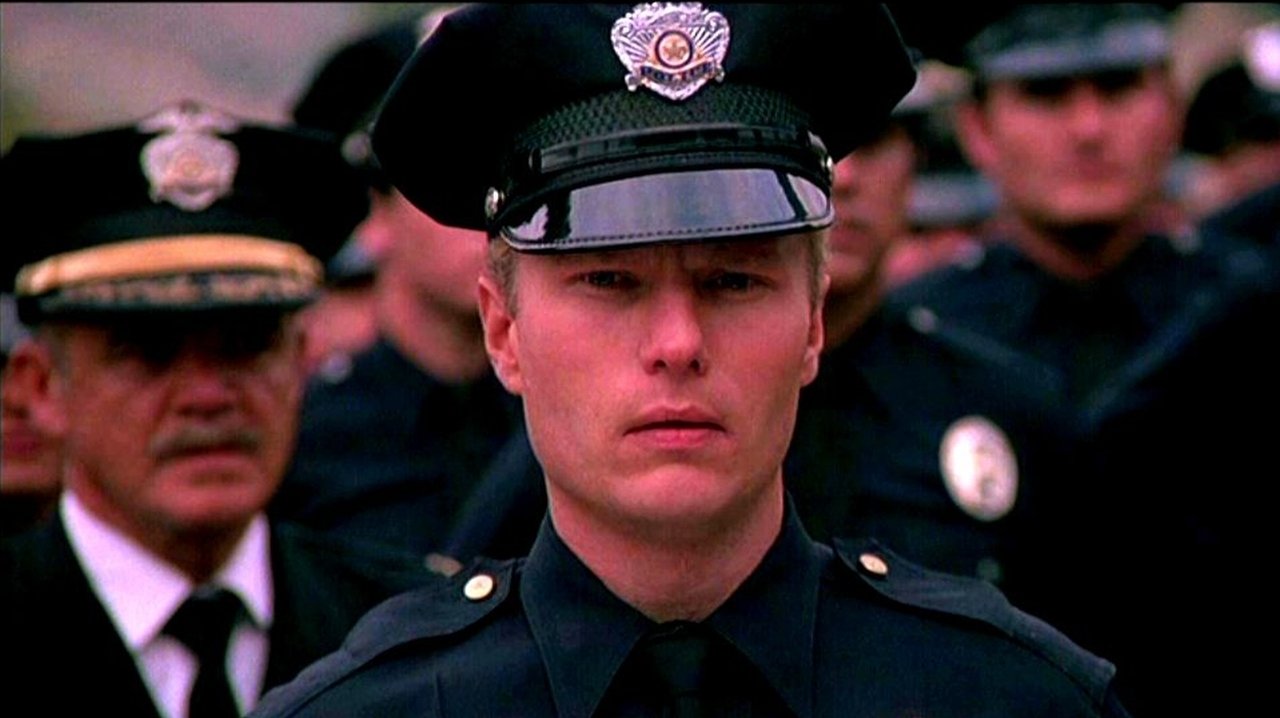
The film's power resides less in the crime itself – though Becker stages it with a harrowing, matter-of-fact tension – and more in its unflinching depiction of the aftermath. John Savage delivers a performance of agonizing authenticity as Karl Hettinger. We watch a capable officer unravel, consumed by survivor's guilt, PTSD (long before the term was common household language), and the quiet judgment of colleagues who couldn't comprehend his actions that fateful night. Hettinger’s surrender of his weapon, following department policy at the time to avoid escalating the situation, became a point of agonizing internal and external conflict. Savage portrays this descent with a sensitivity that’s almost painful to watch; his haunted eyes and palpable anxiety convey a man broken not just by the event, but by its lingering shadow. It forces us to ask: what does survival truly cost?
Becker’s direction mirrors this internal focus. The film feels deliberately unadorned, almost documentary-like in its approach. There's little stylistic flourish, allowing the raw emotions and the stark reality of the situation to take center stage. The muted colour palette and the ordinary settings – cramped apartments, sterile courtrooms, lonely highways – underscore the sense that this tragedy unfolded within the fabric of everyday life, making it all the more unsettling.
### The Magnetism of Malevolence
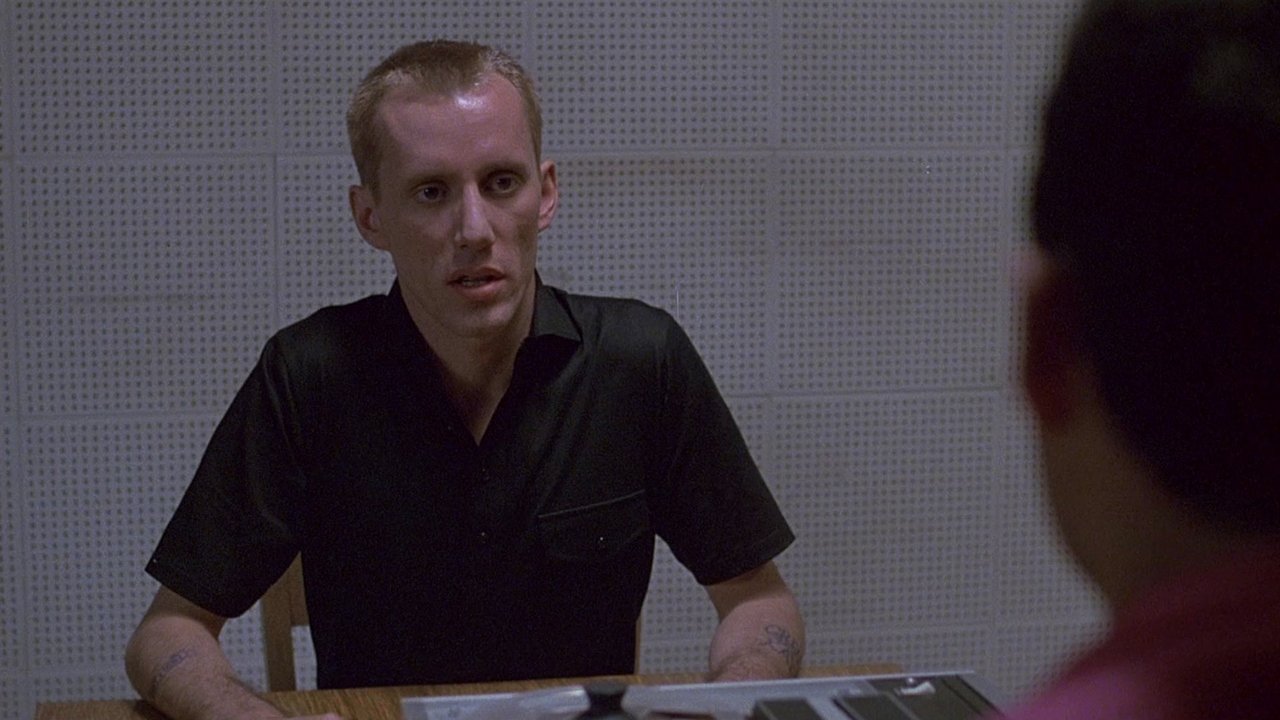
And then there's James Woods. The Onion Field was a breakout role for him, and watching it again, you see exactly why. His Greg Powell is a terrifying creation – a twitchy, manipulative, frighteningly charismatic sociopath. Woods doesn't just play Powell; he inhabits him with a volatile energy that crackles off the screen. He’s all cheap talk, nervous tics, and sudden bursts of chilling clarity, a petty criminal whose desperate need for control leads to ultimate destruction. There's a scene where Powell, in jail, meticulously crafts a legal argument – it's both pathetic and terrifyingly intelligent, revealing the complex, warped mind beneath the bravado. It’s a performance that rightfully earned Woods widespread acclaim and set the stage for a career often defined by intense, complicated characters (think Videodrome or Salvador). Franklyn Seales is equally compelling as Jimmy Smith, the follower caught in Powell's orbit, conveying a different kind of fear and confusion.
### Echoes in the System
Wambaugh’s script doesn’t shy away from criticizing the very institutions meant to protect. The endless trials, the legal loopholes exploited by Powell (who became a surprisingly adept jailhouse lawyer), and the lack of psychological support for Hettinger paint a grim picture of the justice system's limitations and the police department’s internal culture at the time. The real Karl Hettinger faced ostracization within the LAPD and eventually left the force, his life profoundly altered. The film honours that struggle, making it clear that the bullets fired in the onion field were not the only shots that inflicted lasting wounds. It’s a stark reminder that the consequences of crime ripple outwards in complex and often devastating ways.
Filmed on a modest budget (around $2.25 million), The Onion Field wasn't a box office smash, but its critical reception was strong, recognizing its power and integrity. It felt different from other crime films of the era, less interested in thrills and more in the human cost. Watching it on VHS, perhaps late at night, the quiet hum of the VCR seemed to amplify the film's unsettling intimacy. It wasn’t escapism; it was a confrontation with a difficult truth.
Rating: 8.5/10
The Onion Field remains a powerful, deeply affecting piece of filmmaking. Its deliberate pacing and bleak subject matter might not be for everyone, but its unflinching realism, anchored by phenomenal performances – particularly from Savage and the unforgettable Woods – make it essential viewing. It avoids easy answers, leaving you instead with a profound sense of sorrow and a lingering unease about the fragility of order and the deep scars left by violence. It’s a film that doesn’t just show you what happened; it makes you feel the weight of its aftermath, long after the screen goes dark. What stays with you most isn't the crime, but the quiet agony of the man who walked away.