It starts with a letter, doesn't it? That tremor of unease, the sudden crack in the facade of everyday life. For Eliza D'Amico (Hope Davis), sequestered in her comfortable Long Island home, a snippet of poetry tucked away in her husband Louis's (Stanley Tucci) things isn't just verse; it feels like a confession, a betrayal waiting to be confirmed. What unfolds in Greg Mottola's remarkable 1997 debut, The Daytrippers, isn't a high-stakes thriller, but something far more relatable and quietly devastating: a spur-of-the-moment family road trip into Manhattan, fueled by suspicion and cramped into a wood-paneled station wagon.
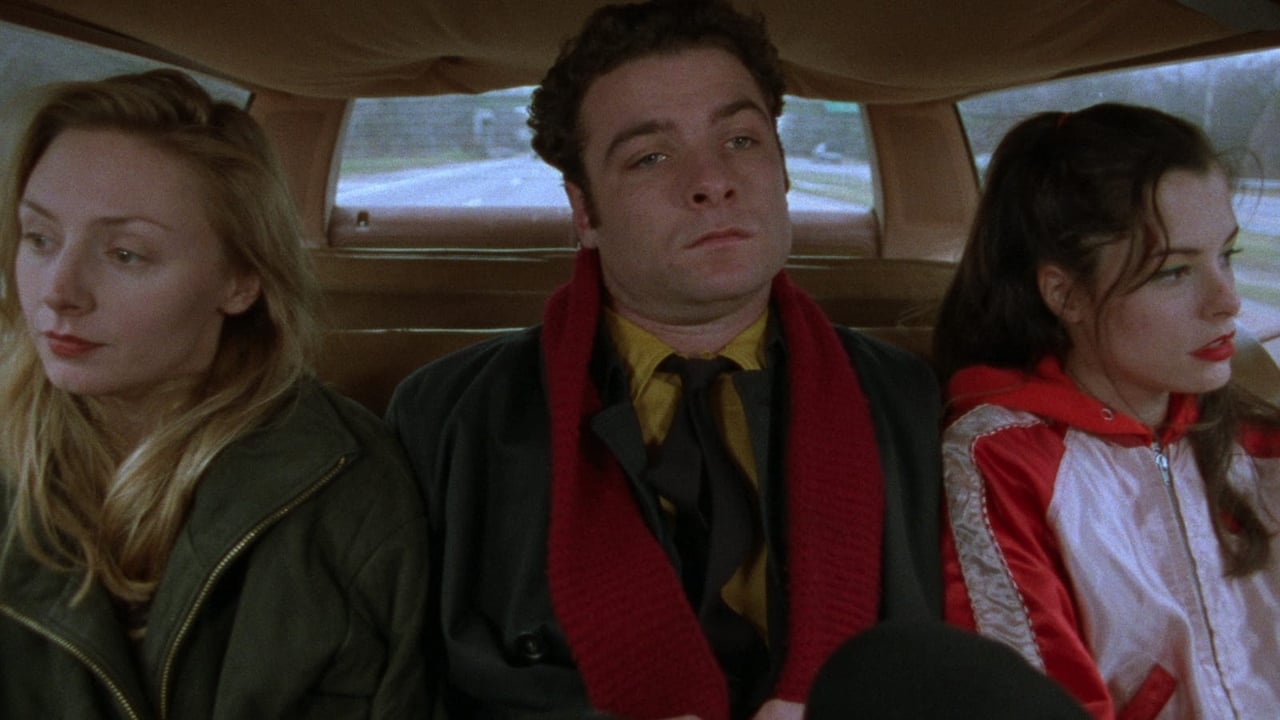
All Aboard the S.S. Suspicion
The genius of The Daytrippers lies in its pressure-cooker setup. Eliza, reeling from her discovery, confides in her mother, Rita (Anne Meara), a woman whose maternal concern manifests as equal parts interrogation and unsolicited advice. Before Eliza can fully process things, the entire Malone clan – including her stoic father Jim (Pat McNamara), her sardonic sister Jo (Parker Posey), and Jo's pompous novelist boyfriend Carl (Liev Schreiber) – is piled into the family car, embarking on an impromptu investigation across the bridges and tunnels into the heart of New York City. It's a scenario ripe for sitcom laughs, and the film certainly finds humor in the close-quarters bickering and clashing personalities. But beneath the surface, Mottola mines a rich vein of authentic family dysfunction and existential dread. I recall finding this gem tucked away on the "Independent" shelf at the local video store, a plain cover hinting at something different, and it delivered an experience far more nuanced than expected.
An Ensemble Cast Firing on All Cylinders
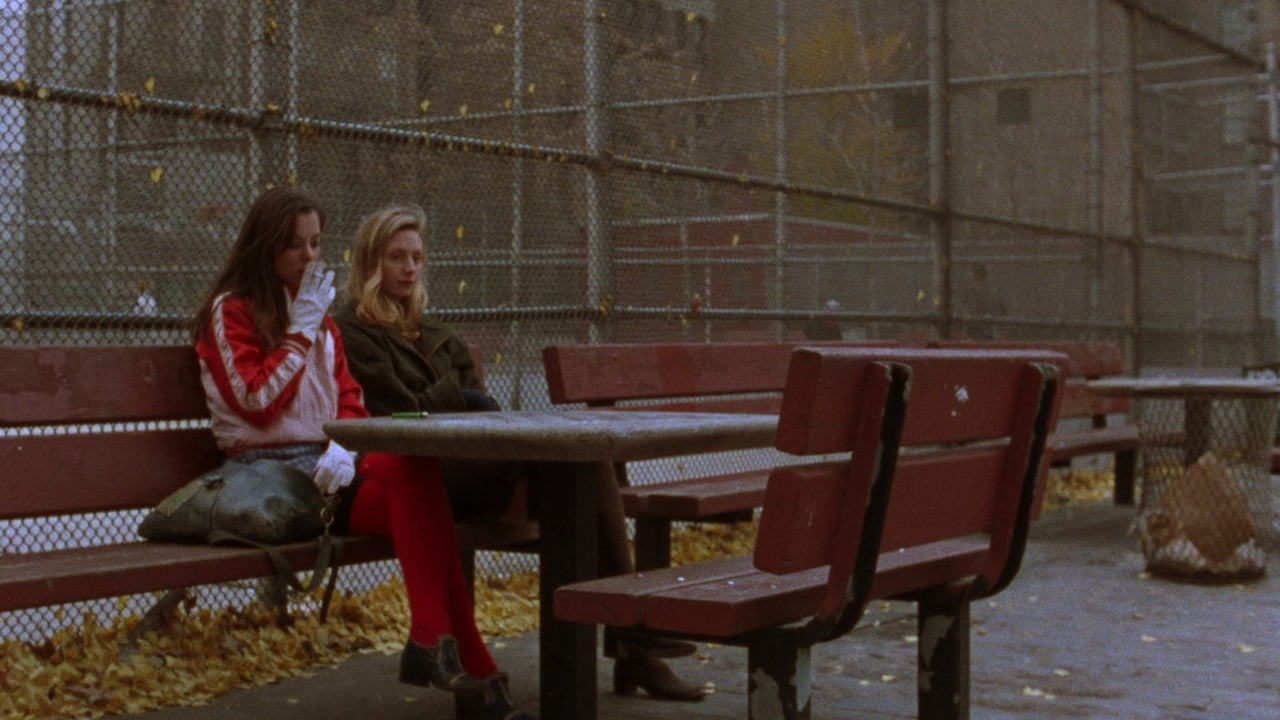
What elevates The Daytrippers from a quirky premise to a truly memorable piece of 90s indie cinema is the phenomenal ensemble cast. Hope Davis is the film's quiet anchor, her face a canvas of flickering hope, dawning horror, and weary resignation. She makes Eliza's anxieties palpable without resorting to hysterics. Opposite her, Anne Meara delivers a career-best performance as Rita, embodying the exasperating but fiercely loving matriarch whose pronouncements often land with the subtlety of a dropped lasagna pan. She’s meddling, yes, but her fears for her daughter feel achingly real.
Pat McNamara, as the father trying to maintain peace (or perhaps just escape the conversation), provides understated comedic relief and pathos. And then there's Parker Posey, already the reigning queen of indie cool, who brings her signature intelligence and sharp wit to Jo, the cynical observer trapped in the family vortex. Liev Schreiber, pre-Ray Donovan intensity, is perfectly cast as the slightly pretentious, self-absorbed Carl, delivering pronouncements on literature while navigating the minefield of his girlfriend’s family. Even Stanley Tucci, whose Louis is the object of the quest and thus absent for much of the runtime, makes a significant impact when he finally appears. The interactions feel incredibly lived-in; you believe these people have decades of shared history simmering just below the surface.
The Low-Budget Magic of Mottola's Debut
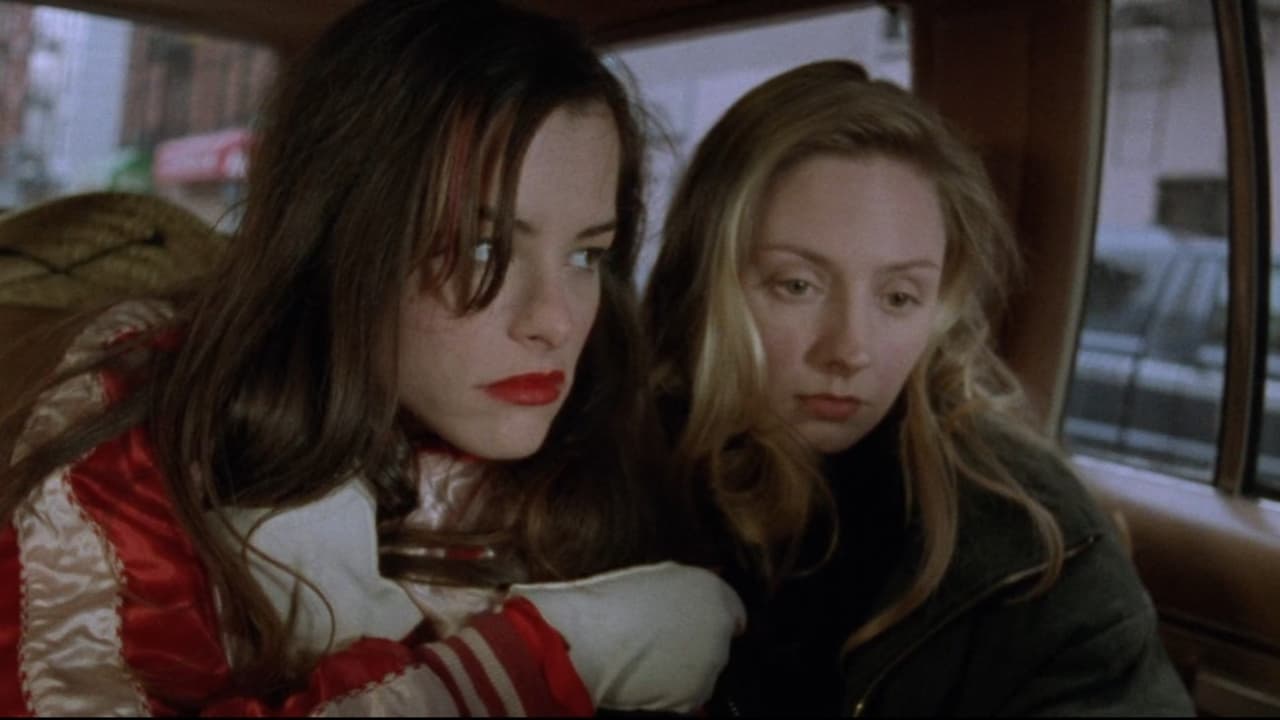
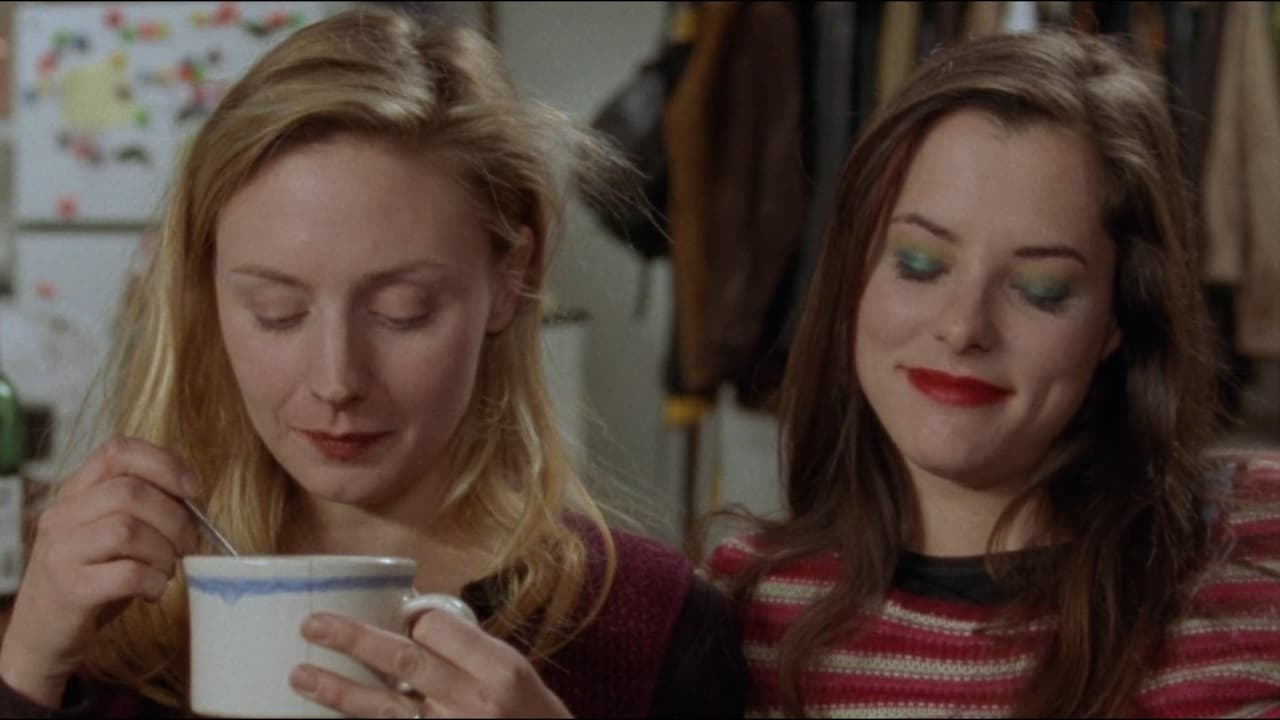
It’s astonishing to learn that The Daytrippers was shot in just 16 days on a shoestring budget – somewhere around the $60,000 mark. That constraint becomes a defining aesthetic. Co-produced by Steven Soderbergh, who certainly knows a thing or two about maximizing minimal resources after Sex, Lies, and Videotape (1989), the film embraces a naturalistic, almost documentary feel. Greg Mottola, who also wrote the screenplay (reportedly inspired by a similar incident in his own life), directs with a keen eye for behavioral detail and subtle emotional shifts. There's no flashy camerawork, just an observant lens capturing the awkward silences, the forced smiles, and the sudden bursts of raw emotion that punctuate the family's journey. The cramped confines of the station wagon, the specific feel of mid-90s Manhattan – it all feels utterly authentic. The film’s success at festivals like Slamdance felt like a validation of this kind of personal, character-driven storytelling that thrived in the indie scene of the era.
Beyond the Laughs: Cracks in the Picture Frame
As the Malones bumble through Manhattan, encountering eccentric acquaintances (Campbell Scott as a charming author, Marcia Gay Harden as a free spirit) and navigating the city's indifference, the film gently probes deeper questions. What does it mean to truly know someone, even those closest to you? How do families maintain equilibrium in the face of uncomfortable truths? The humor, often arising from the sheer absurdity of their mission and their interactions, never fully masks the underlying melancholy. It’s a film about the disillusionment that can creep into long-term relationships and the difficult realization that the idealized image we hold of our loved ones (and ourselves) might not match reality. Doesn't that uncomfortable journey toward truth resonate, in some way, with challenges many families face, albeit perhaps without the cross-borough pursuit?
The Verdict
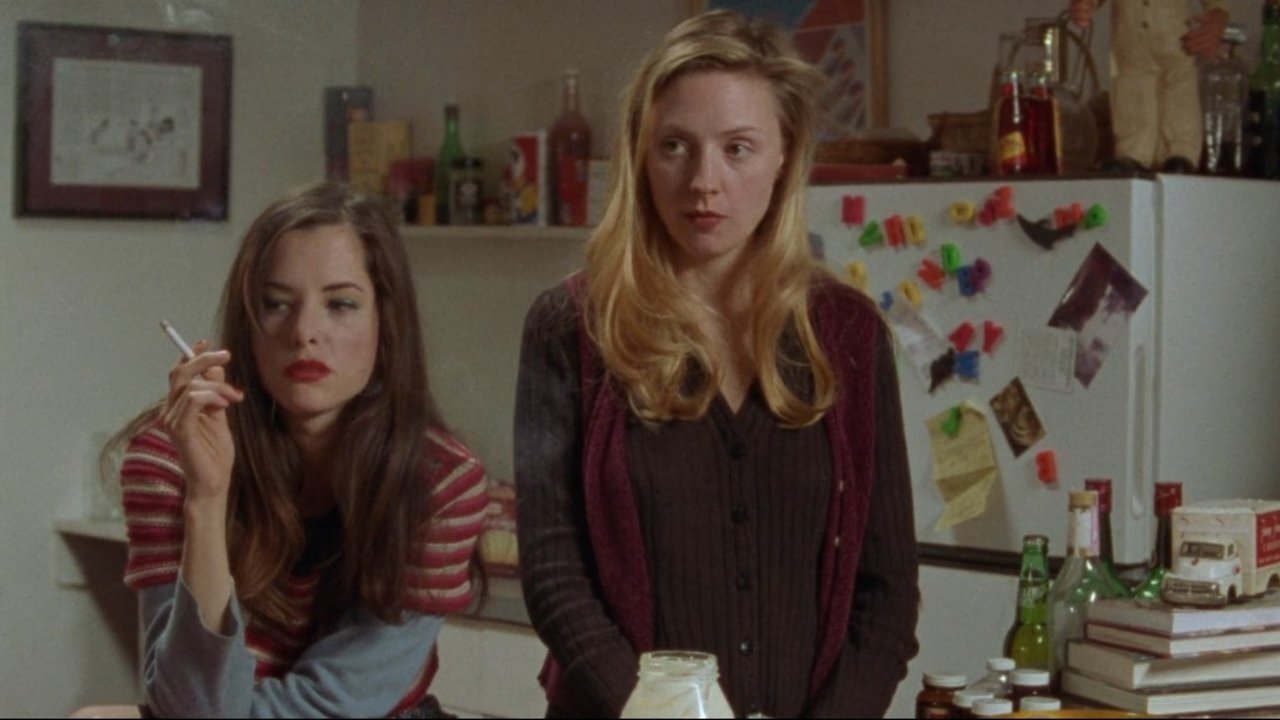
The Daytrippers is a small film with a huge heart and startling honesty. It captures the specific anxieties and rhythms of family life with uncanny accuracy, finding humor in the mundane and pathos in the unspoken. The performances are uniformly excellent, creating a believable, flawed, and ultimately touching portrait of a family in quiet crisis. It’s a perfect example of how low-budget ingenuity and sharp writing can yield something truly special – a film that lingers long after the credits roll, much like the unresolved questions it poses. It’s a standout piece of 90s indie filmmaking that absolutely deserves its cult classic status.
Rating: 9/10 - This score reflects the film's superb ensemble acting, its sharp and witty script that balances humor and drama perfectly, and its authentic portrayal of family dynamics and marital unease. Its low-budget resourcefulness is transformed into a strength, creating an intimate and resonant character study that feels timeless despite its specific 90s setting. It's a near-perfect execution of its concept.
What stays with you most isn't just the cringe-comedy of the situation, but the quiet vulnerability of Hope Davis's Eliza, facing a potential future she never anticipated, surrounded by the loving chaos of the family she can't escape. It’s a bittersweet journey, worth taking again and again.