## That Elusive Click: Revisiting the Gentle Charm of Next Stop Wonderland

There’s a certain kind of quiet magic to some films discovered nestled between louder neighbours on the video store shelf, isn't there? They don't scream for attention, but rather whisper an invitation. Next Stop Wonderland (1998) was precisely that kind of whisper for me, a film that felt less like a manufactured Hollywood romance and more like eavesdropping on the tentative heartbeats of a city. It arrived near the tail end of the 90s indie boom, a time when stories felt a bit more handmade, a bit more personal, and this one, set against the backdrop of a working-class Boston rarely seen on screen, felt particularly authentic.
Two Ships Passing
The premise itself has a touch of melancholy whimsy: Erin (Hope Davis), a dedicated nurse whose relationship has just imploded, finds her meddling mother placing a personal ad for her without her knowledge. Meanwhile, Alan (Alan Gelfant), a plumber dreaming of becoming a marine biologist, navigates his own set of romantic entanglements and existential drift. Director Brad Anderson (who, in a fascinating turn, would later give us the intense chills of Session 9 and The Machinist) structures the film around their near-misses. They ride the same train (Boston's venerable 'T'), frequent the same neighbourhoods, almost brush shoulders countless times, yet remain oblivious to each other's existence. It's a narrative device that could feel gimmicky, but here it resonates with a certain truth about urban living – how many potential connections slip through our fingers every single day? What does it say about fate, coincidence, or just the sheer statistical noise of city life?
A City's Soul and a Star's Quiet Strength
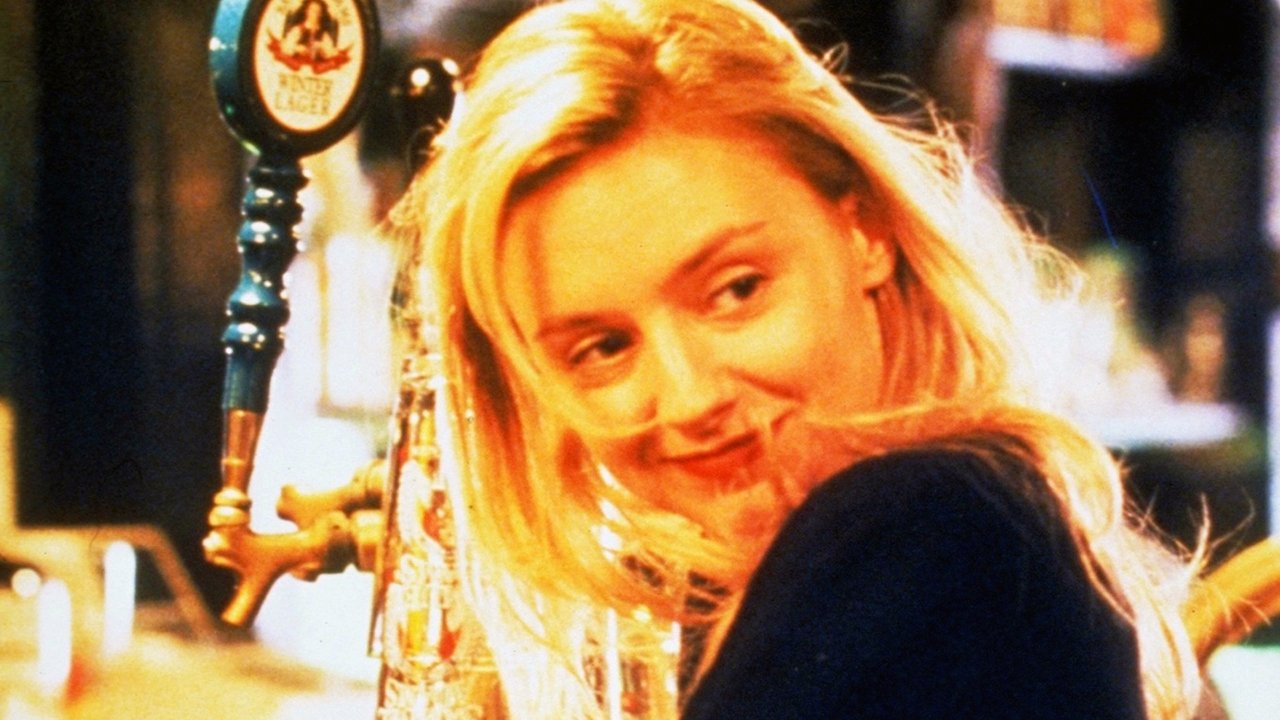
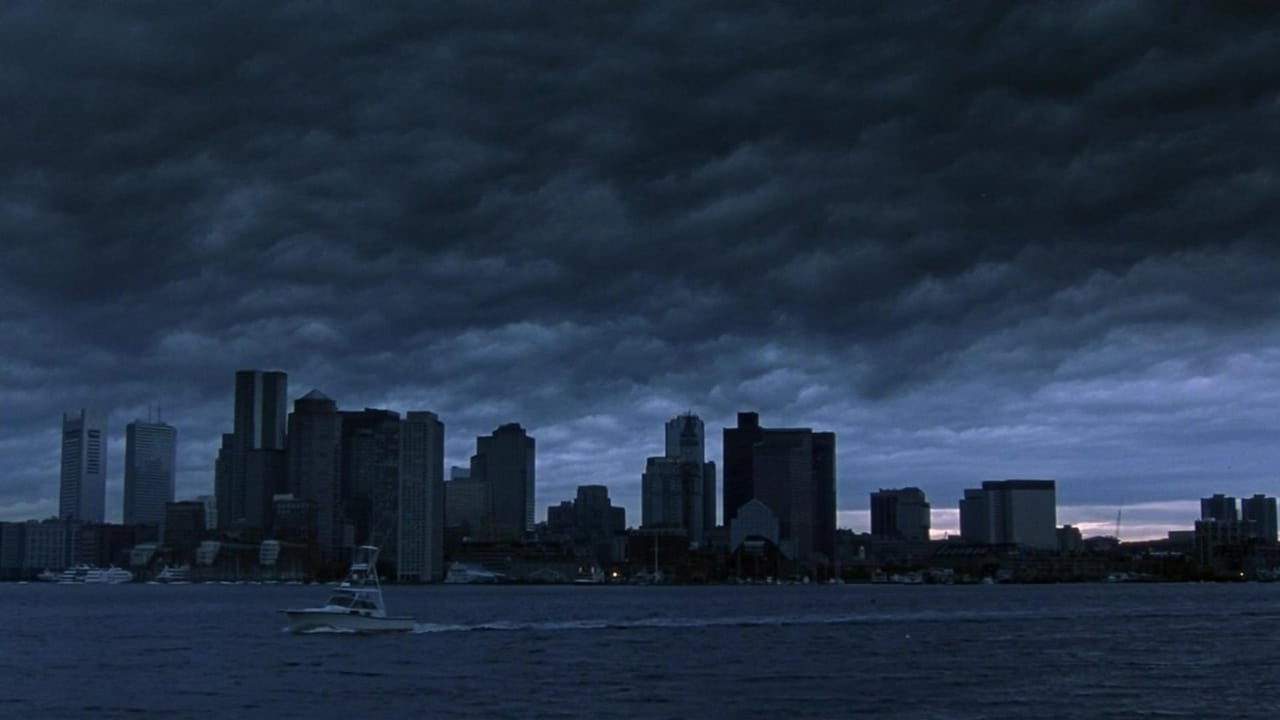
More than just a plot engine, this structure allows Anderson, who co-wrote with Lyn V. Taus, to paint a vibrant, lived-in portrait of Boston. Not the tourist-brochure version, but the actual city – the rumble of the subway, the neighbourhood bars, the slightly worn edges. It feels real, grounded, a perfect counterpoint to the almost fairytale-like notion of destiny guiding our protagonists. This authenticity is amplified immeasurably by Hope Davis. Her portrayal of Erin is the film’s anchor. It's a performance built on subtle shifts in expression, quiet vulnerability, and an utterly believable weariness that never quite extinguishes a flicker of hope. She carries the film with understated grace, making Erin someone you instantly root for, someone you recognize. Remember her quiet devastation masked by forced smiles? It’s acting that feels less like performance and more like observation. Alan Gelfant as Alan brings a contrasting, slightly goofy idealism that works well against Davis's grounded presence. And yes, that is a pre-superstardom Philip Seymour Hoffman popping up in a supporting role as Alan's unscrupulous friend, offering a glimpse of the immense talent already simmering beneath the surface.
That Bossa Nova Beat

You can't talk about Next Stop Wonderland without mentioning its soundtrack. The film is saturated with Bossa Nova music, a choice that initially seems quirky but quickly reveals its brilliance. The gentle rhythms, the often wistful Portuguese lyrics (even if you don't understand them, the feel translates) perfectly underscore the film's blend of melancholy and tentative optimism. It creates a unique atmosphere, a sonic landscape that feels both romantic and slightly adrift, mirroring the characters' own emotional states. It’s a deliberate, effective choice that elevates the film beyond a simple "will they/won't they?" exercise.
An Indie Success Story
Part of the charm, looking back, is knowing this was a true indie darling. Shot on a shoestring budget (reportedly around $1 million), Next Stop Wonderland became a hit at the 1998 Sundance Film Festival, sparking a bidding war eventually won by Miramax for a cool $6 million. It’s a classic tale from that era – proof that a small film with a big heart and a distinct voice could find its audience. Anderson, a Boston native, clearly poured his understanding of the city and its people into the project. The film doesn't try to be overly profound; it finds its depth in the relatable struggles of its characters – finding connection, dealing with disappointment, daring to hope for something more.
The Lingering Question
Does the ending, the eventual meeting, feel earned after all the near-misses? For the most part, yes. It avoids grand, unrealistic gestures, opting instead for a moment that feels quiet, uncertain, but hopeful. It leaves you not with a triumphant fanfare, but with a gentle smile and perhaps a renewed appreciation for the small possibilities that might wait around any corner, even on the most ordinary commute. It taps into that universal longing for connection, the hope that somewhere out there, someone is on a parallel track, waiting for the right moment to intersect.
Rating: 7.5/10
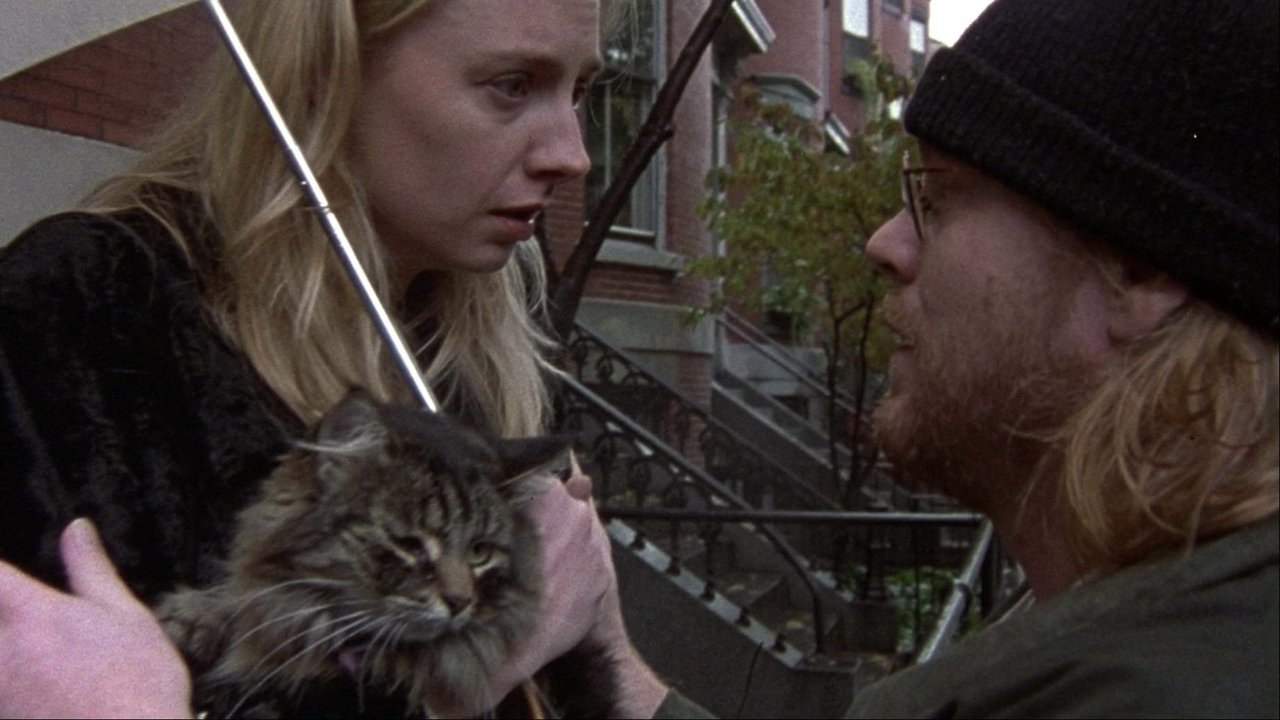
This score reflects the film's undeniable charm, Hope Davis's wonderful central performance, its unique atmosphere, and its authentic sense of place. It's a gentle, character-driven piece that captures a specific late-90s indie spirit beautifully. While perhaps a bit slight in plot compared to more dramatic fare, and Alan's character feels slightly less developed than Erin's, its warmth and hopeful melancholy are deeply affecting. It doesn’t aim for epic, but achieves a lovely, resonant intimacy.
Next Stop Wonderland remains a delightful discovery, a reminder that sometimes the most satisfying journeys are the quiet ones, guided by the gentle rhythm of a Bossa Nova beat and the possibility of connection just one stop away.