Alright, pull up a beanbag chair and let’s rewind the tape. Flickering onto the screen tonight is a title many of you probably stumbled upon during a late-night cable crawl or perhaps spotted gleaming seductively from the ‘New Releases’ wall down at Blockbuster back in the day: Poison Ivy: The New Seduction (1997). While the original Poison Ivy (1992) had that grungy, early-90s theatrical vibe with Drew Barrymore, the franchise quickly found its natural habitat in the burgeoning direct-to-video market, and this third installment is arguably where it hit its quintessential VHS-era stride, largely thanks to one electrifying performance.

### She Came From the Wrong Side of the Tracks (Literally)
The setup is classic seductive-intruder fare, echoing the first film but with a fresh twist. This time, the venomous flower is Violet, played with startling confidence by a young Jaime Pressly. Violet isn't just some random interloper; she’s the previously unknown sister of Lily (Alyssa Milano's character from Poison Ivy II: Lily), arriving at the affluent Greer household with a hidden agenda rooted in revenge for wrongs done to her mother years ago. Returning director Kurt Voss, who also helmed Part II and co-wrote this entry with Karen Kelly, clearly understood the assignment: deliver a simmering potboiler tailor-made for the home video crowd. You can almost feel the constraints of the DTV budget, but Voss uses it to create a certain contained, almost claustrophobic atmosphere within the plush Greer residence, filmed primarily around sunny California locales that mask the darkness brewing within.
### A Star is Born (on VHS)
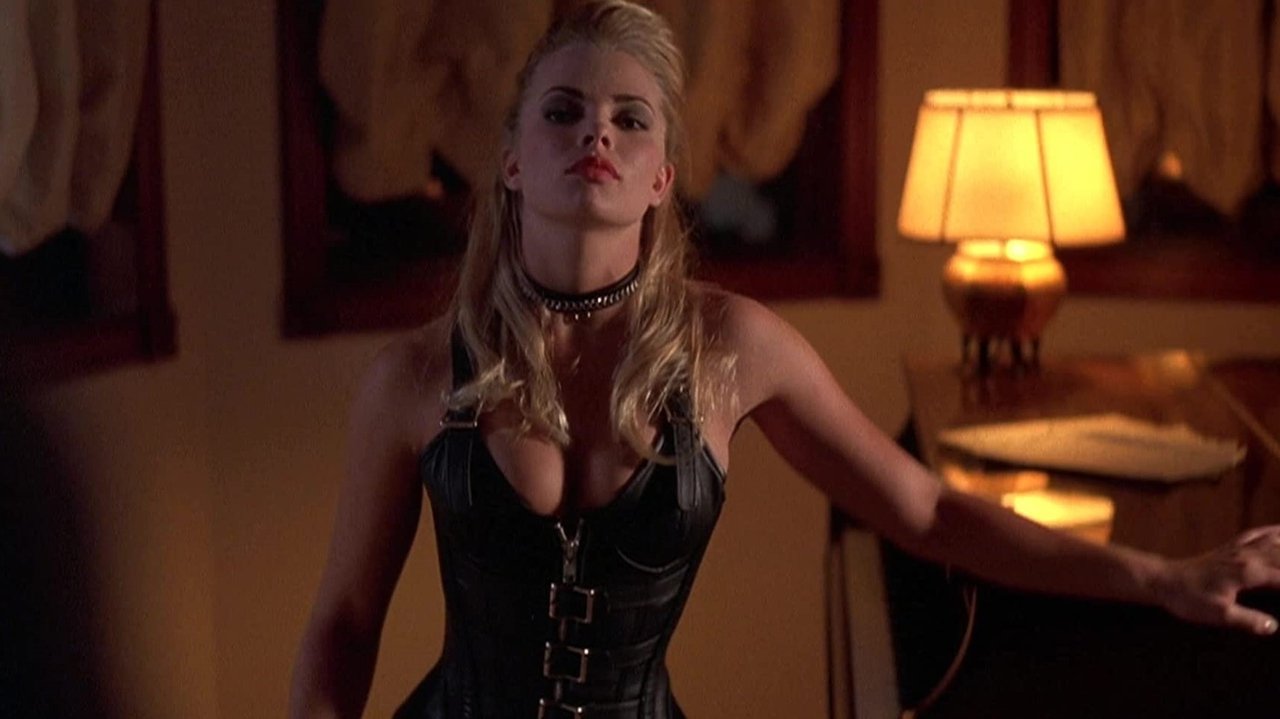
Let's be honest, the main reason The New Seduction still flickers in our collective memory is Jaime Pressly. This was one of her first major roles, years before she became comedy royalty in My Name Is Earl, and watching it now feels like discovering a secret origin story. Pressly dives into the role of Violet with ferocious energy. She’s captivating, dangerous, and possesses a screen presence that burns far brighter than the film's modest production values might suggest. She perfectly embodies that late-90s femme fatale archetype – manipulative, alluring, and utterly unapologetic. It’s fascinating to see that raw charisma already so evident. Reportedly, Pressly fully embraced the role, seeing it as a chance to break out, and it certainly put her on the map for casting directors looking for performers with edge.
The targets of her slow-burn revenge plot are the Greer family: Joy (Megan Edwards), the sensitive daughter who becomes Violet's initial confidante (and pawn), and Ivan (Michael Des Barres), the wealthy patriarch with a wandering eye and a past connection to Violet's mother. Edwards plays Joy with the right amount of naive vulnerability, making her gradual realization of Violet’s true nature effective. And Michael Des Barres? Casting the former Power Station frontman and veteran character actor (Murdoc in MacGyver!) adds a layer of world-weary cool to Ivan. You believe he could be charmed and ultimately ensnared by someone like Violet; Des Barres brings a tangible sense of a man haunted by his past mistakes.
### Peak 90s DTV Thriller Vibes
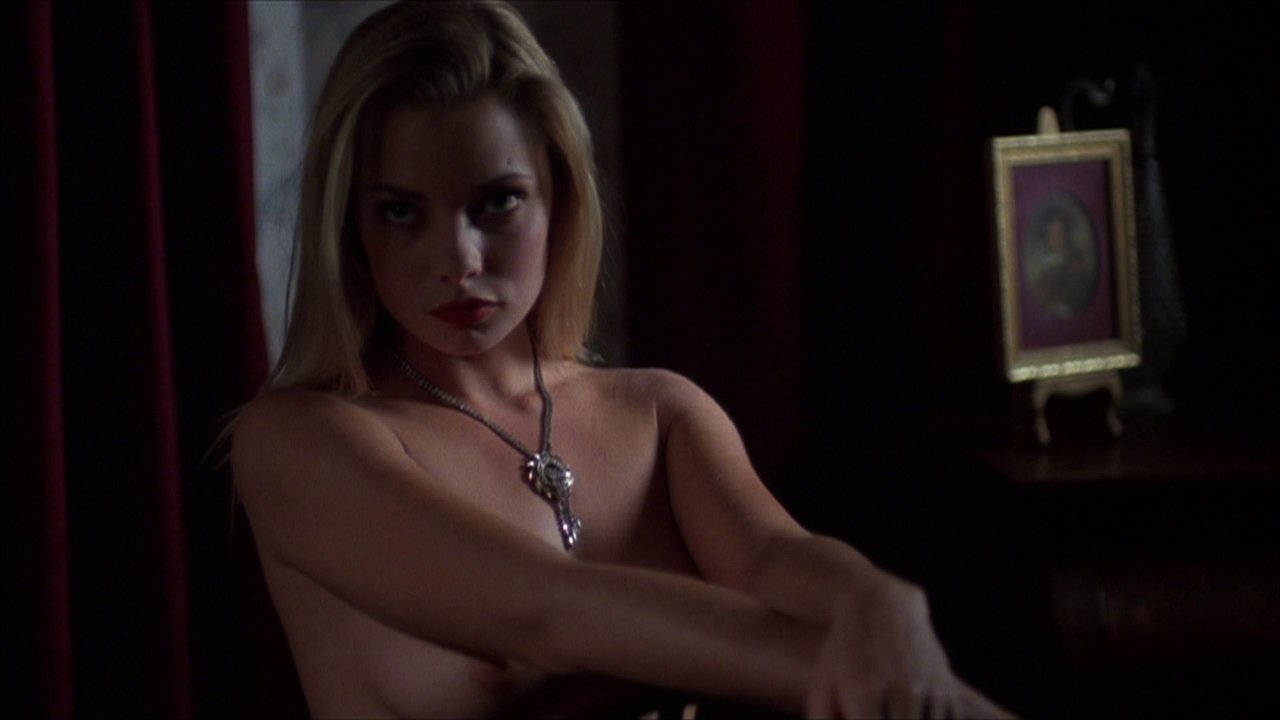

This film is the 90s erotic thriller distilled to its DTV essence. Forget the high-gloss sheen of Basic Instinct; this is its scrappier, perhaps more relatable cousin found lurking on the video store shelves. The suspense is built less on shocking twists (though there are a few) and more on the uncomfortable intimacy and psychological games Violet plays. Remember how these films felt? That slightly hazy picture quality on the CRT, the synthesizer scores trying to evoke menace and seduction simultaneously – The New Seduction has it all. While not overly explicit compared to some entries in the genre, it leans heavily into suggestion and simmering tension, a testament perhaps to Kurt Voss knowing how to create mood without needing a blockbuster budget. It was part of that wave where studios realized there was a hungry home audience for thrillers with a bit of spice, even if the critics largely ignored them. This wasn't aiming for Oscar gold; it was aiming for weekend rental success, and on that level, it absolutely delivered.
Weaving in a bit of trivia, it's interesting that New Line Cinema kept this franchise going direct-to-video after the original's moderate theatrical run. It showed an early understanding of niche markets and the power of home video sequels to turn a profit, even without major stars (though Pressly certainly became one later). This third entry reportedly performed well enough on video and cable to justify yet another sequel, Poison Ivy: The Secret Society (2008), though that one arrived much later, well outside our beloved VHS era.
### Does the Seduction Still Work?
Watching Poison Ivy: The New Seduction today is a potent hit of nostalgia, for sure. The plot mechanics are familiar, and some of the dialogue feels undeniably locked in the 90s. But it’s elevated by Jaime Pressly’s magnetic performance and Kurt Voss’s competent, atmospheric direction that makes the most of its resources. It understands its genre and delivers exactly what fans of these kinds of thrillers were looking for back then – suspense, manipulation, and a compellingly dangerous central figure. It's a reminder of a time when sequels didn't always need nine-figure budgets, just a solid premise and a star ready to shine.

Rating: 6/10
Justification: While the story treads familiar ground for the genre and the DTV limitations are apparent, Jaime Pressly's breakout performance is electric and elevates the entire film. Kurt Voss delivers a moody, competent thriller that captures the specific feel of late-90s DTV erotic suspense perfectly. It's a solid example of its kind, entertaining if you know what to expect, making it a worthy artifact in the VHS Heaven archives.
Final Thought: It may lack the polish of its theatrical predecessor, but The New Seduction's charm lies in its raw DTV energy and a star-making turn that proves sometimes, the most potent venom comes in a plain brown video cassette box. Definitely worth a nostalgic revisit if you have a taste for 90s thrillers.