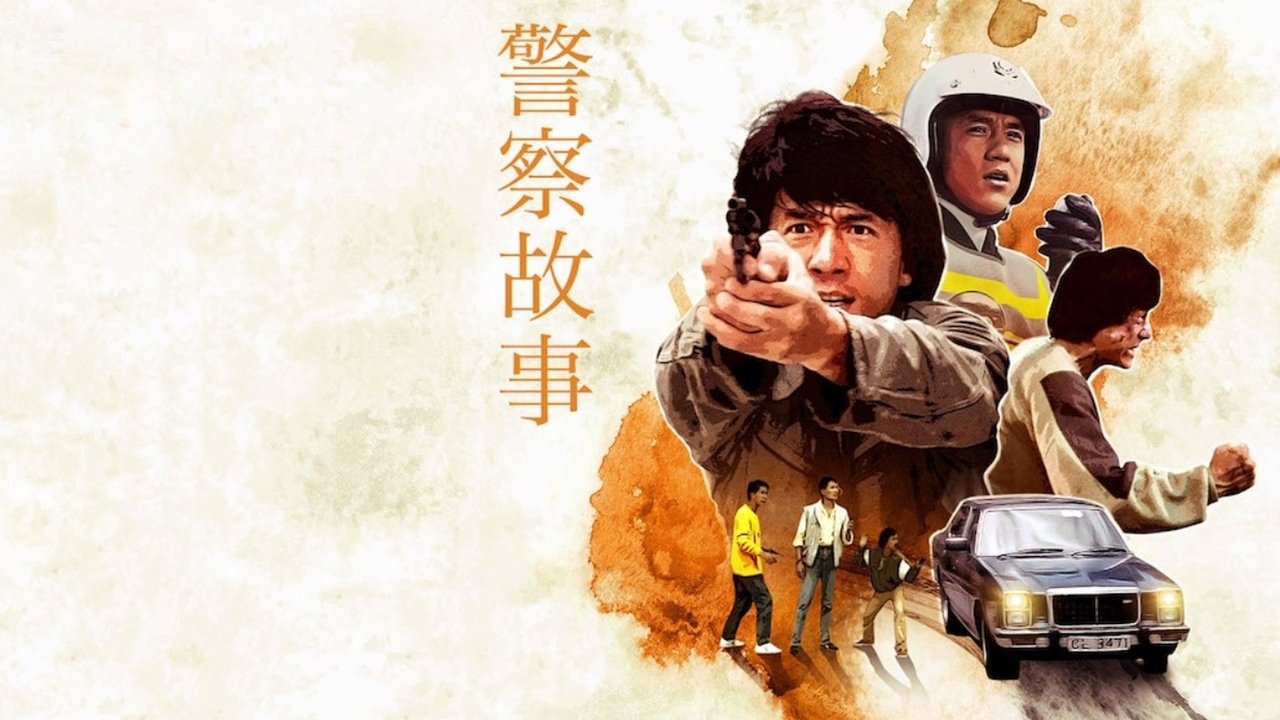
Okay, rewind your minds with me. Picture this: It's late, the only light is the flickering glow from the CRT, and you've just popped in a tape promising explosive Hong Kong action. The tracking might be a little fuzzy, the sound occasionally warbly, but what unfolds on screen absolutely blows your teenage or twenty-something mind. For many of us clutching worn rental copies in the late 80s or early 90s, that experience was Police Story (1985), and folks, it hit like a roundhouse kick to the senses.
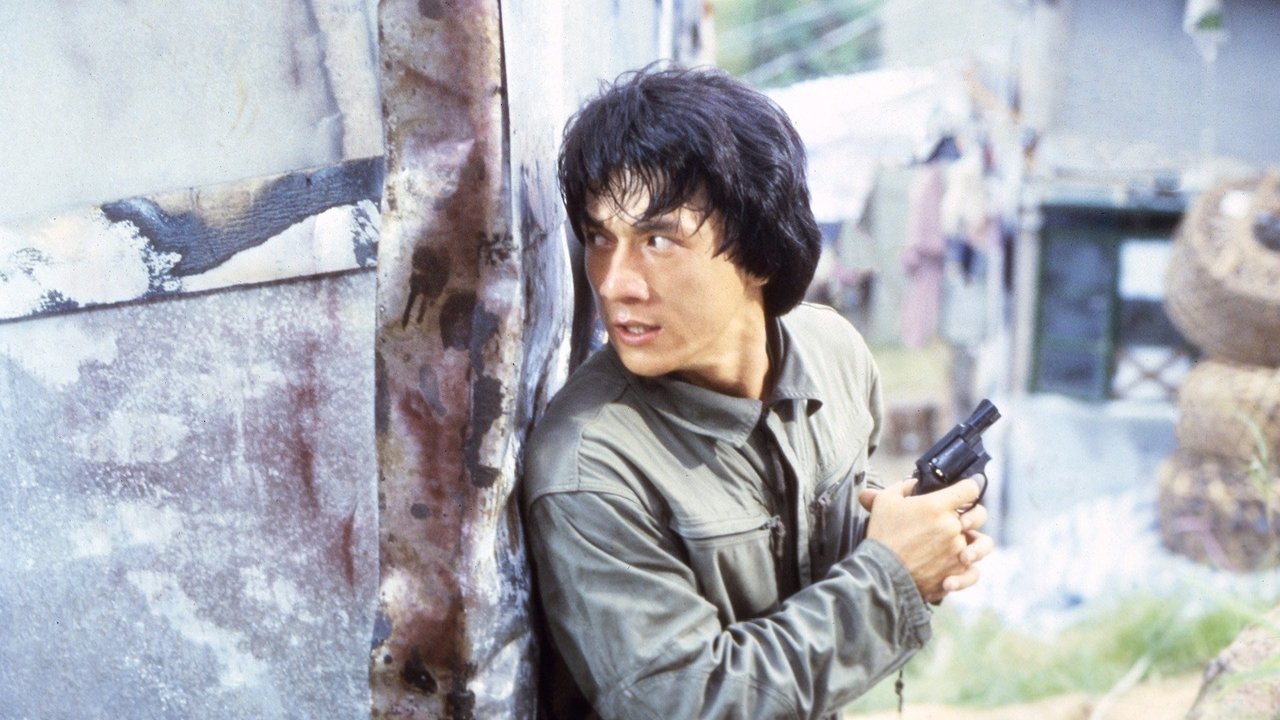
This wasn't just another cop movie; it felt like a declaration. Jackie Chan, already a star but arguably cementing his legendary status here, didn't just star – he directed (with Chi-Hwa Chen), co-wrote (with Edward Tang), and most importantly, threw himself bodily into stunts that redefined action cinema. Forget slick Hollywood polish; this was raw, kinetic, and utterly breathtaking.
More Than Just a Cop on the Edge
The plot, admittedly, is classic 80s fare. Chan plays Chan Ka-kui, a ridiculously dedicated Hong Kong cop tasked with protecting Salina Fong (Brigitte Lin, a superstar bringing poise to the chaos), the reluctant secretary-turned-witness against crime boss Chu Tao (Chor Yuen). Caught in the middle is Ka-kui's long-suffering girlfriend, May, played by a young and vibrant Maggie Cheung in one of her early, star-making roles. The narrative threads – the tense witness protection, the escalating threats from Chu Tao's gang, the comedic (and sometimes cringey, let's be honest) relationship troubles – are really just the framework upon which Chan hangs sequences of unparalleled physical mayhem.
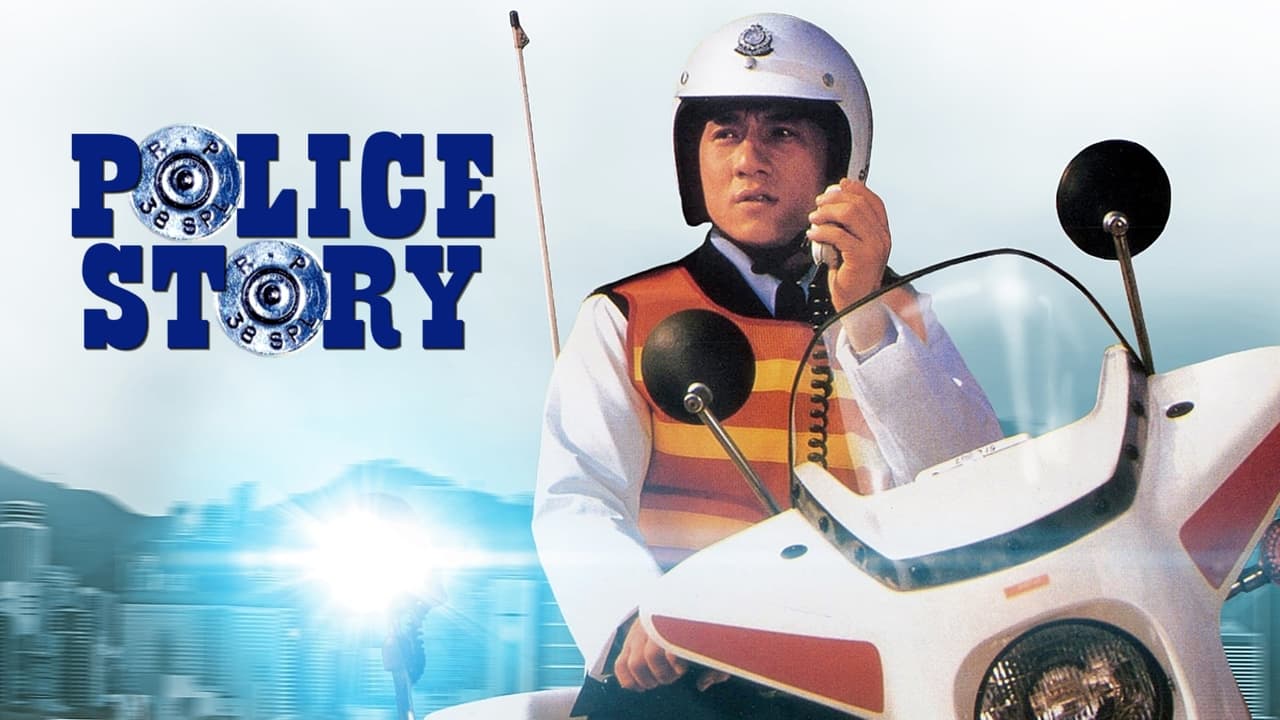
But oh, what mayhem! Police Story opens with an absolute banger: an undercover operation gone wrong that culminates in a car chase through a hillside shantytown. Watching cars plow through actual structures, sending wood and debris flying everywhere, felt incredibly real because, well, it largely was. Retro Fun Fact: Chan and his team were given permission to demolish a genuinely condemned shantytown for the sequence, lending it a visceral, destructive power that CGI rarely captures. There's a weight, a sense of tangible consequence, to the destruction that grips you.
When Stunts Were Really Stunts
And the action never lets up. Remember that sequence where Chan commandeers a double-decker bus, chasing villains downhill while dispatching thugs and desperately trying to bring the careening vehicle to a halt? Or the bit where he hangs precariously from the back of the bus using only an umbrella? These weren't achieved with green screens or wire removal. This was Jackie Chan and his legendary stunt team risking life and limb. There’s an inventive energy here, using everyday objects and environments – buses, shopping malls, office furniture – as props for incredibly choreographed chaos.
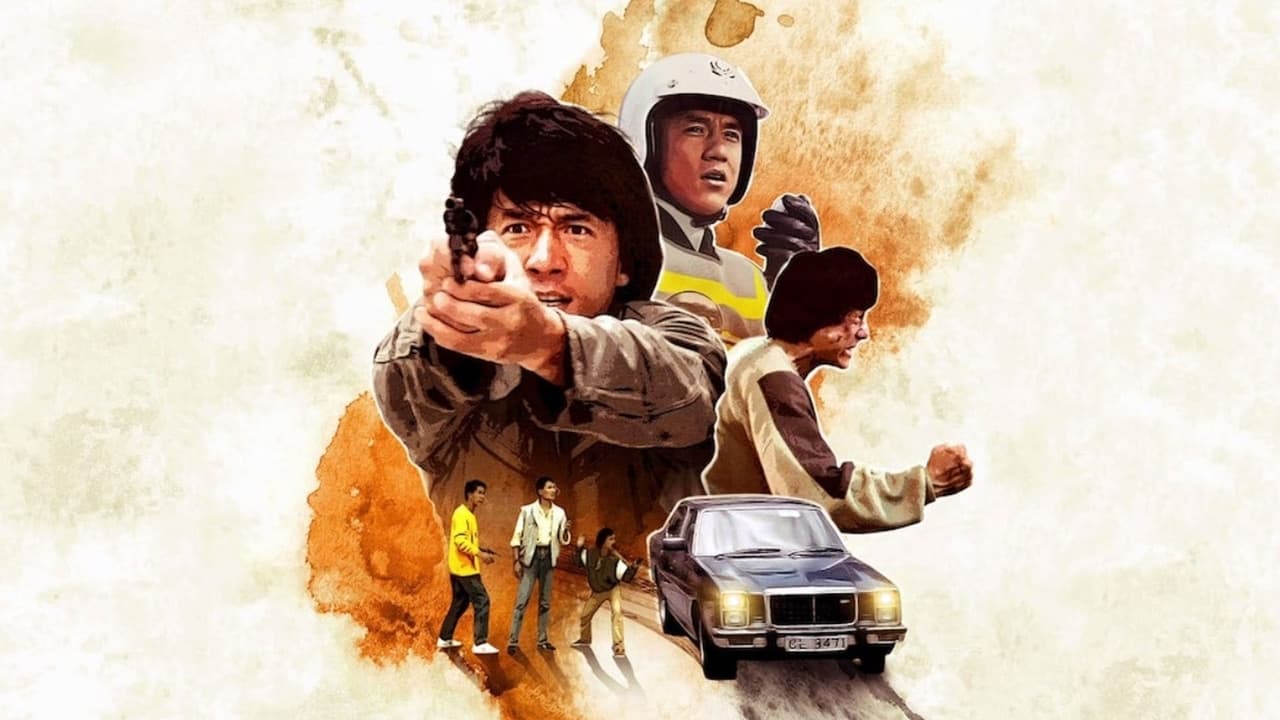
You can almost feel the bumps and bruises watching it. Modern action often feels smooth, almost balletic, thanks to digital assistance. Police Story feels crunchy. Every punch lands with a thud, every fall looks painful, because the performers were genuinely putting themselves on the line. This commitment elevates the film beyond mere spectacle; it’s a testament to Chan's vision and the sheer audacity of his stunt team. Finding reliable insurance for Chan during this period reportedly became a nightmare for producers, and watching sequences like these, you understand why.
The Mall Finale: An Action Landmark
Then there’s the finale. Set in a multi-story shopping mall, it's arguably one of the greatest action climaxes ever filmed. Fists fly, bodies crash through glass display cases (so much sugar glass!), and Chan utilizes every level and structure available. It culminates in that stunt: Ka-kui sliding down several stories along a pole adorned with exploding lights, crashing through a glass ceiling onto a display below. Retro Fun Fact: Chan himself considered this one of his most dangerous stunts. He suffered second-degree burns, a back injury, and dislocation of his pelvis performing it, proving his absolute dedication to capturing the perfect, death-defying shot. There was no digital trickery; that was Jackie, falling hard for our entertainment.
While the action is the undisputed star, the film also showcases Chan's knack for blending brutal fights with moments of slapstick comedy, a signature style he honed throughout his career. Maggie Cheung adds charm and comedic relief as May, though her character often bears the brunt of Ka-kui's job-related neglect in ways that feel very… well, 80s. Brigitte Lin, a huge star in dramatic roles, holds her own amidst the chaos, providing the necessary dramatic anchor.
Police Story wasn't just a hit; it was a phenomenon. It swept the Hong Kong Film Awards, winning Best Film and Best Action Choreography, and revitalized the modern-day police action genre in Hong Kong, paving the way for countless imitators and Chan's own successful sequels like Police Story 2 (1988) and the phenomenal Police Story 3: Supercop (1992).
***
VHS Heaven Rating: 9/10
Justification: Police Story is a landmark action film. While the plot is straightforward and some comedic elements feel dated, the sheer audacity, raw energy, and groundbreaking practical stunt work are undeniable. Jackie Chan delivers a career-defining performance both in front of and behind the camera, creating action sequences that remain jaw-droppingly impressive decades later. Its influence on the genre is immense, and the dedication poured onto the screen is palpable. It loses a point perhaps for the sometimes-uneven tone and simple narrative, but the highs are stratospherically high.
Final Thought: This is the kind of movie that reminds you why practical stunts felt so electric on that flickering VHS tape. It’s raw, dangerous, and executed with a level of physical commitment that feels almost mythical today. They truly, truly don't make 'em like this anymore. Essential viewing.