The weight of expectation surrounding A Thousand Acres back in 1997 was palpable. Seeing Jessica Lange, Michelle Pfeiffer, and Jennifer Jason Leigh – three titans of their generation – sharing the screen promised a dramatic intensity few films could match. Renting that tape felt like holding something significant, a story that wouldn't be easy but demanded attention. Based on Jane Smiley's Pulitzer Prize-winning novel, itself a stark reimagining of Shakespeare's King Lear set against the vast, unforgiving landscape of rural Iowa, the film aimed for grand tragedy within the confines of a troubled farming family. Did it fully reach those lofty ambitions? That, like the land itself, proves complicated.
Under Brooding Skies
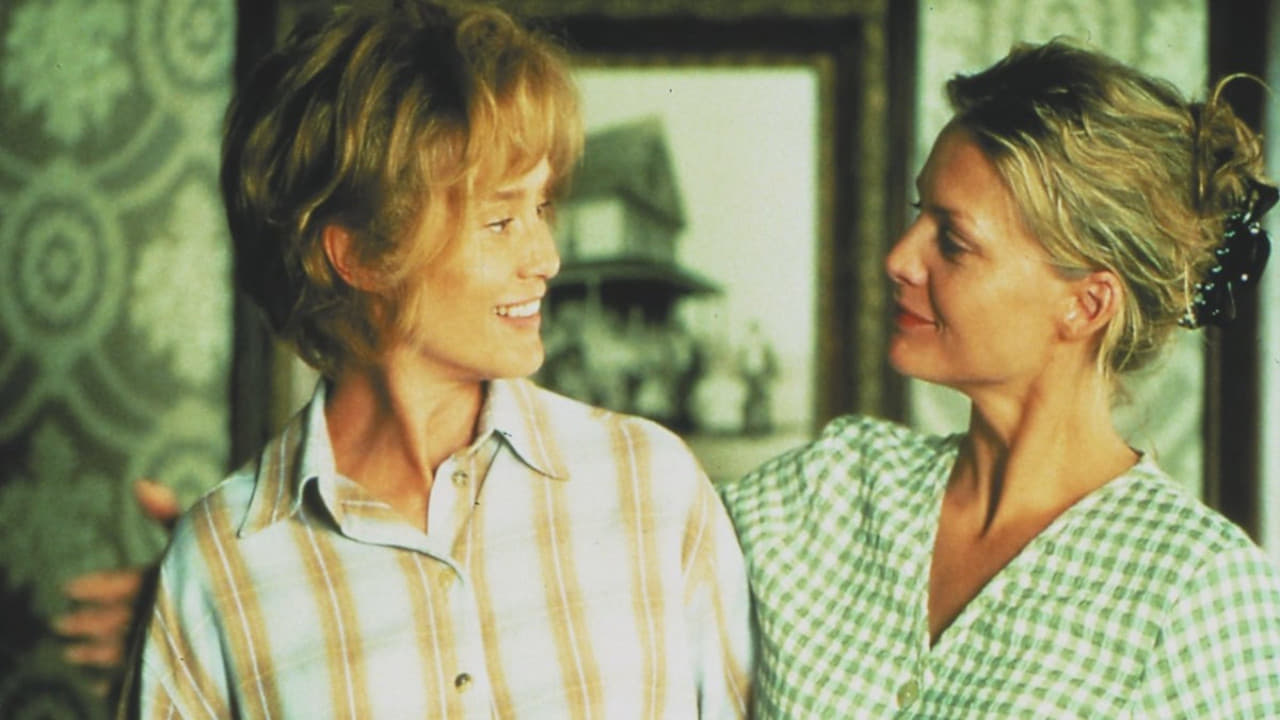
Director Jocelyn Moorhouse, known for weaving complex female relationships in films like How to Make an American Quilt (1995), certainly establishes a potent atmosphere. The Iowa farmland isn't presented as idyllic; it's vast, isolating, beautiful but demanding, mirroring the emotional landscape of the Cook family. Larry Cook (Jason Robards in one of his final, powerful roles), the patriarch, makes the sudden, fateful decision to divide his thousand-acre farm between his two eldest daughters, Ginny (Lange) and Rose (Pfeiffer). The youngest, Caroline (Leigh), a lawyer who left the farm behind, expresses hesitation, incurring her father's immediate wrath and disinheritance – the first crack in a dam holding back generations of resentment and unspoken trauma.
The film expertly captures the suffocating nature of life under Larry's patriarchal rule. His benevolence is conditional, his anger swift and terrifying. The land, the source of their wealth and identity, also feels like a cage, particularly for Ginny, who has stayed, sacrificing her own desires to maintain the farm and care for her father. There’s a quiet desperation in the routines, the endless cycles of planting and harvesting mirroring the cycles of suppressed pain.
A Trio of Tour-de-Forces
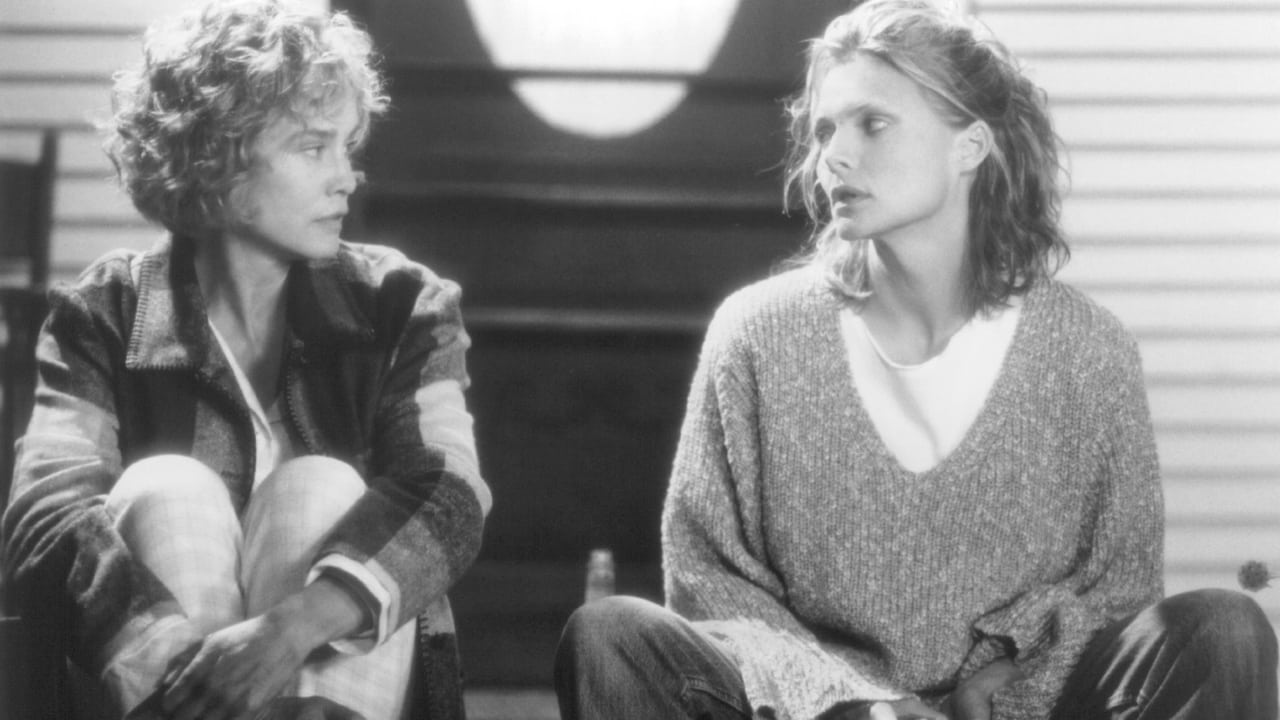
Where A Thousand Acres truly digs deep is in the performances of its three leading women. Jessica Lange as Ginny is heartbreaking. She carries the weariness of years of duty etched onto her face. Ginny is the dutiful daughter, the peacekeeper, but beneath the surface lies a simmering resentment and a desperate longing for something more – a child, an escape, perhaps just acknowledgment. Lange conveys this internal conflict with subtle glances and barely concealed tremors of emotion. It's a performance grounded in quiet endurance that makes her eventual unraveling all the more devastating. I recall watching her scenes, feeling the immense weight she carried, a burden familiar in its unspoken nature.
Michelle Pfeiffer as Rose is the fiery counterpoint. Having battled cancer and harboring deep-seated anger towards their father for secrets revealed later in the film, Rose is more outwardly rebellious, cynical yet fiercely protective of Ginny. Pfeiffer navigates Rose's sharp edges and underlying vulnerability masterfully. Her confrontations crackle with years of pent-up fury, yet there's a fragility beneath the surface, particularly in her interactions with Ginny. The chemistry between Lange and Pfeiffer is electric; their sisterly bond, fraught with shared history and unspoken understandings, forms the film's aching heart.
Jennifer Jason Leigh has perhaps the trickiest role as Caroline. Initially seeming detached and perhaps even callous in her practicality, Caroline's journey is one of painful realization. Leigh portrays her gradual understanding of the family's dark history with a raw, almost wounded quality. Her alienation from her sisters feels authentic, born not of malice but of distance and a different perspective shaped by her life away from the farm. Seeing her navigate the chasm that opens between them is deeply affecting.
Echoes of Lear, Shadows of Truth
The King Lear parallels are evident – the aging patriarch dividing his kingdom, the loyalties tested, the descent into madness and recrimination. But Smiley's novel, and Moorhouse's adaptation, crucially recenters the narrative on the daughters, giving voice to their experiences, particularly concerning the long-buried secret of Larry's abuse. Spoiler Alert! The revelation of incestuous abuse is the seismic event that fractures the family irrevocably. The film handles this devastating truth with gravity, exploring how the trauma has shaped each sister differently – Ginny's repression, Rose's anger, and Caroline's initial ignorance. This shift from Shakespeare's focus on the father's folly to the daughters' suffering gives the story its modern, harrowing power. It forces us to ask uncomfortable questions about family loyalty, the burden of silence, and the long shadow abuse casts across generations.
A Flawed Gem Worth Revisiting
Despite its strengths, particularly the powerhouse acting, A Thousand Acres wasn't a runaway success upon release. It grossed under $8 million domestically against a reported $23 million budget, and critical reception was decidedly mixed (though Roger Ebert notably championed its performances). Some found the adaptation perhaps too faithful to the novel's sprawling plot, leading to a slightly unwieldy feel at times, with certain subplots feeling underdeveloped. The sheer weight of the tragic material can also make it a demanding watch. Yet, these imperfections don't entirely diminish its impact.
Interestingly, the production itself faced its own challenges in capturing the specific Iowa setting authentically, filming on location to achieve that crucial sense of place that defines the characters' lives. The casting of Jason Robards brought immense gravitas to Larry Cook, embodying the flawed, fearsome patriarch perfectly, a stark contrast to his more famously heroic roles. It's the kind of complex, unflattering role few actors of his stature would shy away from.
What lingers most, years after that first VHS viewing, isn't necessarily the plot mechanics but the faces of Lange, Pfeiffer, and Leigh. Their portrayal of sisterhood – messy, painful, loyal, and ultimately fractured – resonates with profound truth. They capture the complex ways trauma manifests and how secrets can poison the very ground beneath a family's feet. It’s a film that sits with you, heavy and unsettling, prompting reflection on the legacies we inherit, both tangible and invisible.
Rating: 7.5/10
This score reflects the film's undeniable power, driven by three extraordinary central performances and its brave confrontation of difficult themes. It captures a specific, suffocating atmosphere effectively. However, it's held back slightly by pacing issues and a feeling that the dense novel wasn't perfectly streamlined for the screen, occasionally diluting the focus. Despite this, the emotional core remains potent and deeply affecting.
A Thousand Acres may not be the easiest watch from the late 90s drama shelf at the video store, but it's a significant one, anchored by acting that digs deep into the marrow of family secrets and sorrow. It reminds us that sometimes, the most brutal storms aren't in the skies, but within the walls we call home.