Okay, settle in, maybe pour yourself something… not too strong, though. We’re heading back to 1996, to a place many of us might recognize, even if we’ve never set foot inside: the dimly lit refuge of a neighborhood bar where time seems to both stall and relentlessly tick away. I’m talking about Steve Buscemi’s directorial debut, Trees Lounge, a film that doesn't grab you by the collar but rather sits beside you, nursing its drink, and quietly observes the slow drift of lives lived on the margins. It’s the kind of film that lingers, less like a catchy tune and more like the persistent scent of stale beer and quiet desperation.

### Welcome to the Lounge
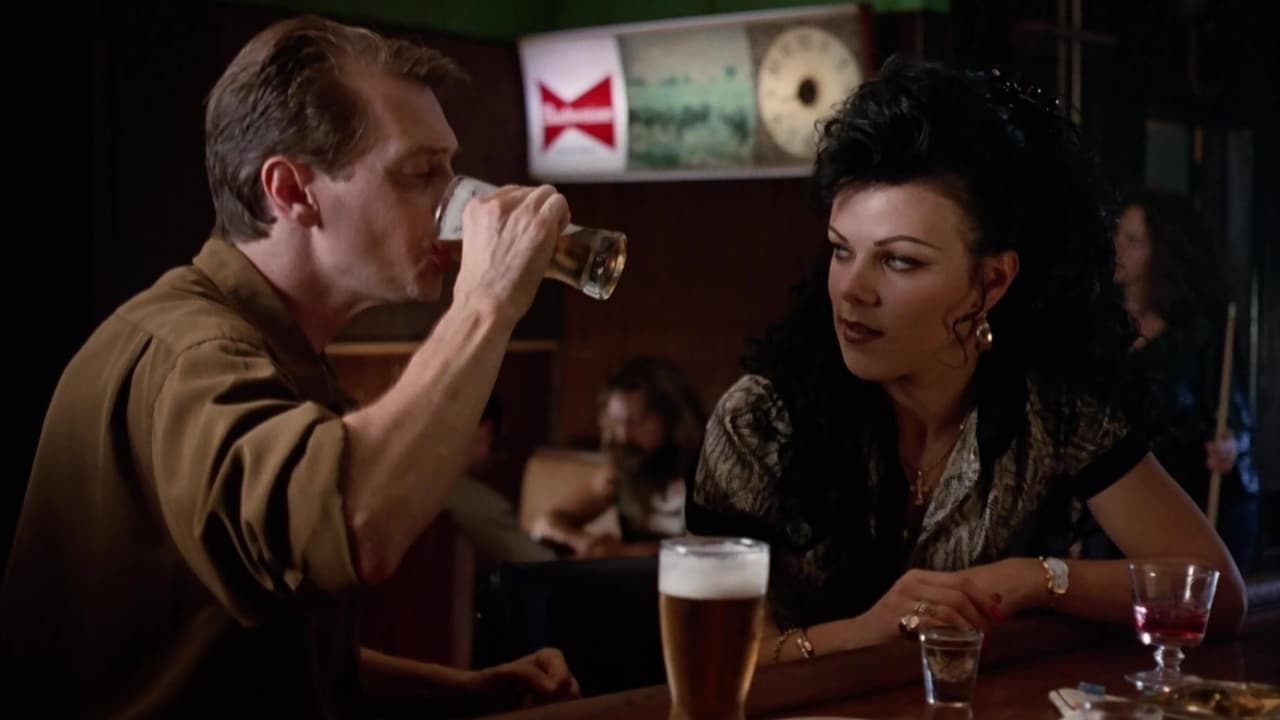
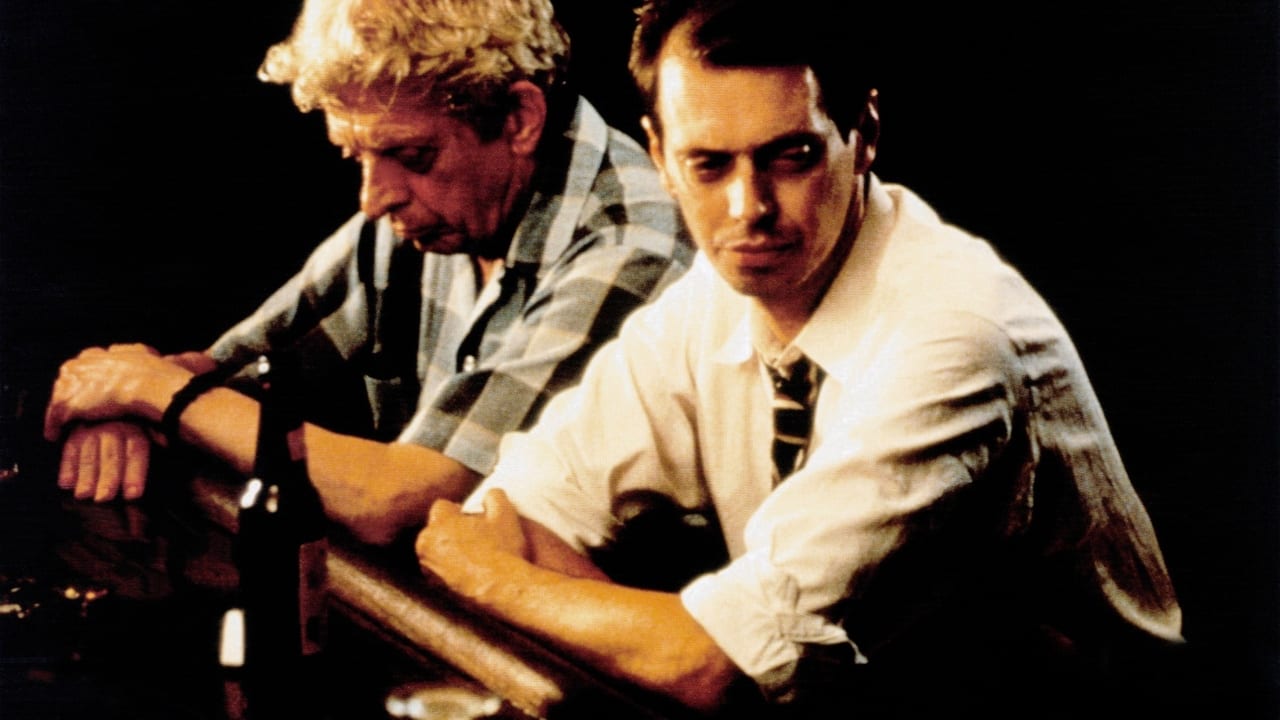
The Trees Lounge of the title isn't just a location; it's a state of mind, a gravitational center for Tommy Basilio (Steve Buscemi himself). Fired from his mechanic job (by his former friend Rob, played by Anthony LaPaglia, who also stole his girlfriend), Tommy finds his days dissolving into a haze of bar-side chats, half-hearted job searches, and ill-advised decisions. The film doesn’t offer a dramatic plot in the conventional sense. Instead, it presents a painfully authentic slice of life, observing Tommy’s interactions with the other regulars – folks like the stoic Mike (Mark Boone Junior, a frequent Buscemi collaborator) and the weary Connie (Carol Kane) – and his fumbling attempts to navigate the wreckage of his personal life.
This isn't a story about hitting rock bottom and finding triumphant redemption. It’s about the messy, uncomfortable reality of simply… floating. Buscemi, pulling triple duty as writer, director, and star, crafts a narrative that feels deeply personal, almost uncomfortably so.
### Buscemi Behind and In Front of the Camera
This film marked Steve Buscemi’s arrival as a filmmaker, and it’s a remarkably assured debut. Drawing inspiration from his own upbringing in Valley Stream, Long Island (where the film was largely shot, lending it an undeniable sense of place), Buscemi avoids flashy techniques. His direction is patient, observational, reminiscent perhaps of filmmakers like John Cassavetes. He lets scenes unfold naturally, capturing the rhythms of bar chatter, the awkward silences, the small, often sad, moments of human connection. There's a quiet confidence in letting the characters simply be.
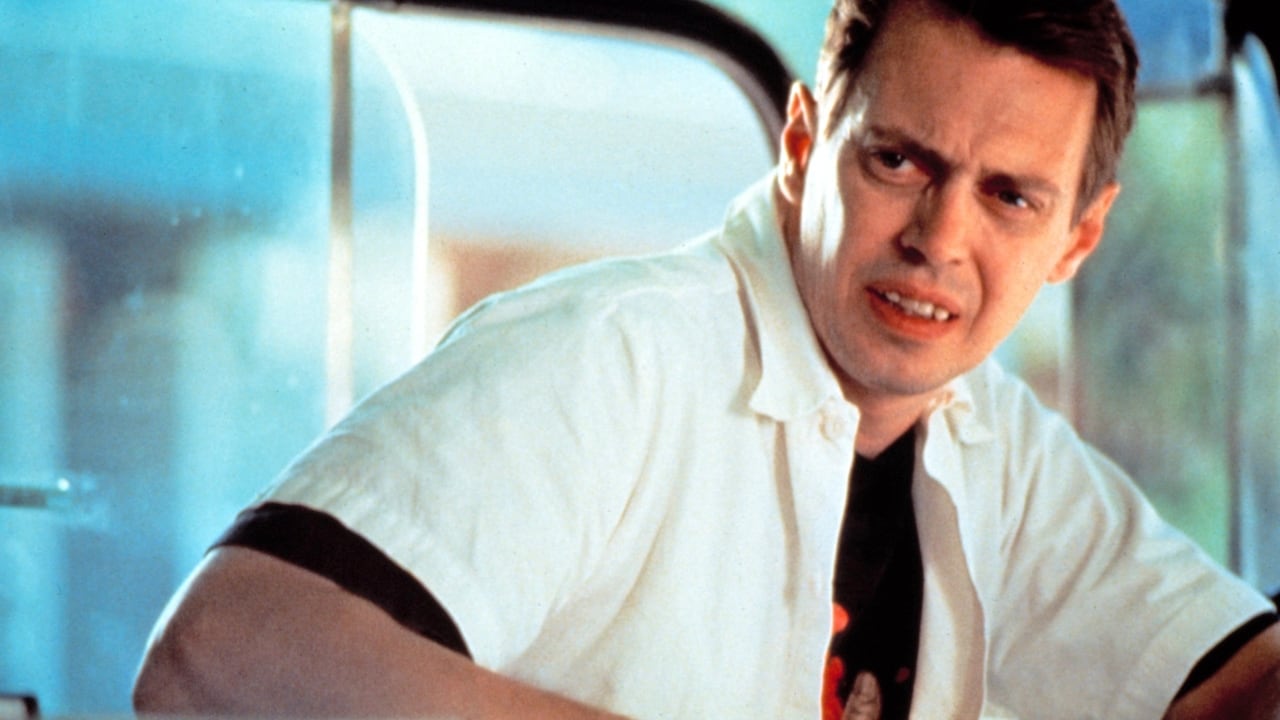
As Tommy, Buscemi delivers a performance stripped of vanity. It’s easy to see echoes of his own past observations here. He’s not asking for sympathy, but he embodies Tommy’s aimlessness with a weary authenticity that’s hard to shake. It's a portrait of inertia, of a man intelligent enough to see his patterns but seemingly unable, or perhaps unwilling, to break them. Watching Tommy is like watching someone tread water, occasionally dipping below the surface before bobbing back up, unchanged.
### A Cast of Familiar Faces, Finding Truth in the Mundane
The ensemble cast is pitch-perfect, populated by faces familiar to any fan of 90s independent cinema. Mark Boone Junior is utterly believable as the bar fixture Mike, a man seemingly welded to his stool. Carol Kane brings her unique blend of vulnerability and eccentricity to Connie. Even brief appearances resonate, like Samuel L. Jackson (then riding high post-Pulp Fiction) as the pool-playing Wendell, bringing a jolt of sharp energy to his scenes.
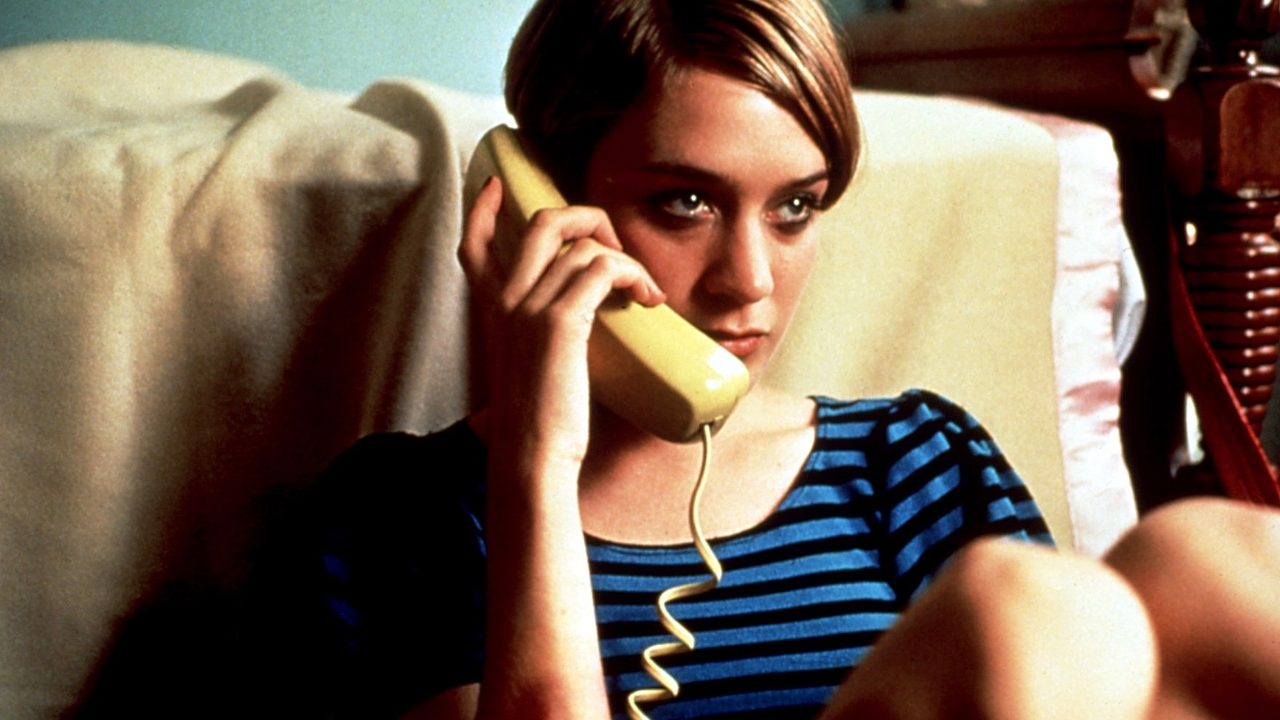
Perhaps the most talked-about and unsettling storyline involves Tommy's interactions with Debbie (Chloë Sevigny, in one of her early, already magnetic roles), the 17-year-old niece of his late uncle. Their dynamic is fraught with uncomfortable implications, handled by Buscemi with a refusal to sensationalize, which somehow makes it even more disquieting. It speaks volumes about Tommy’s arrested development and poor judgment.
### Retro Fun Facts: The Making of a Low-Key Classic
- Deeply Personal Roots: Buscemi has openly stated the film is semi-autobiographical, drawing heavily on his observations and experiences growing up in Valley Stream, New York. He wasn't an unemployed alcoholic mechanic, but he knew the milieu intimately.
- The Ice Cream Man Cometh: The subplot where Tommy takes over his late uncle's ice cream truck route hits differently when you know Steve Buscemi actually did drive an ice cream truck for a period in his early 20s. It adds another layer of lived-in detail to Tommy's fumbling attempts at responsibility.
- Indie Budget, Indie Spirit: Made for a modest $1.3 million, Trees Lounge has that quintessential 90s indie feel – unvarnished, focused on character over spectacle. The budget constraints likely contributed to its raw, authentic aesthetic. It wasn't a box office smash ($747k domestic), but found its audience among critics and cinephiles who appreciated its honesty.
- Friends in Low Places: Buscemi cast many friends and familiar faces from the indie scene, like Mark Boone Junior, adding to the film's lived-in, communal feel. Filming in actual Long Island locations, including local bars that served as inspiration, further grounded the production.
- Critical Nod: While not universally lauded upon release (some found it too bleak or slow), many critics praised Buscemi's direction and the film's unflinching realism, drawing comparisons to character-driven dramas of the 70s. It holds up well, arguably feeling even more relevant in its depiction of quiet despair.
### The Lingering Taste
Trees Lounge isn't a feel-good movie. It doesn’t offer easy answers or neat resolutions. Watching it again now, decades after first catching it on a rented tape, evokes a specific kind of nostalgia – not necessarily for the events depicted, but for a time when small, character-focused dramas like this could get made and find their way to video store shelves. It captures a certain late-20th-century suburban listlessness with unnerving accuracy. Does Tommy’s meandering resonate with paths not taken, or perhaps thankfully avoided? It’s a question the film leaves hanging in the air, like smoke in a quiet bar.
What stays with you is the atmosphere, the finely observed performances, and the profound sadness beneath the surface-level banter. It's a film about the quiet tragedies and minor comedies that play out in ordinary lives, particularly those lived in the orbit of a place like Trees Lounge.
Rating: 8/10
This rating reflects the film's exceptional authenticity, Steve Buscemi's masterful triple-threat contribution, the strong ensemble cast, and its power as a character study. It’s a near-perfect execution of its specific, melancholic vision. It loses a couple of points only because its deliberate pacing and downbeat subject matter might make it a challenging watch for some viewers, preventing it from being a universally enjoyable film, though it is undoubtedly a compelling one.
Final Thought: Trees Lounge reminds us that sometimes the most profound stories aren't about grand gestures, but about the quiet hum of existence in places where dreams go to gently fade. It’s a film that understands the magnetic pull of the familiar, even when the familiar is slowly draining you dry.