Here we go, sliding another tape into the VCR of our memories. This time, it’s 1994’s Guarding Tess, a film that presents itself as a comedy but quietly unfolds into something more poignant about duty, dignity, and the unexpected connections forged in the line of service. It poses a subtle question right from the start: what happens when the job you’re sworn to do feels less like protecting a national treasure and more like babysitting a particularly thorny former First Lady?

### The Reluctant Protector and the Formidable Charge
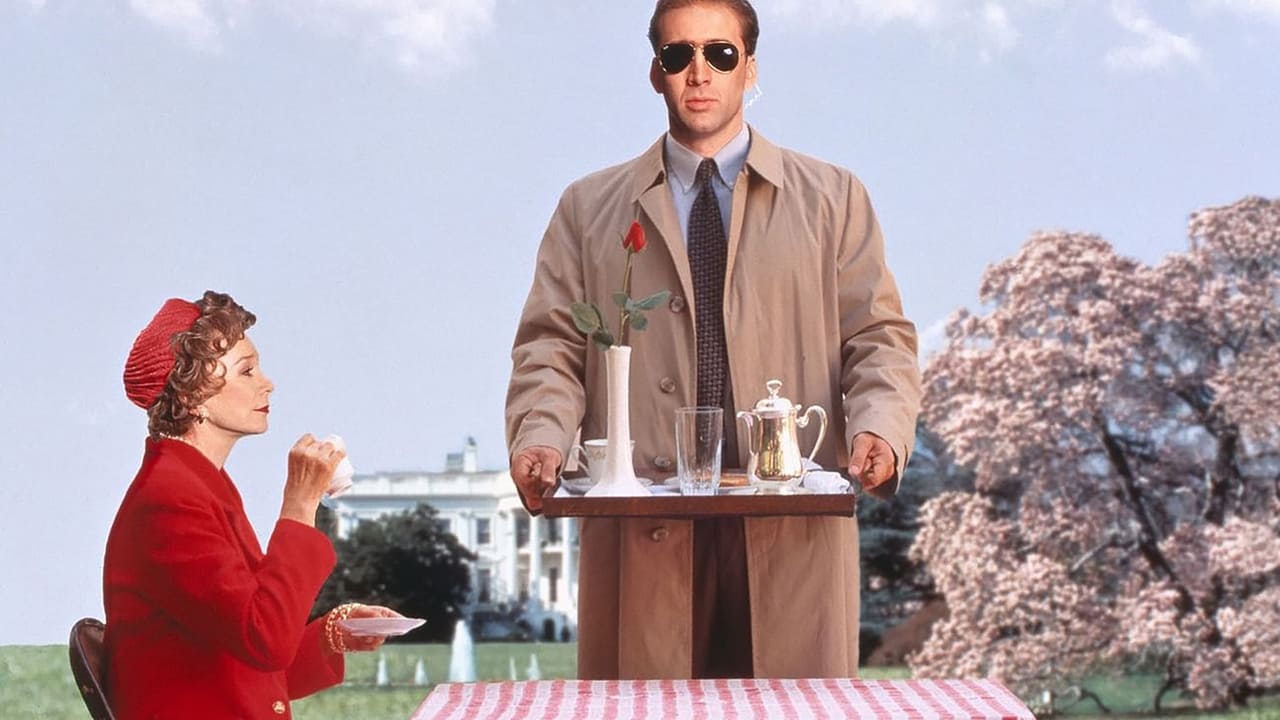
At the heart of Guarding Tess lies the simmering conflict between Secret Service Agent Doug Chesnic, played by a wonderfully restrained Nicolas Cage, and the eponymous Tess Carlisle, embodied with irascible grandeur by the legendary Shirley MacLaine. Doug is professionalism personified, a man yearning for the danger and prestige of presidential detail, but instead finds himself reassigned (at her specific request, no less) to the seemingly mundane task of overseeing the twilight years of a widowed First Lady in sleepy Ohio. Tess, meanwhile, is a force of nature – demanding, manipulative, keenly intelligent, and profoundly lonely, using her status and sharp tongue as both shield and weapon against the encroachments of age and irrelevance.
Director Hugh Wilson, perhaps best known for the boisterous laughs of Police Academy (1984) or the sitcom warmth of WKRP in Cincinnati, shifts gears here. It’s said Wilson drew inspiration for the script partly from observing the complex dynamics within his mother's nursing home, and that attention to the nuances of aging and caregiver relationships shows. This isn't a film built on gags; the humor arises organically from the clash of these two stubborn personalities – Doug’s by-the-book rigidity constantly tested by Tess’s imperial whims. Remember his insistence on protocol versus her casual disregard for it? Their verbal sparring is the film's engine for much of its runtime.
### More Than Just Banter
While the bickering provides the surface entertainment, the film subtly probes deeper. We see Doug’s frustration, not just with Tess, but with a career path that feels stalled, relegated to fetching groceries and enduring opera when he imagines himself taking bullets. For Nicolas Cage, an actor we often associated with more kinetic, eccentric energy in films like Raising Arizona (1987) or Moonstruck (1987) around that era, playing Doug was a study in controlled simmering. His coiled tension, the flicker of resentment behind the polite "Yes, Ma'am," felt incredibly authentic. It was a performance that reminded us of his considerable range beyond the wilder roles.
And Shirley MacLaine... well, she is Tess Carlisle. It’s a performance layered with contradictions. One moment Tess is imperious, ordering Doug around like a recalcitrant butler; the next, a flicker of vulnerability betrays the deep-seated fear of being forgotten, of her life narrowing down to doctor's appointments and mediated interactions. Interestingly, MacLaine apparently drew some inspiration from the outspoken Martha Mitchell, wife of Nixon’s Attorney General, known for her colourful personality. It’s also a role MacLaine reportedly turned down initially, requiring Wilson’s persistence to bring her aboard – a bit of behind-the-scenes trivia that makes her commanding presence feel even more vital to the film's success. It’s hard to picture anyone else navigating Tess’s blend of arrogance and aching humanity so effectively. She earned a Golden Globe nomination for this, and you can see why.

### Small Town Duty, Big Human Questions
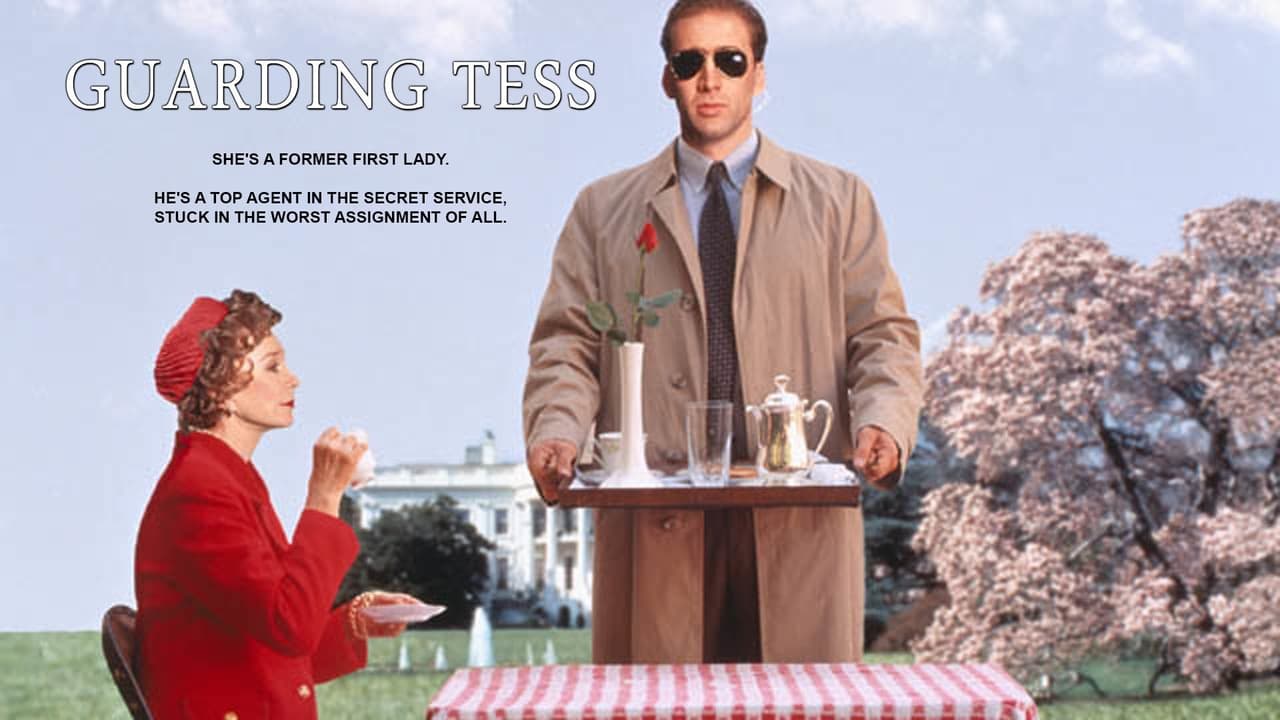
Filmed largely on location in the quiet town of Parkton, Maryland, the setting reinforces the sense of isolation – both Tess’s gilded cage of former glory and Doug’s professional exile. The supporting cast, including Austin Pendleton as the devoted chauffeur Earl, adds texture and warmth, highlighting the small ecosystem that revolves around Tess. The film operates on a modest scale; with a budget around $20 million, it found quiet success ($27 million domestic gross) in a year dominated by giants like Forrest Gump and The Lion King. It wasn’t aiming for blockbuster status, but rather for something more intimate.
The narrative takes a more dramatic turn in the third act (Spoiler Alert for those who haven’t revisited this one in a while!). The shift towards a kidnapping plotline certainly raises the stakes, forcing Doug and Tess’s relationship into sharp focus. While some might find this turn a bit conventional compared to the character study preceding it, it serves a crucial purpose: it strips away the pretense and reveals the genuine, albeit grudging, bond that has formed beneath the surface antagonism. Doug’s professionalism snaps into high alert, but now it’s fueled by something more personal. Tess, removed from her familiar comforts, confronts her own vulnerability in a stark new way. Does this plot shift feel entirely seamless? Perhaps not perfectly, but it effectively crystallizes the film's core themes of duty becoming devotion.
### Lasting Impressions from the Tape Shelf
Guarding Tess might not be the flashiest title from the mid-90s section of the video store, but it possesses a quiet charm and emotional resonance that lingers. I recall renting it back then, perhaps expecting something lighter given the talent involved, and being pleasantly surprised by its depth and the authenticity of the central performances. It's a film that respects its characters, even at their most difficult, and explores the complex territory of service, aging, and the unexpected ways human connection can breach the walls of protocol and personality clashes.
It asks us, subtly, about the nature of respect – is it owed due to status, or earned through shared experience and understanding? What does it mean to truly care for someone, even when it's your job?
Rating: 7/10
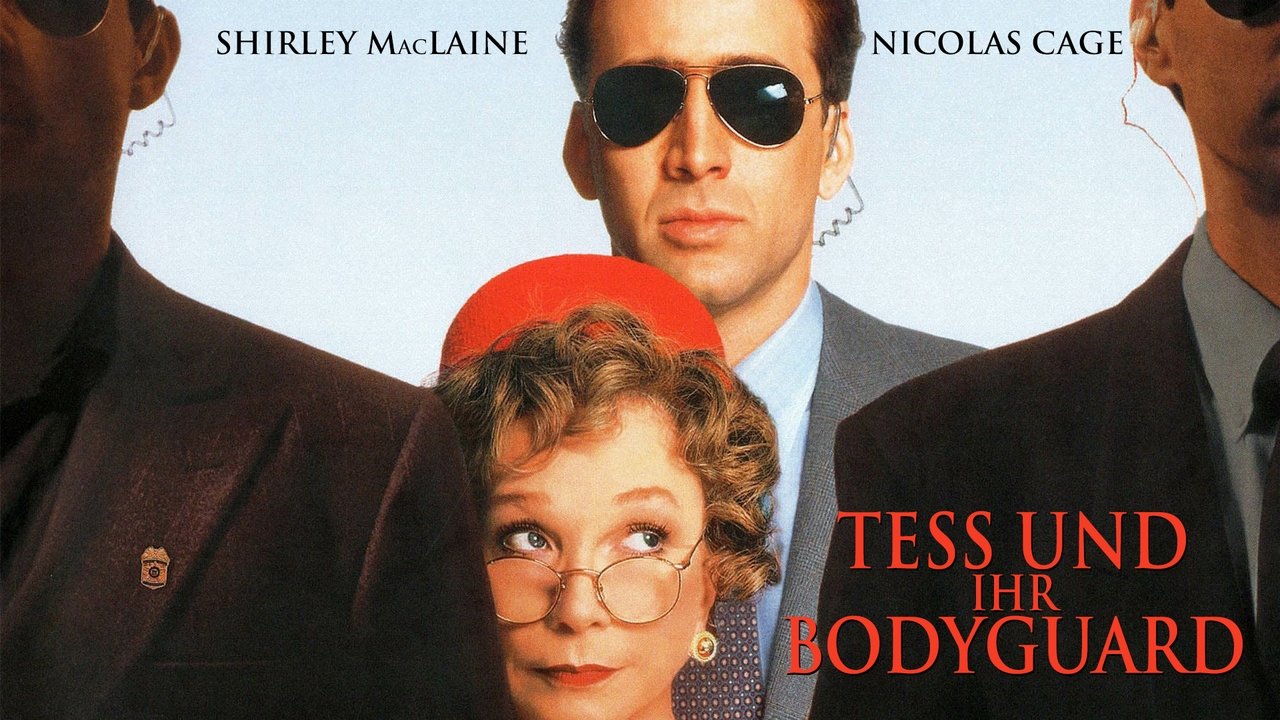
Justification: Guarding Tess earns its points through the powerhouse performances of MacLaine and Cage, whose chemistry fuels the film's humour and heart. The script offers a thoughtful look at aging, loneliness, and duty, even if the third-act plot shift feels a touch formulaic. It's a well-crafted, character-driven comedy-drama that resonates more deeply than its simple premise might suggest.
Final Thought: A warm, often witty, and surprisingly moving film that reminds us that even the most guarded hearts can find common ground, especially under the watchful eye of duty… or perhaps, genuine affection disguised as such. A definite gem worth revisiting from the 90s rental shelf.