Okay, pop that tape in the VCR, maybe give the tracking a little nudge, and prepare yourself. Tonight on VHS Heaven, we're diving headfirst into a wok full of comedic genius, utter absurdity, and surprisingly poignant moments with Stephen Chow's 1996 Hong Kong mega-hit, The God of Cookery. Forget your standard Hollywood fare; this is a flavour explosion that hits different, a prime example of why scouring those video store shelves often yielded the most unforgettable cinematic meals.
If you only know Stephen Chow from his later international hits like Shaolin Soccer (2001) or Kung Fu Hustle (2004), The God of Cookery is essential viewing. It’s Chow solidifying his unique comedic style – the Cantonese "mo lei tau" (makes no sense) – blending lightning-fast verbal gags (some lost in translation, but the energy isn't), outrageous visual humour, and moments that sneak up and punch you right in the feelings.
### Hubris Before the Fall
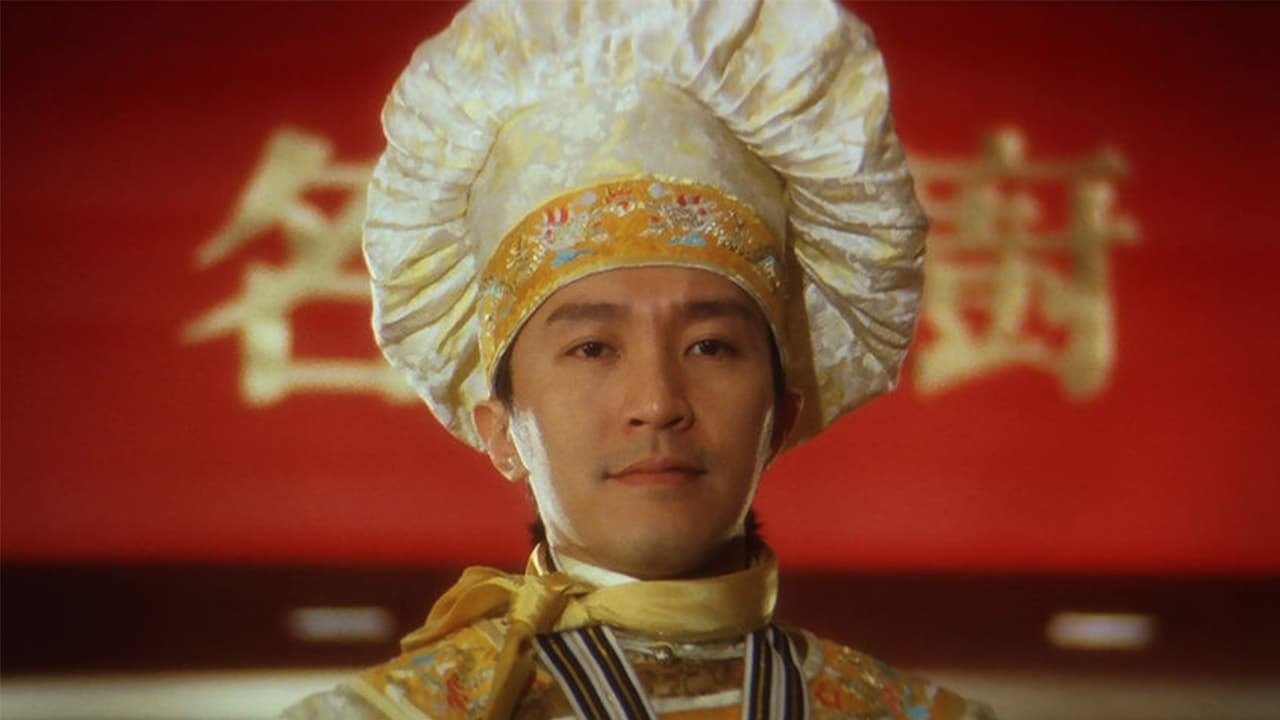
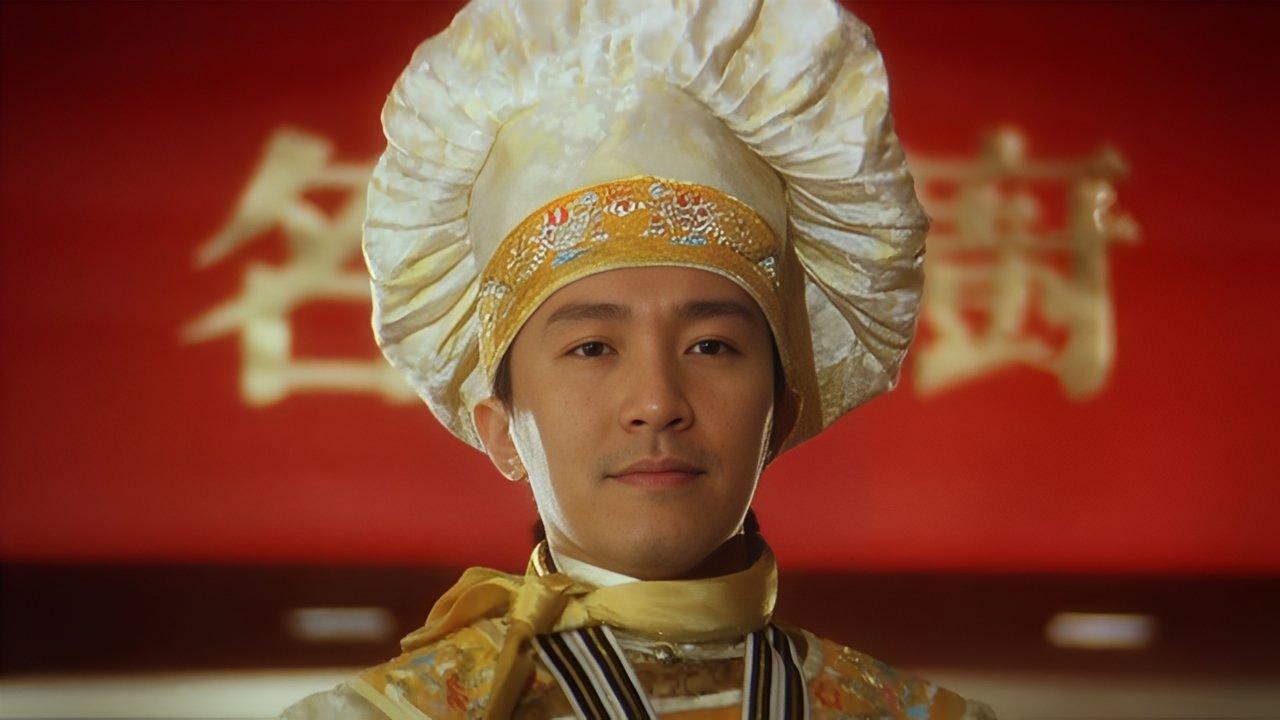
Chow himself stars as, well, "Stephen Chow," a wildly arrogant, utterly corrupt celebrity chef known as the titular God of Cookery. He's built an empire on slick marketing, bullying tactics, and passing off others' work as his own. He’s introduced presiding over a cooking contest with the kind of sneering contempt that makes Gordon Ramsay look like Mister Rogers. This opening sequence is pure, unadulterated Chow – establishing a character you love to hate, setting him up for a glorious fall from grace. And fall he does, betrayed by his conniving protégé (Vincent Kok, who also co-wrote and co-directed) and the equally slippery Bull Tong (Ng Man-tat, Chow’s frequent, brilliant comedic foil). Stripped of his title and fortune, Chow finds himself destitute on the gritty streets of Temple Street.
It’s a classic setup, but Chow's execution is anything but conventional. The speed at which his empire crumbles is whiplash-inducing, leaving you simultaneously laughing at the absurdity and maybe feeling a tiny pang of sympathy for the utter tool he was. Retro Fun Fact: Chow apparently drew some inspiration for the cutthroat culinary world depicted from real-life scandals and rivalries within Hong Kong's food scene at the time, adding a layer of surprisingly sharp satire beneath the slapstick.
### Temple Street Re-Education
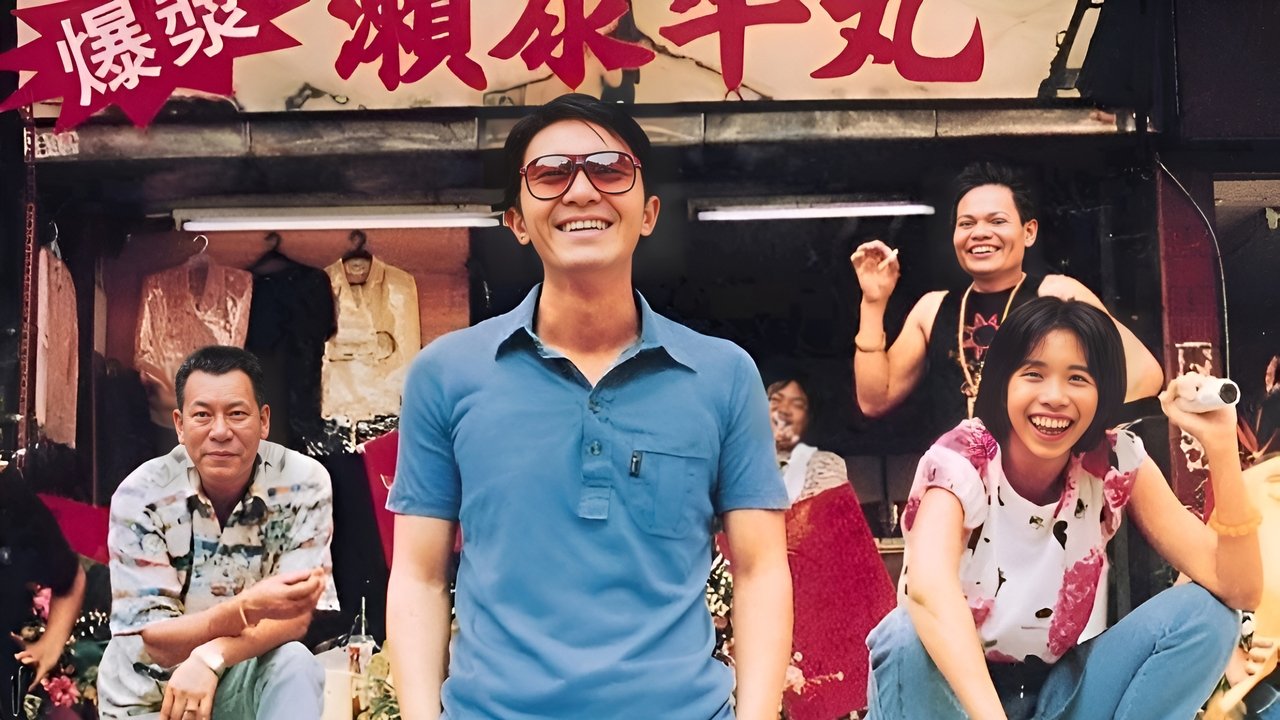
This is where the film finds its wonderfully chaotic heart. Down and out, Chow encounters the formidable Sister Turkey, played with fearless gusto by Karen Mok. Mok, then known more as a pop singer and actress often cast in more glamorous roles, completely transforms herself here. Remember those teeth? Retro Fun Fact: Chow reportedly encouraged Mok to embrace the "ugly" look for comedic effect, complete with exaggerated prosthetic teeth and a generally dishevelled appearance, a move Mok gamely embraced, creating one of the film's most iconic and surprisingly endearing characters.

Turkey and her gang of street vendors take Chow under their wing (after some initial, violent reluctance). It’s among these colourful characters, purveyors of delights like "Exploding Prawn Balls" (exactly what they sound like), that Chow begins his path to redemption. The cooking scenes here aren’t about fancy techniques; they're about passion, street smarts, and finding flavour in unexpected places. The energy is infectious, a whirlwind of frantic chopping, sizzling woks, and brilliantly staged physical comedy. Wasn't the sheer kinetic energy of Hong Kong comedies from this era just something else?
### From Wok Fu to Shaolin Chefs
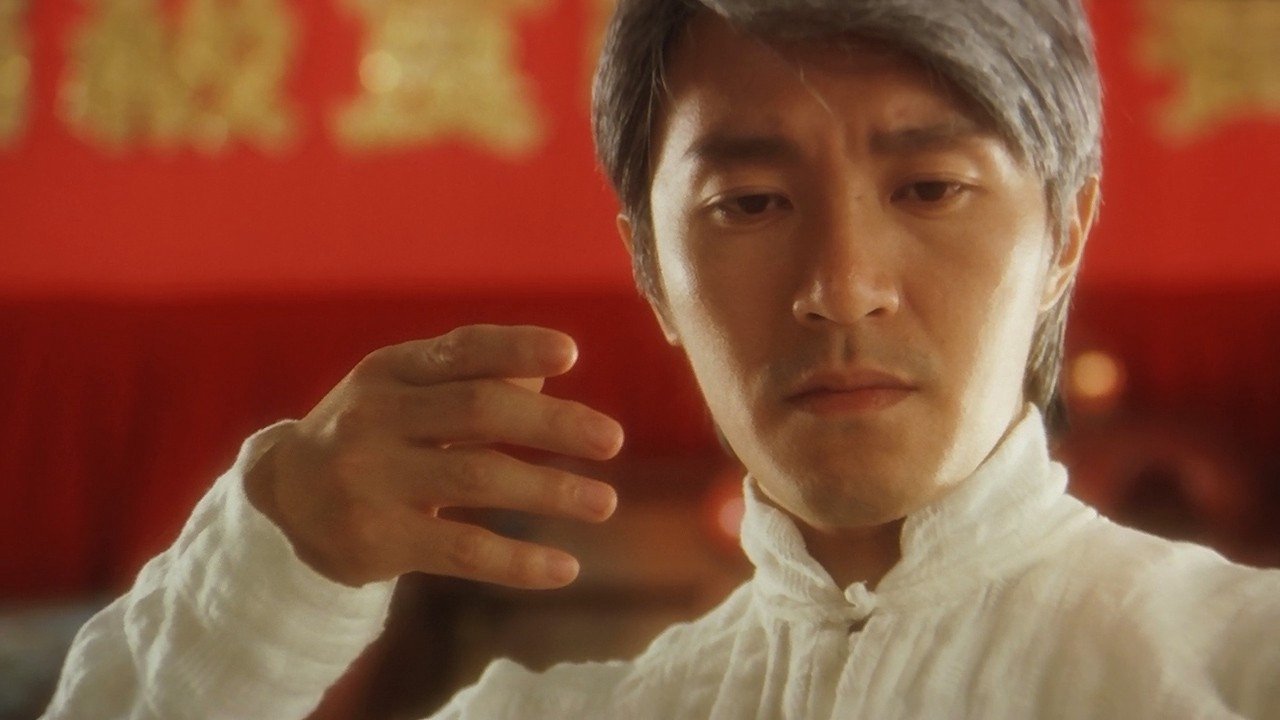
The film takes another delightful left turn when Chow seeks ultimate culinary knowledge... at the Shaolin Temple's legendary (and entirely fictional) kitchen. Yes, you read that right. The training sequence is a hilarious parody of martial arts movie tropes, predating Shaolin Soccer’s more overt blending of kung fu and sport. It’s utterly bonkers, involving intense physical trials and meditative cooking techniques that defy logic but are played with absolute conviction. Retro Fun Fact: The inclusion of Shaolin elements reflects Chow's lifelong love of martial arts cinema, a theme that consistently pops up even in his most outlandish comedies. It's this willingness to smash genres together that makes his work so unique.
This middle section showcases Chow's directorial flair (co-directing here with Li Lik-Chi, a frequent collaborator). The pacing is relentless, the gags fly thick and fast, and the camera work often emphasizes the physical comedy in ways that feel raw and impactful – a far cry from the smoother, sometimes sterile feel of modern CGI-assisted slapstick. You feel the impact, you see the effort, even when it’s utterly ridiculous.
### The Final Showdown: Sorrowful Rice
Naturally, it all culminates in a final, high-stakes cooking competition. This sequence is a masterful send-up of competitive cooking shows, decades before they became a global television staple. The dishes are impossibly elaborate, the judges are hilariously biased, and the rivalry between Chow and Bull Tong reaches operatic levels of absurdity.
But amidst the chaos, Chow prepares his masterpiece: "Sorrowful Rice" (黯然銷魂飯). It’s essentially a simple dish – BBQ pork and fried egg on rice – but imbued with all the hardship, regret, and eventual gratitude Chow's character has experienced. The moment it’s presented is genuinely touching, a sudden shift in tone that works beautifully precisely because of the preceding madness. It’s a testament to Chow's skill that he can pivot from broad comedy to sincere emotion without missing a beat. Retro Fun Fact: "Sorrowful Rice" became an iconic dish in Hong Kong pop culture after the film's release, with many restaurants offering their own versions. The film was a massive box office success in Hong Kong, cementing Chow's status as the King of Comedy.
### The Verdict
The God of Cookery is a glorious mess, a whirlwind tour through Stephen Chow's comedic mind. It’s loud, brash, sometimes nonsensical, but possesses a huge heart and an undeniable creative energy. The performances are pitch-perfect, especially Chow's own evolution from heel to hero and Karen Mok's unforgettable turn. It’s a film that feels uniquely of its time and place – a product of the hyper-kinetic Hong Kong cinema scene of the mid-90s – yet its themes of redemption and finding humanity in unexpected places still resonate.
Rating: 9/10
This score reflects the film's sheer comedic invention, its iconic characters, perfectly balanced blend of satire, slapstick, and surprising heart, and its status as a cornerstone of Stephen Chow's filmography. It's a near-perfect example of his unique genius firing on all cylinders. Some jokes might land differently depending on your familiarity with Cantonese wordplay, but the universal language of brilliant physical comedy and culinary chaos shines through.
Final Thought: Finding The God of Cookery on a dusty VHS shelf felt like uncovering a secret recipe for pure cinematic joy – a reminder that sometimes the most satisfying meals (and movies) are the ones that throw every possible ingredient into the wok and somehow make it taste absolutely divine. Still deliciously chaotic today.