Alright, settle back into that worn spot on the couch, maybe imagine the whirring sound of the VCR rewinding. We're diving headfirst into a whirlwind of Cantonese comedy and surprisingly potent martial arts: Gordon Chan's 1992 manic masterpiece, King of Beggars (武狀元蘇乞兒). If you haunted the 'World Cinema' or 'Martial Arts' aisles of your local video store back in the day, chances are you stumbled across a tape featuring the rubber-faced genius, Stephen Chow, perhaps with slightly bewildering cover art. And King of Beggars? This one was pure, uncut Chow at the absolute peak of his early 90s reign.
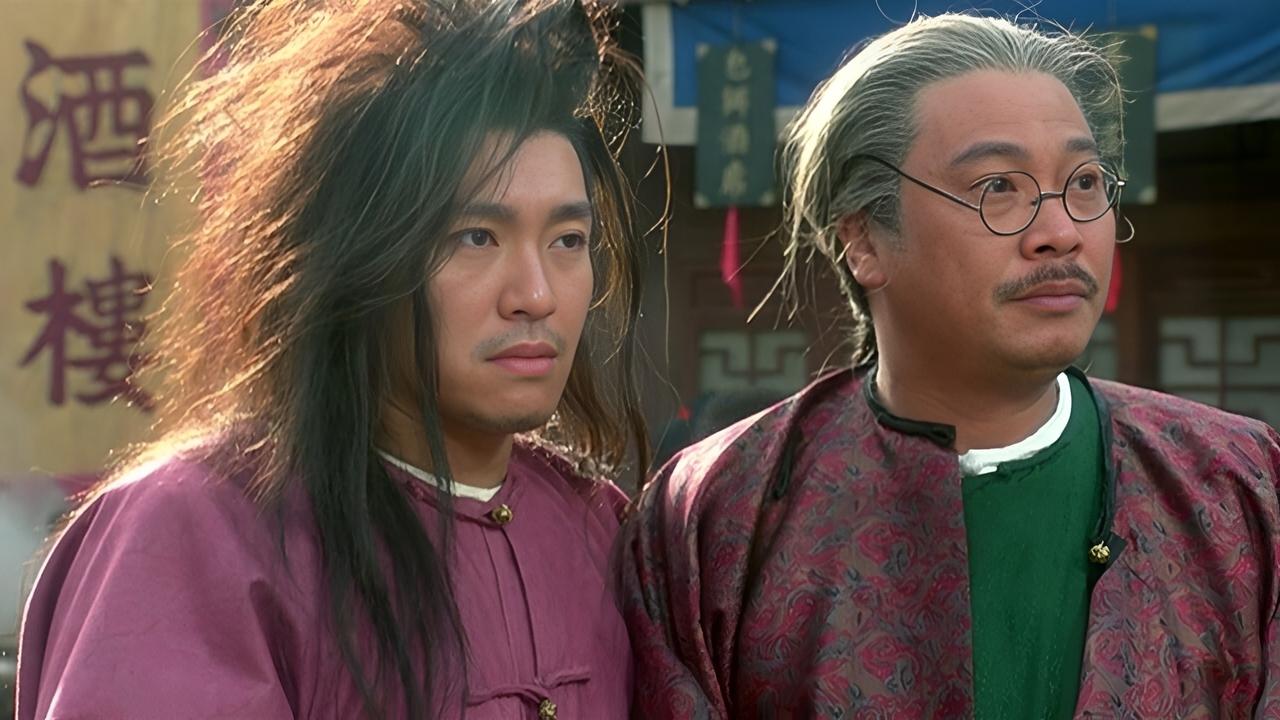
1992 was practically "The Stephen Chow Year" in Hong Kong cinema, with the man seemingly starring in half the blockbusters released. Nestled among giants like Justice, My Foot! and Royal Tramp, King of Beggars offered a uniquely Chow spin on the classic martial arts narrative: the fall from grace and the triumphant return. Chow plays So Chan, the spoiled, illiterate, and fabulously wealthy son of a general (Ng Man-tat, Chow's indispensable comedic foil). He's arrogant, wasteful (remember him literally burning money?), but smitten by the beautiful prostitute Yu-shang (Sharla Cheung, a frequent and welcome presence alongside Chow), who declares she'll only marry the Imperial Martial Arts Champion. Cue So Chan deciding to, you know, just win the whole thing.
From Riches to Rags, With Laughs
What follows is pure "mo lei tau" – that signature Hong Kong style of nonsensical, rapid-fire, often pun-based humor that Chow perfected. The initial sequences are a barrage of gags showcasing So Chan's ludicrous wealth and incompetence, bolstered by the pitch-perfect exasperated reactions of Ng Man-tat. But director Gordon Chan, who would later give us the much more serious martial arts classic Fist of Legend (1994) with Jet Li, doesn't just coast on comedy. He expertly weaves in the setup for a dramatic reversal. The conspiracy led by the sinister Chiu Mo-kei (played with veteran menace by former Shaw Brothers star Norman Chui) feels genuinely threatening, leading to So Chan's devastating downfall.
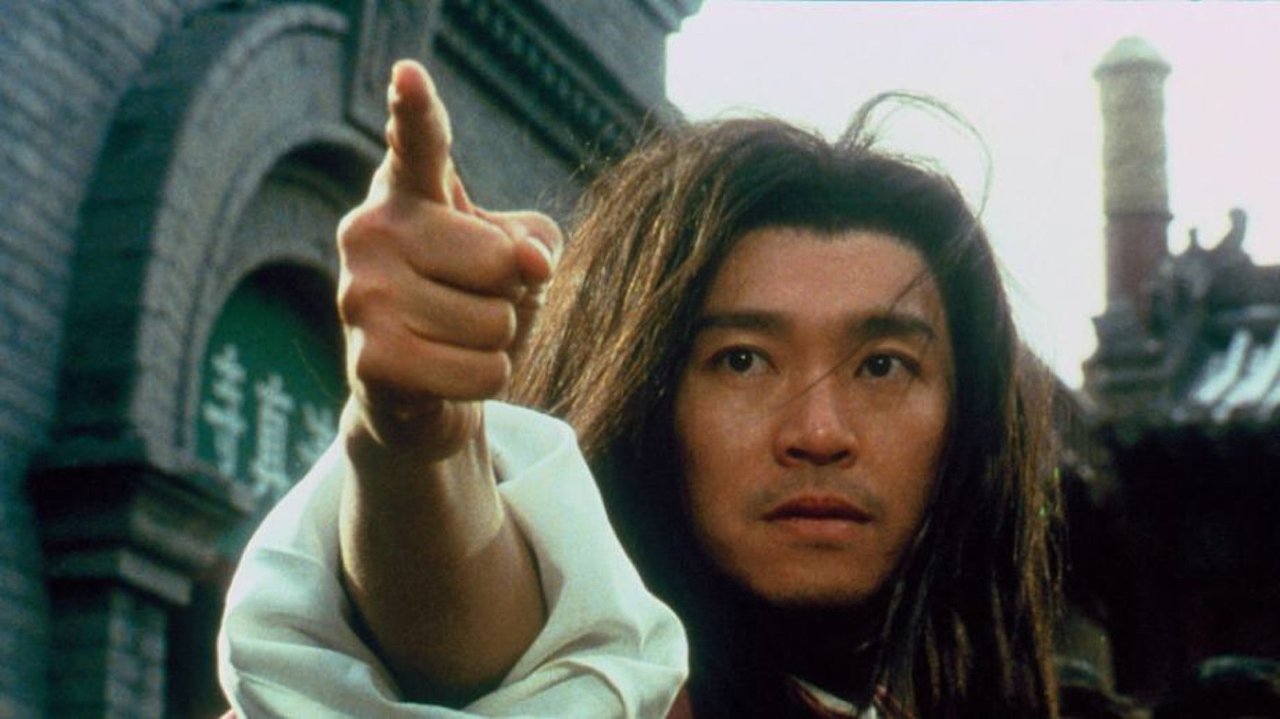
It's this sharp turn – stripped of wealth, status, and even his martial arts skills – that gives King of Beggars its surprising heart. Seeing Chow's character reduced to begging, crippled and broken, provides a stark contrast to the earlier silliness. This wasn't always typical for Chow's films, which often maintained a relentlessly high comedic tempo. Here, the pathos lands, making his eventual rise through the ranks of the Beggars' Sect (a staple organisation in wuxia literature) feel earned. This structure, blending broad comedy with genuine stakes, was a hallmark of Gordon Chan's direction, preventing the film from becoming just another gag-fest.
Fists of Fury... and Slapstick
Let's talk action. Forget the smooth, physics-defying CGI ballets of today. This is prime 90s Hong Kong wire-fu, choreographed by Yuen Cheung-yan of the legendary Yuen clan. The fights in King of Beggars possess a tangible, almost reckless energy. When someone gets hit, they fly – propelled by visible wires, perhaps, but with a force that felt impactful on our grainy CRT screens. The practical effects, the pyrotechnics, the stunt performers putting their bodies on the line... it has that raw, slightly dangerous edge we associate with the golden age of Hong Kong action.
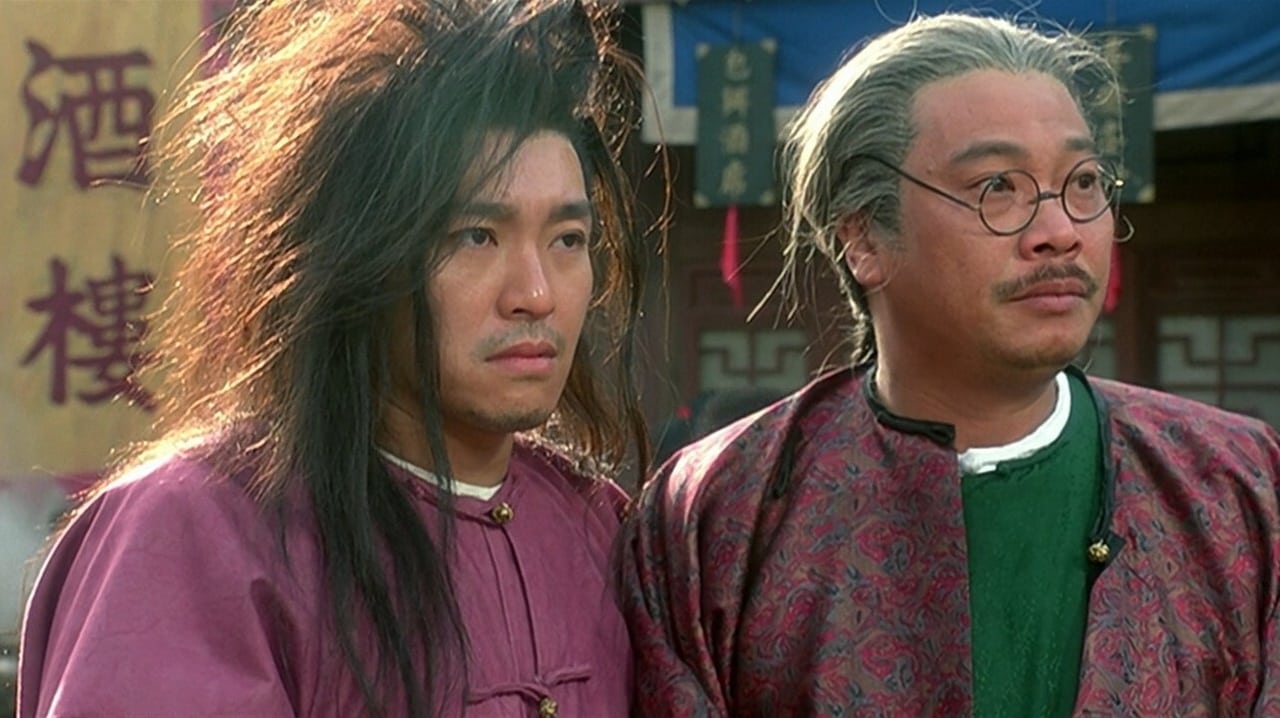
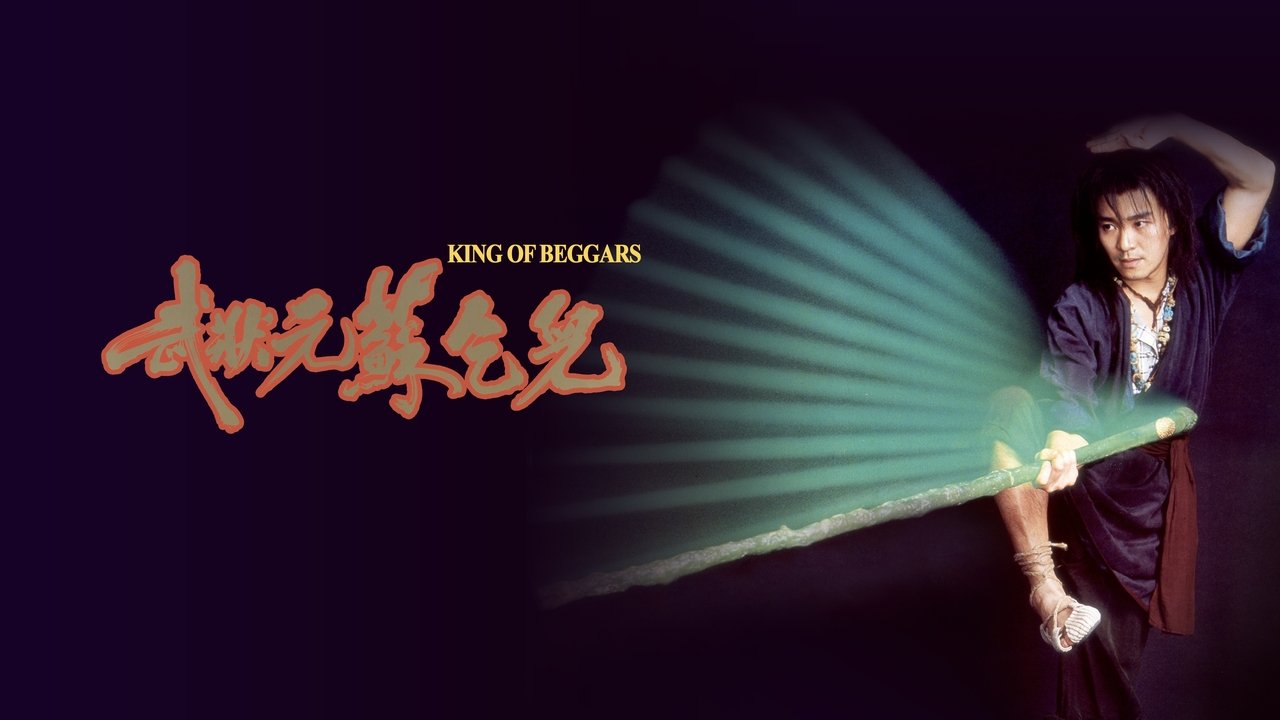
Remember the sheer invention of the "Sleeping Fist" technique So Chan masters? It’s absurd, comedic, yet leads to some genuinely inventive fight choreography. The climactic battle, involving intricate wirework and moments of genuine peril, still holds up as a fantastic example of blending martial skill with character-driven comedy. It wasn't about seamless realism; it was about selling the impact and the creativity of the combat, something Hong Kong cinema did better than anyone else at the time.
A Slice of VHS Gold
Digging this out on VHS often meant dealing with questionable English dubs or subtitles that occasionally added another layer of unintentional comedy, but the universal language of Stephen Chow's physical performance and the kinetic energy of the action always shone through. It’s fascinating to think that this film, packed with local Cantonese humor, became the 4th highest-grossing film in Hong Kong in 1992, pulling in over HK$37 million – a testament to Chow's immense popularity and the film's successful blend of genres. It wasn't just a movie; it was a cultural phenomenon during Chow's incredible box office run.
While some of the humor is definitely specific to its time and place, the core story of redemption, the electric chemistry between Chow and Ng Man-tat, and the sheer inventiveness of the action sequences remain incredibly entertaining. It perfectly encapsulates that unique Hong Kong magic trick: making you laugh hysterically one minute and gasp at a daring stunt the next.
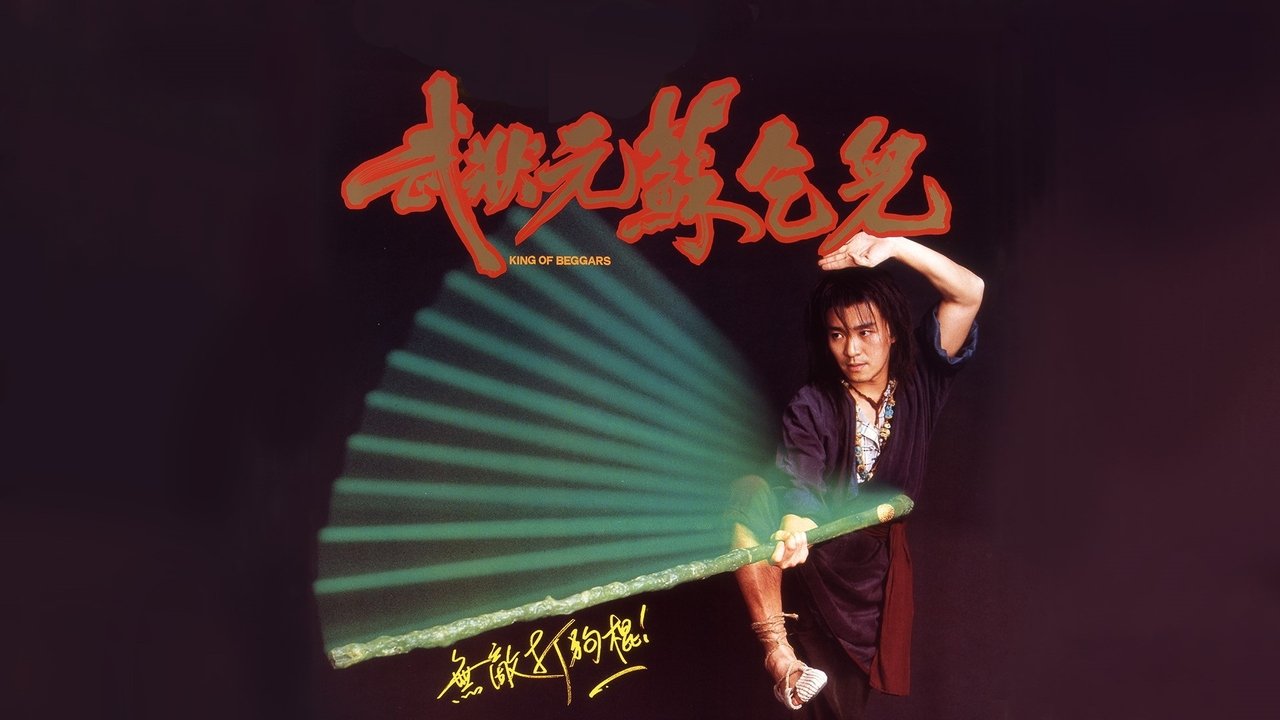
Rating: 8/10
Justification: King of Beggars is a near-perfect blend of Stephen Chow's signature "mo lei tau" comedy and energetic, practical-effects-driven martial arts action. While the dramatic shift is effective, the rapid-fire Cantonese humor might not land perfectly for all Western viewers without context. However, the physical comedy, brilliant performances (especially Chow and Ng Man-tat), memorable set pieces, and genuinely impressive (for the era) wire-fu choreography make it a standout classic of early 90s Hong Kong cinema. The sheer entertainment value is undeniable.
Final Thought: This isn't just a comedy or an action film; it's a glorious collision of both, powered by superstar charisma and that raw, anything-goes energy that made popping in a Hong Kong VHS tape feel like uncovering pure cinematic treasure.