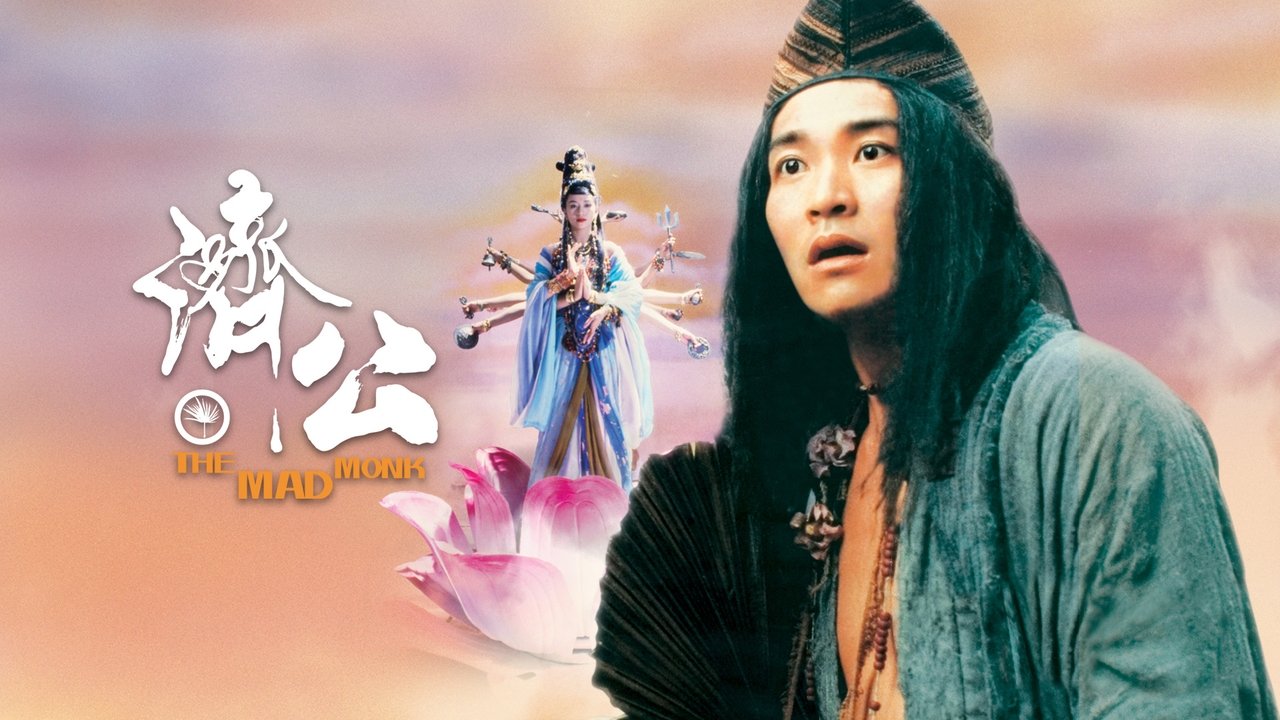
Alright, pop that tape in the VCR, maybe give the tracking a little nudge, because we're diving headfirst into the gloriously chaotic world of 1993 Hong Kong fantasy-comedy with Johnnie To and Chik Ki Yee’s The Mad Monk (also known as Ji Gong). If your memories of early 90s Hong Kong cinema involve manic energy, baffling tonal shifts, and Stephen Chow being utterly brilliant, then buckle up – this one’s a divine mess in the best possible way. Forget sleek modern blockbusters; this is pure, uncut VHS-era mayhem beamed directly from a celestial plane that clearly enjoys a good pratfall.
### Heavenly Hubris, Earthly Hijinks
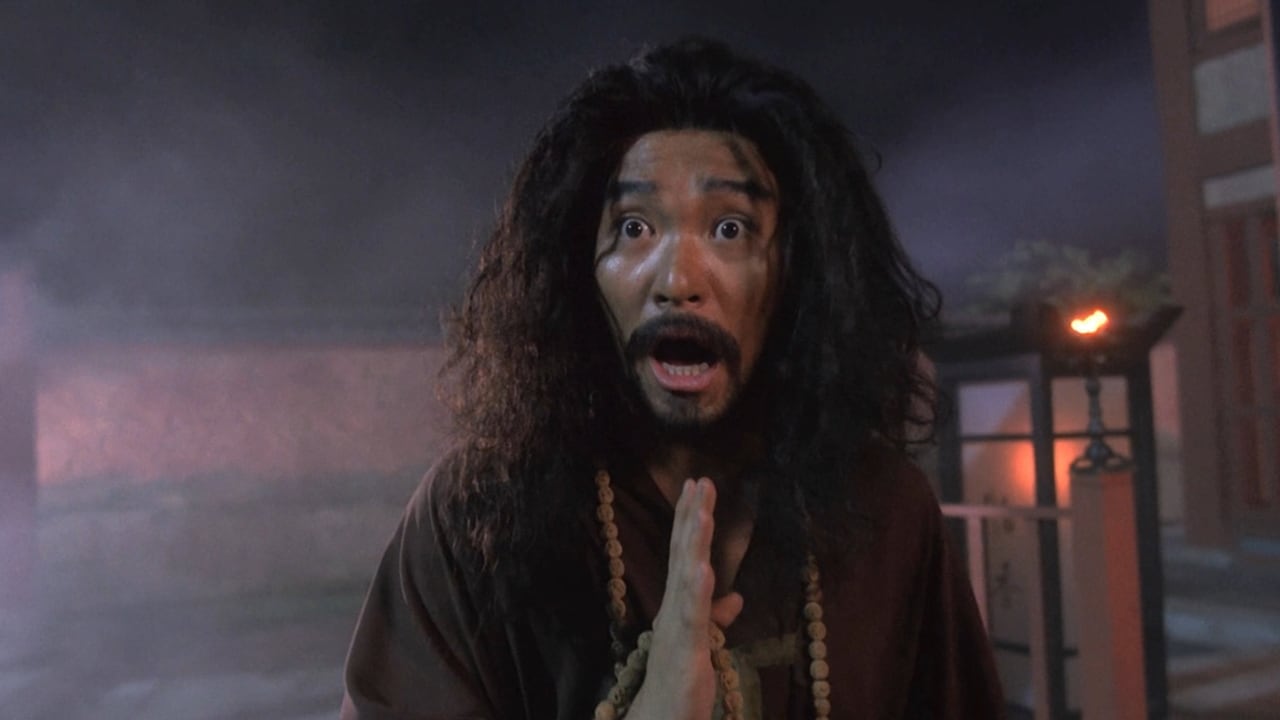
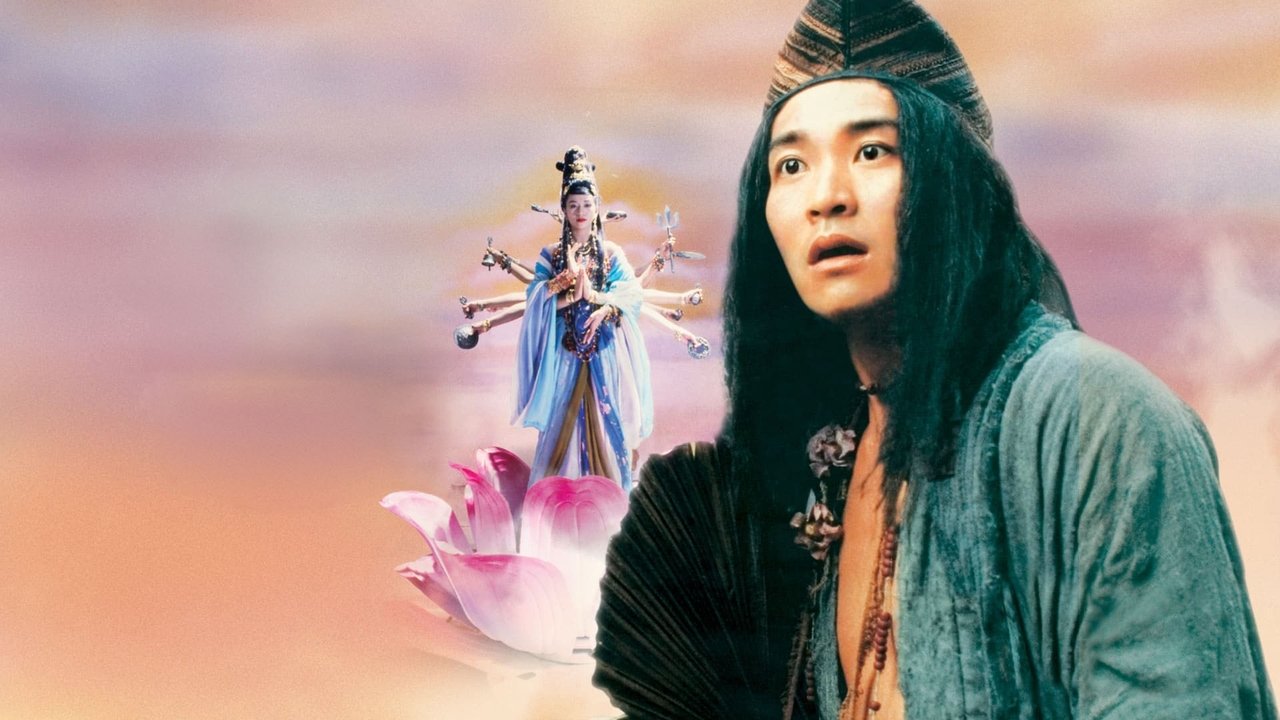
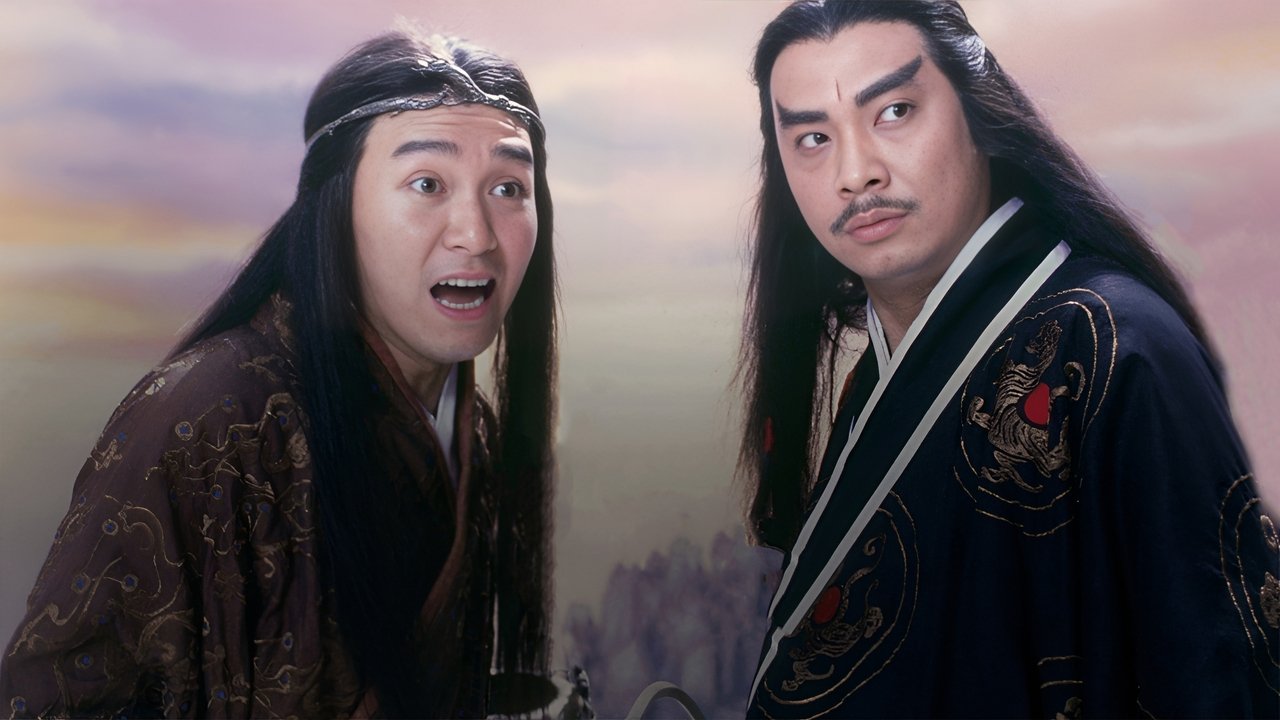
The premise alone feels like peak 90s HK invention: Stephen Chow, arguably the biggest comedy star in Asia at the time, plays the Dragon Fighter Lohan, an arrogant deity lounging in Heaven. After casually defying celestial bureaucracy one too many times (by, among other things, exposing a cheating god mid-card game), he’s demoted to Earth. His mission, should he choose to accept it (and he doesn't really have a choice), is to alter the grim destinies of three unfortunate mortals: a nine-times-cursed beggar (Anthony Wong Chau-Sang), a perpetually kind-hearted prostitute (Maggie Cheung), and a genuinely nasty piece of work (Kirk Wong, also a notable director himself!). If he succeeds before the Jade Emperor loses patience, he gets his golden robes back. If not? Well, let's just say divine cancellation awaits.
This setup is pure catnip for Chow’s signature mo lei tau (nonsensical) comedy style. Fresh off monster hits like Fight Back to School (1991) and Justice, My Foot! (1992), Chow throws himself into the role of Ji Gong, the titular "Mad Monk." He's gleefully irreverent, wielding his magical fan with mischievous glee, often making situations hilariously worse before making them better. Remember how effortlessly he could blend slapstick absurdity with sudden moments of surprising sincerity? It’s all here, delivered with that trademark rapid-fire Cantonese banter (lost slightly in translation, perhaps, but the physical comedy is universal).
### A Cast Forged in Cinematic Heaven (and Hell)
While Chow is the undeniable gravitational center, the supporting cast is pure gold. Maggie Cheung, already a luminous star well beyond comedies thanks to films like Center Stage (1991), brings genuine warmth and pathos to Foon, the prostitute destined for tragedy. Her chemistry with Chow is fantastic, grounding his celestial silliness with real human emotion. It’s a testament to her range that she could navigate the film's wild tonal swings so gracefully.
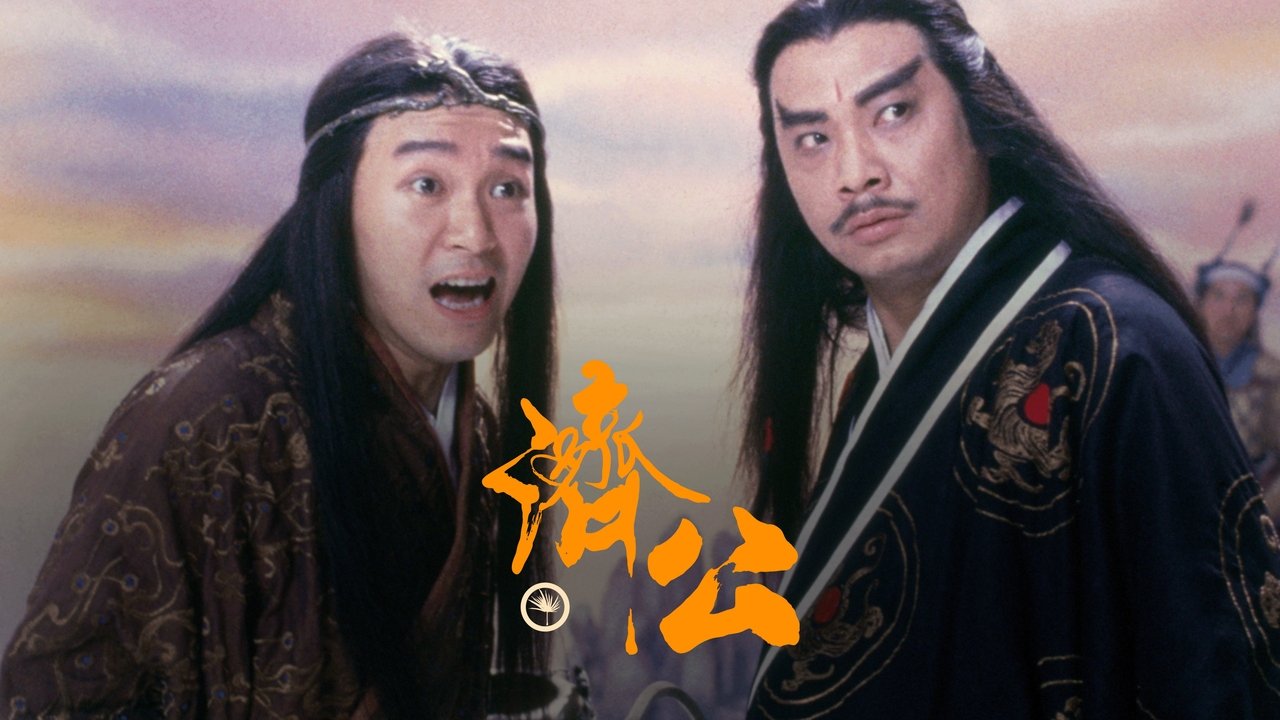
And then there's Anthony Wong Chau-Sang as Chu Tai-Fook, the beggar cursed with epic misfortune. Seeing Wong, who the very same year chilled audiences to the bone in the notorious The Untold Story, playing such a pitifully comedic character is a trip. He leans into the physical comedy and abject misery with gusto. Let’s not forget Ng Man-tat, Chow’s legendary comedic partner, who pops up here as an exasperated celestial official – their familiar dynamic is always a welcome sight for fans. Interestingly, Johnnie To, now celebrated for his taut, atmospheric crime thrillers like Election (2005) and Drug War (2012), took over directing duties partway through production from Chik Ki Yee. You can almost feel a slight shift, perhaps, but the overall chaotic energy remains consistent – a hallmark of the high-pressure, high-output Hong Kong film industry of the time.
### Divine Intervention, Practical Effects Style
Forget CGI polish. The magic in The Mad Monk feels wonderfully tangible, achieved through the kind of practical effects and wirework that defined the era. When Ji Gong uses his fan to conjure illusions, transform objects, or engage in slapstick battles with demonic forces, it’s all achieved with in-camera tricks, puppetry, and performers being yanked around on wires. Does it look a bit rough now? Sure. But there’s an undeniable charm and kinetic energy to it. The depictions of Heaven – bright, gaudy, and slightly bureaucratic – and Hell feel like elaborate stage sets brought to life. Remember how mind-blowing those crude-by-today's-standards transformations looked on a fuzzy CRT screen back then? It was part of the magic, the sheer audacity of trying to put the divine and demonic on screen with whatever tools were available. This wasn't about seamless realism; it was about imaginative, sometimes ludicrous, spectacle.
The film reportedly cost a decent chunk for its time, but didn't quite hit the box office heights of Chow's purest comedies (landing around HK$21 million). Perhaps the blend of broad humour with darker themes of fate, suffering, and Buddhist philosophy felt a little uneven to audiences expecting non-stop gags. It dares to get surprisingly poignant amidst the fart jokes and divine face-slapping, which might be why it resonates differently now, viewed through a nostalgic lens.
### Finding Divinity in the Absurd
The Mad Monk isn't perfect. The pacing can feel episodic, lurching between broad comedy, fantasy action, and moments of attempted seriousness. Some jokes definitely land better than others, and the mo lei tau style can be baffling if you're not attuned to it. But honestly, that’s part of its ragged charm. It’s a film overflowing with ideas and energy, showcasing Stephen Chow at his anarchic best, supported by a stellar cast willing to go along for the wild ride. It captures that specific, slightly unhinged flavour of early 90s Hong Kong popular cinema – ambitious, colourful, sometimes crass, often hilarious, and utterly unique.
Rating: 7/10
Justification: While its tonal shifts can be jarring and it doesn't quite reach the comedic perfection of some other Stephen Chow classics, The Mad Monk scores high on sheer audacity, nostalgic charm, and Chow's brilliant central performance. The supporting cast is excellent, and the practical fantasy elements offer a delightful throwback. It's a film that truly feels handmade, warts and all, capturing a specific moment in HK cinema history.
Final Thought: For a dose of heavenly chaos served with earthly slapstick and a side of surprisingly affecting moments, The Mad Monk is divine intervention, VHS-style – gloriously imperfect, utterly unforgettable.