Okay, fellow tape-heads, let’s rewind to 1995. Imagine strolling through the aisles of your local video store, past the gleaming Hollywood blockbusters, maybe lingering near the martial arts section, and then… you spot it. A cover hinting at cyborgs, comedy, maybe a bit of mayhem? That, my friends, might have been your first encounter with Stephen Chow’s utterly bonkers Hong Kong hit, Sixty Million Dollar Man (百變星君 - Bai bian xing jun). Forget subtlety; this is pure, high-octane absurdity fired directly into your VCR.

### From Spoiled Brat to Bionic Buffoon
The setup is classic Wong Jing territory (yes, the hyper-prolific writer/producer/director behind countless HK hits, including Chow’s God of Gamblers sequels): Lee Chak-Sing (Stephen Chow at the peak of his comedic powers) is an insufferable, wealthy idiot attending university in Hawaii. He’s arrogant, obsessed with pulling cruel pranks, and generally makes life miserable for everyone, including the sweet, buck-toothed Chung-Chung (Gigi Leung in one of her earliest major roles) and his long-suffering, put-upon butler Tat (Ng Man-tat, Chow’s legendary screen partner). After pushing things too far with a local gangster’s moll, Lee gets spectacularly blown up. Seriously, kaboom. But fear not! His loyal butler Tat, with the help of a slightly mad scientist uncle (also played by Tat, naturally), rebuilds him using… well, let’s just say the budget wasn't quite six million US dollars. More like sixty million Hong Kong dollars worth of bargain-bin parts and sheer comic inspiration.
### Mo Lei Tau Meets The Six Million Dollar Man
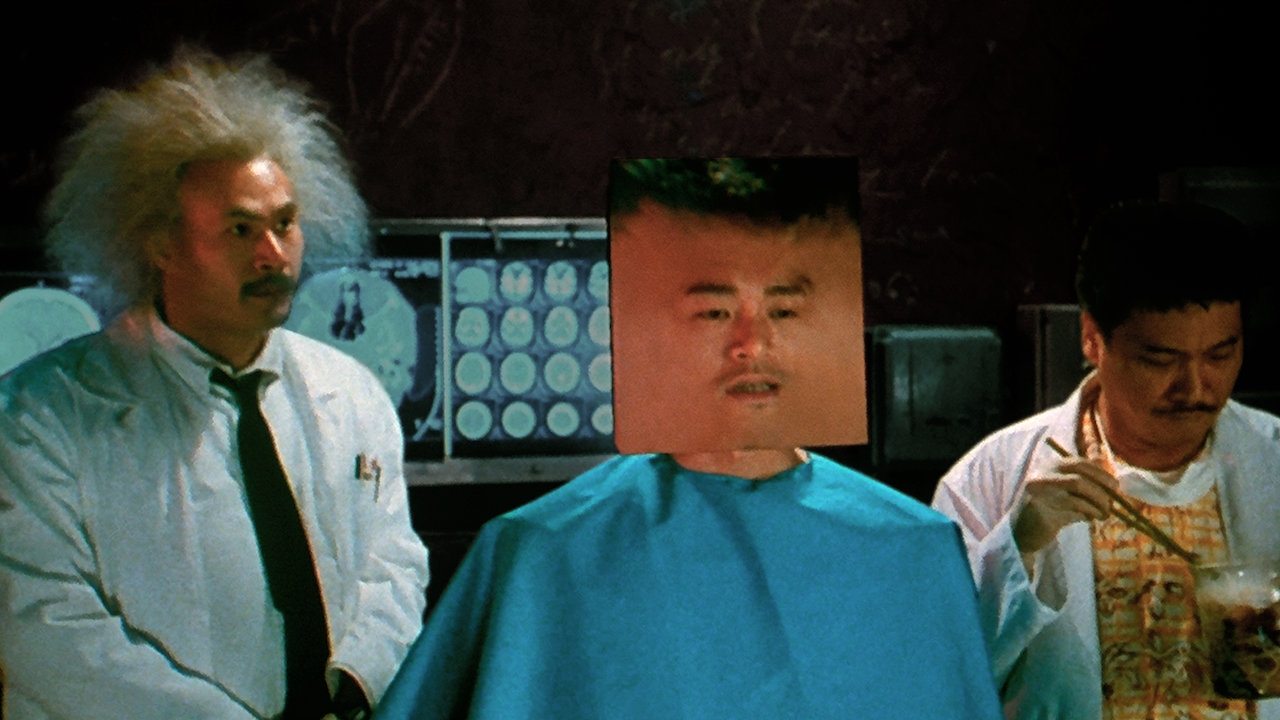
What follows is pure "mo lei tau" – that glorious Cantonese term for "makes no sense" comedy that Stephen Chow perfected. Lee, now rebuilt with bizarre household objects and possessing shapeshifting abilities, has to learn to control his powers while simultaneously becoming a slightly better human being (emphasis on slightly). This is where the film throws absolutely everything at the screen. Forget the sleek, almost invisible CGI of today; the transformations here are gloriously practical, tactile, and often hilariously unconvincing in the best possible way. Remember when he turns into a giant tube of toothpaste? Or a sentient microwave oven? It’s the kind of low-fi, inventive visual gag that felt so fresh and funny precisely because it wasn't polished. It felt like filmmakers throwing ideas around with gleeful abandon, likely inspired by the morphing effects seen in films like Terminator 2 (1991) and perhaps even The Mask (1994), but executed with that distinctive Hong Kong energy and a much smaller wallet. I distinctly remember rewinding the tape just to marvel at the sheer audacity of some transformations.
Stephen Chow is, as always, a magnetic force of nature. His rubber-faced expressions, lightning-fast verbal delivery (even through subtitles or dubbing, the energy comes through), and willingness to look utterly ridiculous are the film's engine. His chemistry with the ever-reliable Ng Man-tat, switching effortlessly between exasperated servant and mad scientist, is a joy. Seeing Gigi Leung here, before she became a major Cantopop star and actress, is also a treat; she provides the necessary heart amidst the chaos.
### Wong Jing's Kitchen Sink Approach
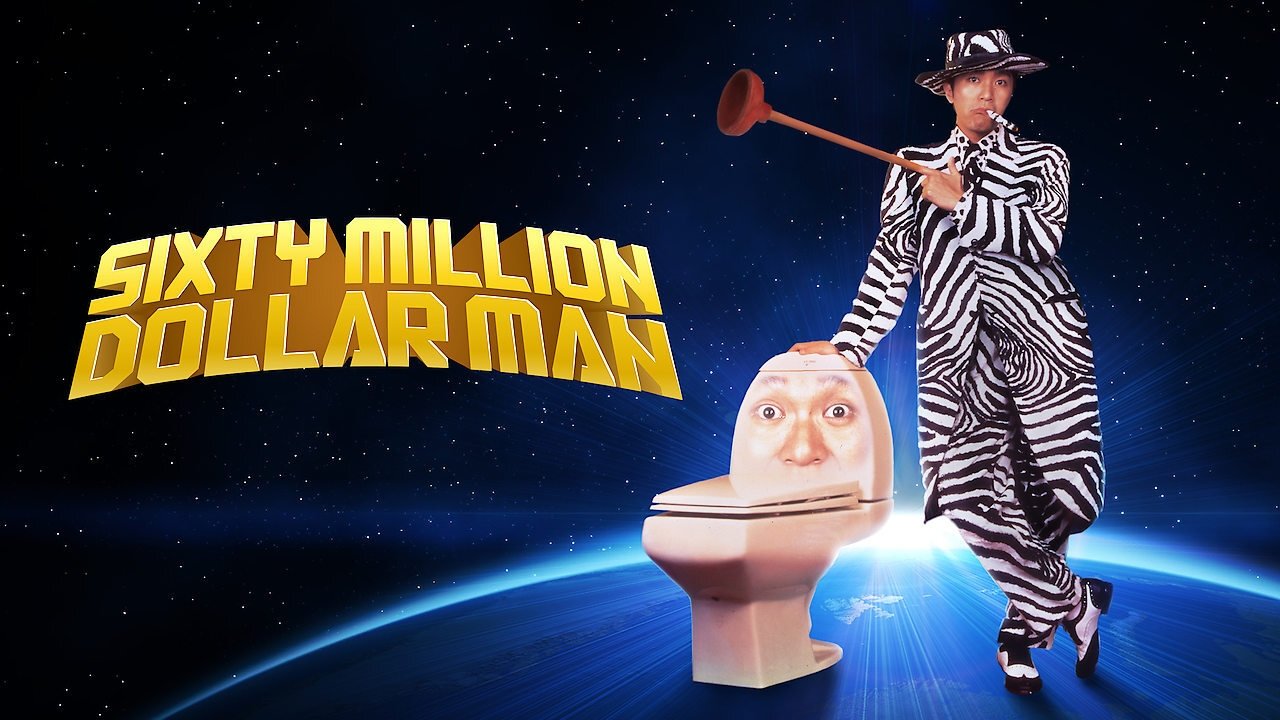
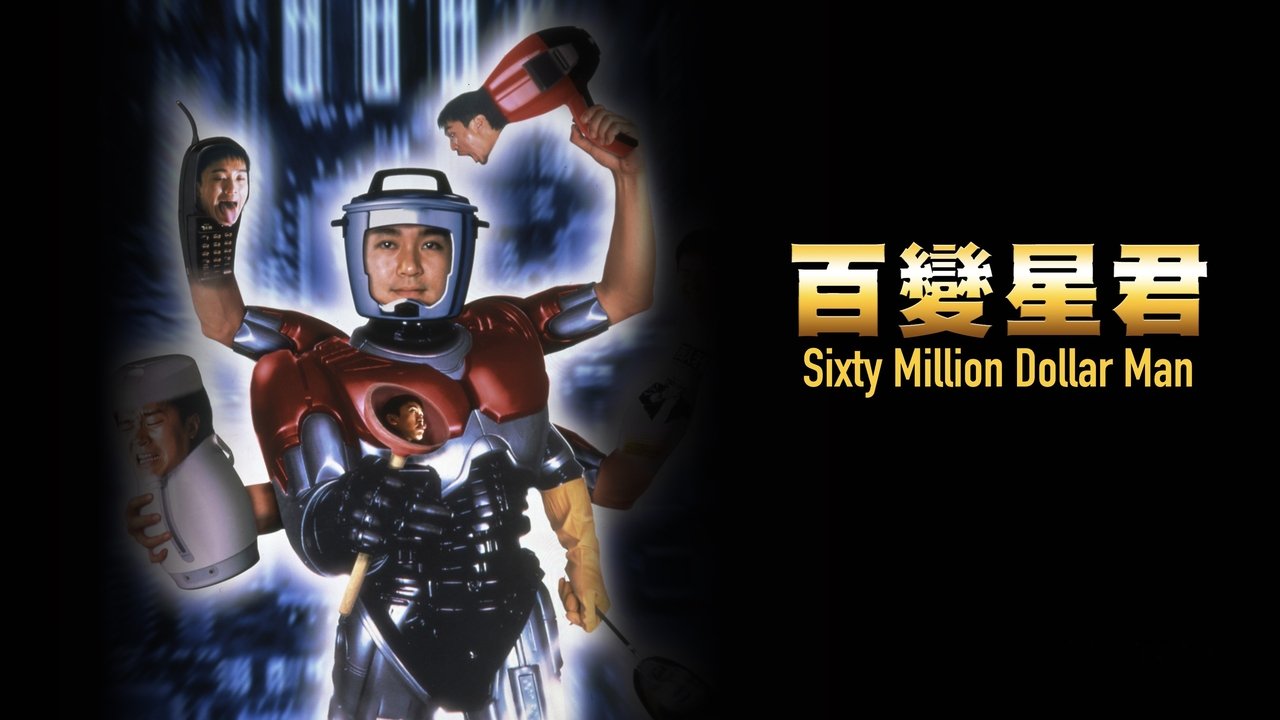
You can feel Wong Jing’s fingerprints all over this. The pacing is relentless, the humor veers from clever parody (there’s a direct, extended riff on Pulp Fiction's dance scene that is both baffling and brilliant) to groan-worthy slapstick, often within the same minute. Wong Jing was notorious for his speed, sometimes juggling multiple productions at once, and Sixty Million Dollar Man has that slightly frantic, cobbled-together feel that somehow works. It’s a testament to the era – make ‘em fast, make ‘em funny, pack the cinemas. And pack them it did; this was another massive hit for Chow in Hong Kong, cementing his status as the undisputed King of Comedy. It reportedly cost around HK$15 million and raked in over HK$35 million locally – a solid return fueled entirely by Chow’s star power and the audience's hunger for his unique brand of insanity.
The film doesn't shy away from action parodies either. The final confrontation involves Lee morphing into various ridiculous forms to battle another cyborg, leaning heavily into wire-work and practical effects for the impacts and destruction. Were those explosions perfectly safe? Probably not by today's standards! Did those stunt falls look genuinely painful? Absolutely. That rawness, that feeling that real things were happening on screen, was part of the visceral thrill of 90s Hong Kong action-comedy.
### Still Worth Plugging In?
Look, Sixty Million Dollar Man isn't sophisticated cinema. Some jokes haven't aged well, and the plot logic dissolves faster than cheap plastic in the sun. But if you have fond memories of renting wild, unpredictable comedies from the "Asia" section of the video store, this delivers exactly what you remember. It’s loud, colourful, unapologetically silly, and powered by one of cinema's great comic talents operating at full throttle. It captures a specific moment in Hong Kong cinema – a time of boundless energy, creative absurdity, and a willingness to try absolutely anything for a laugh.
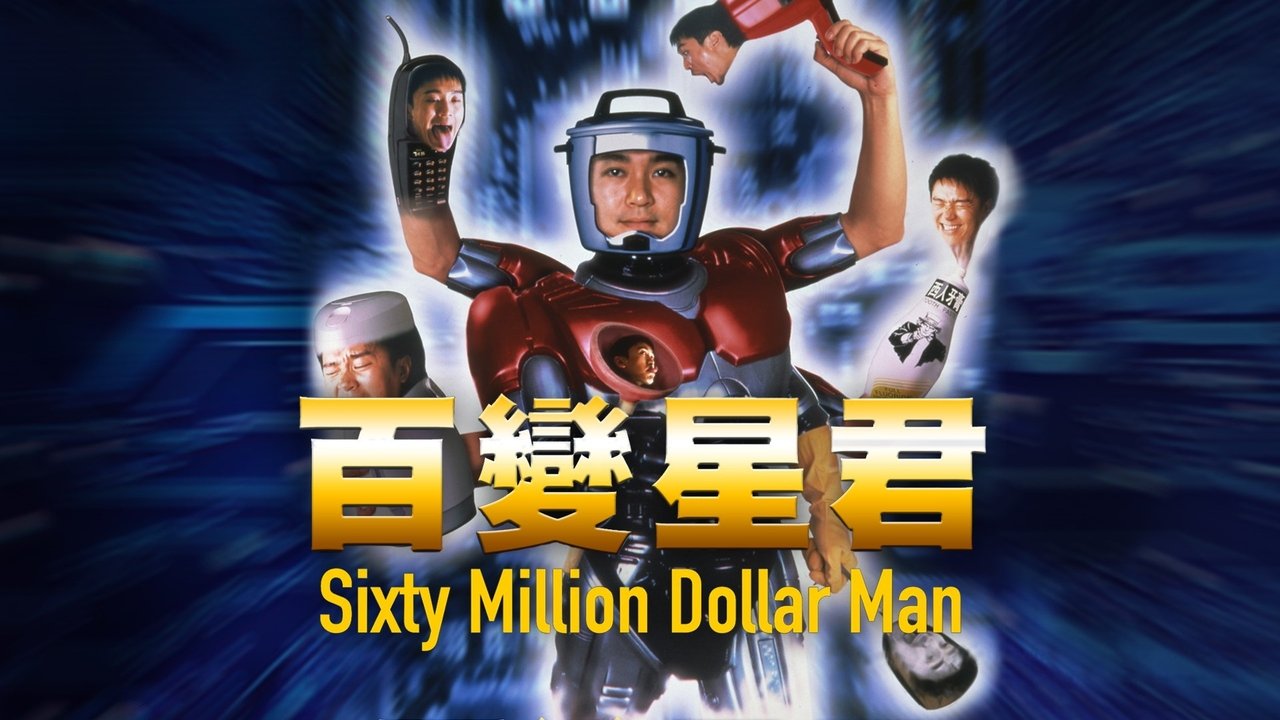
Rating: 7.5 / 10
Justification: This score reflects the film's immense entertainment value as a prime example of Stephen Chow/Wong Jing 90s comedy. It's wildly inventive, features Chow at his peak, and delivers consistent laughs for fans of the "mo lei tau" style. Points are deducted for the sometimes dated humor and scattershot plot, but its sheer energy and iconic status within its niche earn it a high mark.
Final Take: A glorious blast of nonsensical 90s Hong Kong energy that feels like finding your favourite worn-out comedy tape – unpredictable, sometimes rough around the edges, but guaranteed to leave you grinning.