The flickering static clears, leaving the image of a sprawling, isolated mansion bathed in the cold glow of Christmas lights. But there’s no warmth here. Instead, a palpable sense of dread hangs in the air, thick as winter fog. Tonight, we’re revisiting a tape that likely gathered dust in the ‘Foreign Films’ or ‘Thriller’ section of your local video store, a chilling Yuletide nightmare that time, and perhaps a certain blockbuster juggernaut, nearly forgot: 1990’s Dial Code Santa Claus (also known under its French title 3615 code Père Noël, or the more blunt Deadly Games).

This isn't your heartwarming holiday fare. Forget cozy fires and carols. Director René Manzor crafts something far more sinister, a film that plunges a child's festive fantasy into the icy depths of a home invasion thriller. We meet Thomas (Alain Lalanne, the director's own son, adding a fascinating layer to the production), a brilliant, Rambo-obsessed kid living in a high-tech castle-like home with his wealthy, often-absent mother (played by the wonderful Brigitte Fossey, instantly recognizable from 1952's heartbreaking Forbidden Games) and his ailing, beloved grandfather (Louis Ducreux). Thomas is obsessed with proving Santa Claus exists, setting up cameras and communication systems. He gets his proof, alright, just not the kind any child would ever wish for.
Enter the Nightmare
The antagonist isn't just some random burglar; he's a disturbed, recently fired department store Santa (Patrick Floersheim, delivering a performance chilling in its physicality and near-silence) who intercepts Thomas's message to the North Pole via the Minitel service – that "3615 code Père Noël" referenced in the original title, a fascinating snapshot of pre-internet French tech. This isn't the jolly gift-giver; this Santa is a predator, silently infiltrating the massive house on Christmas Eve, intent on punishing the ‘naughty’ child who inadvertently caused his dismissal. The transformation of the iconic red suit from symbol of joy to harbinger of terror is genuinely unsettling. Doesn't that perversion of a childhood icon still feel deeply wrong?
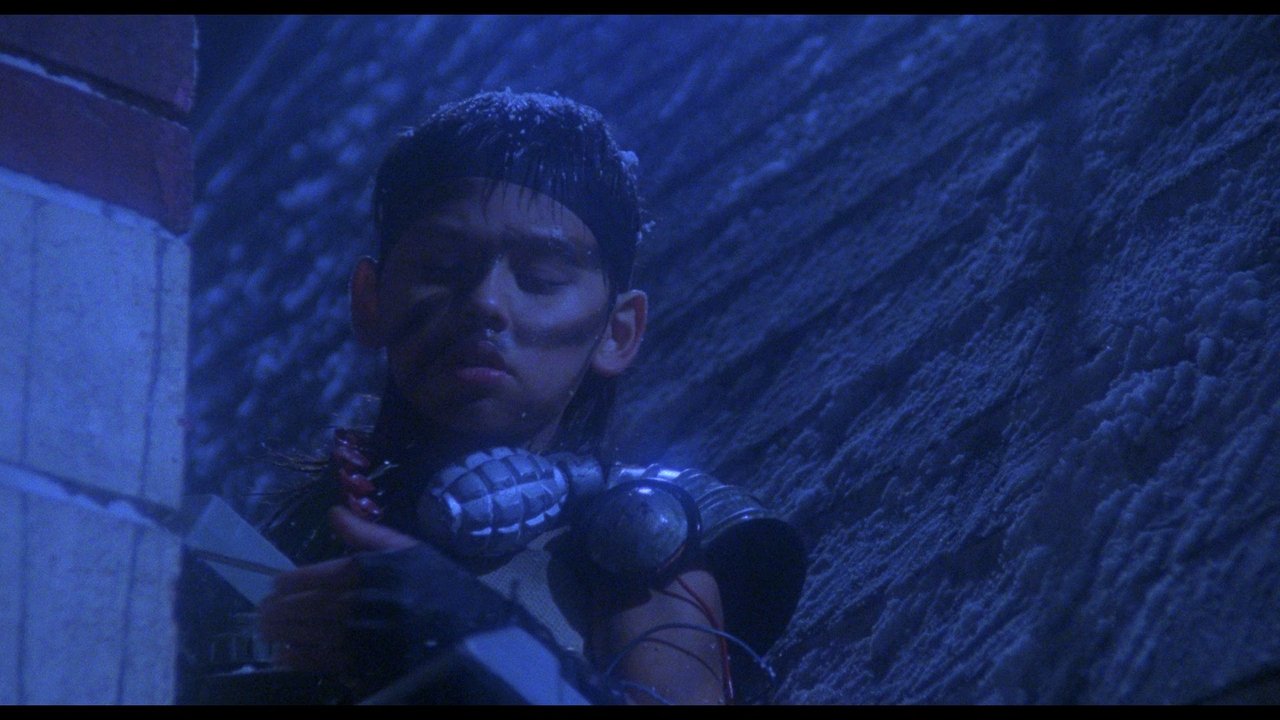
What follows is a brutal cat-and-mouse game. Forget the slapstick booby traps of Kevin McCallister; Thomas's defenses are born of genuine fear and a desperate fight for survival. He utilizes his intelligence, his familiarity with the labyrinthine house (the stunning Château de Pisy in Burgundy, France, becomes a character itself), and his toy arsenal – repurposed with deadly intent. The film doesn't shy away from the violence or the psychological toll on Thomas. Manzor crafts sequences of intense suspense, using the vast, shadowy spaces of the mansion to maximum effect. The contrast between the festive decorations and the grim struggle creates a uniquely disturbing atmosphere, amplified by a score that emphasizes dread over holiday cheer.
Before Kevin?
Yes, the elephant in the room. Dial Code Santa Claus screened at the Cannes Film Festival market in May 1989 and was released in France in January 1990, nearly a year before Home Alone hit theatres. The similarities in premise – a resourceful kid defending his home from invaders during Christmas – are undeniable. René Manzor felt his idea had been plagiarized and even threatened legal action against 20th Century Fox and John Hughes's production, though it never went far, likely due to the vast difference in resources. Watching Dial Code now, it feels like the dark, European arthouse cousin to the American blockbuster. Where Home Alone found humor, Dial Code finds terror and trauma. It’s fascinating to consider this lineage – the gritty, harrowing original concept overshadowed by its glossier, family-friendly counterpart. I distinctly remember renting Home Alone countless times, but discovering this film much later felt like uncovering a secret, darker history.
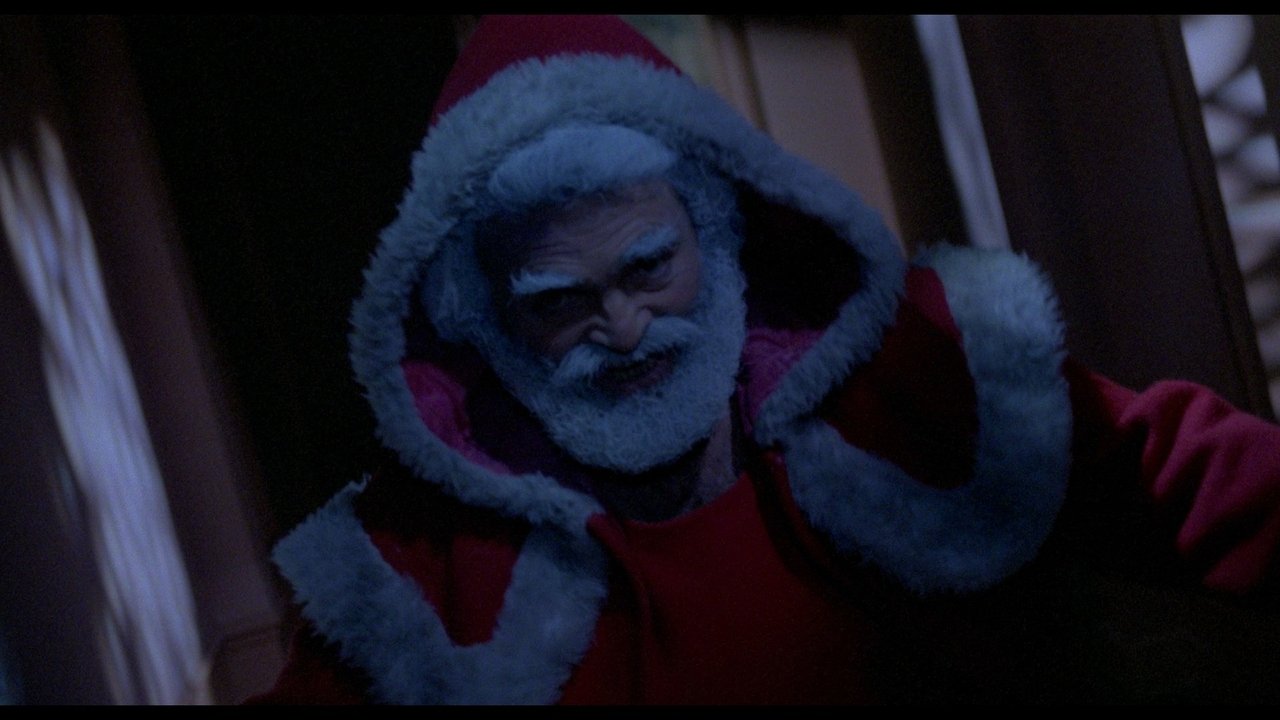
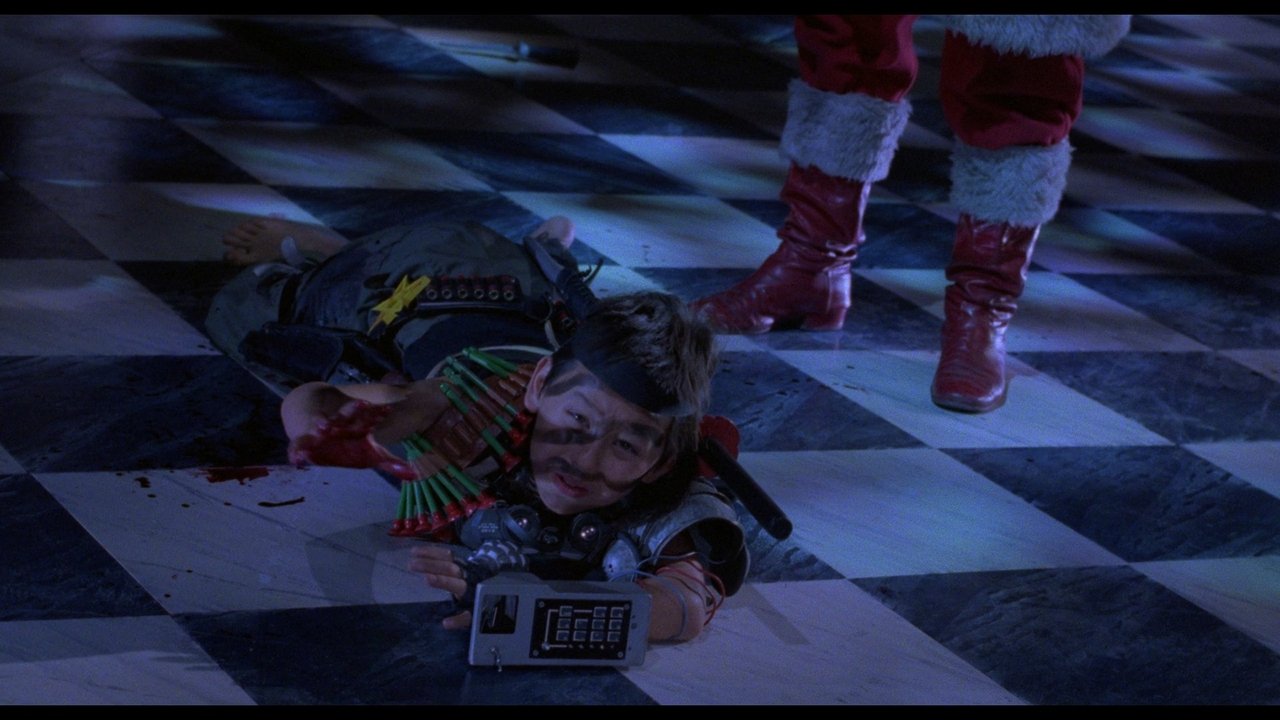
The production itself feels like a family affair, not just with Alain Lalanne in the lead, but with a contained, focused vision. While some elements might feel dated now – the chunky computers, the specific Minitel reference – the core tension and Lalanne's surprisingly intense performance hold up remarkably well. He carries the weight of the film on his young shoulders, conveying vulnerability, ingenuity, and sheer terror. Floersheim’s largely silent performance as the psycho Santa is equally effective, his presence becoming increasingly menacing as the night wears on and his suit gets torn and bloodied.
A Rediscovered Chill
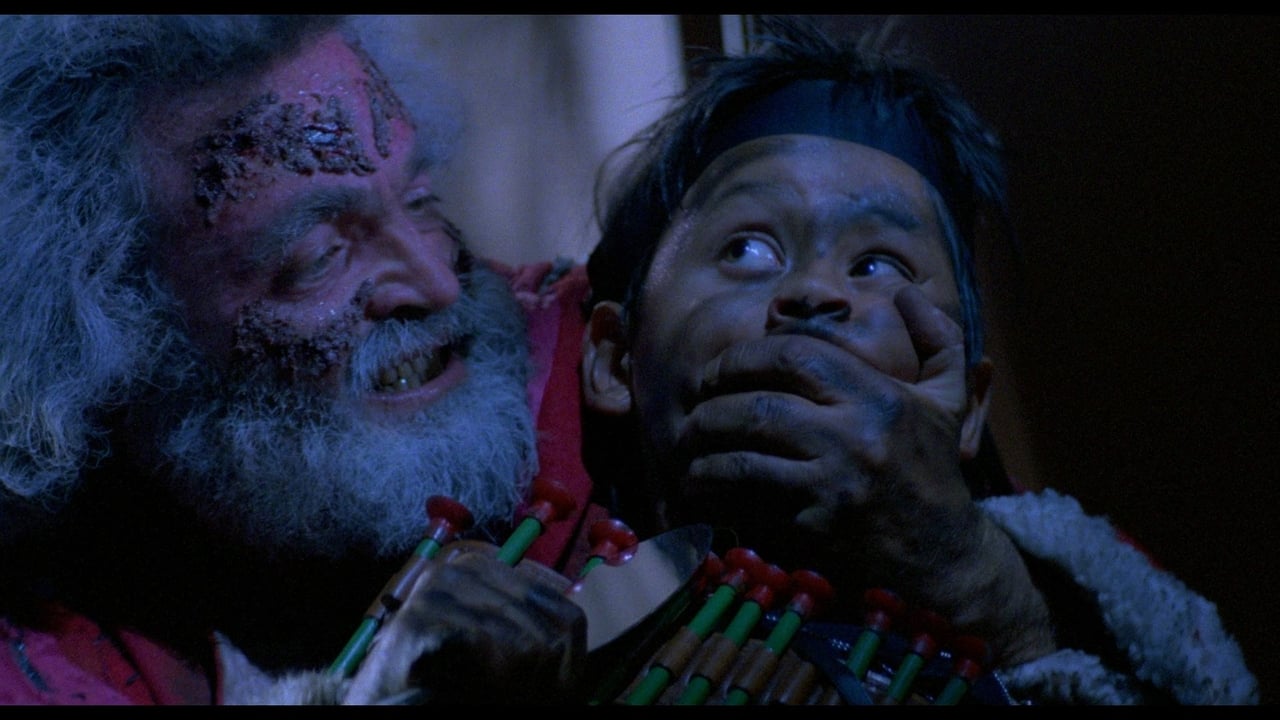
For years, Dial Code Santa Claus was a cult oddity, a whispered legend among genre fans who’d managed to track down a grainy VHS copy. Its relative obscurity, particularly in the US, compared to Home Alone only added to its mystique. Thankfully, recent restorations have brought it back into the light, allowing a new generation to appreciate its stylish direction, genuine suspense, and uniquely unsettling holiday horror. It's a film that understands the vulnerability of childhood and twists festive iconography into something truly nightmarish. It doesn't offer easy comforts; it leaves you with a lingering chill, questioning the safety of locked doors and the benevolent image of Santa Claus.
Rating: 8/10
Dial Code Santa Claus earns its high marks for its gripping tension, stylish execution, and bold subversion of holiday tropes. The central performances are strong, particularly from young Alain Lalanne, and the atmosphere is thick with dread. While perhaps overshadowed by its Hollywood counterpart, it stands on its own as a potent and disturbing slice of French genre cinema – a truly dark Christmas fable that reminds you some visitors who come down the chimney aren't bearing gifts. It's a must-see for anyone who likes their eggnog spiked with genuine fear.