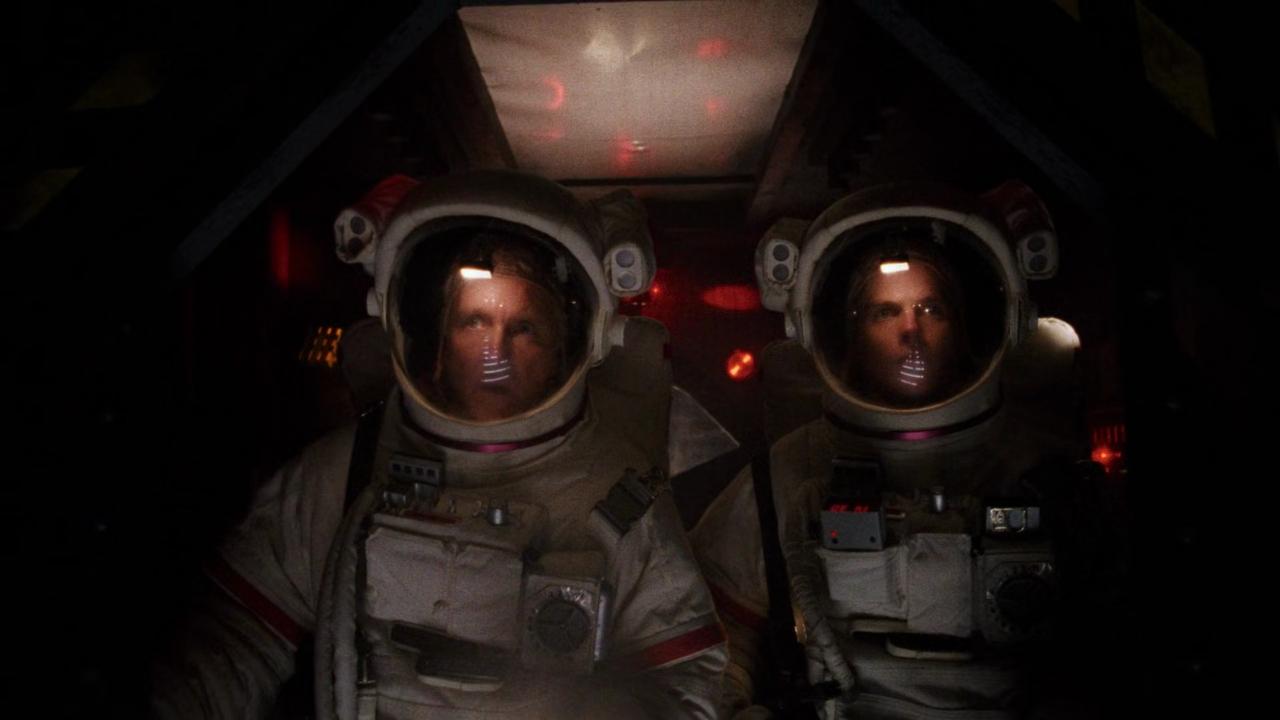
The year is 2022. A maintenance ship drifts silently near the far side of the Moon, its mission mundane, its crew weary. Power failures ripple through their vessel, Spacecore 1, leaving them stranded in the suffocating black. Then, they find it: a derelict NASA shuttle, impossibly present, decades after vanishing. What unfolds aboard isn't just a repair job; it's a descent into a uniquely chilling pocket of late-night VHS weirdness, a place where deep space isolation meets something far older and more malevolent. The Dark Side of the Moon (1990) isn't your standard creature feature; it pulls you into a vacuum where technology fails and something infernal waits.
Lost Signals in the Void
From the outset, the film cultivates a palpable sense of isolation. Director D.J. Webster uses the cramped confines of the Spacecore 1 set to maximum effect. You feel the metallic chill, the recycled air, the oppressive weight of infinite emptiness just outside the hull. When the power flickers and systems die, it’s not just plot mechanics; it’s the tightening knot of dread that every space traveller fears. The discovery of the lost shuttle Discovery isn't a moment of hope, but one of profound wrongness. How did it get here? Why is there a desiccated corpse inside? The questions hang heavy, unanswered, amplifying the unease long before the true nature of the threat is revealed.
Where Science Meets Superstition
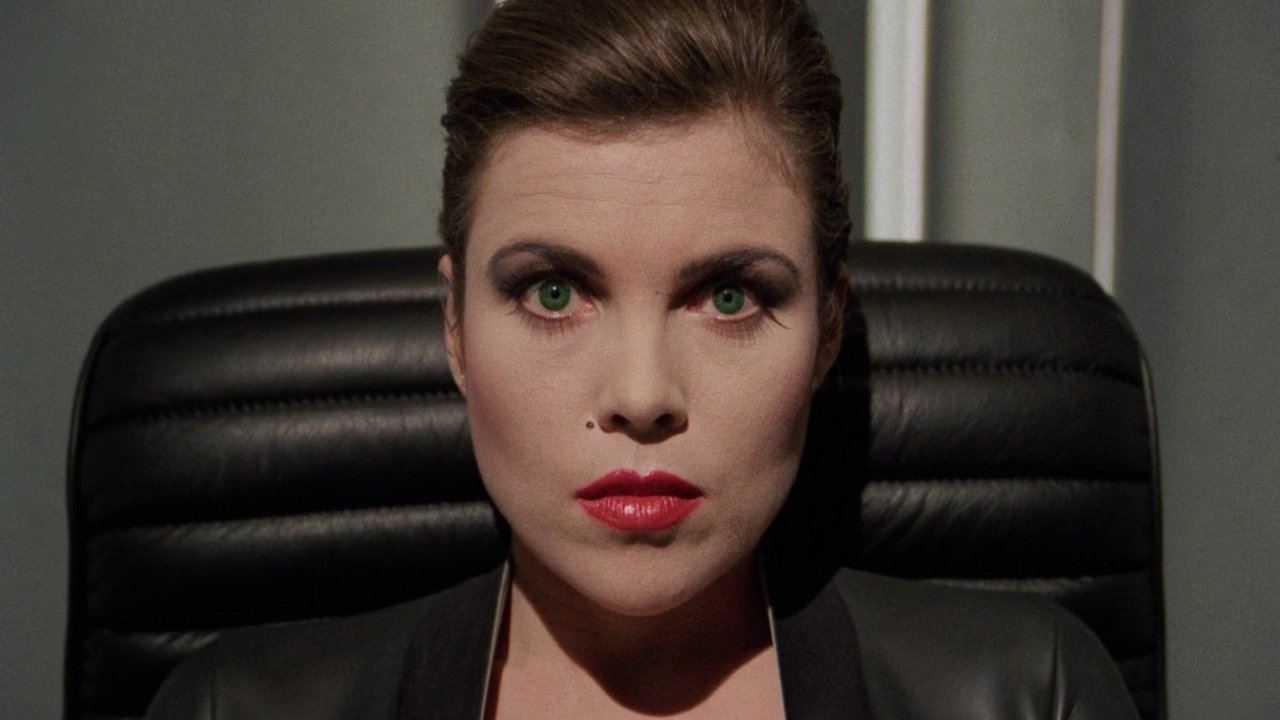
What sets The Dark Side of the Moon apart from its many Alien-inspired brethren is its wonderfully bizarre central conceit. Writers Carey Hayes and Chad Hayes, who would later terrify audiences with blockbusters like The Conjuring (2013), were already playing with high-concept horror here. Forget aliens; the problem, it transpires, is linked to the Bermuda Triangle. Yes, you read that right. The film posits that the Triangle is a gateway, a cosmic shortcut used by... Satan, who accidentally snags ships passing through. It's a gloriously pulpy premise that shifts the film from standard sci-fi survival into something stranger, a techno-thriller laced with demonic possession. Does it entirely work? Perhaps not seamlessly, but the sheer audacity of it is undeniably memorable. It’s the kind of plot twist you’d only find flipping channels late at night or browsing the stranger corners of the video store shelf.
That Familiar Face in the Dark
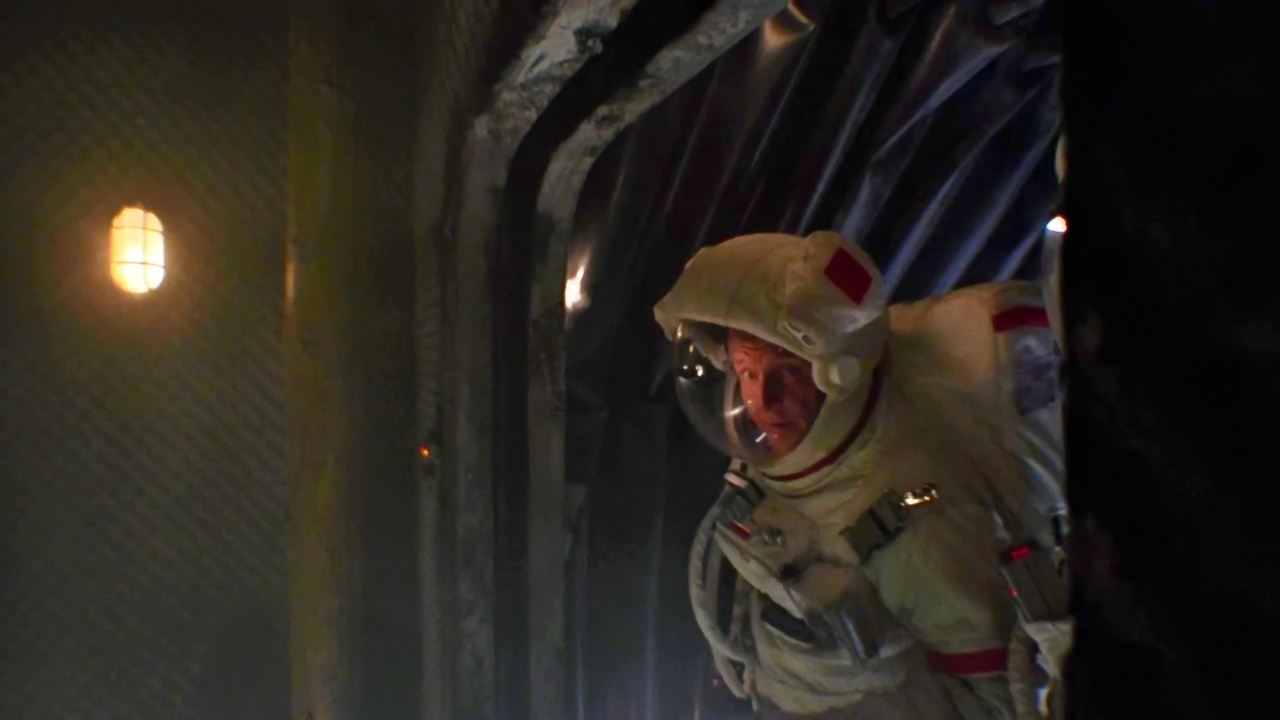
Amidst the relative unknowns in the cast, one presence instantly grounds the film in genre history: the unmistakable Joe Turkel. Decades after unsettling us as Lloyd the bartender in Stanley Kubrick's The Shining (1980) and creating the eerily calm Dr. Eldon Tyrell in Ridley Scott's Blade Runner (1982), Turkel brings that same quiet intensity to the role of Paxton Warner, the Discovery's sole, long-dead occupant, whose body becomes a vessel for the lurking evil. Turkel doesn't need grand pronouncements; his haunted eyes and measured delivery do the heavy lifting, lending a sliver of gravitas to the unfolding supernatural chaos. The rest of the cast, including Robert Sampson as the captain and Will Bledsoe as the increasingly disturbed Giles, navigate the escalating terror with earnest conviction, selling the claustrophobia even when the dialogue occasionally dips into B-movie territory.

Made on a Shoestring, Aimed for the Stars
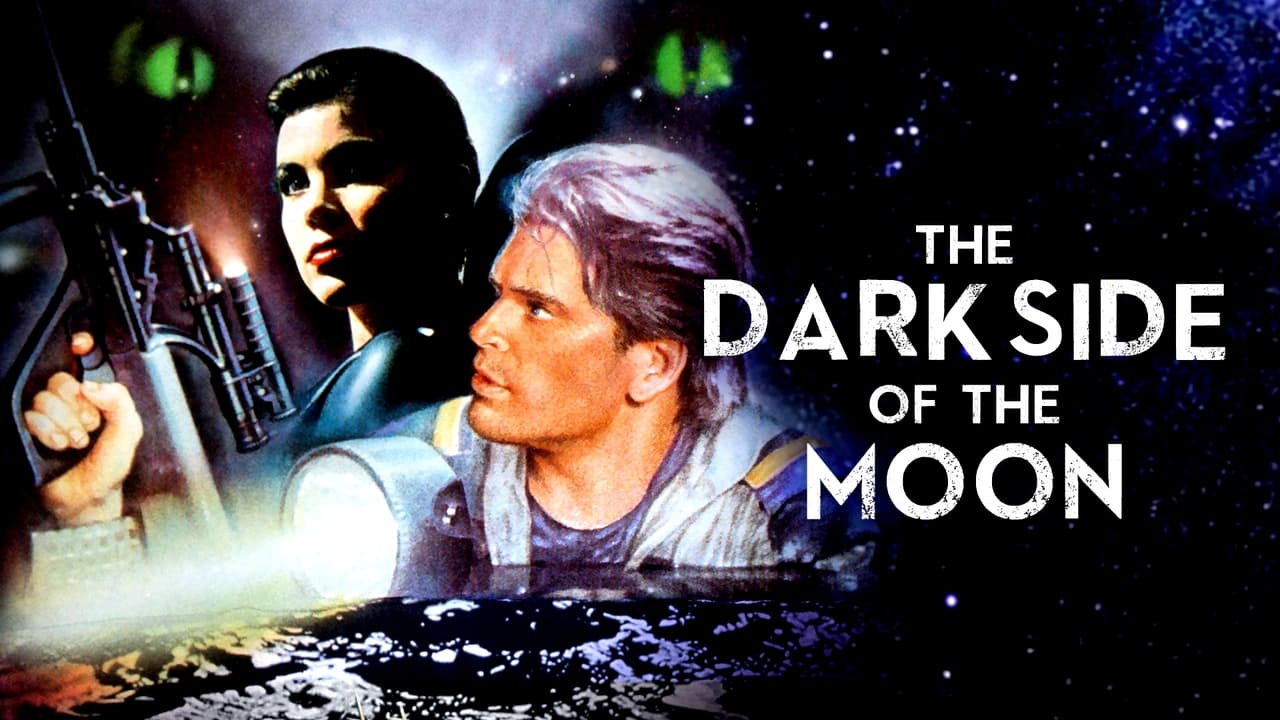
Let's be honest, The Dark Side of the Moon doesn't boast the budget of its cinematic inspirations. This was a straight-to-video affair, likely produced for a fraction of what major studio sci-fi cost at the time. The sets are functional rather than spectacular, the effects minimal, relying more on suggestion, darkness, and sound design than elaborate creature work. Yet, there’s a certain charm to its limitations. The model work for the ships has that tangible, slightly clunky quality we remember from the era. The focus shifts to atmosphere over spectacle, and in its best moments – the eerie exploration of the derelict shuttle, the flickering lights, the growing paranoia – the film manages to be genuinely creepy. It’s a testament to resourceful filmmaking, squeezing tension from shadows and implication. I recall finding this tape tucked away at the local rental store, the cover art promising cosmic horror, and being drawn into its strange, low-fi world – a world that felt both familiar and utterly unique.
Cosmic Horror with a Twist
The Dark Side of the Moon isn't a lost masterpiece, but it's far more interesting than its obscurity might suggest. It takes the familiar template of "astronauts in peril" and injects it with a brazenly weird supernatural element that feels distinctly pre-millennium. The pacing can lag, and the budgetary constraints are apparent, but the core concept possesses a strange power. It taps into that primal fear of the dark, the unknown void of space, and twists it by suggesting the Devil himself might be lurking just beyond the orbit of the moon. Doesn't that core idea still send a little shiver down your spine?
Rating: 6/10
Justification: The film scores points for its genuinely unique and audacious premise, blending sci-fi isolation with demonic horror in a way few others attempt. The atmosphere is often effective, leveraging its low budget for claustrophobic tension, and Joe Turkel's presence adds undeniable genre cred. However, it's held back by pacing issues, sometimes clunky dialogue, and visible budgetary limitations that prevent it from fully realizing its high-concept ambitions. It earns a solid "6" as a memorable, weird, and worthwhile slice of direct-to-video sci-fi horror that perfectly captures the strange discoveries possible in the golden age of VHS rentals.
Final Thought: For fans of oddball genre mashups and late-night deep space dread, The Dark Side of the Moon remains a fascinating curio – proof that sometimes the most unsettling horrors aren't alien, but infernally familiar, even light years from home.